Jamaica Blue Mountain Coffee: Flavor, Origin, and Brewing Guide
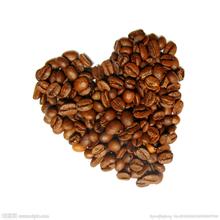
Introduction: Jamaica Blue Mountain coffee is renowned as one of the finest coffees in the world, and its unique flavor is inseparable from its rigorous growing environment. This article takes an in-depth look at Blue Mountain coffee's geographical advantages, grading system, and flavor characteristics, and offers professional pour-over advice to help you identify authentic beans and experience their balanced, mellow taste. It also compares High Mountain coffee with ordinary Jamaican coffee to help you find the choice that suits you.
Jamaica Blue Mountain coffee comes from the Blue Mountain Range in eastern Jamaica, an island nation in the Caribbean. Here the elevation exceeds 1,000 meters, with fertile volcanic soil and a humid, misty climate year-round (average annual rainfall 1,980 mm, temperature about 27°C). The unique microclimate and the steep hillside growing environment create this classic coffee with balanced flavor and harmonious acidity and bitterness. Its price has long ranked second in the world, after only Yemen Mocha.
Blue Mountain coffee is divided into three grades by elevation: Blue Mountain Coffee (1,200–1,700 meters), High Mountain Coffee (666–1,200 meters), and ordinary Jamaican coffee (below 666 meters). Blue Mountain Coffee is further subdivided into NO.1 through NO.3 and Peaberry PB, with NO.1 being the highest quality, with plump beans and a defect rate below 3%. It is worth noting that true Blue Mountain coffee comes only from designated areas above 910 meters in the Blue Mountain Range, accounting for about 6% of the island's coffee-growing area.
The flavor profile of Blue Mountain coffee is extremely distinctive: it has a mild nutty character, bright citrus acidity, and a silky chocolate finish, with acidity, bitterness, and sweetness in perfect balance. For roasting, a medium roast is recommended (from dense first crack to the start of second crack), which preserves the floral and fruity aromas while highlighting the mellow body. A common misconception is that Blue Mountain coffee must be dark roasted; in fact, over-roasting masks its delicate flavors.
Producing a high-quality Blue Mountain coffee requires strict adherence to traditional methods: after the ripe red cherries are hand-picked, the pulp is removed the same day and the beans are fermented for 12–18 hours, then washed with clean water and dried on concrete patios or blankets to a moisture content of 12%–14%. The dried green beans are aged for several weeks in ventilated warehouses and finally roasted light to medium to bring out the best flavor.This entire process is supervised throughout by the Jamaica Coffee Industry Board (CIB), and every batch of exported coffee carries an official certification seal.
To brew Blue Mountain coffee, a dose of 15 grams is recommended (10%–15% more than usual) with water at 92–94°C. When using a V60 dripper, a coffee-to-water ratio of 1:15 is suggested, with a grind between medium-fine and fine (similar to granulated sugar). During the pour-over, use a center pour plus spiral circles; staged extraction better reveals its layers. If you choose espresso, extract a double dose for 30 seconds; when pairing with milk, a medium-dark roast can be selected to balance the body.
Common counterfeits on the market include: "Blue Mountain flavor blends" mixed with beans from other regions, cheaper substitutes using only Jamaican High Mountain beans, and mislabeled products from completely unrelated regions. To identify authenticity, look for the CIB certification number and the marks of the six authorized estates (such as M.B.C.F, P.X.X.S.H., etc.). Japan, as the largest importing country (accounting for 90% of the global share), has a relatively more reliable quality of Blue Mountain coffee circulating in its market.
From a health perspective, Blue Mountain coffee contains only half the caffeine of ordinary coffee (about 0.8%–1%), making it suitable for people sensitive to caffeine. Its rich chlorogenic acid and antioxidants, combined with its low acidity, are less irritating to the stomach and intestines. Professional tasters recommend pairing it with mild cheese or dark chocolate to further highlight its complex aromatic layers.


