Jamaica Blue Mountain No. 1 Coffee: Flavor, Processing and Brewing Guide
Introduction: Jamaica Blue Mountain No. 1 coffee is hailed as one of the world's top coffees, admired for its distinctive flavor and stringent production standards. This article takes an in-depth look at the flavor characteristics of Blue Mountain No. 1, the differences between washed and natural processing, and its performance at different roast levels, and offers professional brewing parameters and techniques to help coffee lovers fully understand this rare coffee.
Jamaica Blue Mountain coffee is a legend in the hearts of coffee lovers worldwide, and Blue Mountain No. 1 is the finest among it. As the top grade of Jamaican coffee, Blue Mountain No. 1 is renowned not only for its rarity but also for its unique flavor and rigorous production standards. Understanding Blue Mountain No. 1 is not only an exploration of top-tier coffee but also a deep experience of coffee culture.
The flavor characteristics of Blue Mountain No. 1 are the core of its high reputation. This coffee is known for being balanced and harmonious, with acidity, sweetness and bitterness perfectly integrated, a clean and refreshing mouthfeel, and no overly strong pungency. On the palate, one often perceives the richness of dark chocolate and the crispness of nuts, accompanied by moderate acidity that enhances the overall complexity. Compared with coffees from other famous origins, the flavor of Blue Mountain No. 1 is more restrained, yet its finish is long, with a subtle nutty and caramel sweetness.
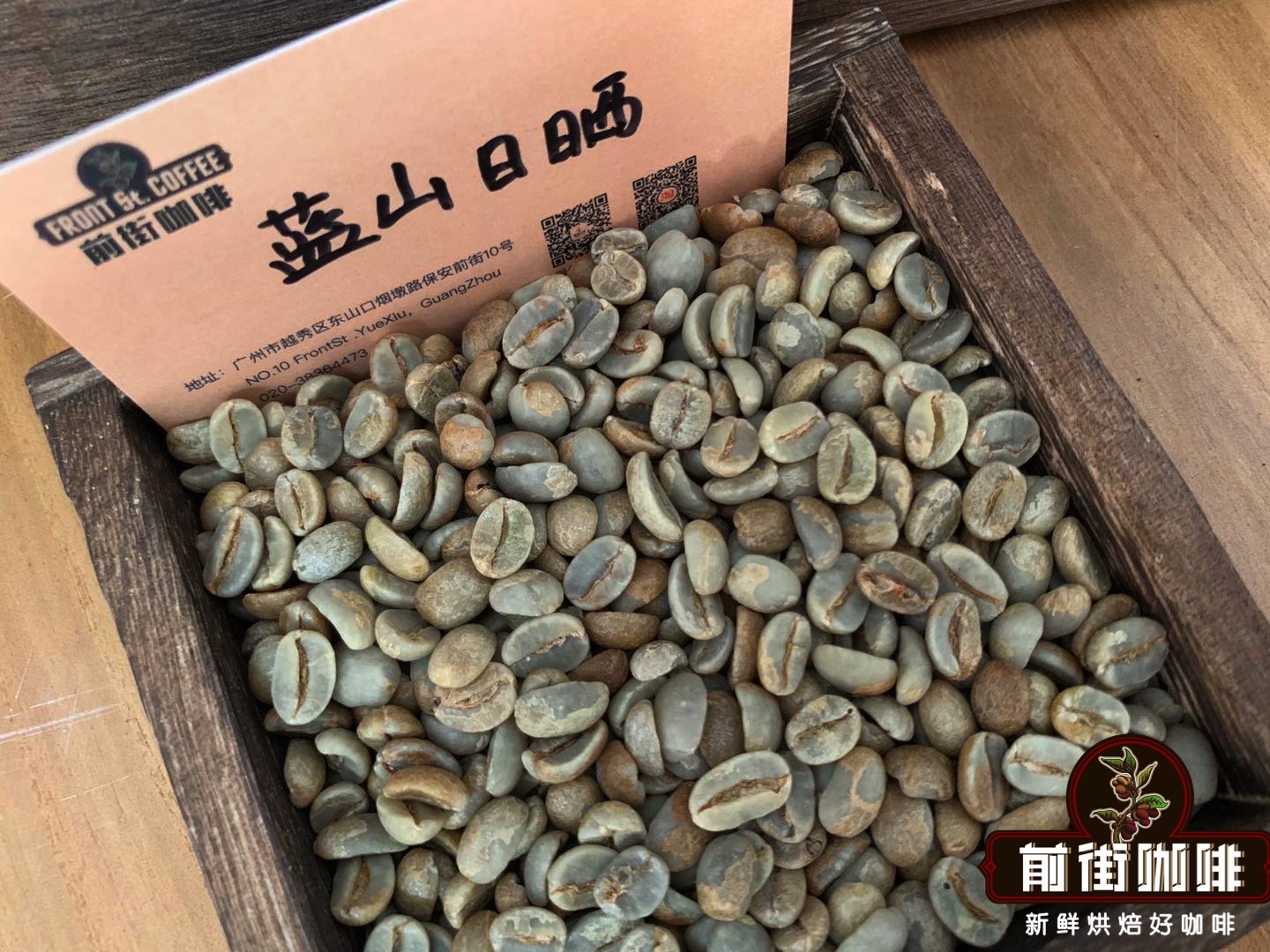
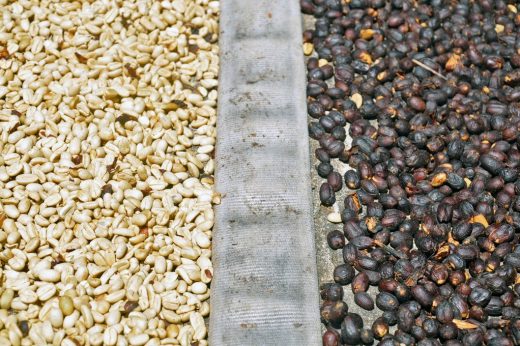
In terms of processing, Blue Mountain No. 1 mainly uses the traditional washed method, though some estates experiment with innovative natural processing. Washed Blue Mountain No. 1 usually shows clearer acidity and a clean mouthfeel, with flavors focused on nuts, chocolate and a slight fruity character. The natural-processed version, by extending the contact time with the fruit pulp, develops a richer sweetness and more complex aroma, often with berry-like acidity and a creamy, full-bodied texture, and a finish that may reveal walnut or caramel notes.
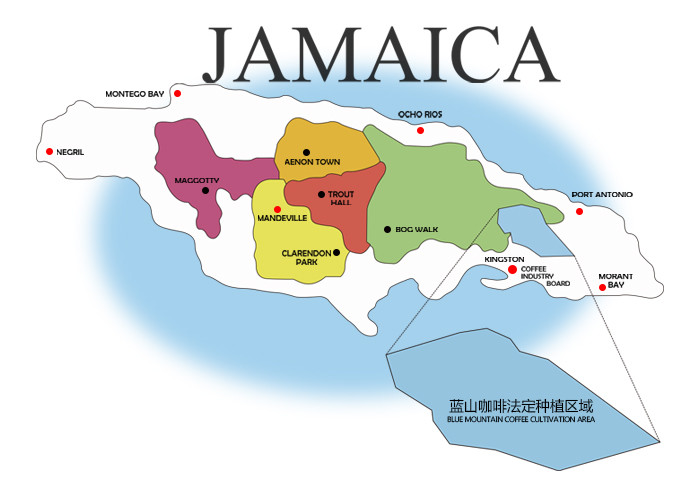
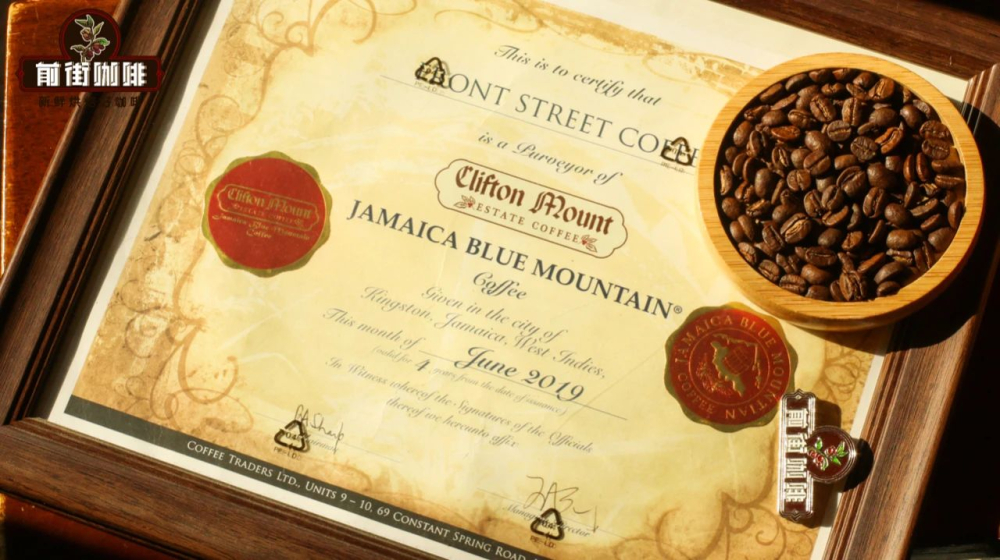
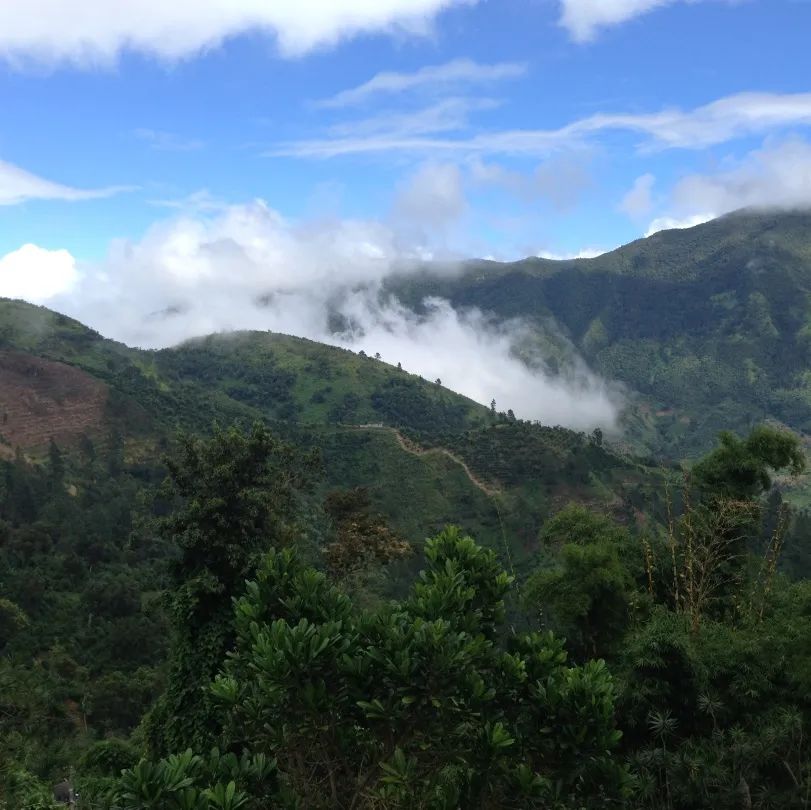
The origin and certification standards of Blue Mountain coffee are extremely strict. True Blue Mountain coffee comes only from specific areas of Jamaica's Blue Mountain range, including the 1,000–1,700 m elevation range in the four administrative districts of Saint Andrew, Saint Thomas, Saint Mary and Portland. The Jamaica Coffee Industry Board (CIB) has detailed regulations for cultivation, harvesting and processing to ensure every Blue Mountain coffee bean meets high standards. Notably, only coffee produced by the four legally designated estates certified by the CIB can be called Blue Mountain coffee; products from other areas or lower elevations can only be classified as High Mountain coffee or ordinary Jamaican coffee.
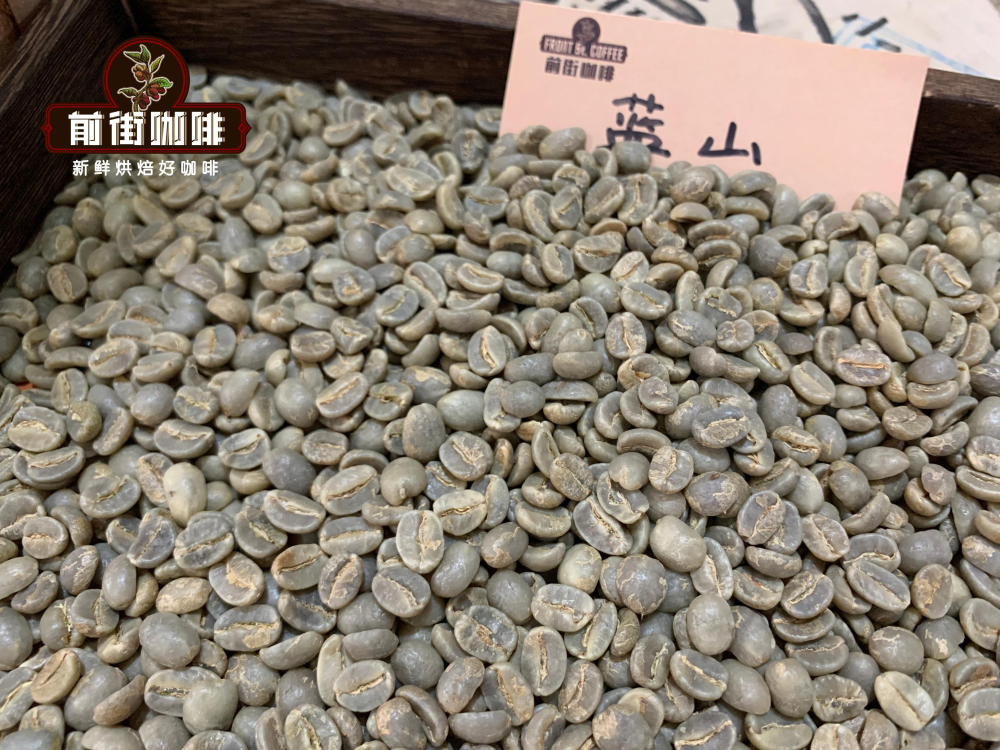
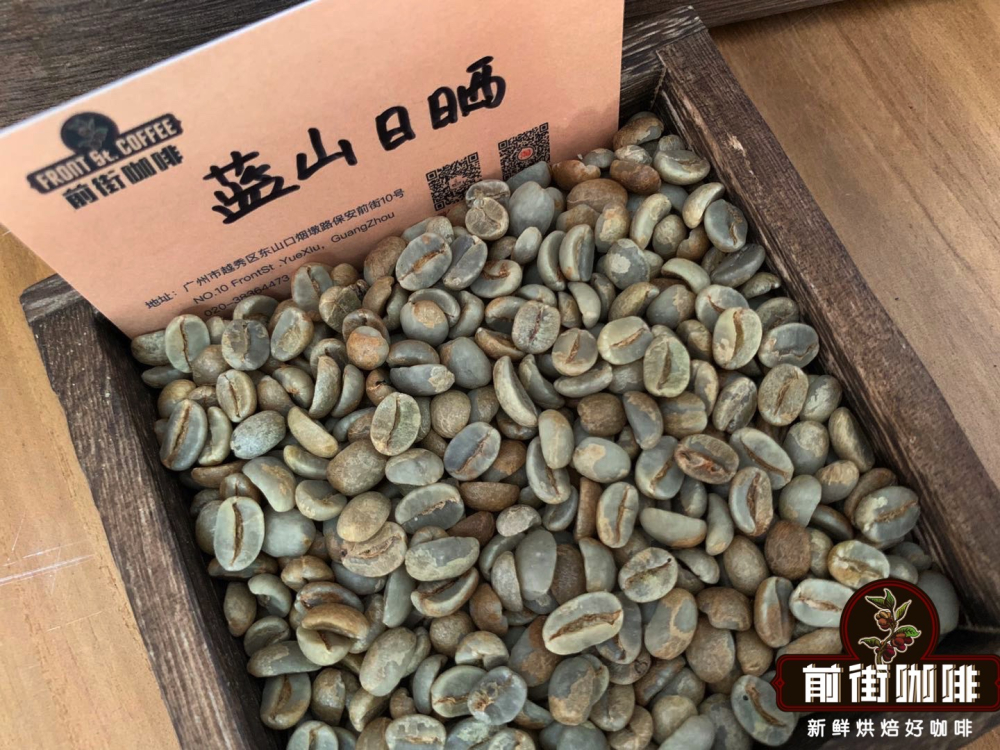
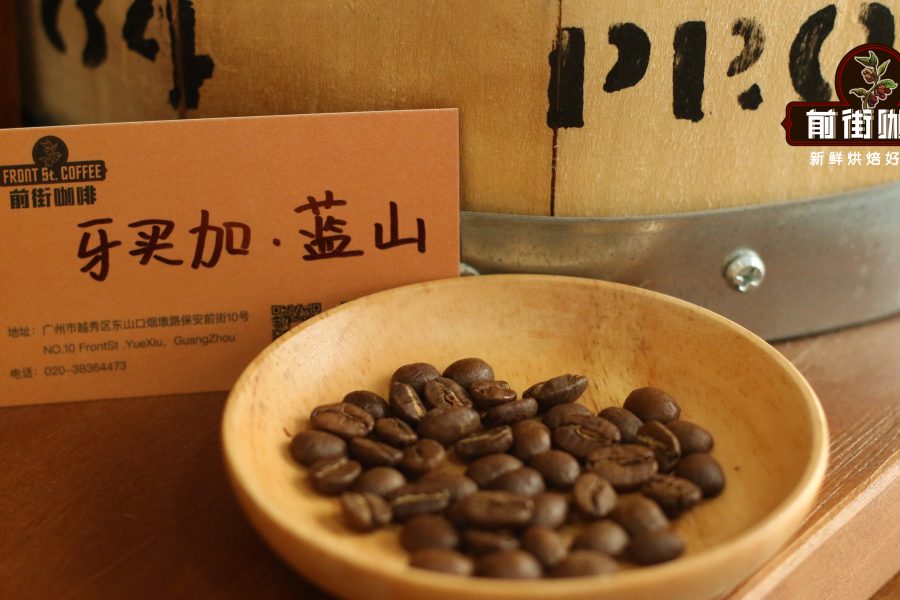
The grading of Blue Mountain coffee is equally detailed. Blue Mountain No. 1, as the highest grade, requires full, plump green beans, a defect rate below 3%, and moisture content controlled at around 13%. Naturally processed Blue Mountain coffee may carry the Peaberry (PB) grade, while High Mountain coffee has no such classification. To distinguish authenticity, observe the appearance of the green beans: washed Blue Mountain green beans are blue-green and regular in shape; after roasting, the beans are plump and even in color.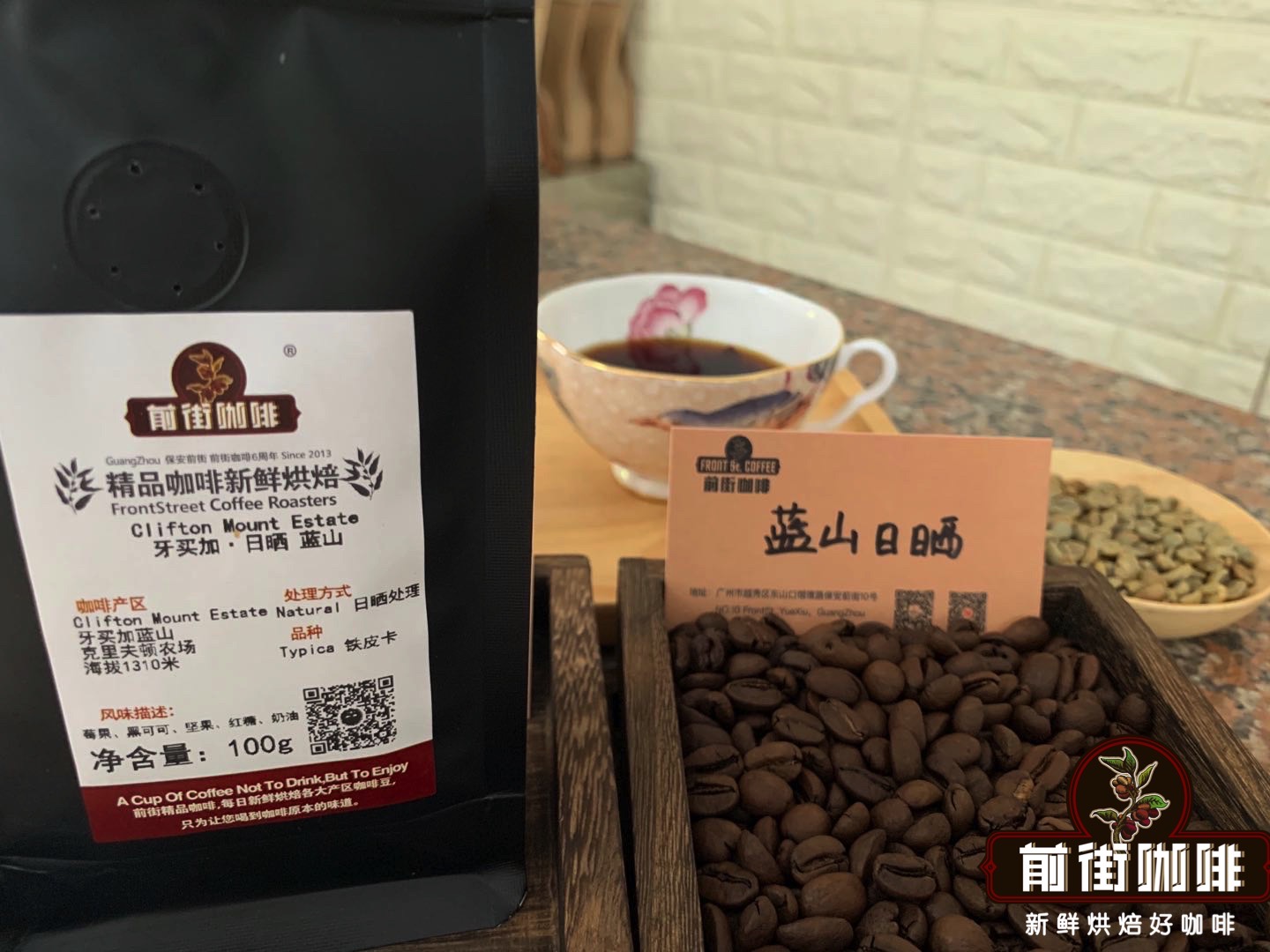 In packaging, genuine Blue Mountain coffee is usually shipped in wooden barrels bearing the Rainforest Alliance certification mark (the frog logo), one of the distinctive features that sets Blue Mountain coffee apart from other origins.
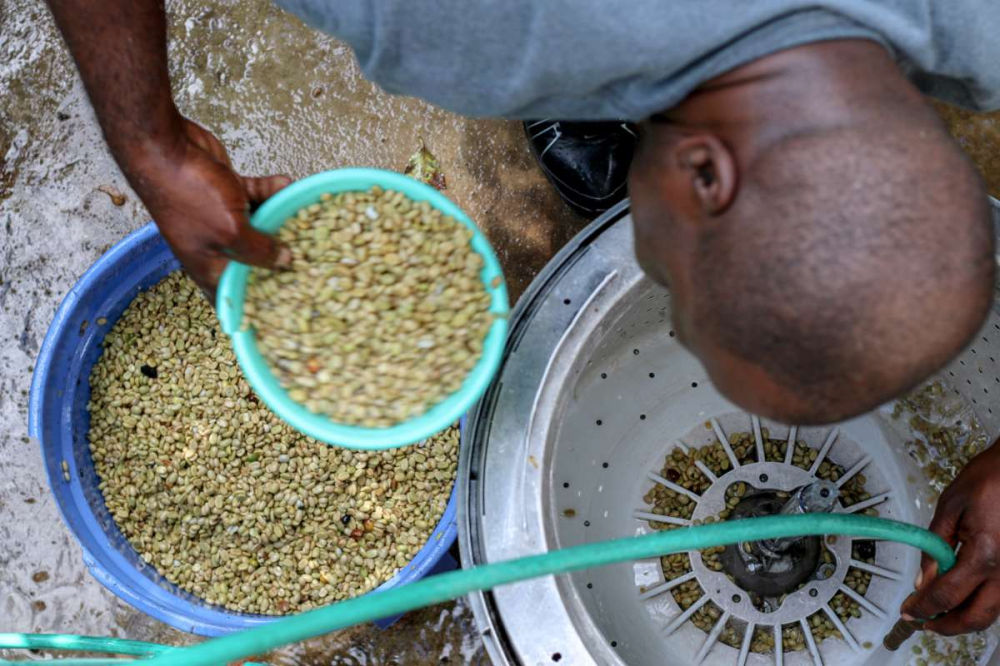
In terms of processing methods, washed processing is the traditional craft of Blue Mountain coffee. After picking, fully ripe red coffee cherries must be depulped within 24 hours, followed by 12–18 hours of fermentation, removing the mucilage layer through water flow and friction. The processed beans are still wrapped in the parchment layer, with a moisture content of about 50%, and must be slowly dried in the shade to 12–14%. This process requires strict control of temperature and humidity to avoid the risk of mold.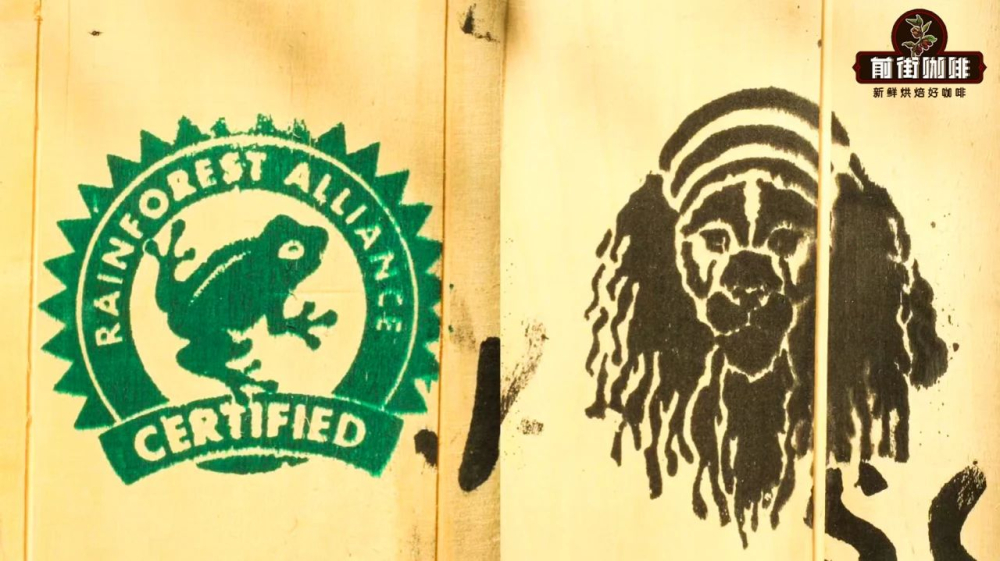 By contrast, natural processing spreads the whole coffee cherries with the pulp out to dry, with moisture content reduced to about 11%; the whole process takes several weeks, during which the cherries must be turned frequently and weather changes closely monitored. This processing method gives the coffee richer sweetness and more complex aroma, but places extremely high demands on the growing environment and craftsmanship.
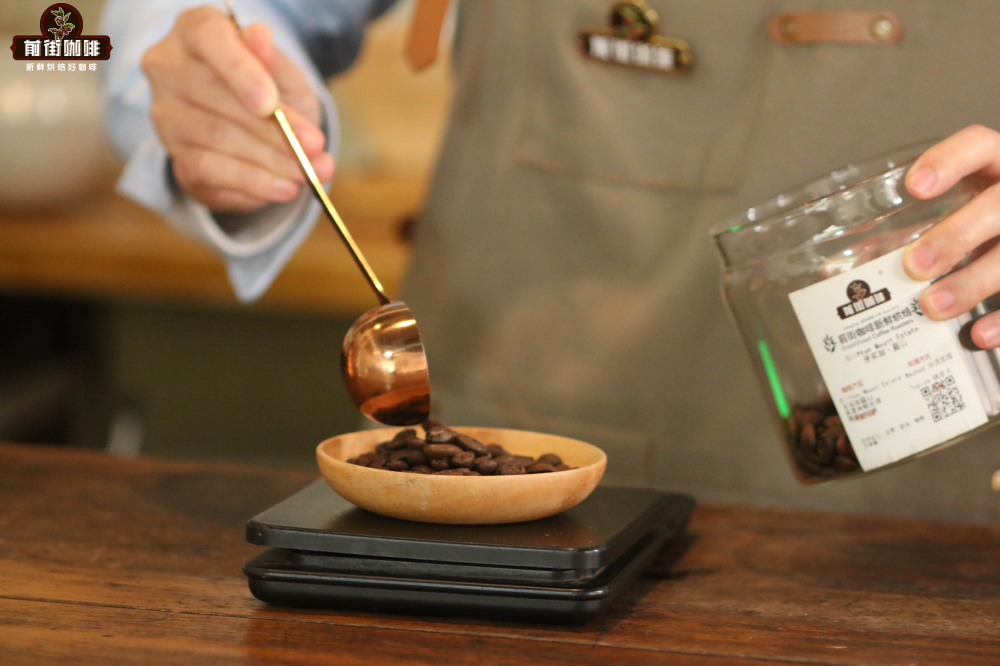
Roast level has a significant effect on the flavor expression of Blue Mountain No. 1. A medium roast (City Roast) highlights its natural nut and chocolate base and balances acidity and bitterness; a dark roast (Full City) enhances body and suits drinkers who prefer a more intense flavor. Over-roasting is not recommended, as it may mask the delicate regional character of Blue Mountain coffee. Whatever roast level is chosen, keeping the beans fresh is crucial; use within 1–2 weeks after roasting for the best flavor expression.
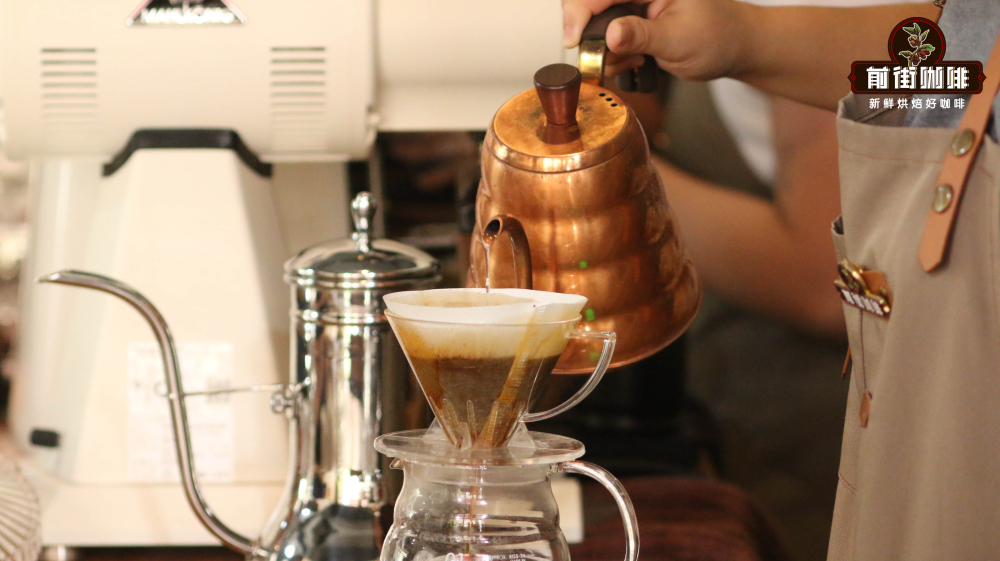
For brewing recommendations, Blue Mountain No. 1 suits a variety of brewing methods. For pour-over, a medium-coarse grind (75% passing a No. 20 sieve), a coffee-to-water ratio of 1:15, and a water temperature of about 87°C are recommended. A staged extraction method effectively reveals its complexity: first bloom with a small amount of hot water to release the aroma, then pour in a thin stream at the center up to 125 g, and after the water level drops, continue pouring to 225 g to complete the extraction. The whole process takes about 2 minutes; keep the flow steady and avoid over-stirring, which would disrupt the coffee bed structure.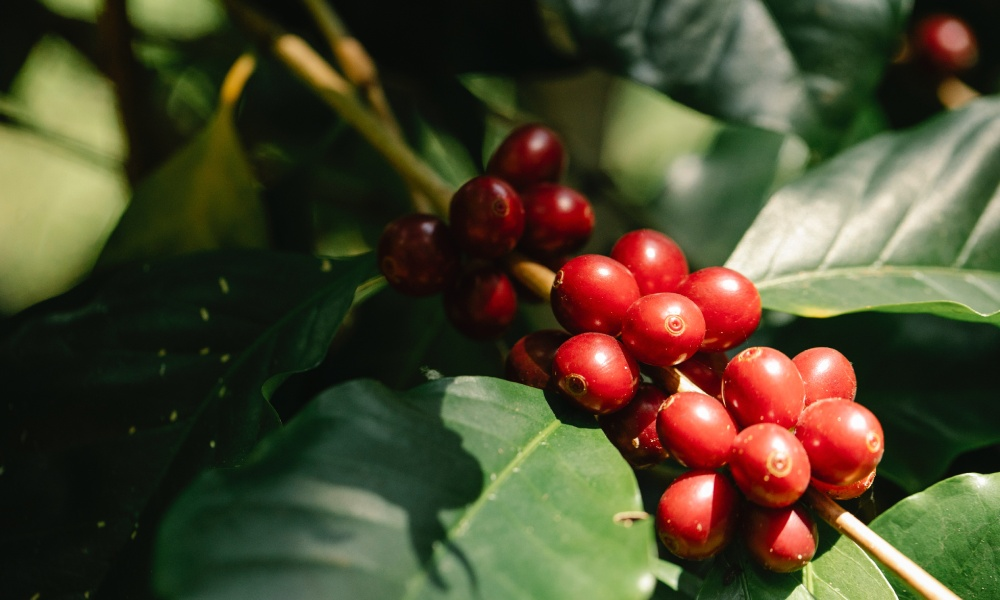
For coffee lovers trying Blue Mountain No. 1 for the first time, it is advisable to start with the washed version, whose clean, bright mouthfeel is easier to accept. The natural version suits drinkers seeking rich flavor variation, whose prominent sweetness and complexity offer a different tasting experience. Whichever processing method is chosen, Blue Mountain No. 1 represents the pinnacle of coffee quality and is worth savoring and appreciating with care.
Overall, Jamaica Blue Mountain No. 1 coffee is not just a beverage but a symbol of coffee culture. From strict origin certification to refined processing, every step reflects an extreme pursuit of quality. By understanding its flavor characteristics, processing differences and brewing essentials, coffee lovers can more deeply appreciate the unique charm of this world-class coffee.