Blue Mountain Coffee for Weight Loss? Grading, Buying and Pour-Over Guide
Introduction: Does Blue Mountain coffee really help with weight loss? How can you tell authentic beans apart and choose the right grade? This article examines the relationship between caffeine and metabolism from a scientific perspective, explains Jamaica's official certification system, walks you through the grade differences from Blue Mountain No.1 to peaberry and the standards for comparing high-mountain growing regions, and provides professional pour-over parameters and a flavor guide to help you understand this top-tier coffee.
The question of whether coffee can aid weight loss has always been controversial. Some argue that drinking five cups of black coffee a day can produce significant weight loss in a short period, while opponents point out that sugary milk coffee drinks may actually lead to excess calorie intake. In fact, caffeine works by accelerating metabolism and fat breakdown, and it is the unflavored, high-concentration black coffee that matters. So does Blue Mountain coffee, hailed as the 'king of coffee,' have any special fat-reducing effect? The answer starts with the science of how to drink it.
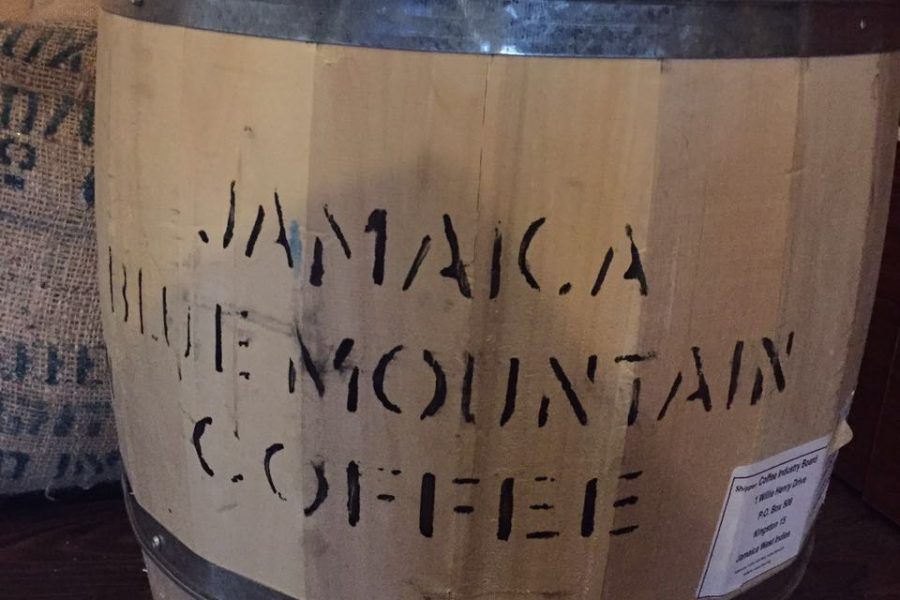
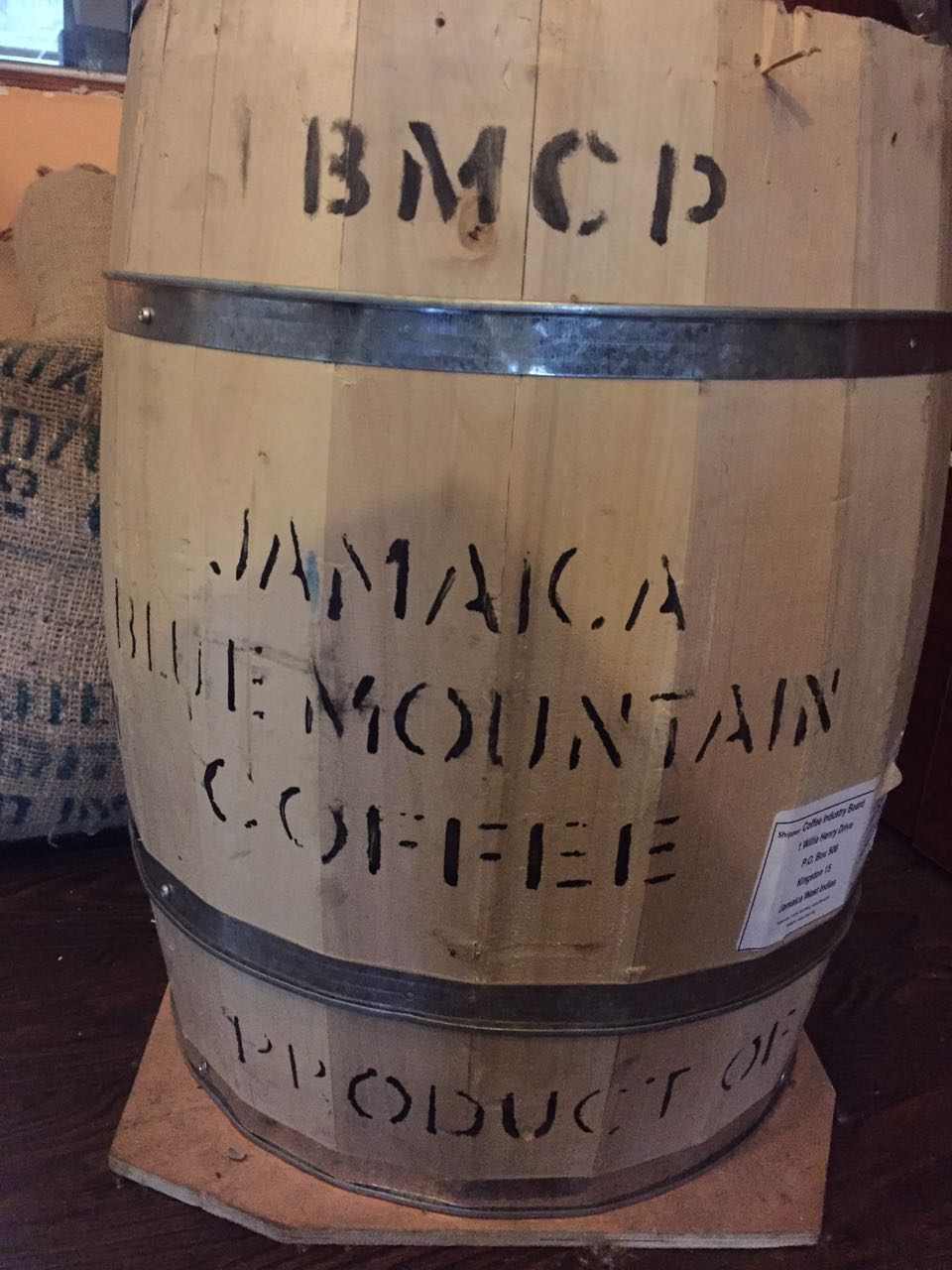
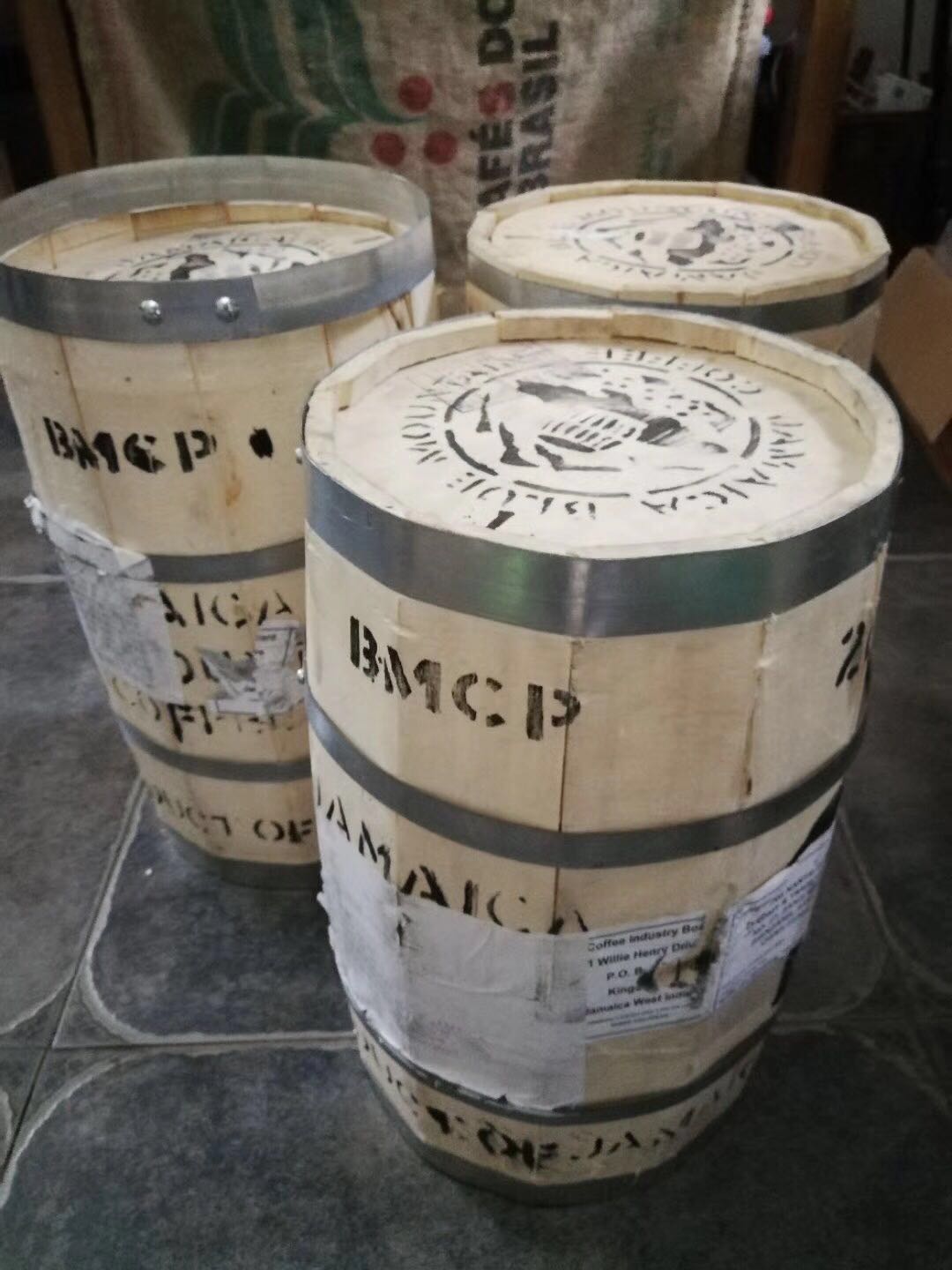
For ordinary consumers, getting authentic Blue Mountain coffee was once a challenge. In the early days, import channels were restricted, and Blue Mountain products circulating in the domestic market amounted to less than a fraction of global consumption, which gave rise to the widespread rumor that 'all domestic Blue Mountain is fake.' But with the opening of official Jamaican channels, authentic products can now be purchased through authorized agents. When buying, focus on two core marks: the CIB certification badge and the Jamaica Blue Mountain™ trademark, and verify the authorized company's credentials on the Jamaica Coffee Industry Board's official website. For bulk coffee, check the accompanying certificate of origin for the 70 kg wooden barrel.
As the world's only product restricted to a legally defined growing area, true Blue Mountain coffee comes only from a narrow strip of the Blue Mountain range above 671 meters (2,200 feet). Coffee packaged from this area must bear the circular Blue Mountain certification mark, and barrel-packed products must also carry an official certificate of origin. Note that coffee grown below 671 meters is prohibited from using the trademark, though some products from well-known companies such as UCC are exempt under historical cooperation agreements.
The Jamaica Coffee Industry Board (CIB), a government agency, not only regulates standards across the entire industry chain but also owns core assets such as the Wallenford estate. Its grading system divides Blue Mountain coffee into six main grades: top-grade Blue Mountain No.1 is screened with S-17/18 screens and has a defect rate below 2%; No.2 and No.3 correspond to S-16/17 and S-15/16 screens respectively, with sizes decreasing grade by grade but quality standards remaining the same; the rare Blue Mountain peaberry consists of more than 96% round male beans, and its flavor is often considered to surpass that of the regular grades. In addition, the mixed grade Triage allows a 4% defect rate, while High Mountain, Jamaica Prime and Jamaica Select are quality alternatives from non-designated growing areas.
Historical records show that a 1972 trade agreement between Jamaica and Japan once stipulated that 90% of the Blue Mountain coffee quota would supply the Japanese market, a special arrangement that made Japan the largest importer. Despite this regional tilt, consumers worldwide can still have the chance to taste this rare coffee through legitimate international trade channels. When buying, it is advisable to give priority to companies listed as authorized exporters on the CIB's official website to ensure reliable traceability.
Professional roasters recommend a medium-dark roast for Blue Mountain beans, which brings out a complex aroma of roasted peanuts, hazelnuts and honey, combined with an oolong tea-like finish to form a unique layering of flavors. The brewing stage is especially critical; a siphon is recommended with a medium-fine grind (Japanese standard No. 4 screen) and water precisely controlled at 88°C. If using an AeroPress, first pre-adjust the water to 90°C and then let it drop to the target range, pour in the water, let it sit for 30 seconds, then slowly press for 20 seconds; this method effectively balances acidity and bitterness and highlights the full-bodied texture.
For home users, the French press and drip methods are alternatives: the former requires a coarse grind and attention to filter residue, while the latter is best with water at 80-85°C and a medium grind. In particular, avoid high-temperature steam espresso machines and high-pressure pump equipment, which tend to cause over-extraction and upset the flavor balance. Measured data show that when the water temperature exceeds 90°C or the steeping time exceeds 4 minutes, the release of bitter compounds in the coffee increases by 37%, seriously affecting the drinking experience.
From a sensory perspective, high-quality Blue Mountain coffee when served hot shows pronounced caramel and dark chocolate aromas; on the palate, sugarcane sweetness intertwines with a honeyed sheen, and a fresh oolong tea-like finish lingers in the throat. As it cools to room temperature, a syrupy, viscous texture gradually emerges, and visible sugar crystals can be seen clinging to the cup wall. This multi-layered flavor evolution is precisely the core characteristic that sets it apart from ordinary commercial beans.
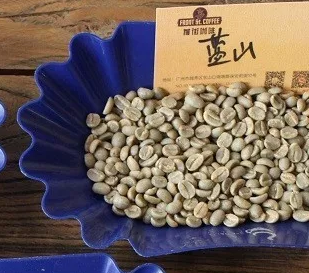
As for its varietal origins, modern Blue Mountain coffee descends from the Typica genetic line. After this native variety was brought from Ethiopia to Yemen, it spread along global growing belts via the Dutch East India Company and eventually produced a unique variant in Jamaica's special microclimate. Its bean shape retains the typical flat, oval characteristics of Typica, with thickness differences of less than 0.3 mm across growing areas at different altitudes—a physical trait that serves as one auxiliary indicator of authenticity.