Arabica Coffee Varieties: Mandheling, Blue Mountain and Typica Pour-Over Flavor Guide
Introduction: An in-depth analysis of the three classic Arabica coffee varieties—Typica, Mandheling and Blue Mountain—covering their genetic origins and flavor differences, with a detailed explanation of how pour-over extraction parameters affect flavor. From high-altitude growing characteristics to shortcomings in disease resistance, from the full-bodied finish of Golden Mandheling to the balanced mouthfeel of Jamaican Blue Mountain, professional-level brewing plans and flavor wheel descriptions help you precisely choose the coffee variety that suits you.
Although there are many varieties of Arabica coffee worldwide, the genes of most can be traced back to the ancient Typica landrace. This coffee tree species, originating in Ethiopia, develops a unique floral-fruity aroma and clean sweetness when grown at altitudes above 1000 meters, and its top leaves show a signature reddish-copper color. However, Typica has fatal flaws: weak disease resistance and low yield—leaf rust, after ravaging East Africa from 1861 onward, caused the variety's global planted area to plummet. Today pure bloodlines can be found only in specific producing regions such as Indonesia and Jamaica, and its derivative varieties such as Blue Mountain coffee and Hawaiian Kona have, by virtue of regional microclimates, become top benchmarks in the coffee world.
The Typica subspecies within the Typica family is distinguished from Bourbon's round bean shape by its pointed, slender, tapered beans. Its flavor profile shows clean sweetness and a high degree of balance, but it depends on meticulous management: the upright tree form, reaching up to 5 meters, lengthens the spacing between branches, and the bright red fruit has a long ripening cycle. Typical growing regions such as Jamaica's Blue Mountain range, relying on volcanic soil and an average annual rainfall of 2000 mm, produce the world's highest-priced Typica derivative. Notably, Typica's leaves are smooth with few wrinkles, and the bronze color of its young shoots makes it an important basis for farmers to identify the variety.
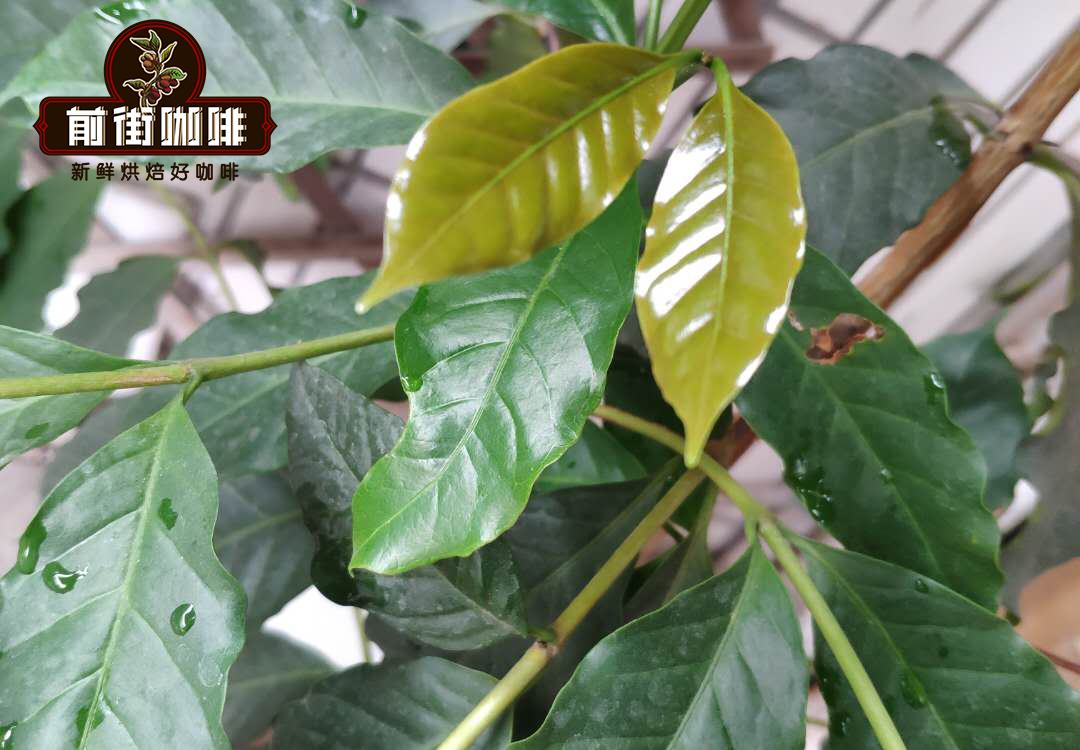
Leaf rust, which threatens the Arabica growing industry, is actually a fungal infection caused by the coffee leaf rust fungus. After an outbreak in Sri Lanka in 1867 devastated the coffee industry, the disease has spread to all major producing regions in Africa and the Americas. Spores can spread through air currents, rain, and even farm tools; in the early stage of infection, yellow spots appear on the leaves, and later they are covered with rust-colored powder. Although modern disease-resistant breeding has made progress, traditional Typica varieties still require shade growing and regular fungicide control, which keeps their cultivation costs high.
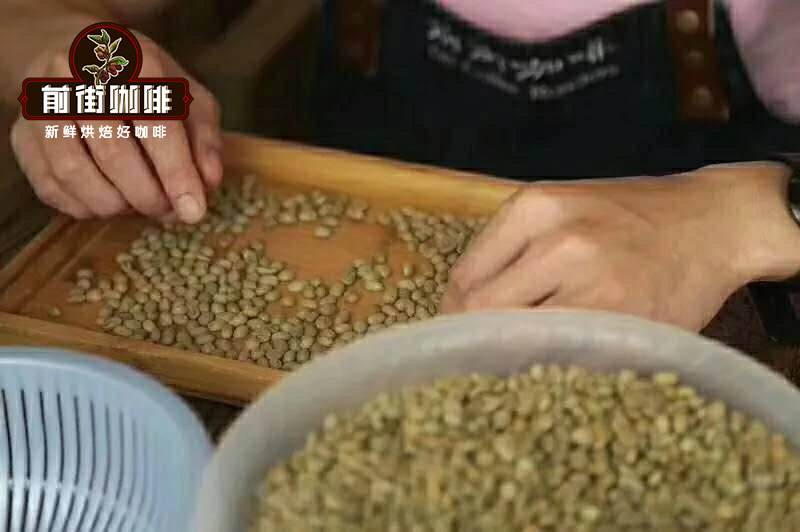
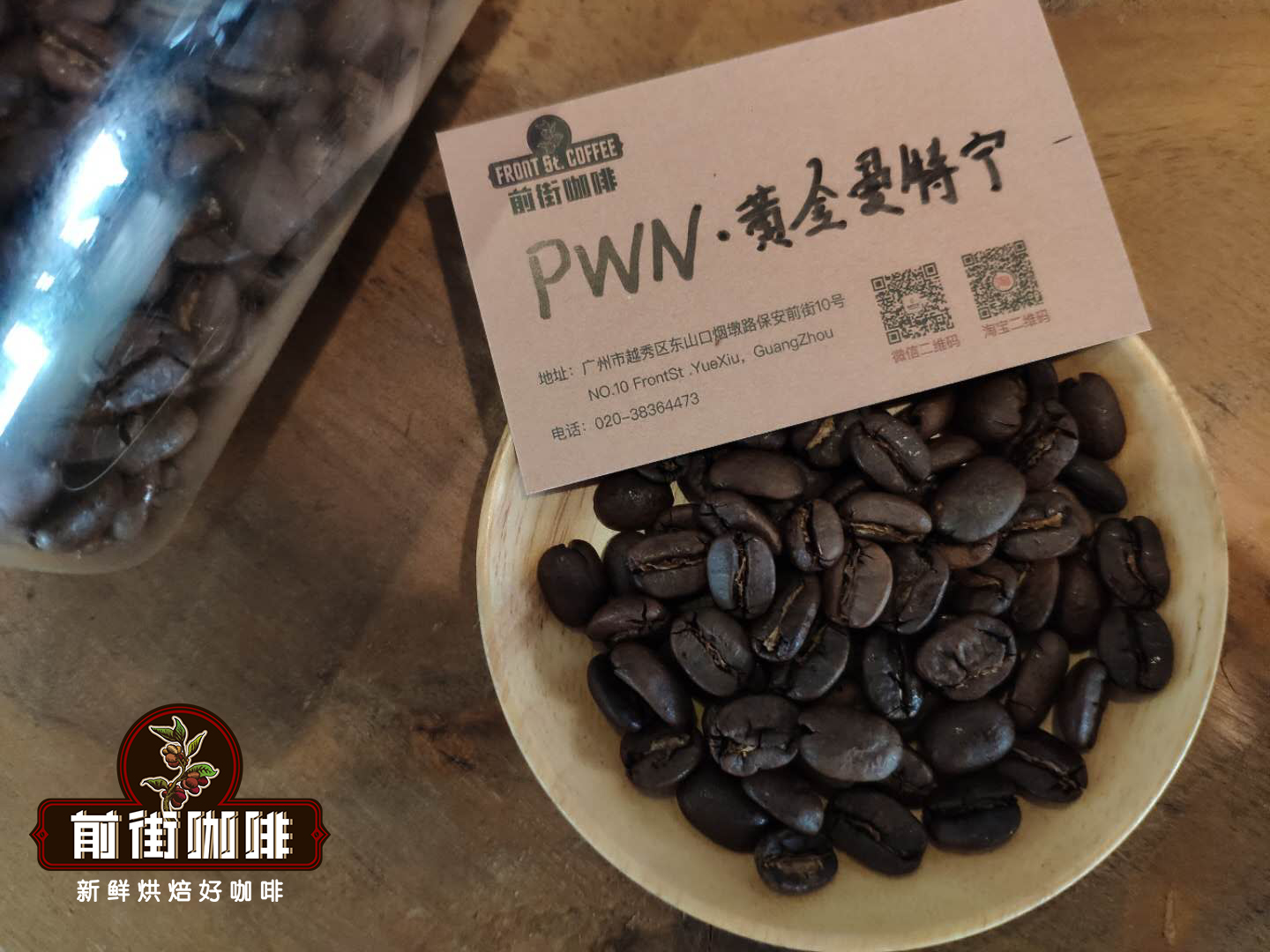
Indonesian Golden Mandheling, an improved variety of Typica, follows strict G1 grade screening standards: fewer than 3 defective beans per 300-gram batch of green beans, and bean size over 18 screen. After hand removal of inferior beans, its earthy, muddy notes are significantly reduced, giving way to caramel sweetness and piney tones. For pour-over, a KONO dripper is recommended: 85-88°C water with a medium grind (65% passing a Chinese standard No. 20 sieve), pour in stages with a 30-gram bloom for 30 seconds, then a thin stream in circles up to 227 grams to complete extraction, with total time strictly controlled at 2 minutes. The final flavor layers show toasted bread, a cocoa finish and lingering sugarcane sweetness.
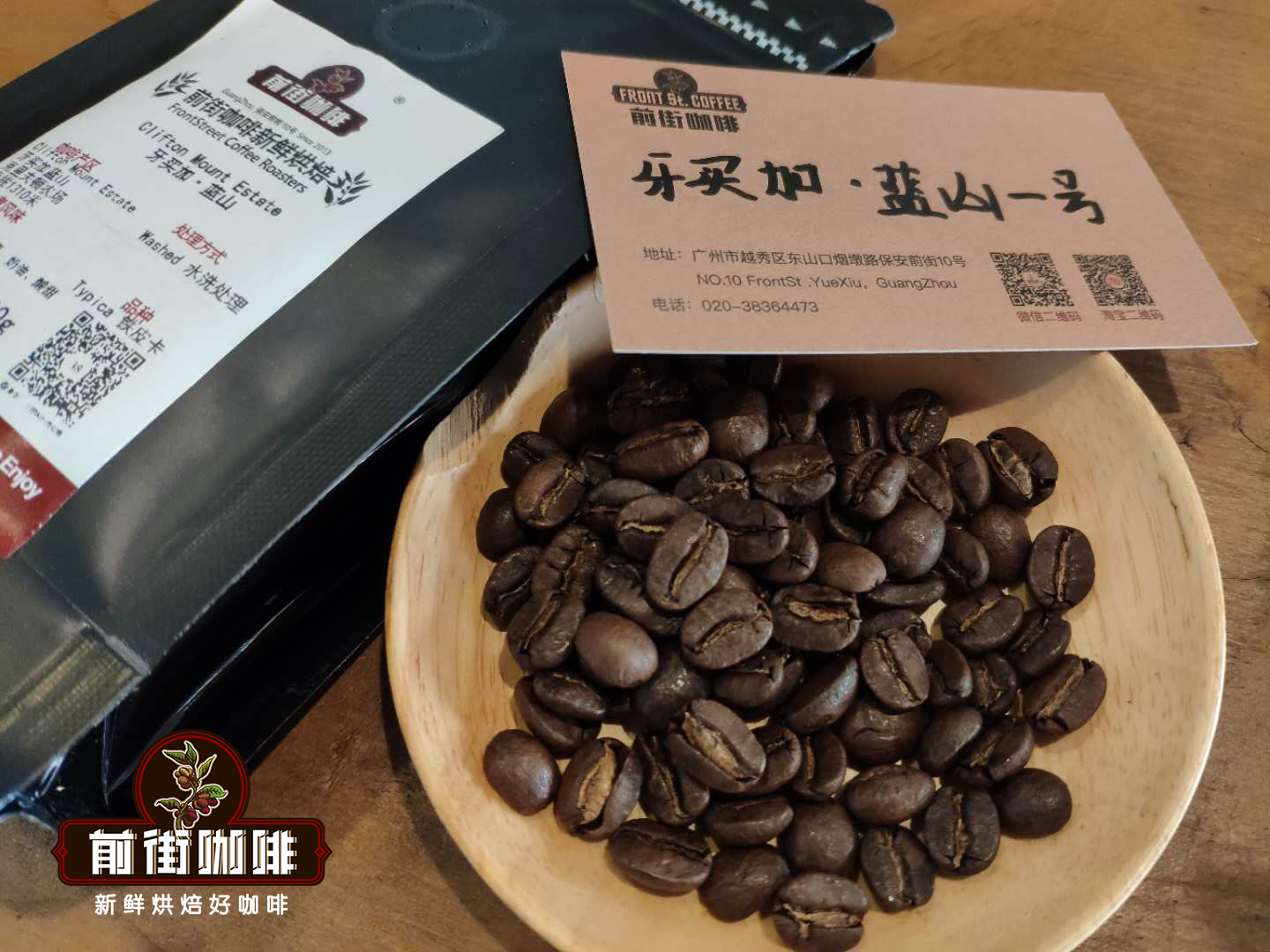
The legend of Jamaican Blue Mountain coffee stems from the microclimate at 1200-1700 meters in the Blue Mountain range: the temperature difference between day and night drives a slow ripening period, and the volcanic rock soil is rich in potassium. Authentic Blue Mountain beans must be exported in wooden barrels, and the flavor shows a rare absolute balance—no single flavor stands out, yet brightness of acidity and body achieve an exquisite harmony. Recommended professional brewing parameters: 87-88°C water with a 1:15 coffee-to-water ratio; when pouring in stages with a V60 dripper, pay attention to the rhythm of the second pour of 95 grams of water to avoid over-extraction and astringency. Its signature flavor wheel includes mild citrus acidity, a dark chocolate finish and a creamy texture.
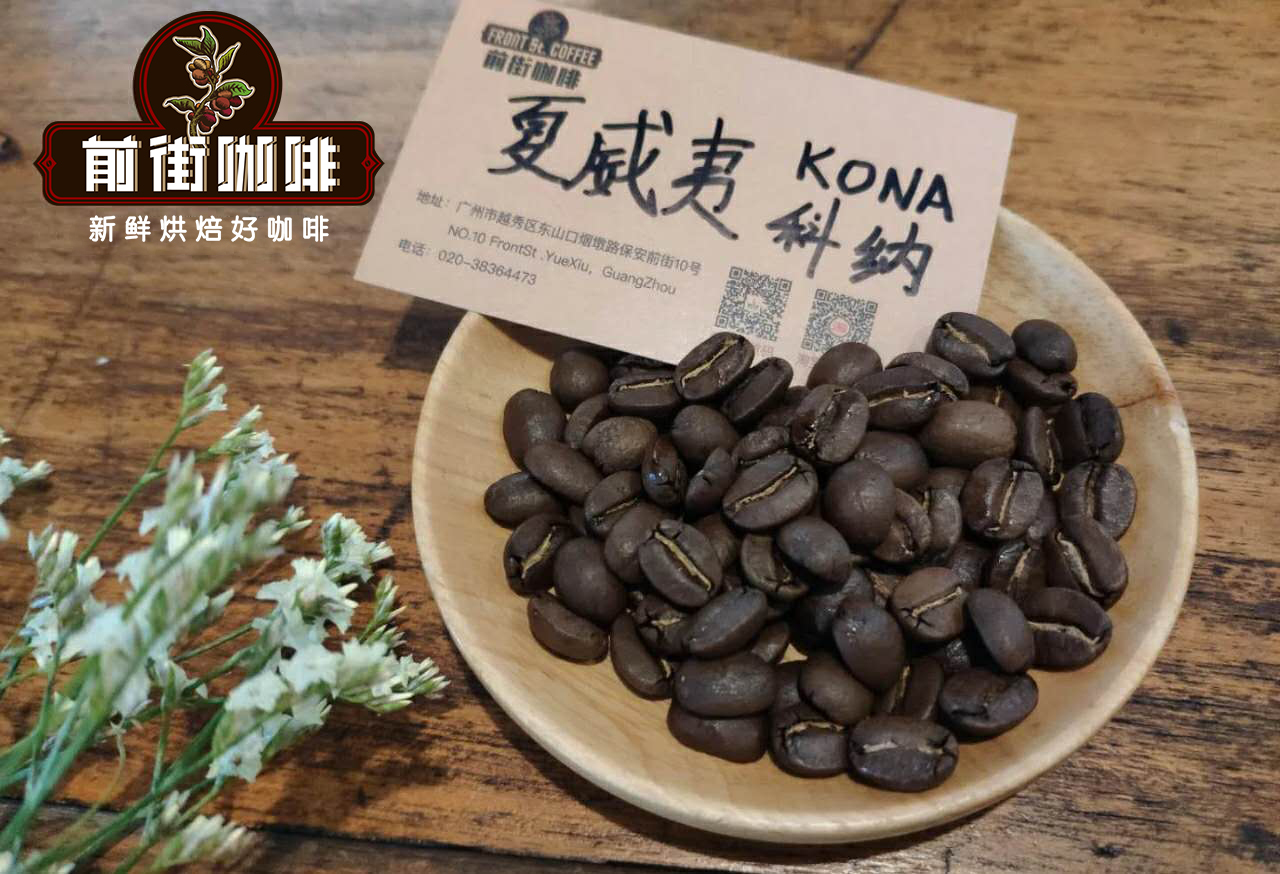
Hawaiian Kona coffee relies on the unique nutrients of Kilauea volcanic soil, and hand picking ensures consistent ripeness of every cherry. Before export, green beans must bear a Department of Agriculture certification number, and hand washing gives it a silky-smooth mouthfeel. Brewing with 87-88°C water and 225 grams of staged water volume effectively highlights the synergy of nutty aroma and berry tones. Flavor descriptions often include caramel sweetness, plum acidity and a delicate prune aroma, and its overall cleanliness ranks among the top of the Typica family.
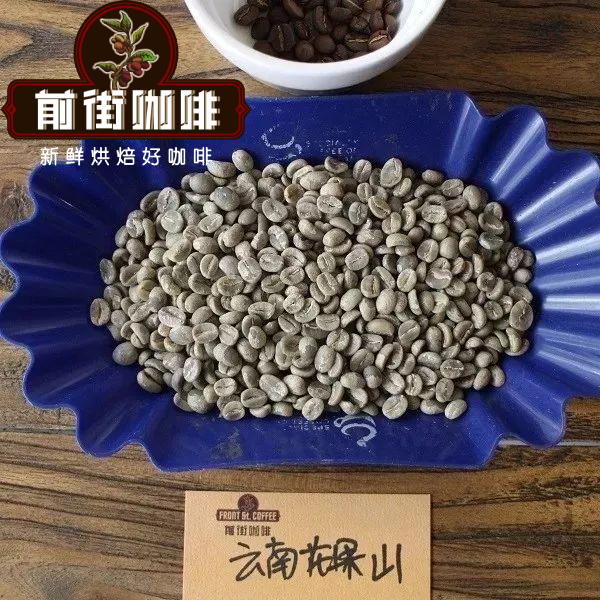
The original Typica landrace shows unique adaptability in Yunnan producing regions when wet-processed: under medium roast (Agtron value 65±3), nutty and brown sugar base notes are especially prominent. With a V60 dripper and 88-89°C water, melon-fruit aroma and a black tea finish form an interesting contrast. Note that the Yunnan region has a small day-night temperature difference; it is recommended to extend the resting period to more than 14 days to develop a complete flavor matrix. Compared with the Catimor variety, the sucrose sweetness of the Typica line is more restrained, but its black-tea-like full-bodied texture has greater aging potential.
Bourbon, a natural mutation of Typica, has become the mainstream of commercial cultivation thanks to its round bean shape and higher yield. Red Bourbon in areas above 1500 meters often shows wine-like bright acidity and rose floral aroma. Yellow Bourbon is a mutation discovered in Brazil in the 1930s; after the yellow fruit ripens, pectin and sugar accumulation is more concentrated, but its resistance to wind and rain is weaker. Recommended professional brewing plan: Yellow Bourbon suits a medium grind through a No. 20 sieve; after a 30-gram bloom, use pulse pouring, focusing on capturing the balance between caramel sweetness and nutty flavor.
The current resurgence in demand for Typica-line varieties in the specialty coffee market stems from consumers' pursuit of complex flavors. Whether it is the full-bodied finish of Golden Mandheling or the absolute balance of Blue Mountain coffee, both require precise control of extraction parameters. Beginners are advised to start with a medium-roast Typica, adjusting water temperature (±2°C) and grind size (±5% sieve pass rate) to observe flavor evolution and gradually build a systematic understanding of Arabica variety characteristics.