Pour-Over Circular Pouring Techniques: Balancing Flow Rate and Extraction
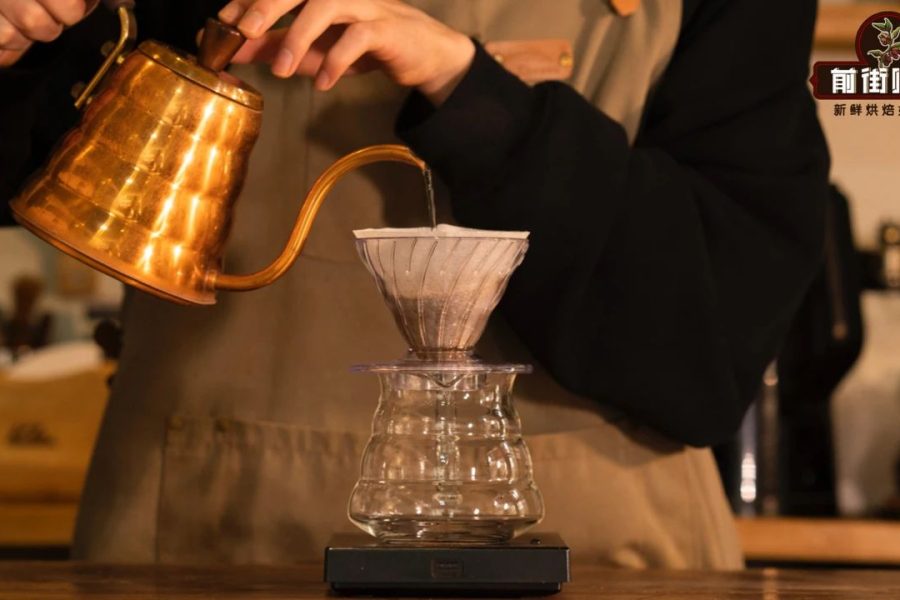
Introduction: Mastering the circular pouring technique in pour-over coffee is key to improving extraction quality. This article analyzes in depth how flow rate and pouring speed affect coffee strength, mouthfeel and flavor layers, and reveals the actual effects of different parameter combinations through comparison experiments. From the pouring basics every beginner must learn to professional-level parameter adjustment techniques, it helps you precisely control the flavor performance of every cup.
In the practice of pour-over coffee, water flow control and circular pouring directly affect the final extraction result. When other variables are held constant, a fine stream keeps the coffee bed thicker, prolongs contact time between water and grounds, and produces a coffee with higher strength and a full mouthfeel; a strong stream, with its powerful impact, thins the bed, speeds up the flow and shortens extraction time, bringing a cleaner, purer flavor expression.
Pouring speed is equally crucial: fast circular pouring enhances the scouring action of water on the coffee grounds and significantly raises extraction efficiency; slow circular pouring weakens the scouring force and lowers extraction intensity. This gives rise to a core question—in theory, a fine stream combined with fast circular pouring can achieve the highest extraction yield, while a strong stream with slow circular pouring maximally suppresses extraction. So how do these two extreme combinations actually perform?
 We selected a coffee bean with distinct fruity character for a controlled experiment (this variety typically shows passion fruit, grape and dried-fruit notes). With the brew ratio fixed, we brewed separately using fine stream with slow circular pouring and strong stream with fast circular pouring, revealing through comparison the mechanism by which parameter adjustments affect flavor.
The experimental parameters were set as follows: 15 grams of coffee grounds, brew ratio 1:15, grind size fine enough that 80% passes a No. 20 standard sieve, water temperature controlled at 91°C. Both methods followed the same staged pouring process: first a 30-gram bloom for 30 seconds, then continued pouring to 125 grams and pausing, and after the bed had dropped about halfway, continued pouring to 225 grams to complete extraction.
 In the fine-stream slow scheme, the initial stage used an average flow rate of 4 grams per second and a pace of one circle every 4 seconds, pouring in circles from the center outward, with a final extraction time of 2 minutes. This delicate operation let the water evenly saturate the coffee bed, forming a stable and sustained extraction environment. Experimental data showed that under these parameters the coffee strength was 1.37%, presenting intense strawberry fruit aroma, rich strawberry-jam sweetness, a creamy smooth mouthfeel, and a long finish with notes of liqueur chocolate.
 By contrast, the strong-stream fast scheme used a high flow rate of 6 grams per second and a fast circular rhythm of one circle per second, compressing total extraction time to 1 minute 40 seconds. The powerful water impact made the bed expand quickly and accelerated drainage; although this effectively lowered the overall extraction yield, it created distinctly different flavor characteristics: the coffee at 1.28% strength showed a fresh fermented aroma, paired with light berry sweetness, and an elegant black tea note in the finish, with an overall crisp and clear mouthfeel.
 These two comparison experiments confirm the direct link between water flow dynamics and extraction efficiency. A fine stream with slow circular pouring, by prolonging water-ground contact time, achieves full extraction of flavor compounds and suits drinking scenarios that pursue a full mouthfeel and complex layers; a strong stream with fast circular pouring, though sacrificing some extraction yield, can highlight the coffee's fresh character and is especially suitable for light-roast beans or brewing needs that require reducing bitterness.
For beginners, it is recommended to start practicing with a medium flow rate (5-6 grams per second) and a moderate pouring speed (2-3 seconds per circle), gradually building the ability to perceive the bed's expansion state and the water's penetrating power. Special note: with a coarse grind, pairing an overly fast stream may cause under-extraction; while an excessive pursuit of slow circular pouring may trigger channeling and affect extraction uniformity. By continuously observing changes in the bed and adjusting the pouring rhythm, every coffee lover can find their own flavor balance point.