Top 10 Specialty Coffee Beans: Pour-Over Arabica Flavor & Origin Guide

Introduction: From Jamaica Blue Mountain to Ethiopia Yirgacheffe, this article selects 10 specialty coffee beans from renowned origins worldwide, covering mainstream processing methods such as washed, natural, and anaerobic fermentation. It details the altitude, variety, flavor characteristics, and brewing suggestions for each bean, and explains the core differences between Arabica and Robusta, helping you choose beans precisely according to your taste preferences.

With the spread of specialty coffee culture, consumers often find it difficult to choose among hundreds of coffee beans from various origins worldwide. This article focuses on single-origin Arabica beans suitable for pour-over, systematically analyzing everything from growing altitude and processing techniques to flavor layers, and includes authenticity identification tips and brewing parameter references.
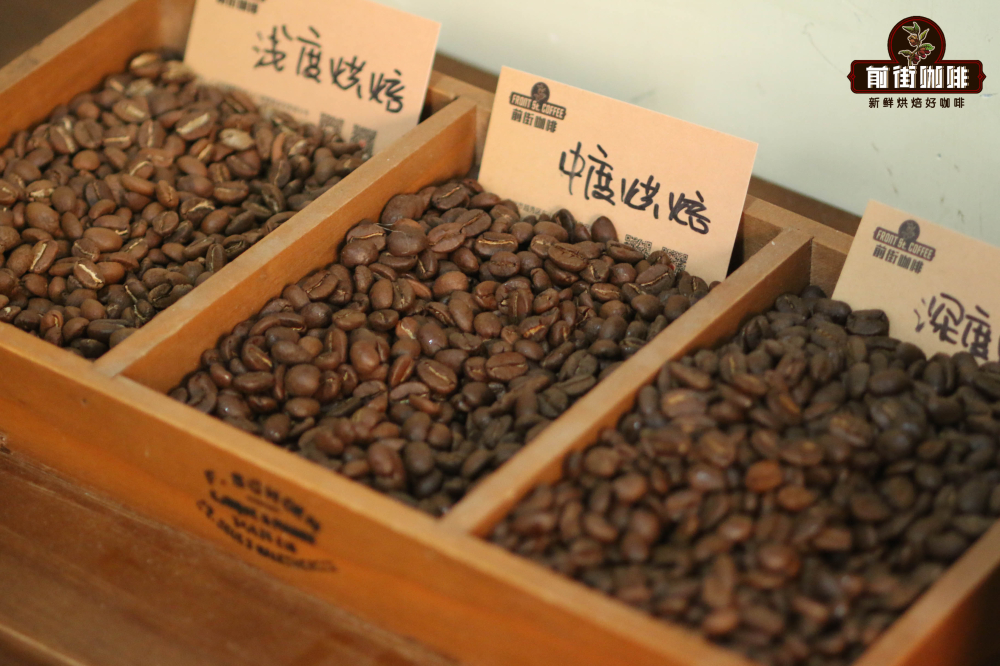
What is specialty coffee? Specialty coffee specifically refers to high-quality Arabica beans from a single origin with a traceable source, whose flavor complexity is significantly higher than that of commercial beans. 90% of the world's specialty coffee uses the Arabica species, which needs to grow in high mountain areas at altitudes of 1000-2000 meters; the environment of large temperature differences between day and night and even rainfall allows it to accumulate richer sugars and aromatic substances.
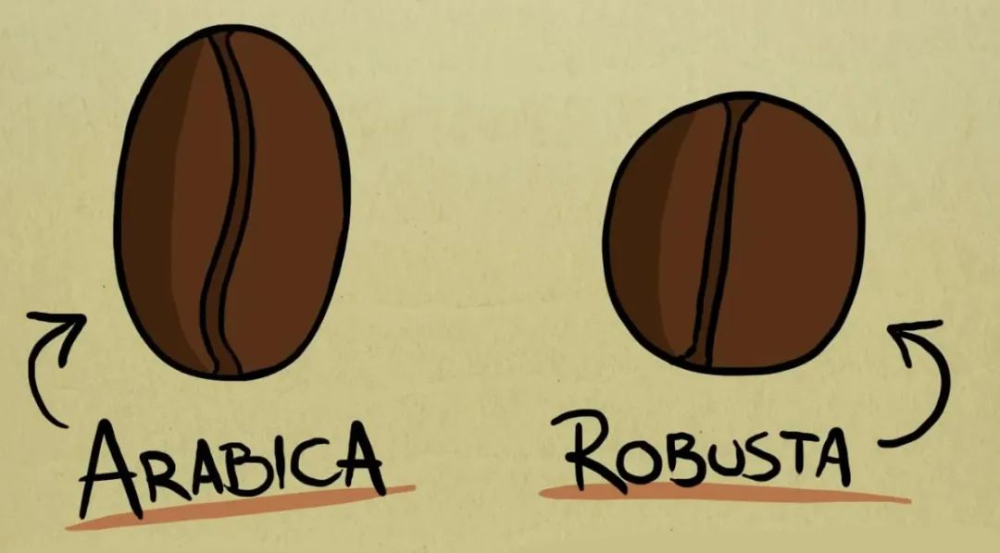
Core differences between Arabica vs Robusta: Arabica has a caffeine content of only 1.2%-1.5%, with bright acidity and fine oils; Robusta adapts to low-altitude cultivation (400-800 meters), with caffeine as high as 2.7%, and its prominent bitterness is often used in espresso blends. Professional roasters recommend prioritizing Arabica beans with an SCA score of 80 or above for pour-over.
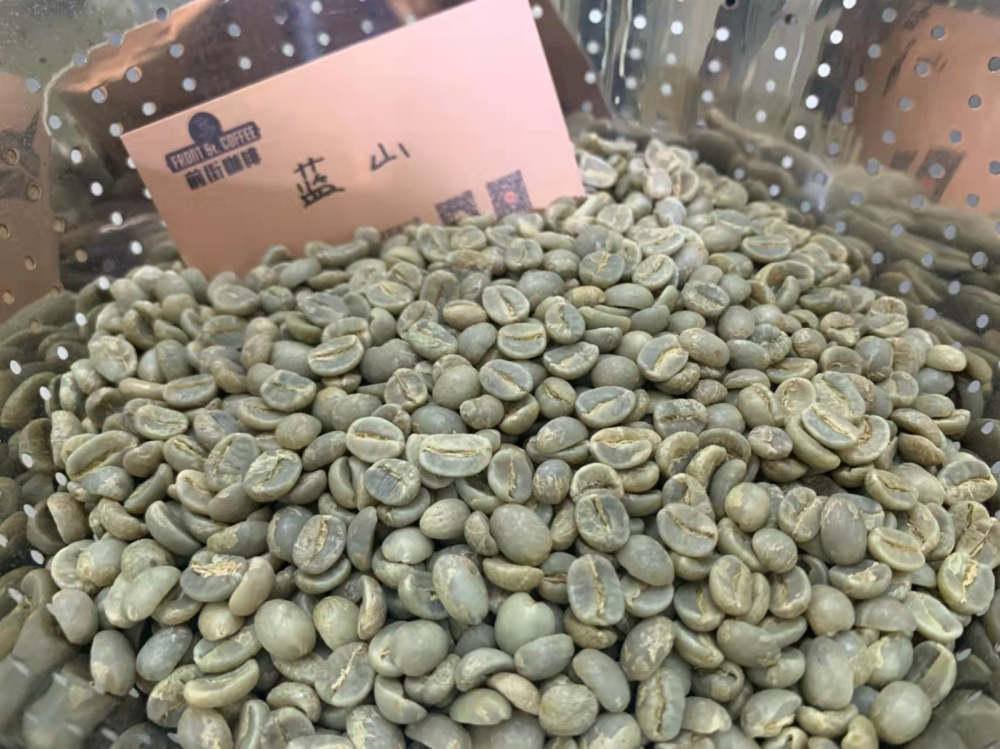
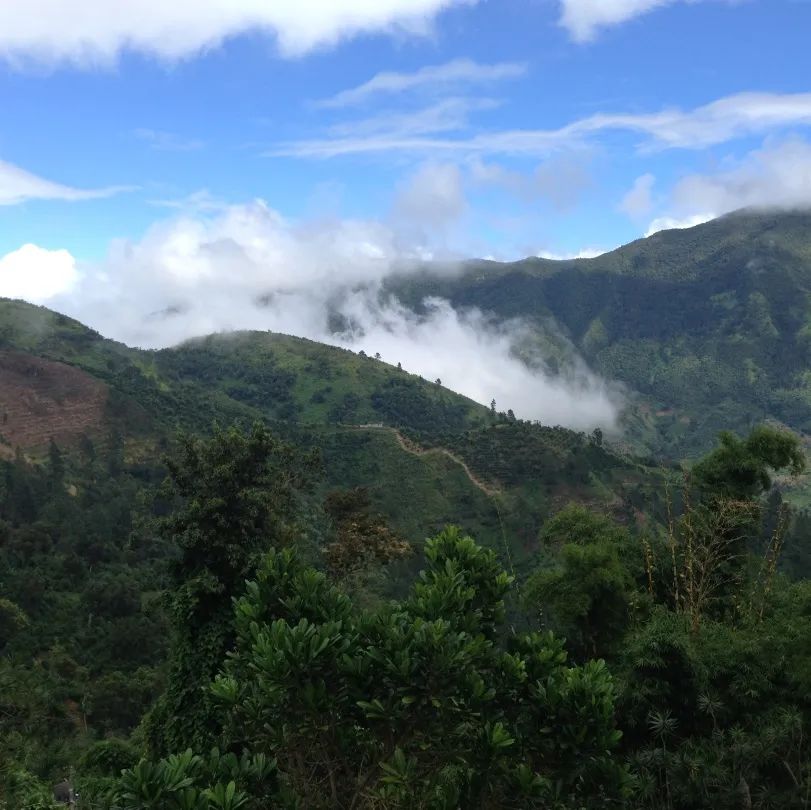
Jamaica Blue Mountain Coffee Beans 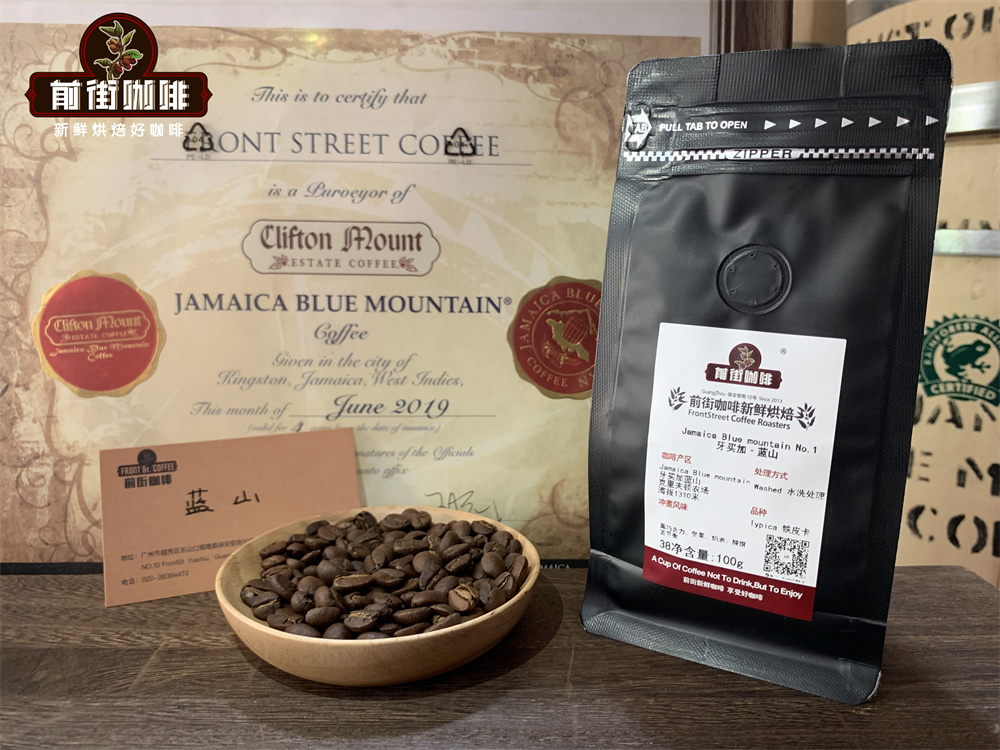 Origin: Blue Mountain Range (15°N golden belt)
Altitude: 1310 meters | Variety: Typica
Processing: Traditional washed | Flavor: Black chocolate base, nutty finish, balanced acidity and sweetness
Key parameters: Average annual temperature 20°C, annual rainfall 2500mm, volcanic soil rich in minerals.
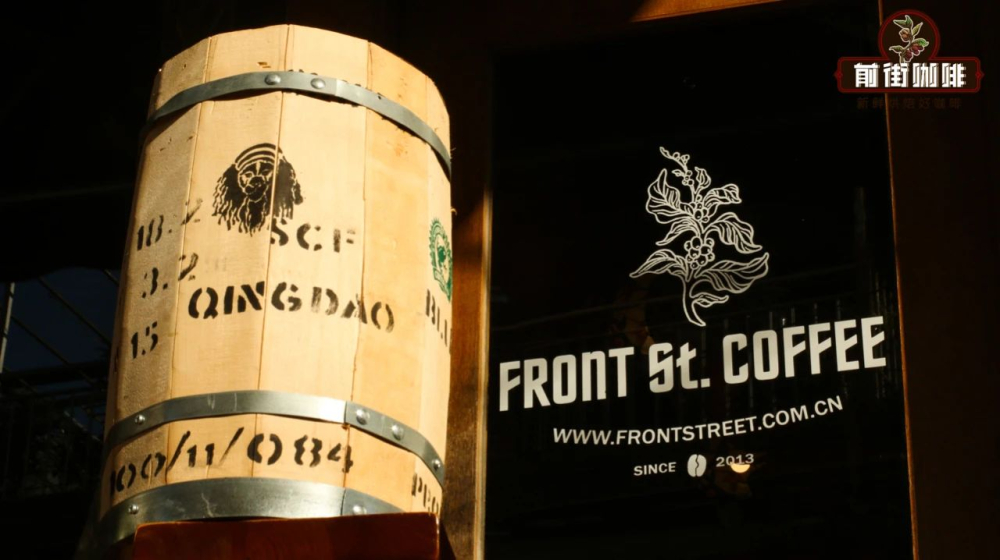
Identification points: Legally imported Blue Mountain beans must carry the Jamaica Blue Mountain® trademark and rainforest-certified wooden barrel packaging.
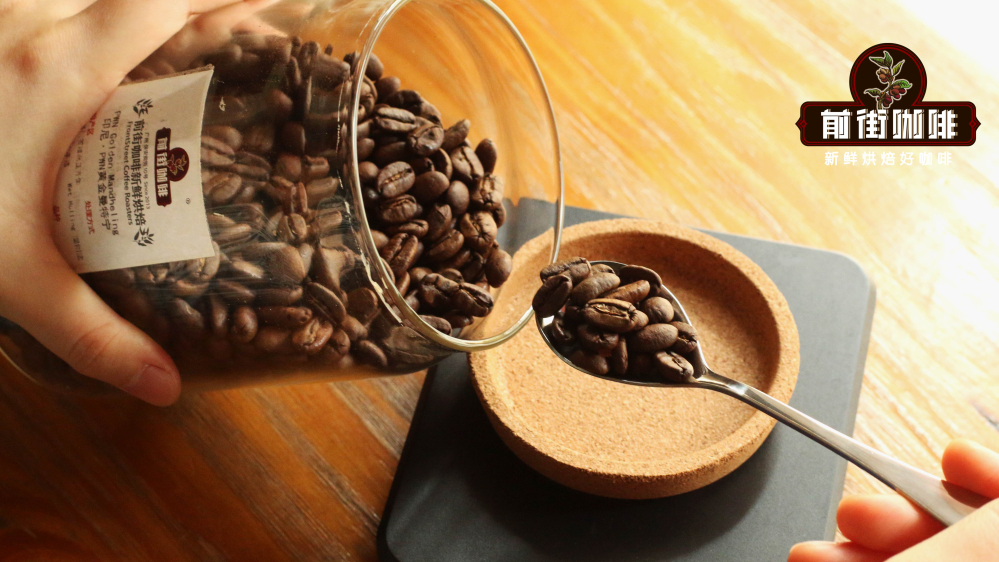
Indonesian Golden Mandheling (Gayo Mountain origin) 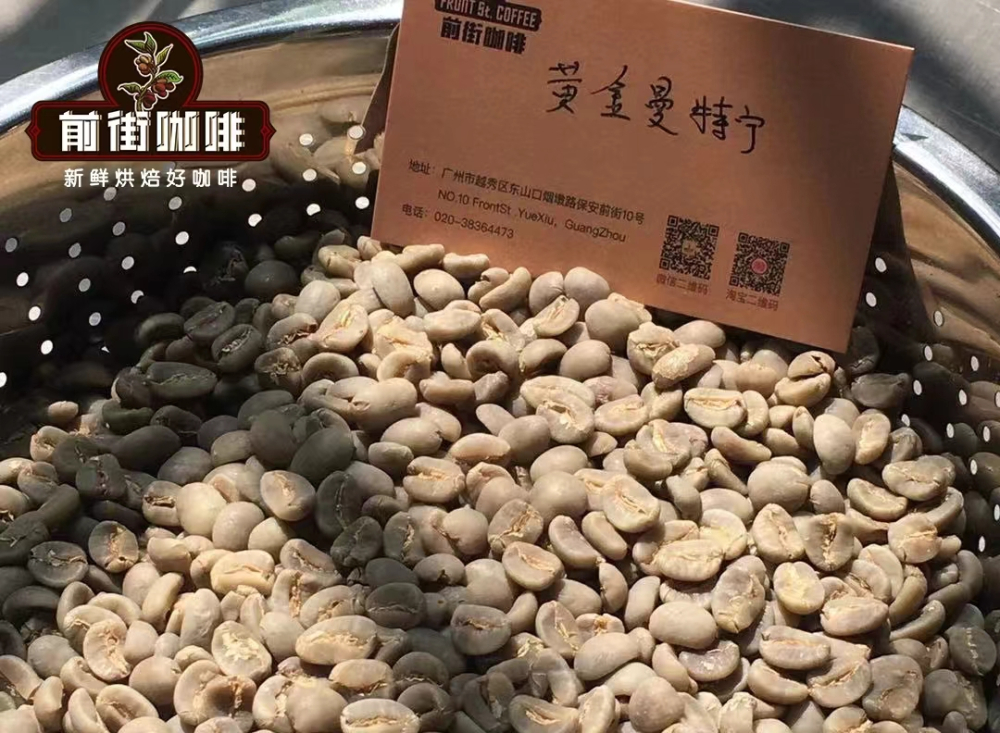 Origin: Aceh Province, Sumatra
Altitude: 1100-1600 meters | Variety: Ateng improved variety
Processing: Wet-hulled | Flavor: Toasted bread aroma dominant, prominent caramel sweetness
Process features: Uses a two-stage drying method (first shade-dried to 30% moisture, then the mucilage layer is removed), giving a unique herbal note.
Notes: Wet-hulled beans have lower density; a slightly coarser grind (medium-fine) is recommended to avoid over-extraction.
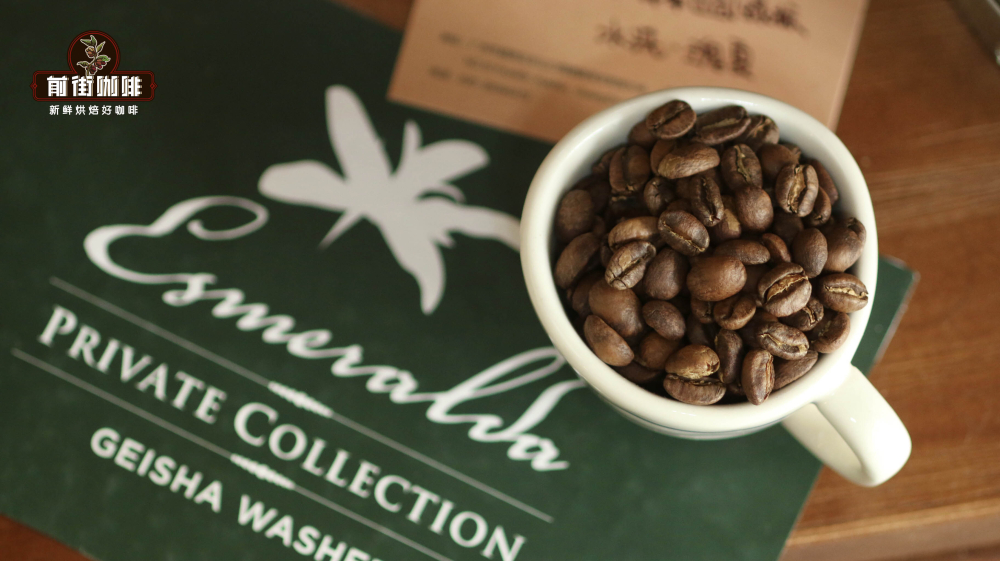
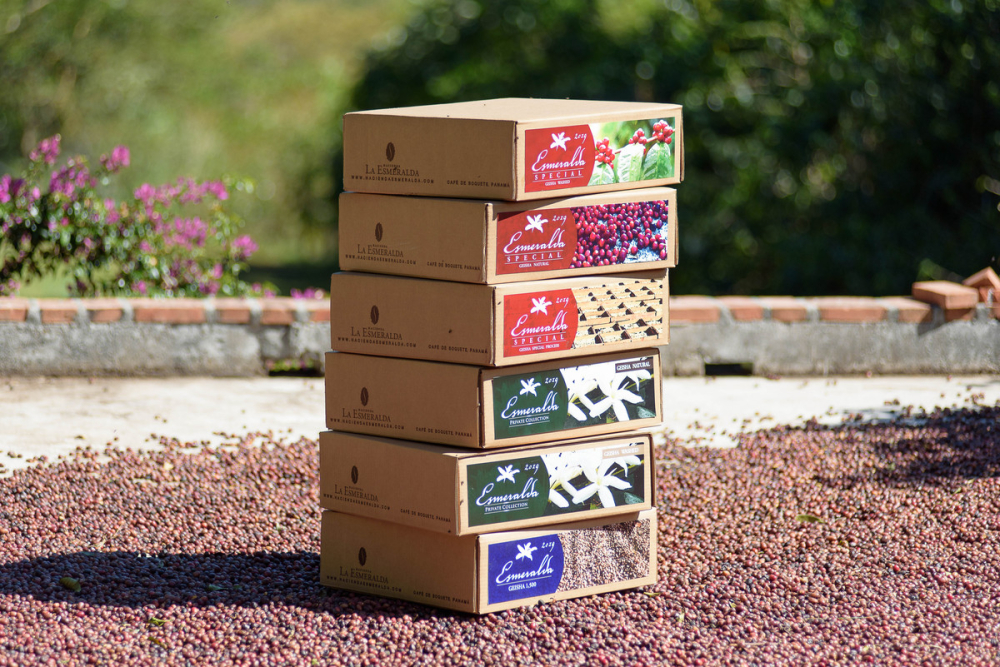
Panama Hacienda La Esmeralda Geisha (Red Label) 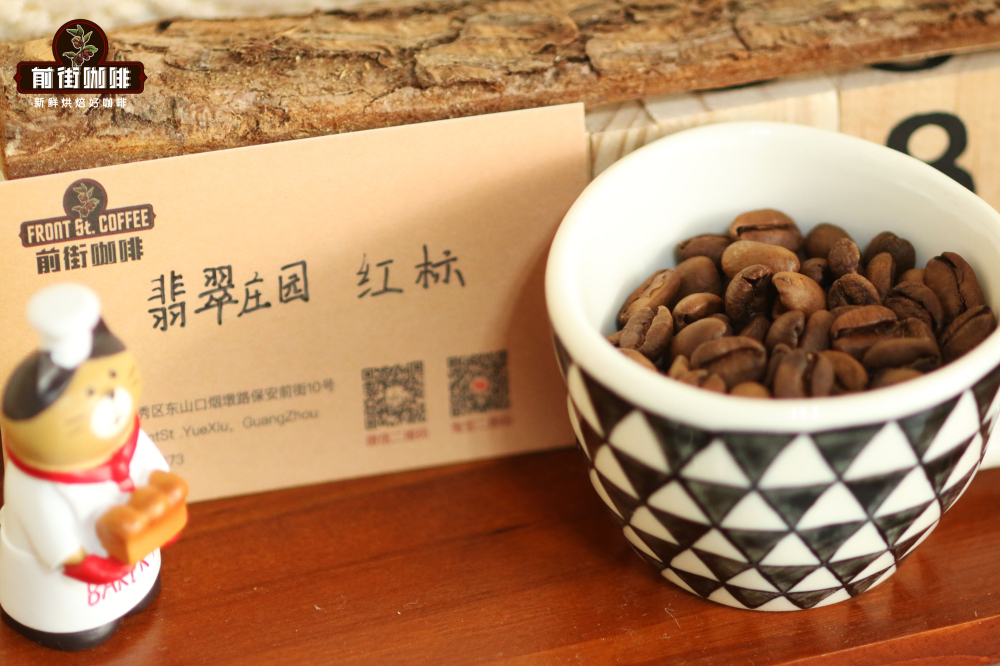 Origin: Boquete volcanic slopes
Altitude: 1700 meters | Variety: Geisha heirloom variety
Processing: Natural | Flavor: Jasmine and citrus top notes, honey finish with tropical fruit aroma
Auction-grade standard: Only honey-processed lots scoring above 90 points in cupping are selected; yield per hectare is less than 1/3 of ordinary commercial beans.
Brewing suggestion: 92-94°C water temperature, with a gentle flow to preserve the layers of floral and fruity aroma.
Ethiopia Gotiti Washed Beans 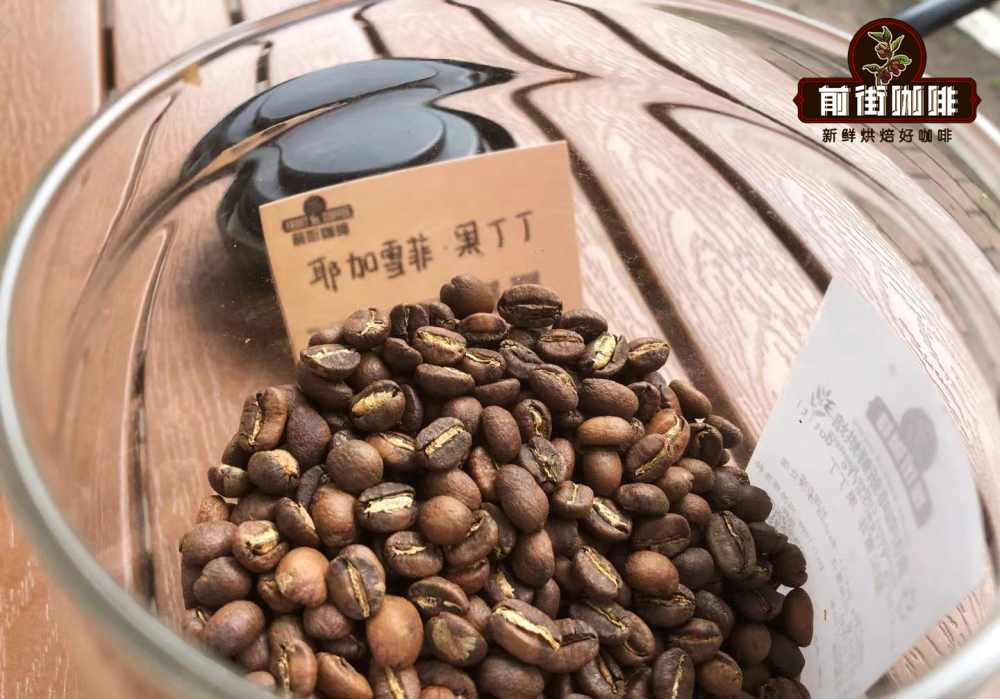 Origin: Southern Yirgacheffe
Altitude: 1900-2300 meters | Variety: Local heirloom varieties
Processing: Refined washed | Flavor: Bright citric acidity, clean black tea finish
Origin advantages: The Gotiti cooperative implements a fully ripe cherry picking system, with fermentation time strictly controlled within 36 hours to prevent excessive sourness.
Extraction parameters: For a V60 dripper, a 1:16 coffee-to-water ratio is recommended, with the first pour completed within 30 seconds.
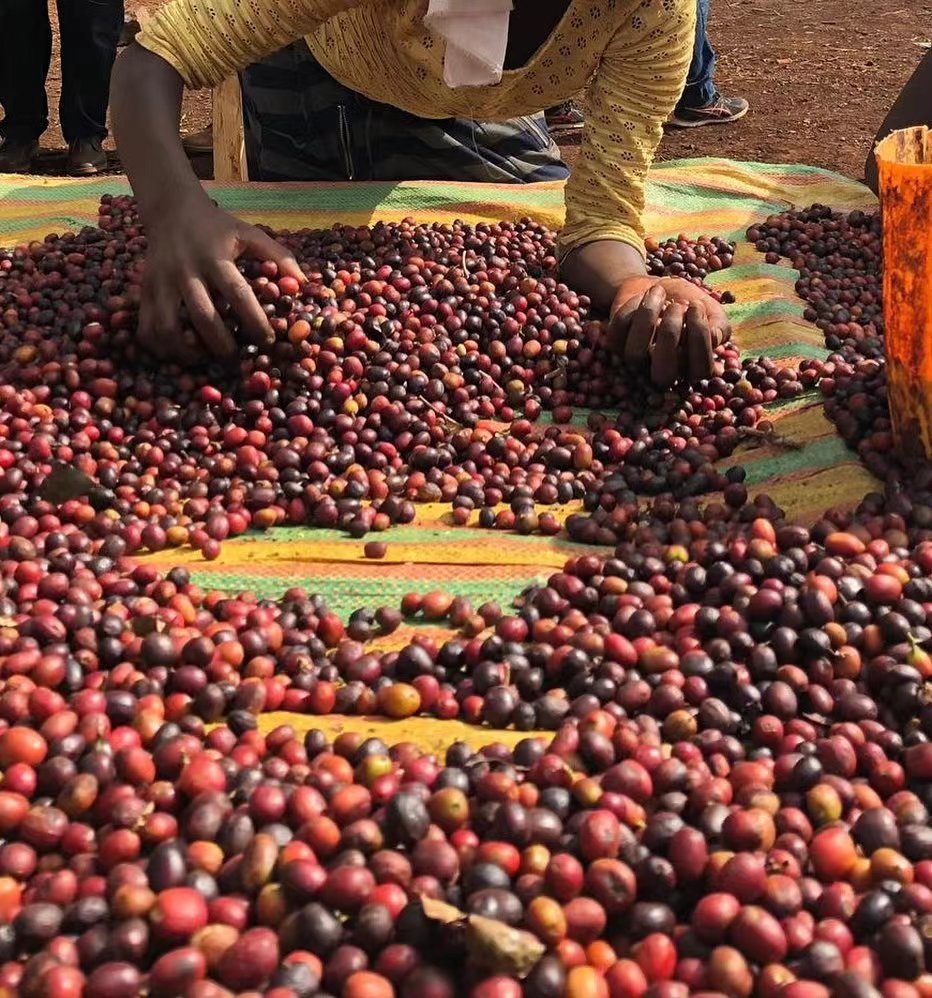
Ethiopia Sidamo Hambela  Origin: Hambela highlands
Altitude: 2250-2350 meters | Variety: Heirloom varieties
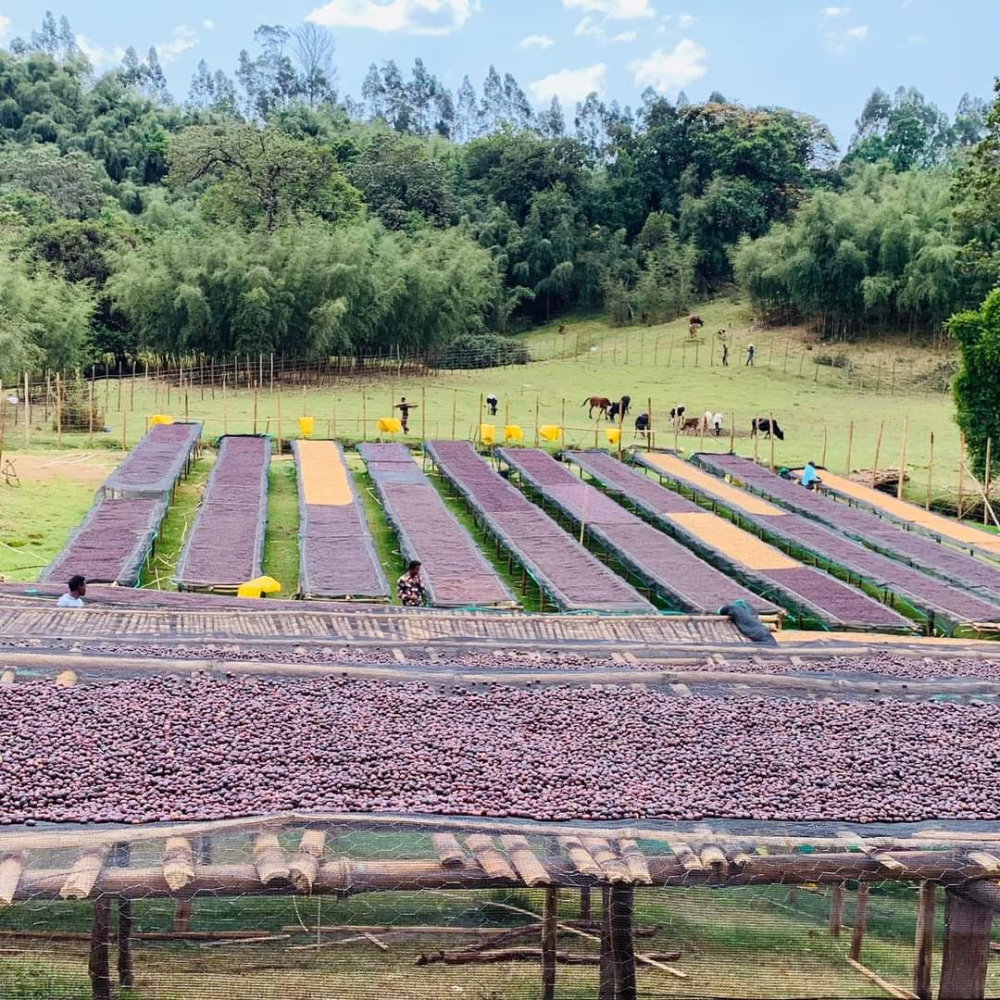
Processing: Natural | Flavor: Strawberry jam sweetness, oolong tea aftertaste
Historical background: The 2017 TOH competition champion lot; the name "Hambela" comes from the Chinese transliteration of the region's former name.
Special note: Natural beans may have a slight fermented wine aroma, which is normal; a resting period of 5-7 days is recommended.
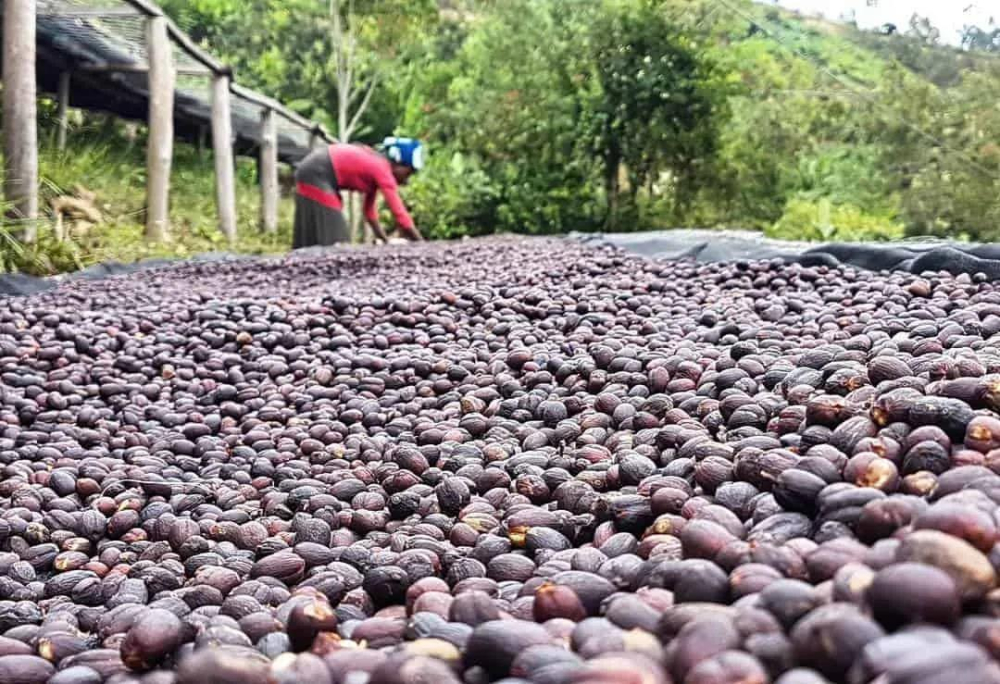
Ethiopia Natural Red Cherry Project Beans  Origin: Core Yirgacheffe area
Altitude: 2300 meters | Variety: Heirloom varieties
Processing: Experimental natural | Flavor: Fermented wine aroma mixed with berry acidity and sweetness
Innovative process: Supervised by the Dutch company Trabocca, with 100% manual selection of fully ripe cherries, and pH changes monitored during fermentation.
Drinking suggestion: Suitable for light roasting to showcase the layers; avoid high-temperature extraction, which can cause sharp acidity.
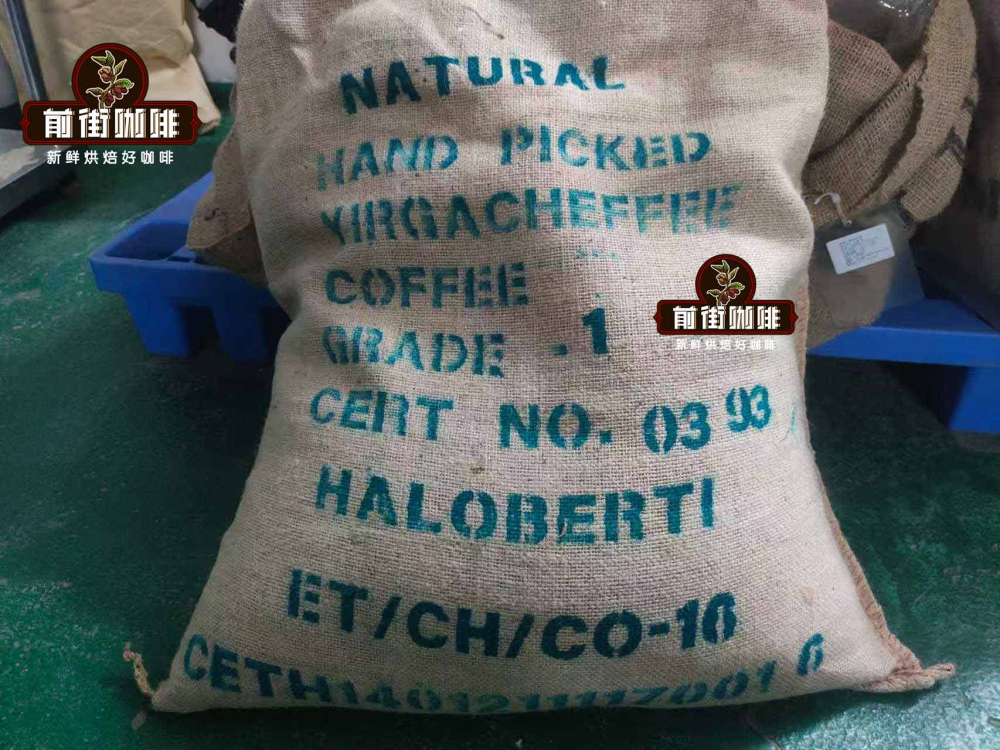
Brazil Fazenda Rainha Coffee 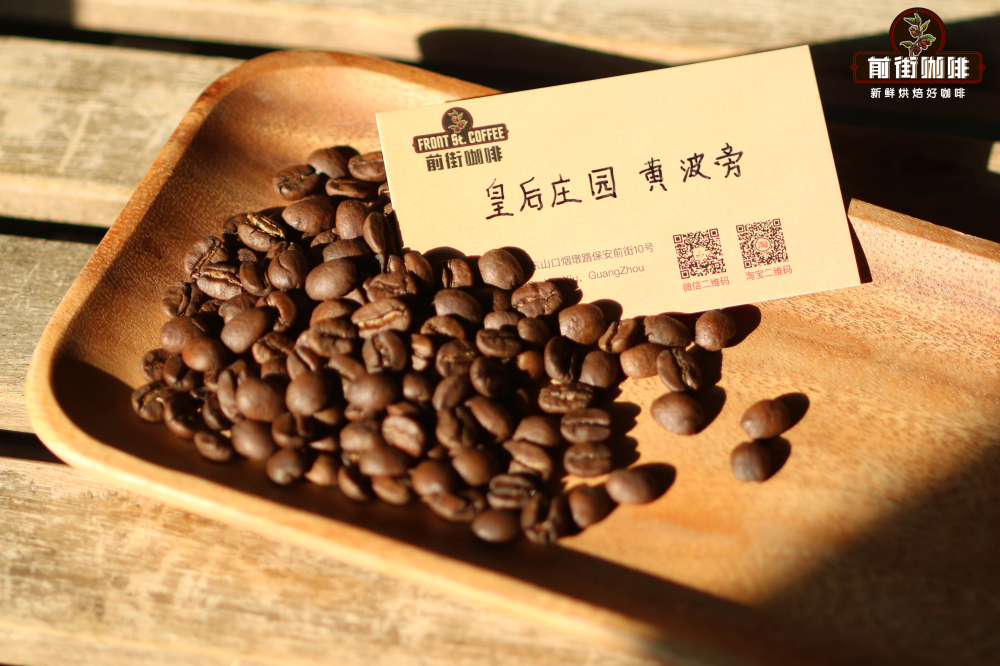 Origin: São Paulo plateau
Altitude: 1400-1950 meters | Variety: Yellow Bourbon
Processing: Semi-natural | Flavor: Nutty creamy base, obvious sucrose sweetness
Farm features: Has won Brazil COE competition awards for many consecutive years; the Yellow Bourbon variety has a lower caffeine content (about 1.0%).
Roasting suggestion: Medium-light roasting highlights citrus notes; dark roasting will mask the nutty flavor.
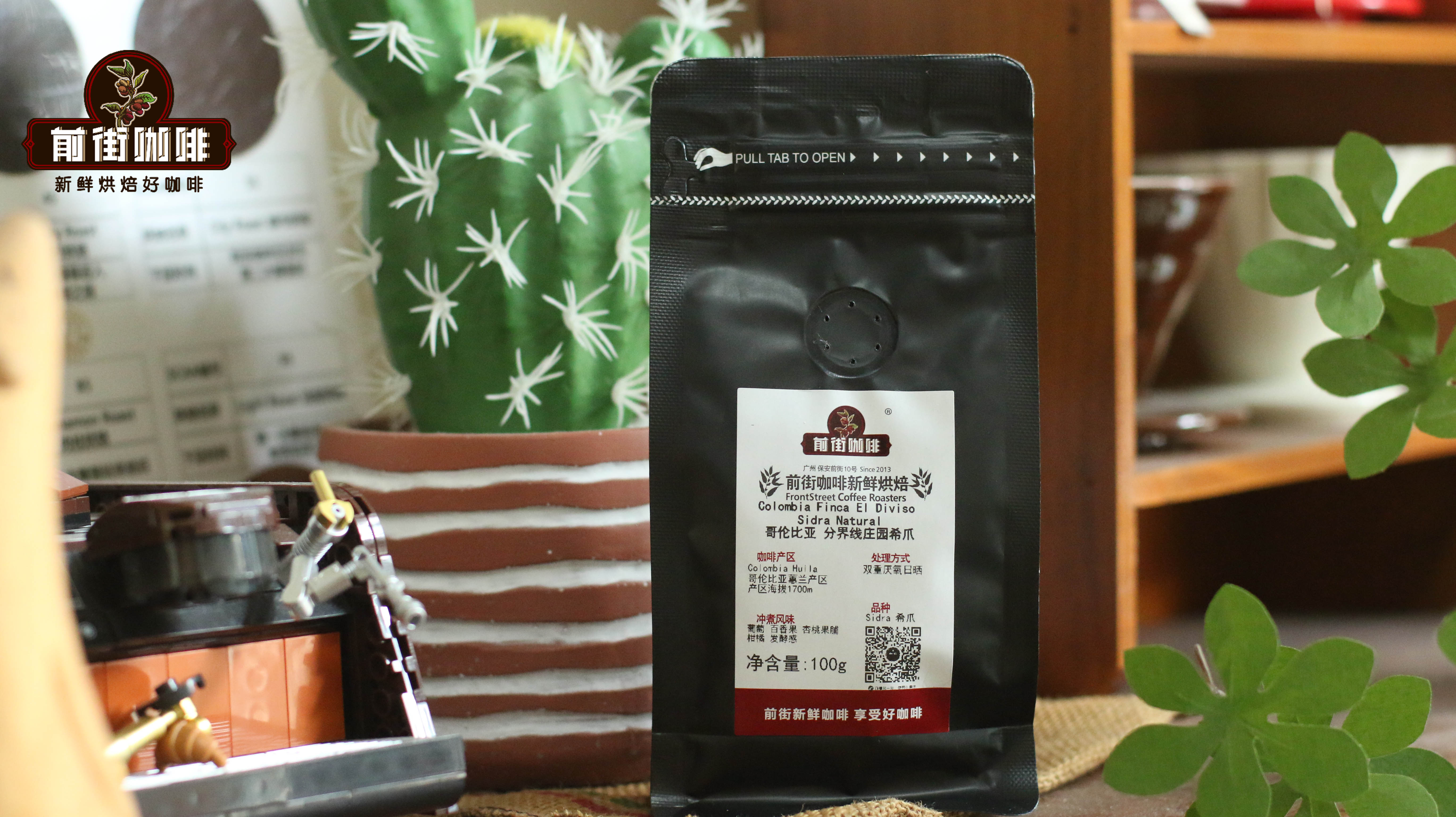
Colombia Sidra Coffee Origin: Huila Province
Altitude: 1700 meters | Variety: Sidra variant
Processing: Double anaerobic natural | Flavor: Strong grape juice character, apricot and dried fruit sweetness
Technical analysis: CO₂ is injected into sealed containers to isolate oxygen, extending fermentation time to 72 hours to enhance sweetness.
Brewing note: High-sweetness beans require controlling the coffee-to-water ratio (1:15-1:16) to avoid over-extraction.
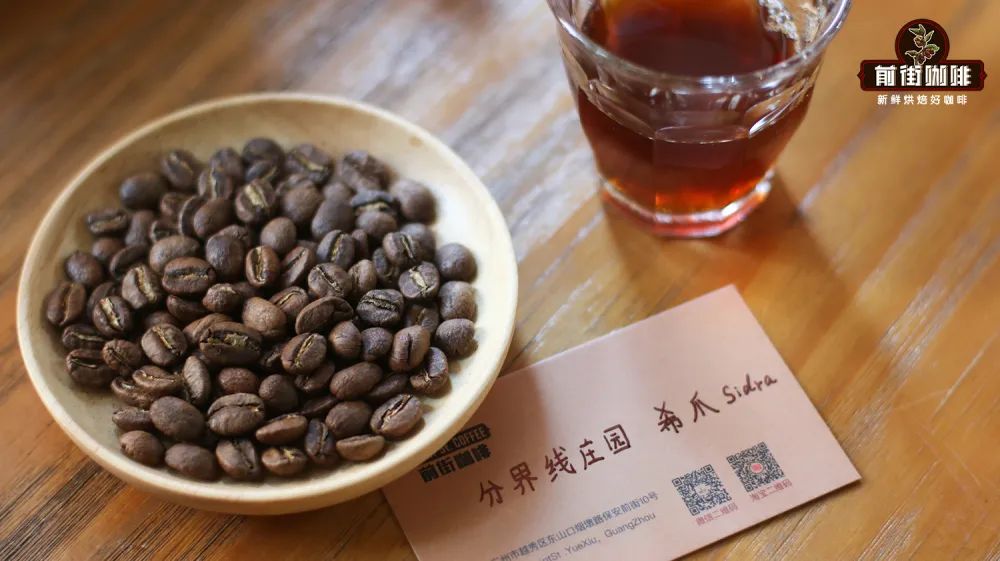
Honduras Sherry Whiskey Fermented Beans 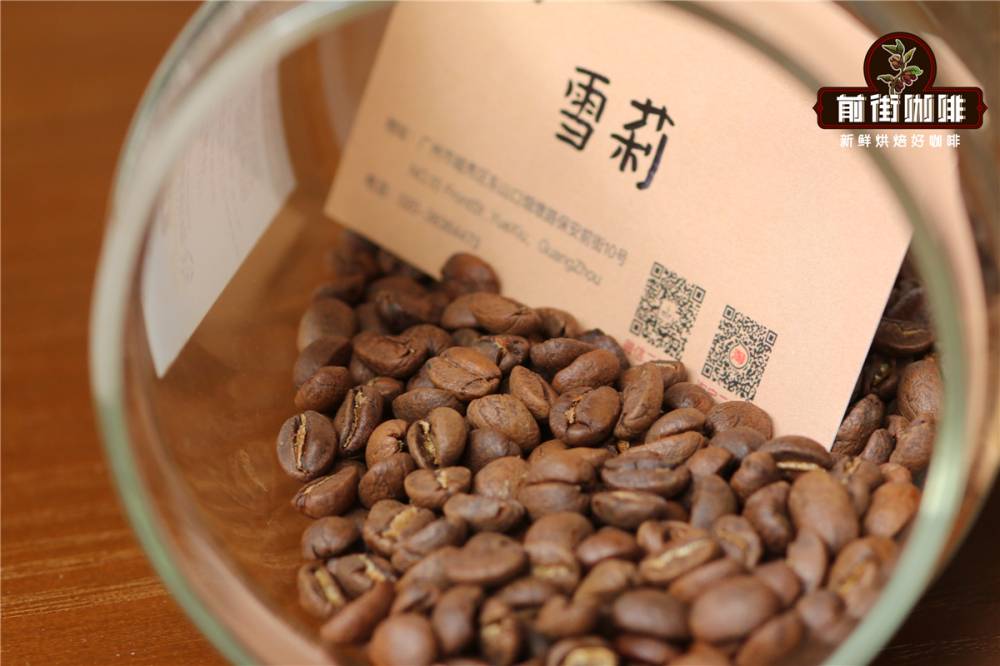 Origin: Marcala mountain area
Altitude: 1500-1700 meters | Variety: Caturra hybrid
Processing: Barrel anaerobic fermentation | Flavor: Vanilla cream intertwined with dark chocolate
Process highlights: Fermented using Scottish whiskey second-fill barrels, with residual alcohol controlled below 0.5%.
Storage requirements: After opening, seal and refrigerate; best consumed within two weeks.
Kenya Small Tomato Coffee 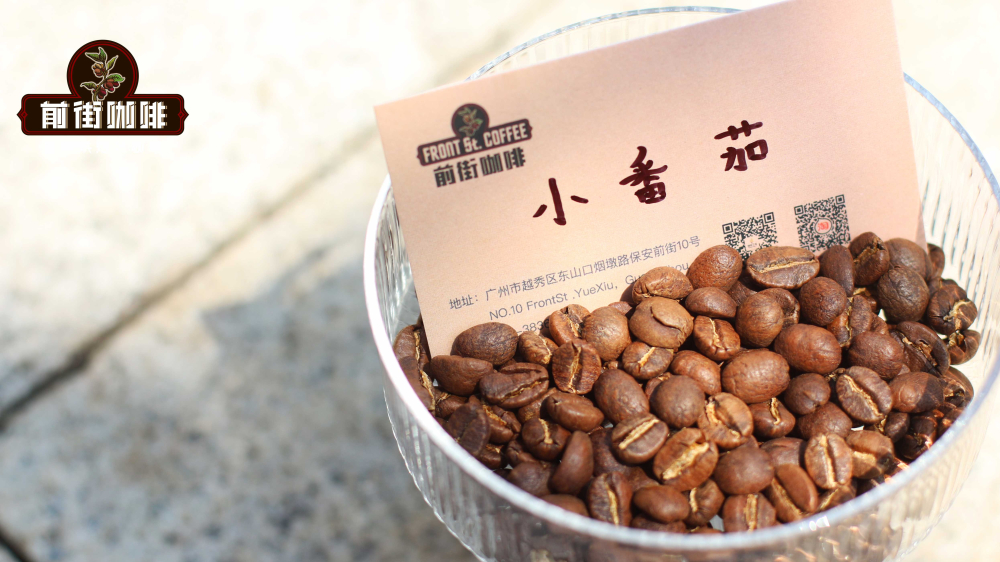 Origin: Thika region
Altitude: 1750 meters | Variety: SL28/SL34
Processing: K72 double washed | Flavor: Cherry tomato acidity, refreshing smoked plum finish
Processing patent: Kenya's original 72-hour stepped fermentation method, changing water three times to extend pectin decomposition time.
Flavor comparison: Compared with Ethiopian beans, it has a more distinct berry-type acidity, suitable for making lattes with milk.
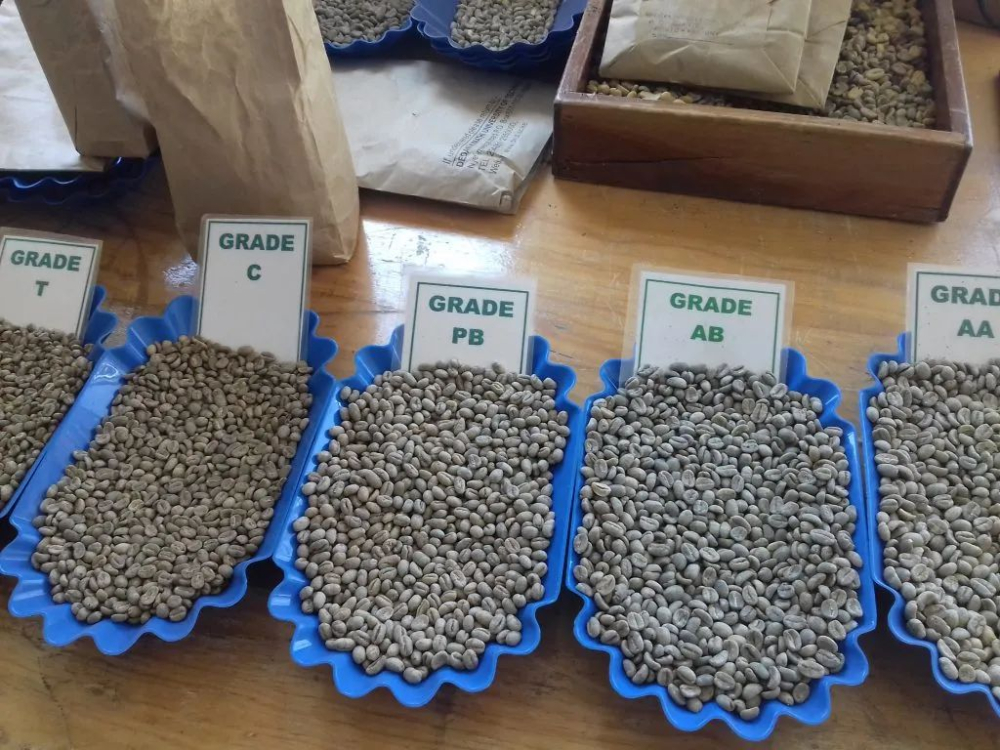
Buying guide: The best tasting period for specialty coffee beans is 10-21 days after roasting; store away from light and moisture. For pour-over, use 90-96°C hot water, with the grind size matching the dripper type (e.g., medium-fine for V60, coarse for French press). Beans with different processing methods require adjustments to pouring speed and blooming time to fully release their flavor potential.