Brazilian Coffee Beans: Processing, Grading and Flavor Guide

Introduction: Brazil is the world's largest coffee producer, and its coffee beans are known for their distinctive low-acid, high-sweetness flavor. This article takes an in-depth look at Brazil's main processing methods, its grading system, and how different processing methods affect flavor. From natural processing to pulped natural, from direct farm sourcing to international competitions, it gives you a comprehensive understanding of the essence of Brazilian coffee and helps you better choose and taste it.
As the world's largest coffee producer, Brazil not only supplies large volumes of commercial beans but also produces a considerable amount of specialty coffee. Coffee here is mostly grown at altitudes between 500 and 1,000 meters, with some premium regions reaching 1,200 meters, but compared with high-altitude regions in East Africa or Central America that often exceed 1,500 meters, Brazilian coffee beans usually have lower density.
Because of the altitude characteristics of its growing environment, Brazilian coffee naturally shows low acidity. Combined with the widely used natural process, the coffee often displays pronounced sweetness and body. However, lower bean density also means it is not suited to dark roasting, which otherwise easily produces burnt, bitter flavors. This characteristic makes Brazilian beans a frequent choice in espresso blends, especially in recipes aiming for nutty and chocolate flavors.
It is worth noting that with the rise of the specialty coffee trend, the proportion of Brazilian beans used in high-end blends is changing. Some traditional roasters are turning to higher-altitude hard beans to obtain brighter acidity and complexity. But thanks to its consistent quality and distinctive flavor, Brazilian coffee still holds an important market position.
Brazil uses a unique coffee grading system, based mainly on defect rate and cupping performance. The official grading is marked with numbers; theoretically grade 1 is the highest, but in actual trade grade 2 is the common standard for high quality. All coffees must also pass professional cupping and are classified by flavor performance into categories such as strictly soft, soft, softish, hard, and rio. Among them, the rio flavor, due to its special fermentation characteristics, receives polarized evaluations in European and American markets—the US market generally does not accept it, but European and Middle Eastern buyers often appreciate this distinctive flavor more.
In recent years Brazil has gradually opened up market regulation, allowing farms to export coffee directly and no longer mandating the official grading system. In 1999, Brazil began holding the COE (Cup of Excellence) competition, promoting the development of specialty coffee. Today Brazil's coffee processing methods are also increasingly diverse; in addition to traditional methods, many estates adjust flexibly according to the characteristics of each lot.
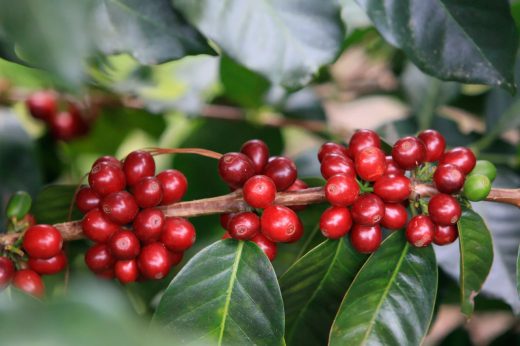
The most common traditional method is the natural process, in which the whole coffee cherry is spread in the sun to dry directly after picking. Some producers even let the coffee cherries dry naturally on the tree before picking. This method allows the sugars in the pulp to fully penetrate into the core of the bean, giving the coffee richer sweetness and complexity.
The pulped natural method first removes the outer skin of the coffee cherry, retaining the sticky, sugar-containing mucilage layer for drying. This method preserves the high-sweetness characteristics of the natural process while improving cleanliness. The semi-washed process skips the fermentation step and directly sun-dries the beans in their parchment, suiting producers seeking efficiency.
There are also some special processing methods worth noting, such as the Re-Pass process: overripe cherries that float on the water after harvest are processed separately; these fruits stay in contact with the pulp longer and often develop richer layers of sweetness. Producers may try different processing methods on the same lot from one field to explore the best flavor expression.