Professional Analysis: Flavor Profiles and Roasting Plans for 4 Classic Espresso Blends

Introduction: This article explores the evolution and modern applications of espresso blends in depth, detailing the flavor profiles, roasting techniques, and suitable applications of four typical blend recipes. From traditional dark roasting to modern flavor balance, from commercial needs to specialty coffee standards, it comprehensively explains how blending techniques enhance coffee's consistency and complexity, helping you master professional-level blending knowledge.
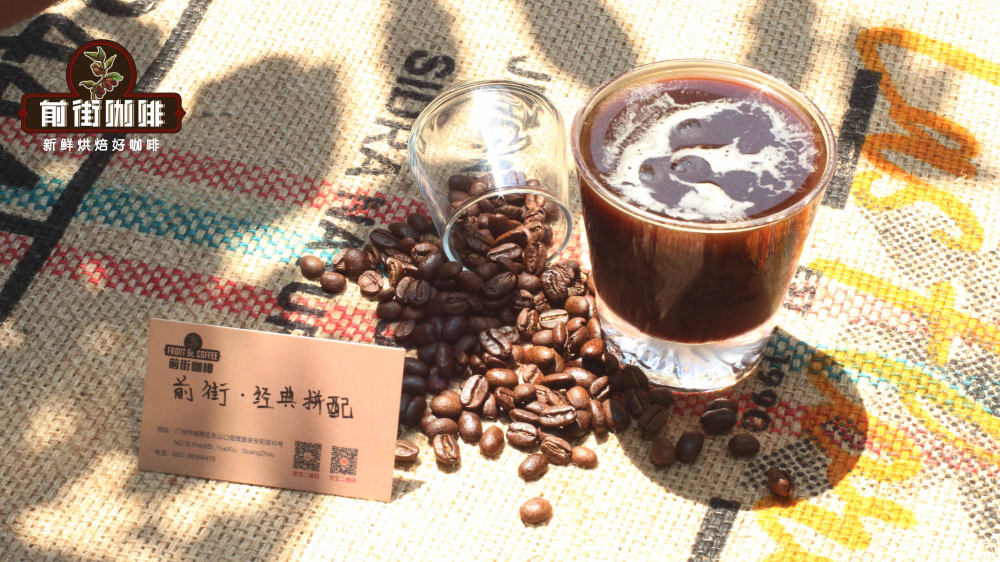
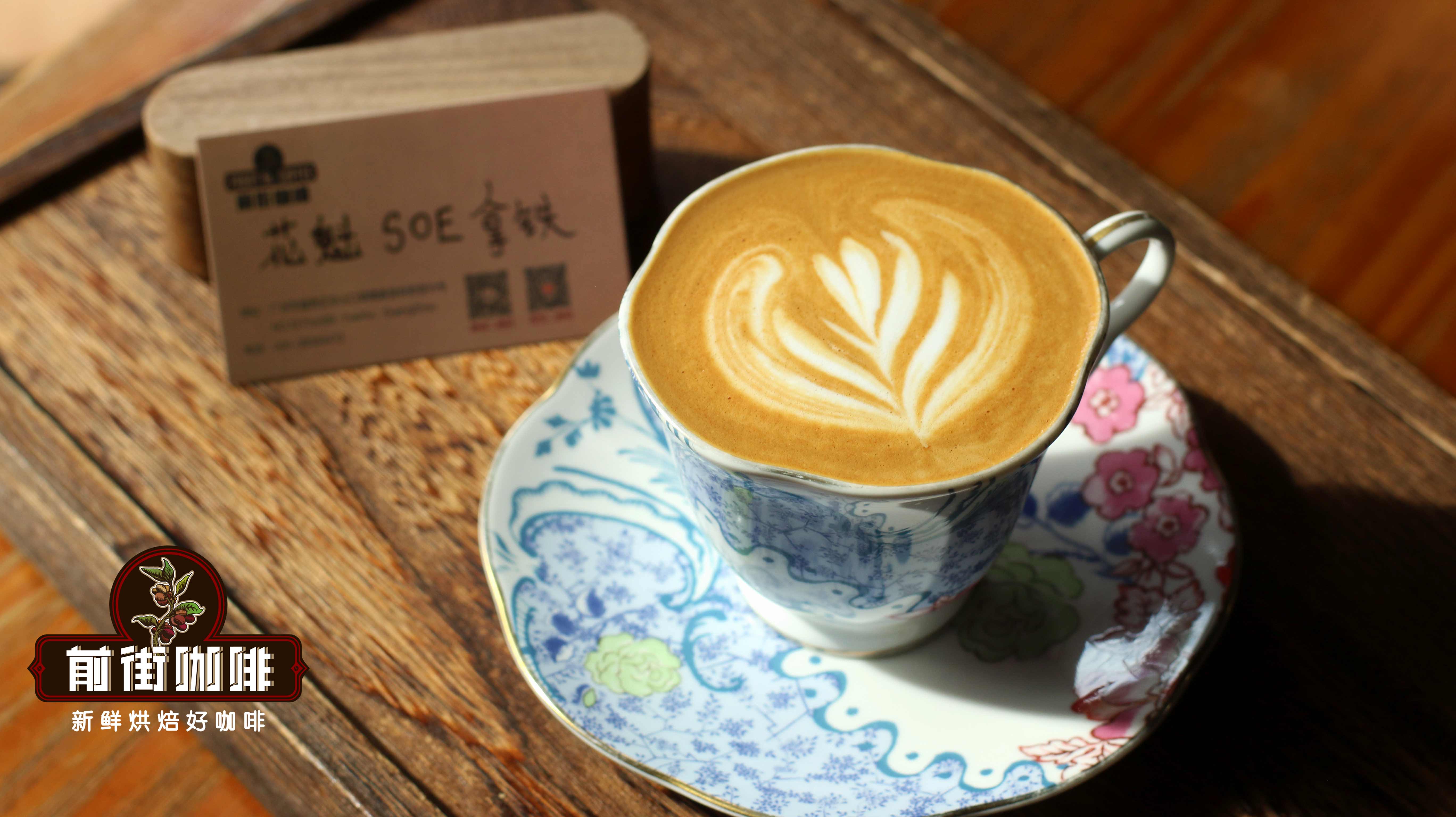
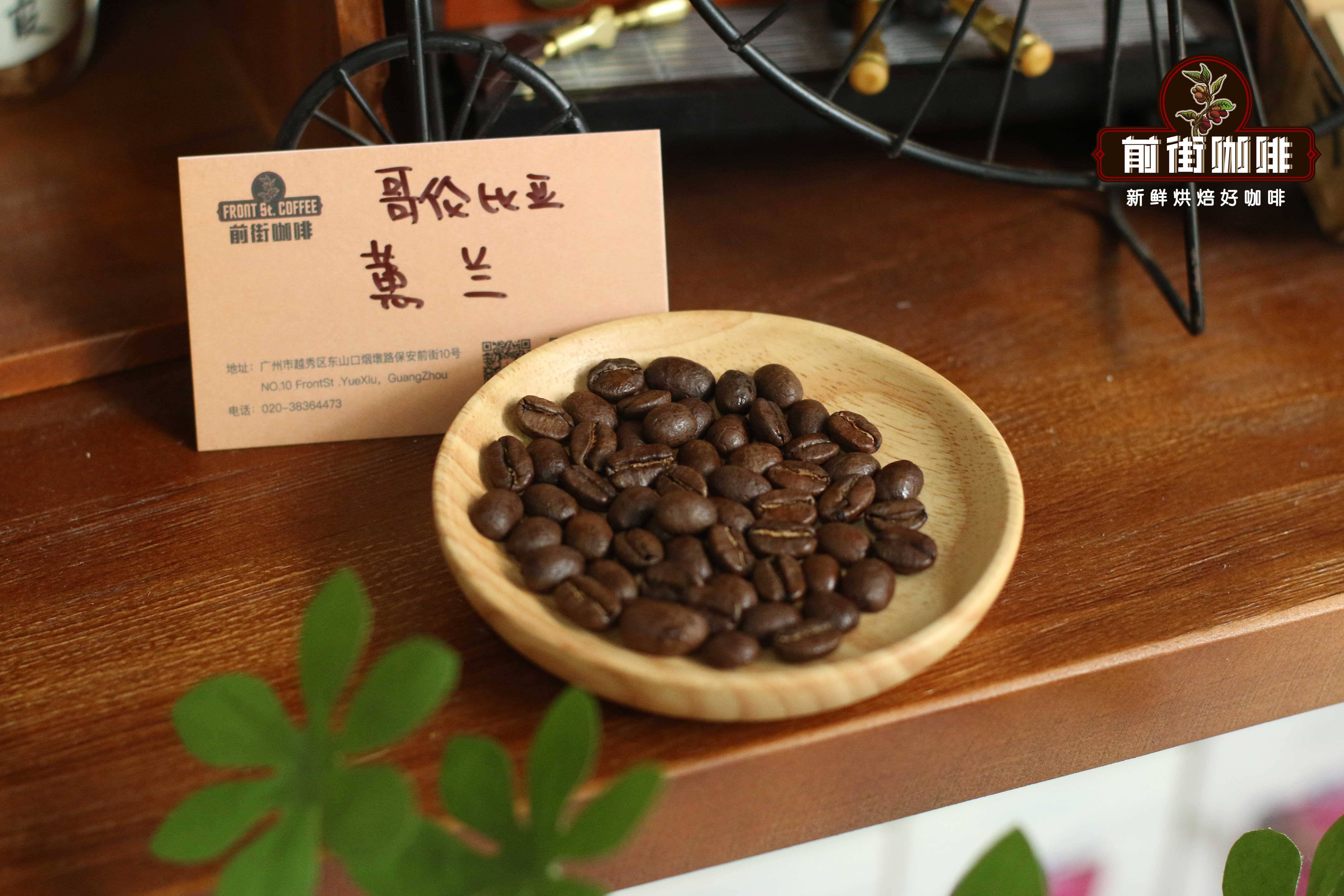
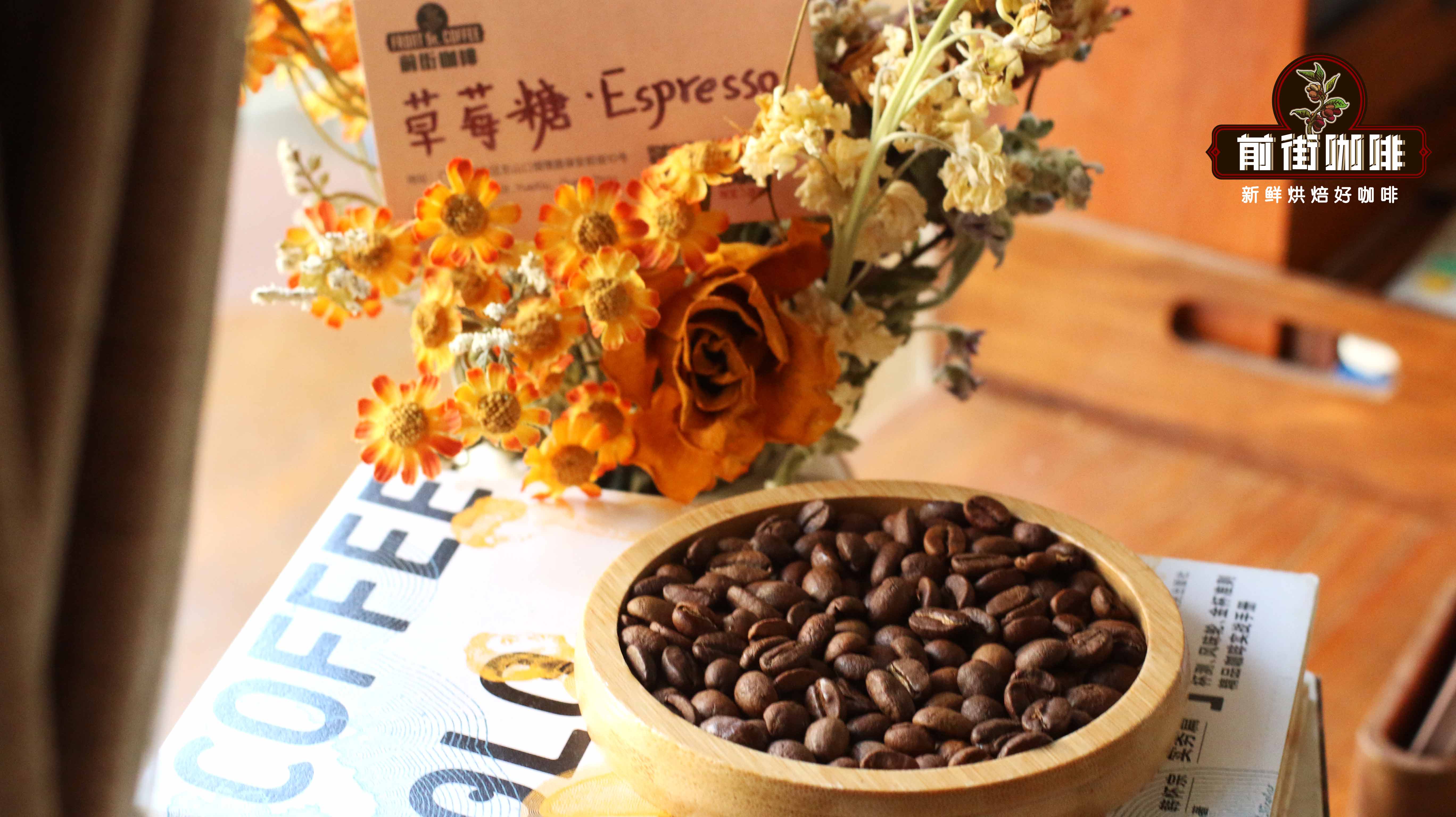
The development of espresso blends reflects the industry's ongoing pursuit of flavor. In the early days, beans from different origins were mainly blended and dark roasted to intensify heavy flavors such as roast and caramel, while robusta beans were used to boost body and crema performance. Modern blending techniques focus more on finely balancing flavors—for example, using a combination of Costa Rican and Colombian beans to present a fresh, sweet-tart character like strawberry gummy candy while maintaining rich crema.
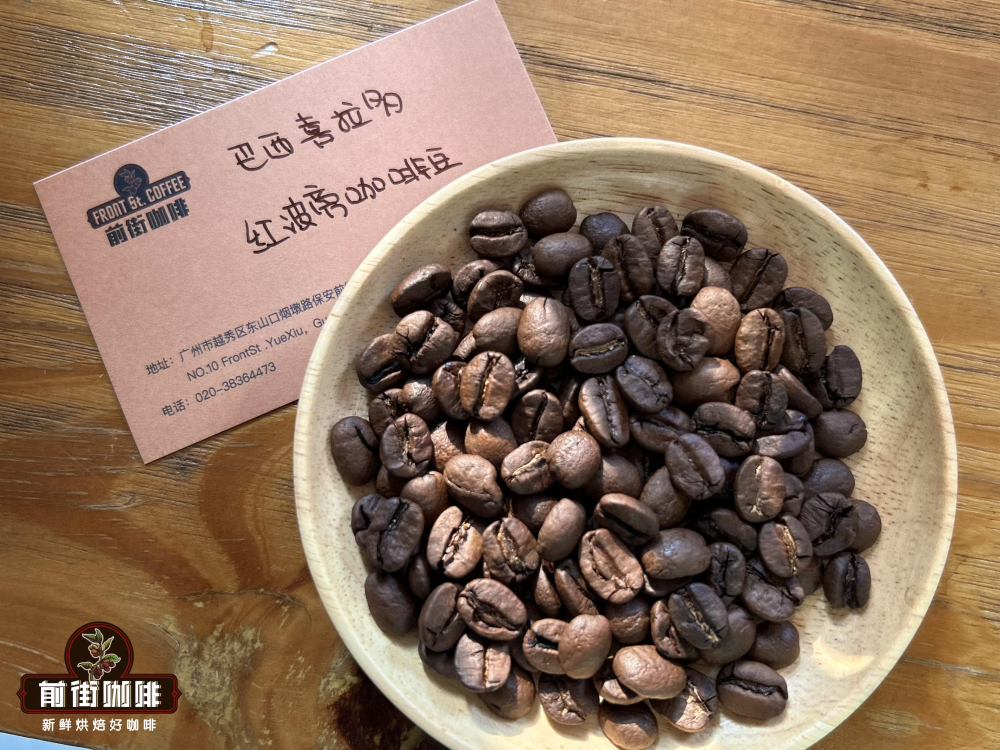
The core value of blending lies in achieving flavor complementarity through scientific ratios. Blending beans with a silky texture but insufficient aroma with highly aromatic varieties, or balancing differences in bitterness, sweetness, and acidity, ultimately creates a more complex taste experience. Pre-roast blending (mixing before roasting) and post-roast blending (mixing after roasting) are the two mainstream methods: the former ensures consistency through a uniform roast level and suits beans of similar density; the latter allows precise roasting tailored to each bean's characteristics, fully releasing their individual flavor potential.
Professional blending must focus on four key elements: flavor consistency (hedging annual variations through multi-origin bean combinations), mouthfeel balance (avoiding the extreme flavors of a single variety), innovative flavor combinations (creating taste complexity that single-origin beans cannot achieve), and commercial applicability (meeting the needs of different consumption scenarios). Among these, pre-roast blending's advantage is improved quality-control efficiency, but it requires blend components of similar density; post-roast blending can bring out the best characteristics of each bean variety but demands more complex resting-period management.
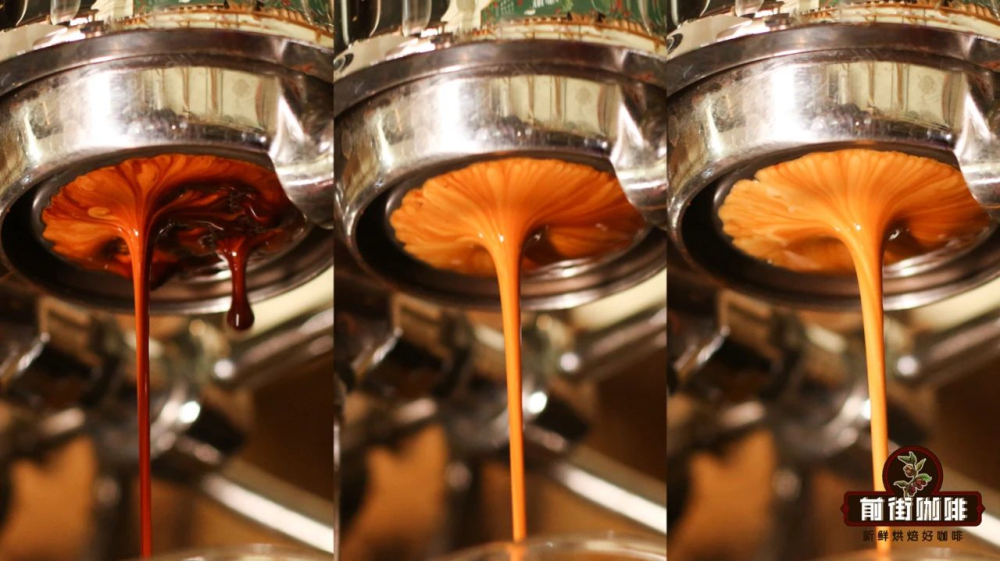
Examples of typical blend recipes:
• Basic full-bodied blend: A medium-roast combination of Colombia Huila (1,500–1,800 m, washed) and Brazil Cerrado (1,000–1,300 m, semi-dry), presenting nutty, chocolate, and caramel notes with medium crema, suitable for all kinds of specialty coffee shops.
• Commercial classic blend: A three-component blend with robusta (2.2% caffeine), extending the caramelization reaction time to intensify dark chocolate and roasted chestnut flavors, with balanced sweetness and acidity and a lingering finish, especially suited to latte, cappuccino, and other milk-coffee systems.
• High value-for-money blend: A two-component blend based on Yunnan Typica (with flavor characteristics similar to Colombia), highlighting soft fruit acidity and a dark chocolate finish, with excellent viscosity, suitable for roasting scenarios with limited budgets.
Professional roasting recommendations:
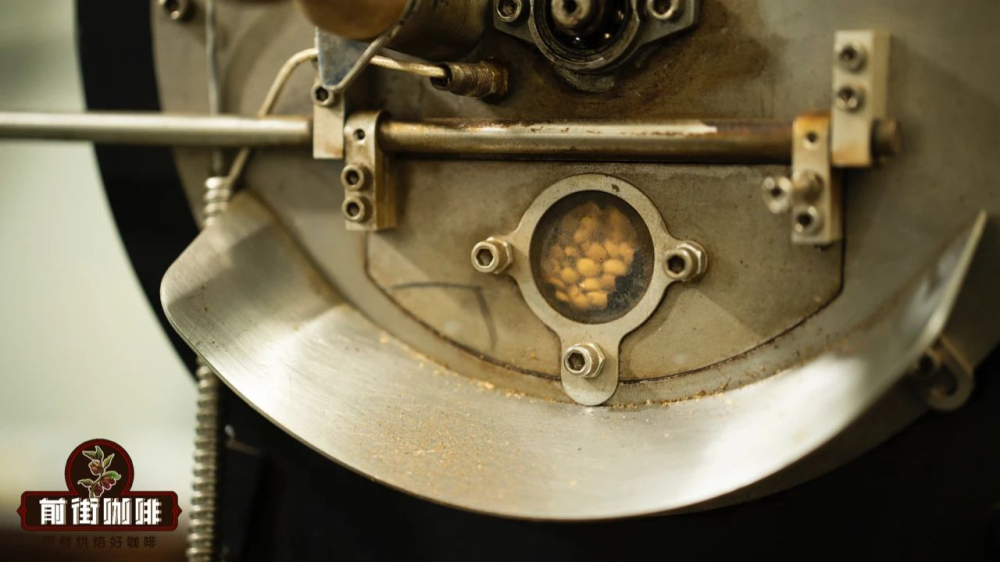
1. Robusta beans should be roasted separately to a medium-dark level (developed 15–20 seconds after first crack becomes dense), with a recommended drum temperature of 185–195°C
2. Arabica blend components are best roasted using a staged profile: maintain medium heat during the drying phase (160–170°C), then slightly adjust the temperature rise after first crack to promote caramelization
3. Resting-period management is crucial; blended beans should rest uniformly for 7–14 days, with flavor development curves monitored during this period
Common application matching:
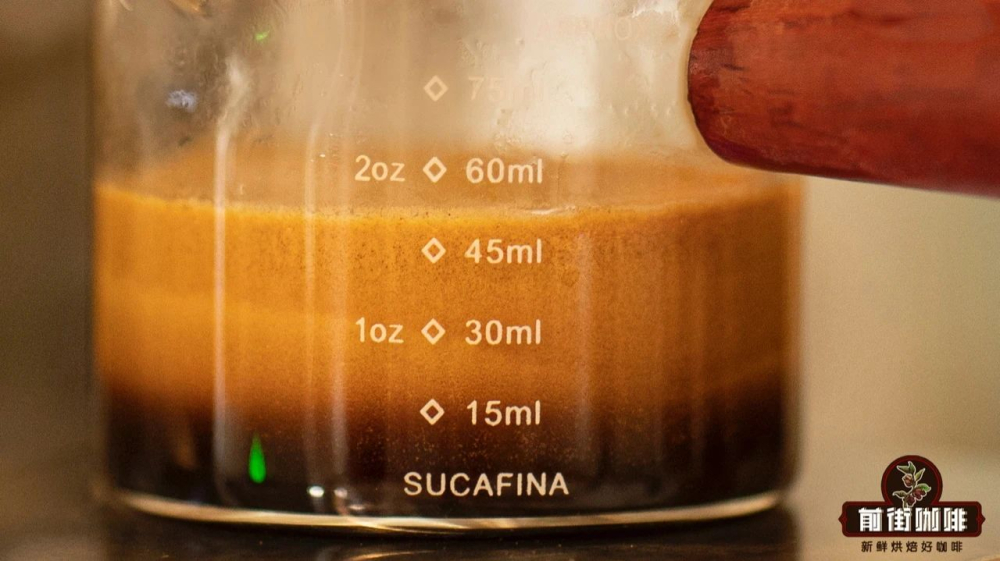
• Espresso (30 ml): Recommended grind fineness with 70–75% passing through a No. 20 sieve, extracted at 9–10 bar for 25–30 seconds
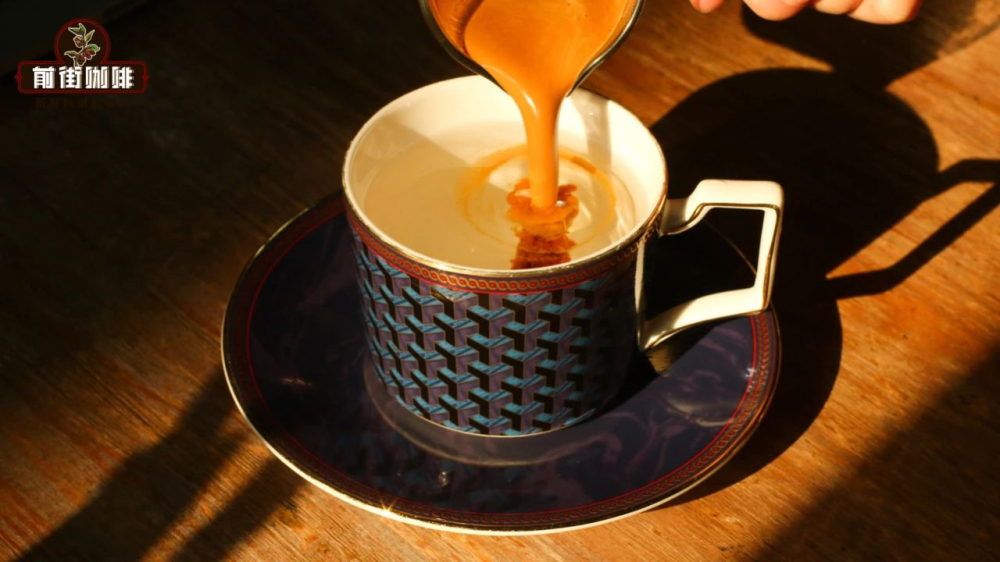
• Latte (200 ml): Use a 1:3–1:5 coffee-to-liquid ratio, with steamed milk temperature controlled at 60–65°C
• Cappuccino (180 ml): Maintain a dense foam layer of at least 1 cm, and note the golden coffee-to-milk ratio of 1:2
Additional notes: Modern blending techniques have broken through traditional limits. By precisely controlling the ratio of arabica to robusta (usually no more than 20% robusta), it is possible to ensure crema performance without losing flavor complexity. Professional baristas recommend regular cupping adjustments, fine-tuning roast curves and blend ratios according to seasonal changes.