Sumatra Mandheling Coffee Beans: Flavor, Processing and Buying Guide
Introduction: Sumatra is one of the world's top coffee regions, and its Mandheling coffee is known for its full, rich body. This article examines in depth the core flavor characteristics of Sumatra Mandheling and its signature wet-hulling process, compares Golden Mandheling with regular Mandheling, and offers professional-grade roasting parameters and pour-over suggestions to help you fully master the buying and brewing of this classic coffee bean.
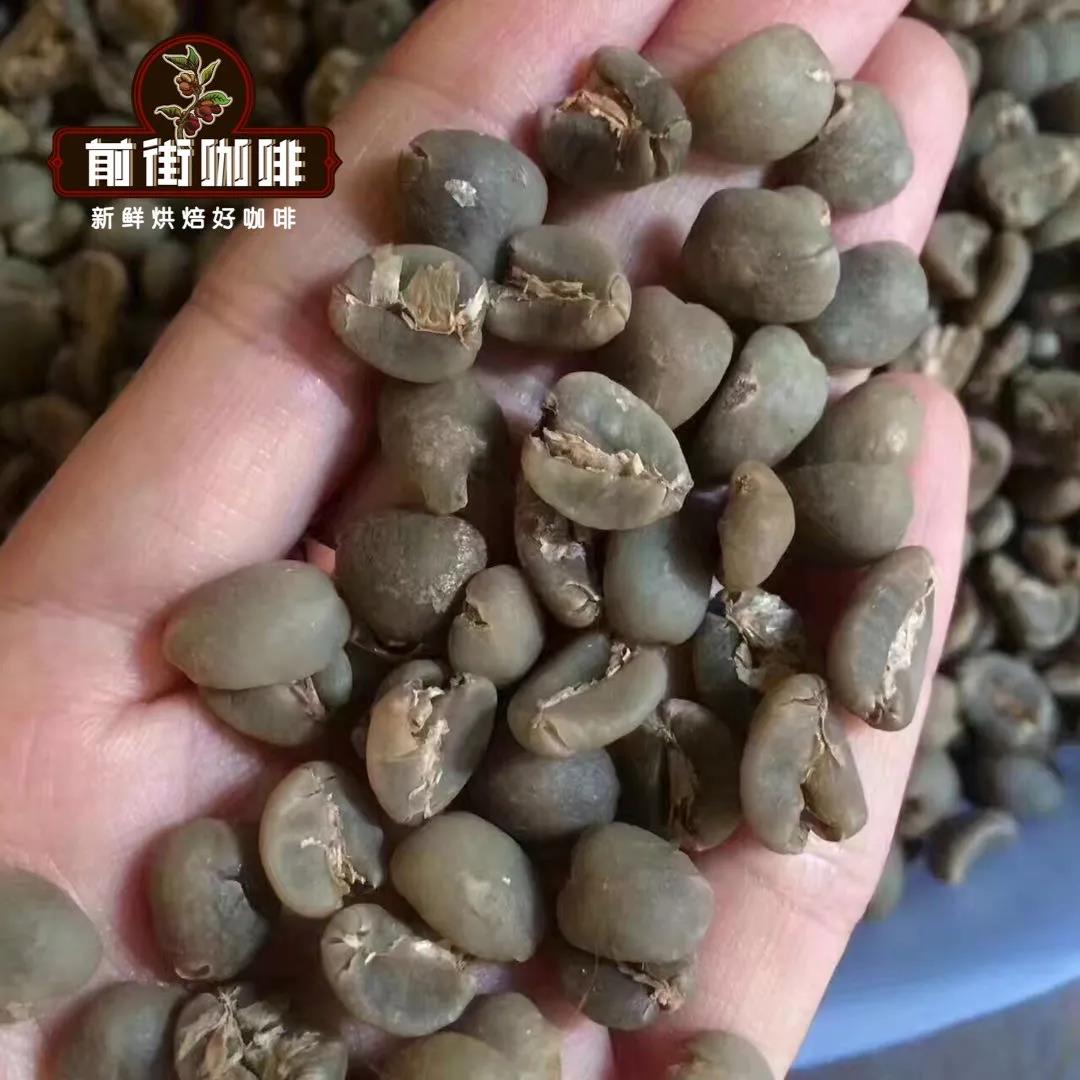
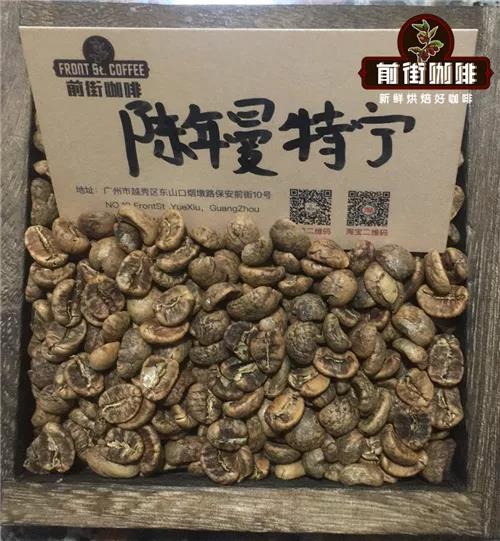
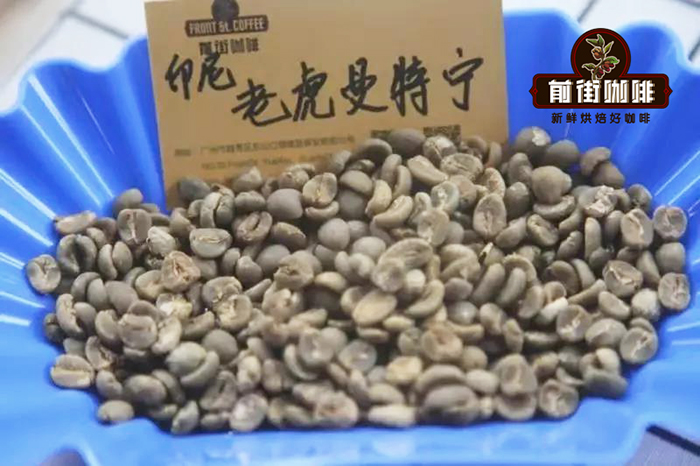
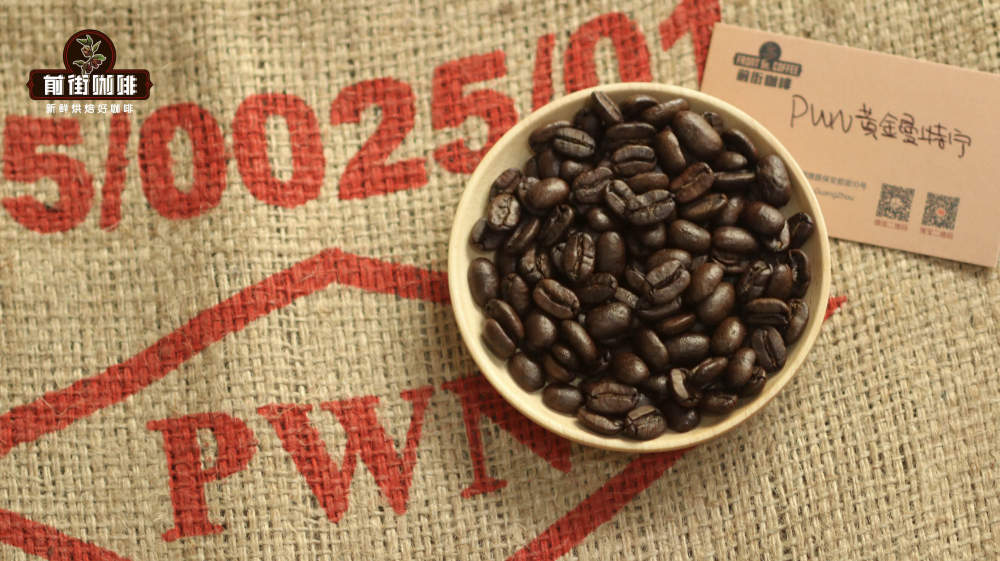
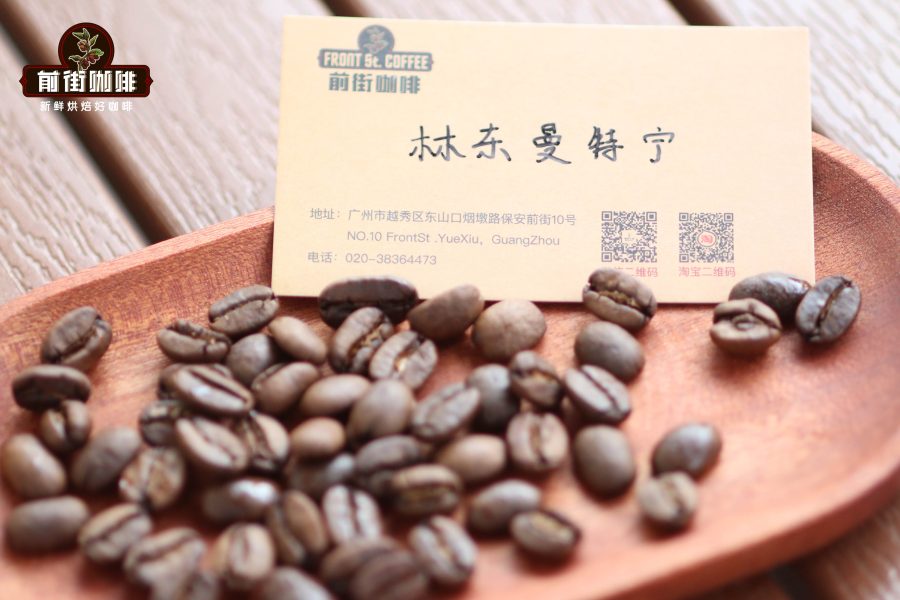
The arabica coffee beans produced on the island of Sumatra are generally classified as Mandheling coffee. This variety is known for its deep, rich body and has even been jokingly called 'the ugliest yet most delicious coffee bean' by some coffee lovers. Although its appearance often shows defects, its unique processing gives it unmatched flavor depth.
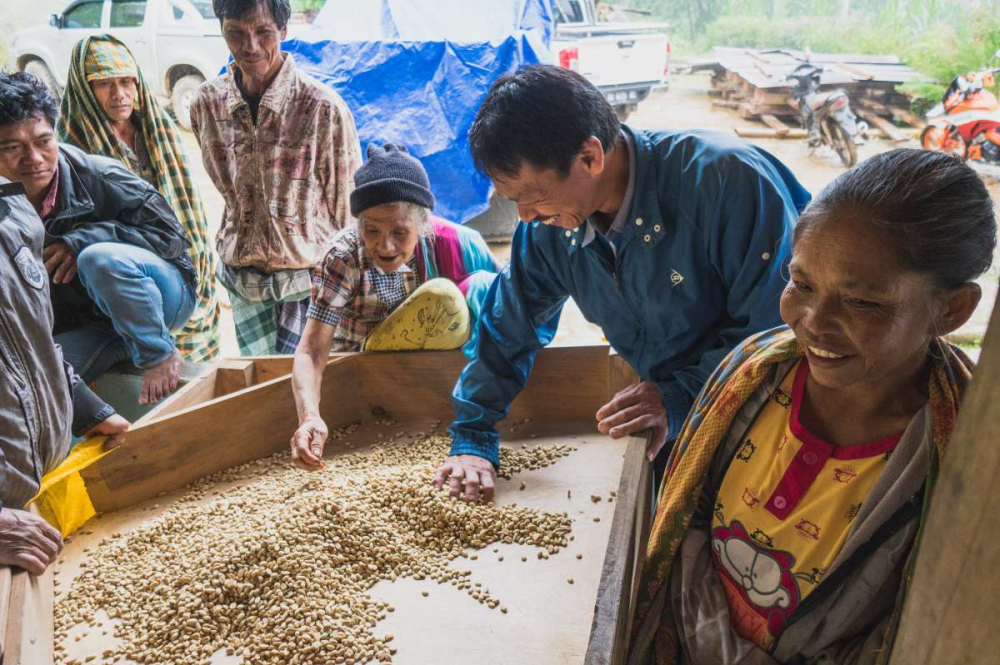
The uniqueness of Mandheling coffee stems largely from Sumatra's distinctive wet-hulling process. This technique developed because the local rainy climate makes sun-drying difficult: first the skin and pulp are removed with a wooden depulper, and after 3 hours of fermentation the beans are dried semi-dry to a moisture content of 30-50%; next the mucilage layer is stripped off and drying continues for 2-4 days, finally bringing moisture down to 12-13%. When handled properly, this can bring out rich herbal and caramel aromas; otherwise it easily produces unpleasant musty, earthy notes.
The region's signature processing methods also include aged wet-hulling: coffee beans processed by the regular wet-hulled method are stored in a cool, ventilated warehouse for 2-3 years and turned regularly to prevent mold. This process gradually converts acidity into sugars, turns the beans dark brown, and makes the flavor fuller and steadier. A special flavor accidentally created in earlier times by long sea voyages is now consistently reproduced through artificial aging techniques.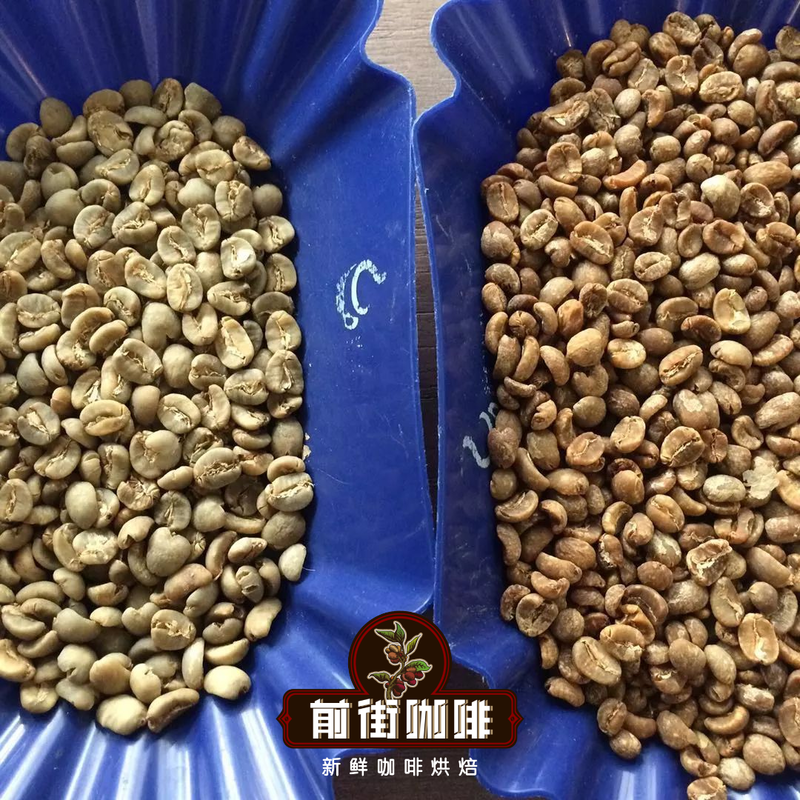
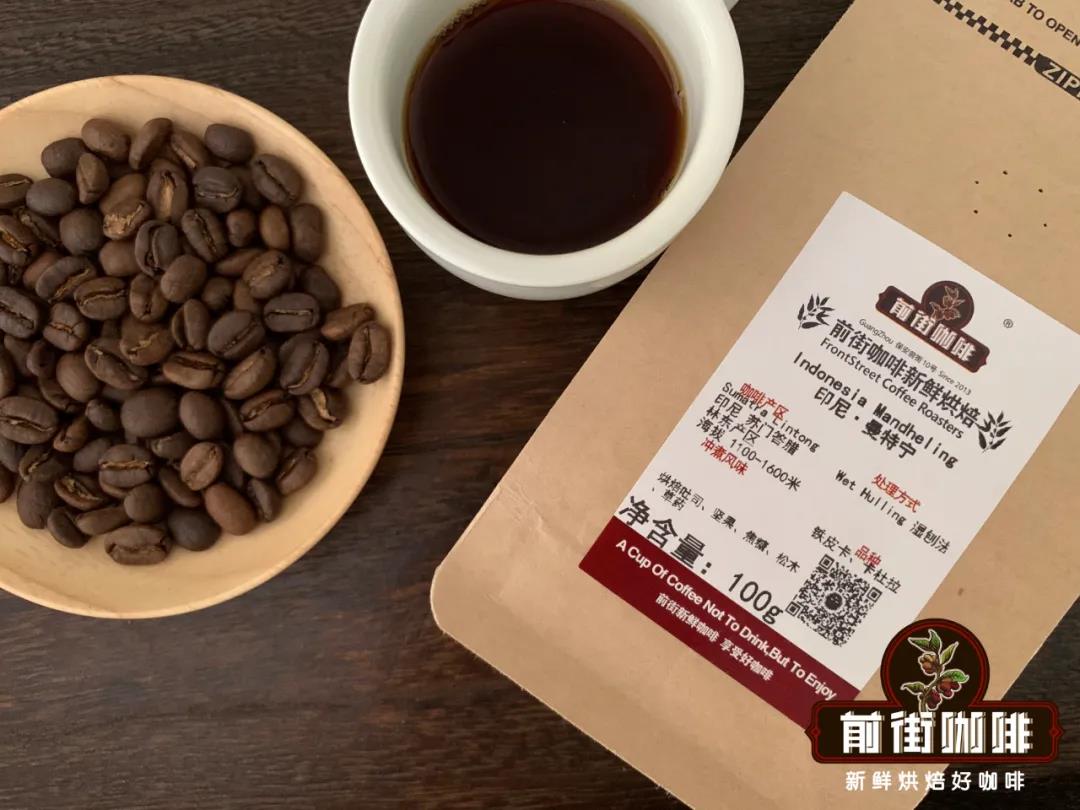
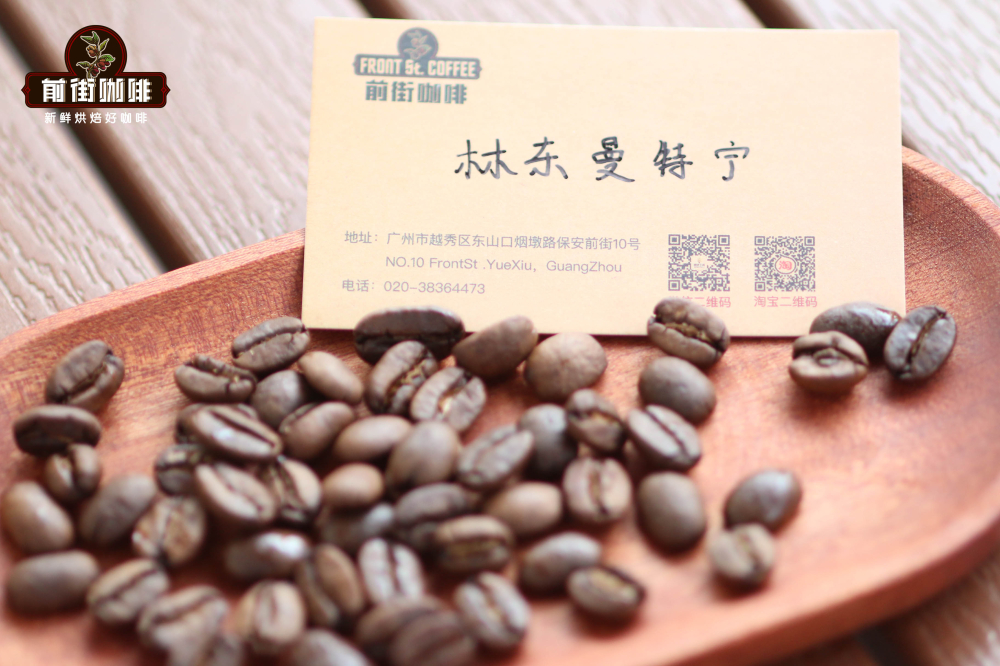
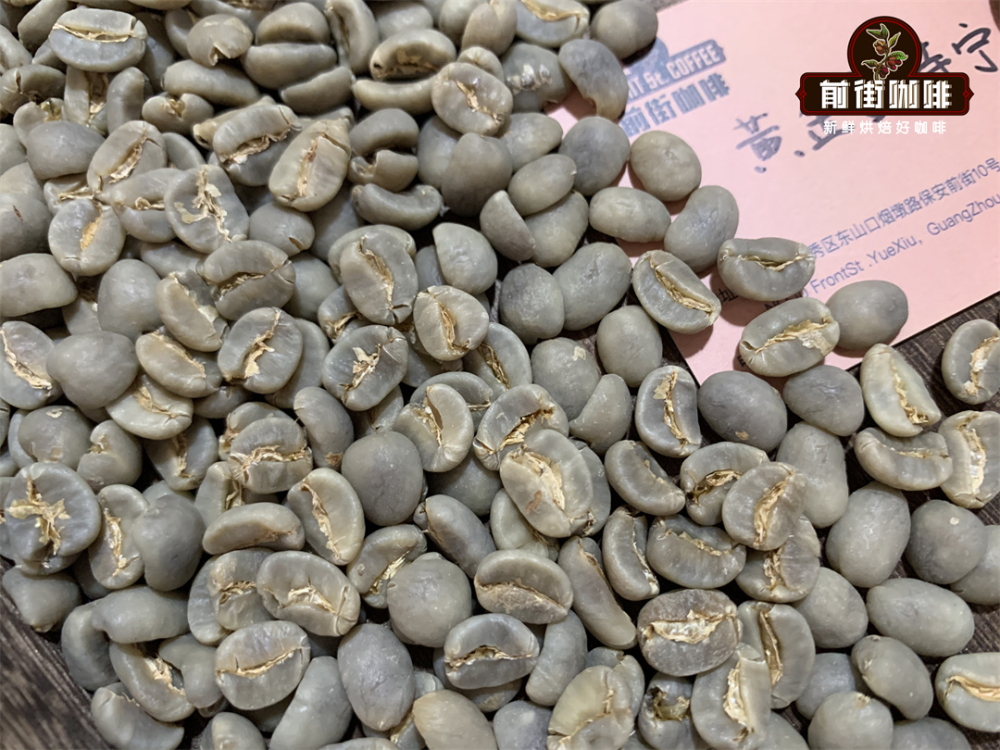
The varietal diversity of Sumatra Mandheling is worth noting. Golden Mandheling usually uses high-quality Ateng varieties (an arabica-robusta hybrid) of screen size 18 or above, hand-sorted more than three times to ensure uniform beans; its flavor shows a harmonious balance of spice, nuts and chocolate, with a defect rate below 3‰. By comparison, Lintong Mandheling uses the regular wet-hulled method; although it may produce the distinctive 'goat-hoof bean' shape (cracks formed when semi-hard beans are pressed), its roasted aromas of toast and pine are equally recognizable.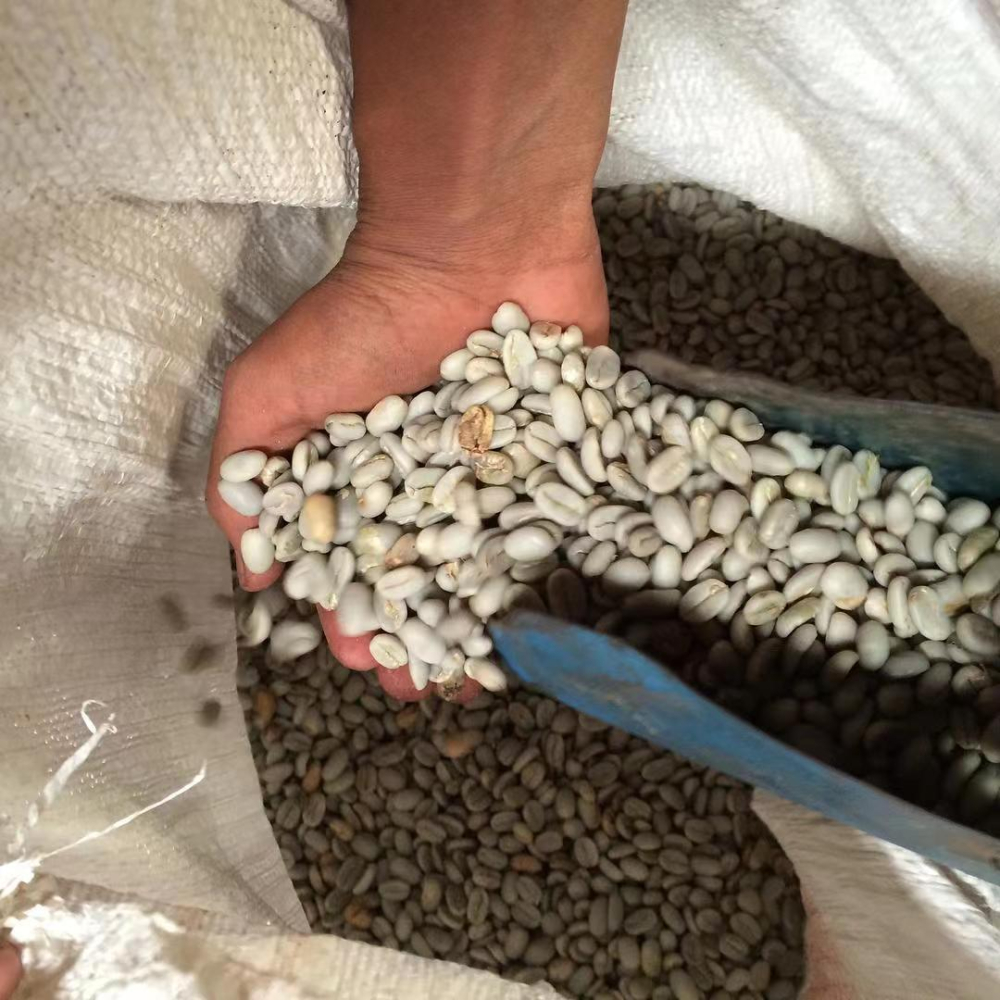
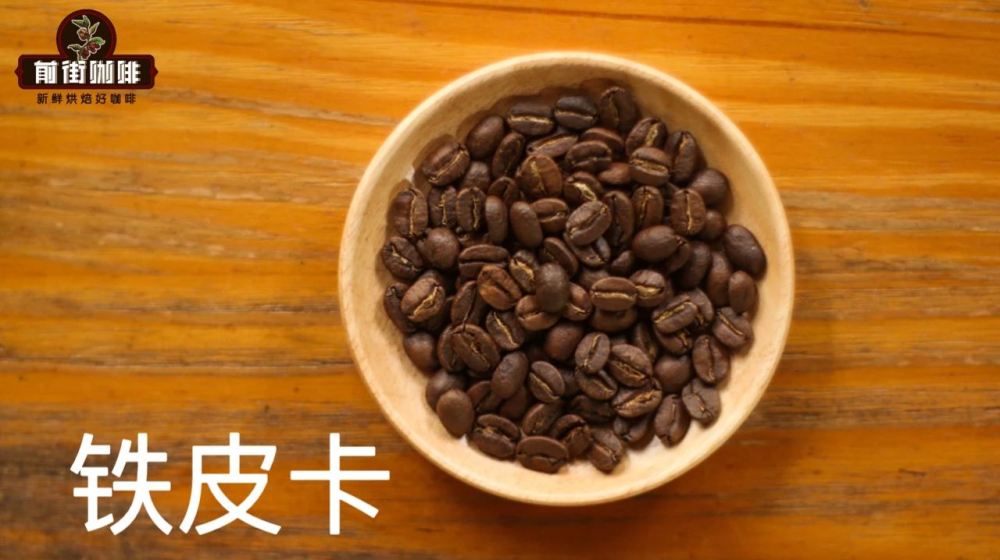
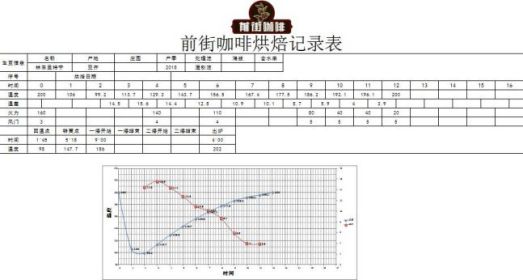
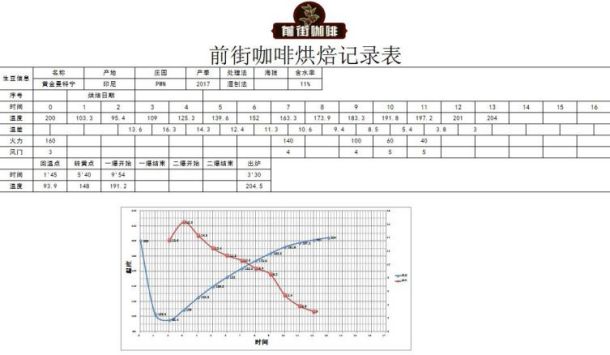
Differences in processing directly affect the flavor profile. Wet-hulling enhances body through rapid dehydration, but it also places strict demands on equipment precision: the shaving force of the wooden depulper must be precisely controlled, as excessive pressure damages the bean. Professional roasters recommend a medium-dark roast (for example, charge temperature 200°C, developing to 204.5°C at first crack), which both suppresses excessive acidity and highlights the sweetness brought by caramelization.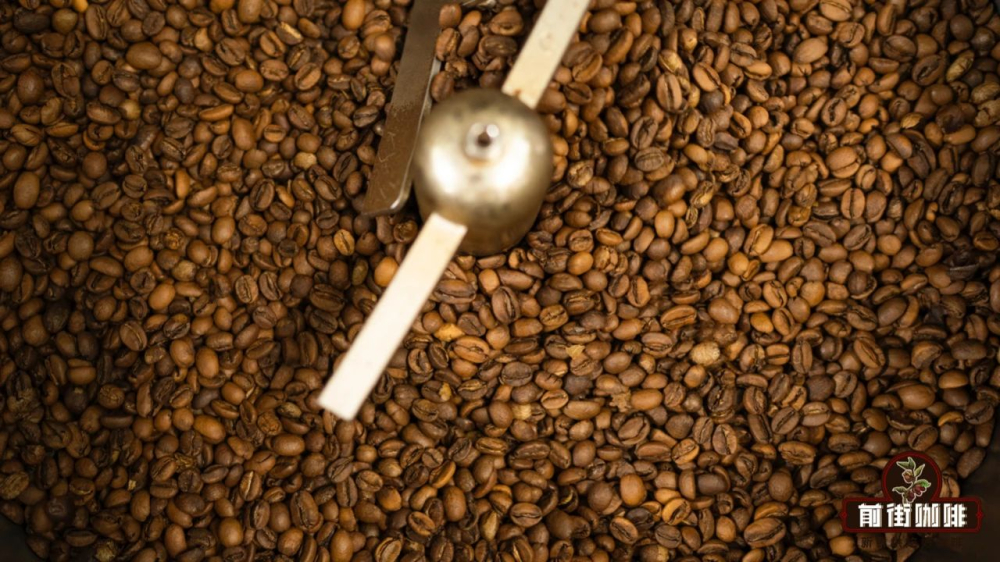
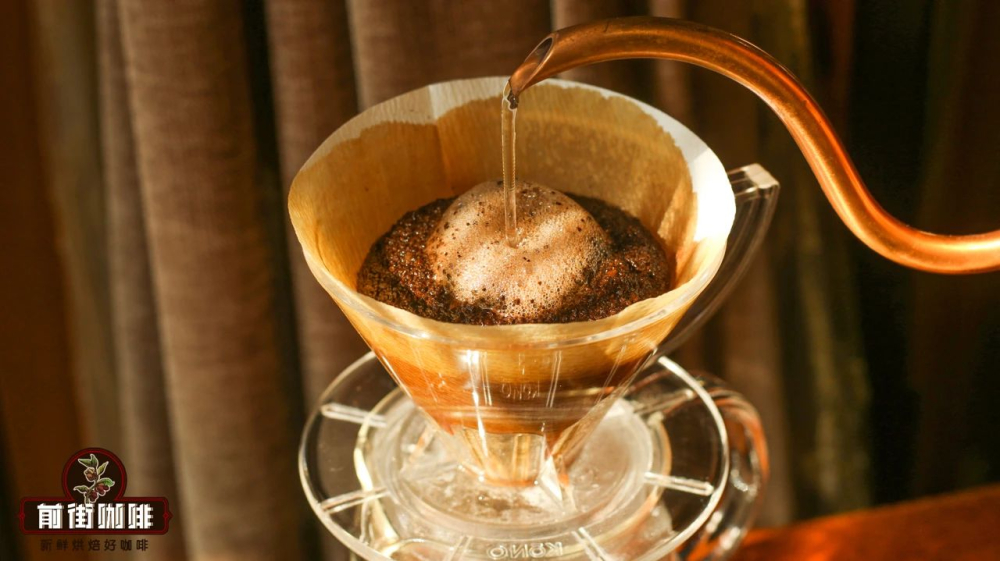
Optimizing brewing parameters is equally key. Tests show that when using a Kono dripper (water temperature 88°C, coffee-to-water ratio 1:15, grind size with 70-75% passing a No. 20 sieve) for staged extraction, Golden Mandheling reveals a layered finish of nuts and chocolate, while Lintong Mandheling stands out for dark chocolate and herbal flavors. Note that the bloom stage needs full activation (30 g of water for a 30-second bloom) to avoid uneven extraction later.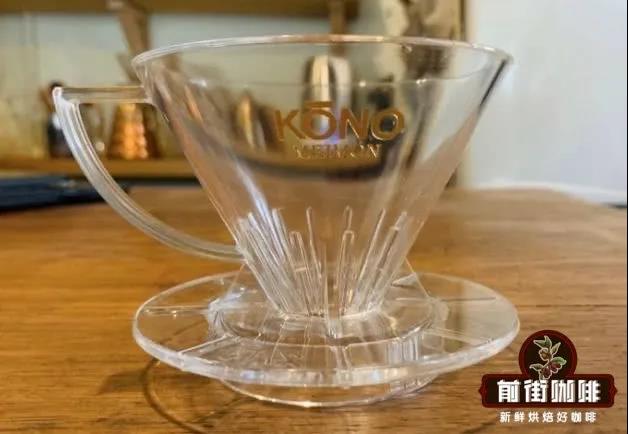
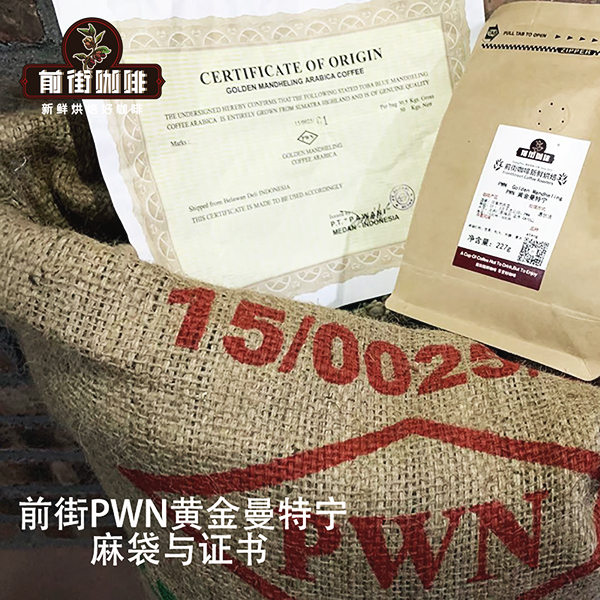
Buyers should note the distinction between commercial concepts and actual varieties: the name 'Golden Mandheling' comes from the golden sheen the processed beans show in sunlight, not from a specific variety; its G1 grade standard requires beans of screen size 18 or above and strictly controlled defect rates. Aged Mandheling, transformed by long storage, has lower acidity and a prominent full body, suiting consumers who prefer a heavy mouthfeel.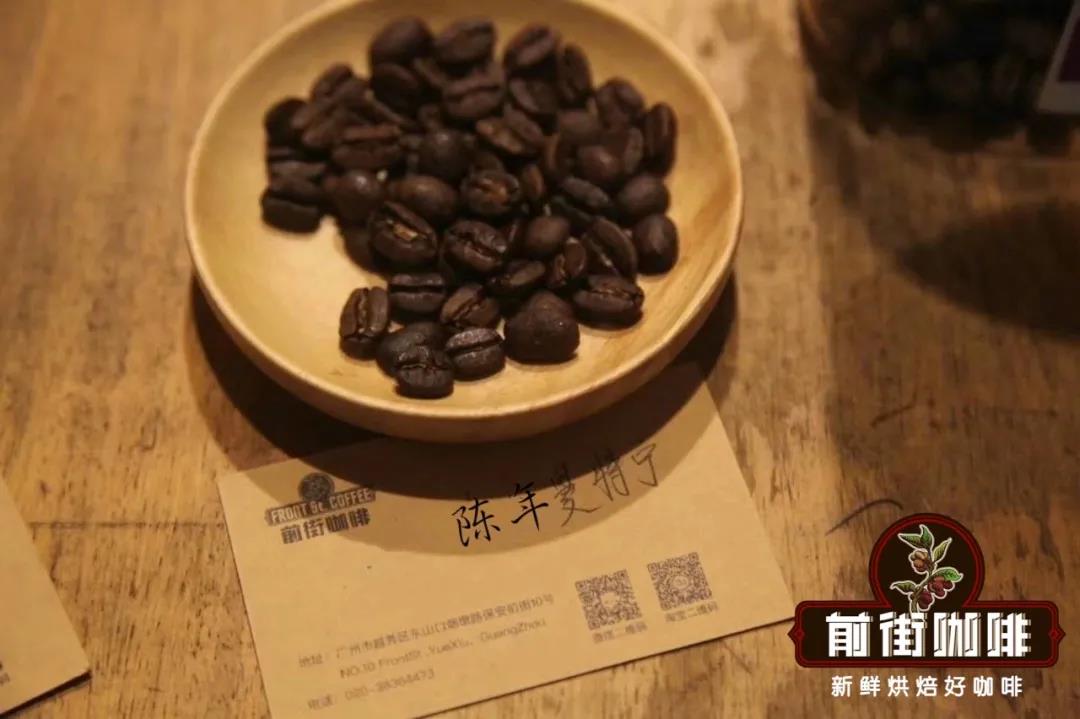
Professional tip: when judging the quality of wet-hulling, observe the bean surface: even semi-dry shave marks and intact silver skin remnants are signs that the process meets standard. Avoid high-temperature and humid environments during storage; unopened roasted beans keep for 12-18 months, but aged beans are best drunk within 3 years for optimal flavor.