Brazilian Coffee Explained: From History to Specialty Pour-Over Flavor and Brewing Guide
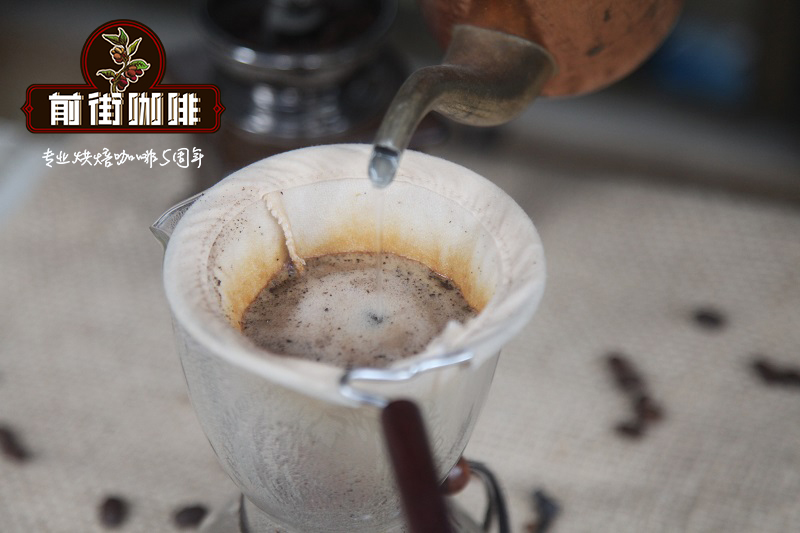
Introduction: Brazil is the world's largest coffee producer, and its coffee industry not only has a long history but also profoundly influences the global coffee market. This article takes you through the evolution of Brazilian coffee from its planting origins to the modern market landscape, explains the distinctive flavor characteristics of Brazilian specialty pour-over beans, and offers professional-grade pour-over parameter suggestions to help you better taste and brew Brazilian coffee.
Brazil is often called the "giant" and "monarch" of the coffee world, and this title is by no means unearned. Currently, about 3.97 billion coffee trees are planted in Brazil, most of them run by small-scale farmers, who contribute 75% of the country's total coffee output. Although Brazil's coffee-producing population is 2 to 5 times that of Colombia, coffee's share of the national economy has clearly declined, accounting for only 8%–10% of GDP. Compared with the glorious period before World War II, when it accounted for more than 50% of global coffee production, Brazil's output share is now about 30%, but it still has a pivotal influence on global coffee pricing; for example, two severe frosts in 1975 and 1994 both triggered sharp fluctuations in international coffee prices.
Brazil's coffee-growing history can be traced back to 1720, when coffee trees were first introduced from French Guiana. After long-term development, coffee cultivation gradually transformed from traditional agriculture into a scientific, large-scale industry. Before 1990, the Brazilian government exercised strict control over the coffee industry, including price intervention and minimum purchase price protection measures, which to some extent led to serious overproduction. Data show that at its peak before World War II, Brazil's coffee stocks once reached as high as 78 million bags, and some of those stocks ultimately had to be disposed of by burning or dumping. After 1990, Brazil gradually opened up its coffee market, and the former "Brazilian Coffee Institute" was replaced by a more neutral, non-investment administrative body—the National Economic Association. The new body adopted a non-intervention policy and encouraged producers and exporters to trade directly, while the government implemented statutory registration and supervision of exporters to ensure standardized market operation.
It is worth noting that Brazilian coffee is not a single category; its producing regions are extensive and its varieties are rich, so it cannot simply be generalized as "Brazilian coffee." From traditional growing areas to emerging high-altitude regions, different microclimates and processing methods give rise to coffee beans of diverse styles, providing varied choices for the specialty coffee market.
For coffee lovers, trying Brazilian specialty pour-over coffee beans is an experience worth recommending. This type of coffee usually has low acidity, a full body, and rich nutty, chocolate, and caramel flavors; some producing regions also show soft fruity notes. The overall flavor is balanced and easy to drink, making it very suitable as an everyday staple bean or an entry-level pour-over choice.
For brewing, to better showcase the flavor characteristics of Brazilian specialty pour-over beans, the following parameters are recommended: use a V60 dripper with a Fuji Royal grinder at setting 4 (about medium-fine grind), and control the water temperature at around 88°C. The recommended coffee-to-water ratio is 1:14, that is, 15 grams of coffee grounds to 225 milliliters of water, with a total brew time of about 2 minutes. In practice, pour in two stages: first add a small amount of hot water for a 30-second bloom, then slowly and evenly pour in the remaining water, keeping the flow steady and avoiding pouring too fast or too forcefully, so as to ensure full extraction without over-extraction.
In addition, because Brazilian coffee beans have moderate density, they generally adapt well to a wide range of roast levels, from medium to medium-dark, but specialty-grade Brazilian beans are often mainly medium to medium-dark roasted, which better highlights their nutty and chocolate-like flavor characteristics. For storage, it is recommended to use sealed bags with one-way degassing valves, place them in a cool, dry place, and avoid direct sunlight and high-temperature environments to maintain freshness and flavor performance.
In summary, Brazil is not only an important pillar of global coffee supply, but its specialty coffee beans also have unique regional flavors and high cost-performance advantages. Whether from the perspective of industry history, market influence, or flavor characteristics and brewing practice, Brazilian coffee is worth every coffee lover's in-depth understanding and appreciation.


