Brazilian Coffee Beans: From Farm to Flavor and Pour-Over Tips
Introduction: As the world's largest coffee producer, Brazil is known for its coffee beans' distinctive flavor and consistent quality. This article takes you deeper into the growing environment and harvest timing of Brazilian coffee beans, breaks down the flavor, aroma and mouthfeel characteristics of representative varieties such as Santos, and offers practical pour-over parameter suggestions to help you better savor the mellow charm of Brazilian coffee.
Brazil is known as the "coffee kingdom"; it is not only the world's largest coffee exporter but also an important consumer market. The coffee culture here is like China's tea culture, carrying respect and sincerity. Brazilian coffee is known for its mild aroma, low acidity and balanced bitter-sweetness, making it a classic everyday choice for many coffee lovers.
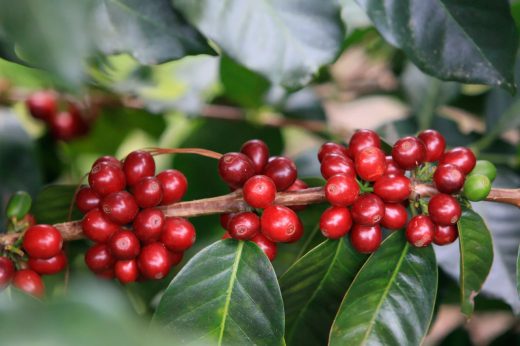
Brazilian coffee's distinctive flavor is no accident. Abundant sunshine in northern Brazil provides ideal conditions for coffee growing, with more than 4 billion coffee trees planted nationwide, mainly of the Arabica species. Among these, Santos is a representative variety, named after the historical export route through the port of Santos in São Paulo state. Interestingly, the African killer bees introduced locally inadvertently increased the aroma concentration of the coffee cherries during pollination, making Brazilian coffee's flavor even richer.
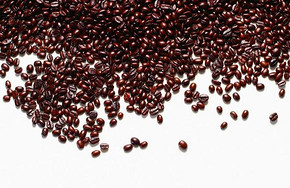
Brazilian coffee's typical flavor profile shows low acidity, a mild nutty and chocolate base, often with a faint grassy note or caramel finish. Its mouthfeel is full and smooth, with gentle bitterness, suited to drinkers seeking a balanced flavor. When extracting, a medium-fine grind (similar to fine sugar granules) is recommended, with water temperature controlled at 90-93°C, a coffee-to-water ratio of 1:15 to 1:16, and a center-pour technique to avoid over-extracting tannins.
Brazil's coffee plantations are mainly concentrated in the southeastern coastal region, including the states of São Paulo, Paraná and Minas Gerais. These areas occupy one-third of Brazil's tropical rainforest climate zone and two-thirds of its tropical savanna climate zone, mostly at elevations of 800-1200 meters, with large day-night temperature differences that help the coffee cherries ripen slowly and accumulate flavor compounds.
The development of Brazil's coffee industry began in the 18th century. In 1727, coffee was introduced from Guiana to the port of Belém and subsequently took root in the southeast. The late 19th century to the 1920s was the golden period, when Brazil once accounted for 75% of global coffee production. Today, although the economic structure is diversified, coffee remains an important economic pillar, with annual output stable at tens of millions of bags.
Harvest timing directly affects coffee quality. Brazil mainly uses mechanical harvesting, concentrated from May to September each year (the Southern Hemisphere winter). Ripe red coffee cherries are preferentially selected and, after pulping and fermentation, drying or mechanical drying, become green beans. High-quality Brazilian coffee usually requires 2-3 weeks of careful processing to ensure moisture content stabilizes at 11-12%.
In terms of flavor expression, Brazilian coffee is often used as a blending base, able to balance the bright acidity of African beans or the fullness of Central and South American beans. When brewed on its own, a French press or Clever Dripper is recommended to better highlight its full body and nutty notes. For storage, keep it sealed and away from light at 10-20°C, and it is best to finish the bag within 30 days of opening.