Ethiopian Harrar Coffee: Flavor Secrets of an Ancient Region
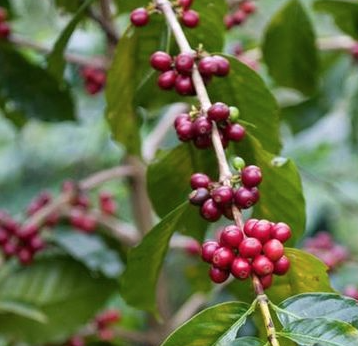
Introduction: This article takes you to explore one of Ethiopia's oldest coffee regions, Harrar, revealing its unique tradition of hand-picking and natural drying methods. From the legendary story of the shepherd who discovered coffee to Harrar coffee's signature blueberry notes and rich winey aroma, we will analyze this classic bean's growing altitude, flavor layers and brewing points, helping you gain a deeper understanding of the essence of African coffee culture.
In coffee lovers' legend, on the Ethiopian highlands in 850 AD, the shepherd Kaldi first noticed that goats became unusually active after eating certain red fruits. This accidental discovery eventually brought Arabica coffee beans from Ethiopia to the world. Today, this East African country is still globally recognized as a treasure trove of coffee genetics, and the Harrar region is known for producing one of the world's oldest coffee varieties.
Harrar coffee mainly grows at altitudes of 1,400-2,000 meters in semi-highland areas, in a dry region northeast of Yirgacheffe. Unlike Yirgacheffe's high-altitude washed processing, Harrar beans mostly use the traditional natural drying method—coffee cherries are spread directly on African drying beds and slowly dehydrated in the sun for up to three weeks. This process gives the coffee a stronger fermented character, forming a unique blueberry fruit aroma and wine-like mellow finish.
Local farmers still insist on hand-picking coffee cherries at optimal ripeness and use organic farming methods to maintain soil ecology. Harrar is considered one of the oldest surviving cultivated coffee varieties, with extremely high genetic stability; even after hundreds of years it retains a distinct regional character. It is worth noting that this coffee's natural processing requires precise control—over-drying leads to over-fermented defective flavors, while insufficient drying affects storage stability.
In terms of flavor, high-quality Harrar coffee often presents complex layers of dark berries, dark chocolate and spice, with bright but not overly sharp acidity and medium-to-full body. Beginners may first notice a strong dried blueberry flavor, the signature characteristic of naturally processed beans from this region, followed by a caramelized sweetness similar to espresso. Professional roasters recommend roasting Harrar beans to a medium-dark level to balance their natural wild flavors.
For home brewing, a V60 dripper with 92-94°C water and a 1:15 coffee-to-water ratio is recommended to better show the balance of fruit acidity and sweetness. When pouring by hand, use a three-pour method: after the first bloom, slowly pour to half, wait for the coffee bed to fully degas, then continue pouring; this effectively brings out the blueberry aroma. If using a French press, it is recommended to extend the extraction time to 4 minutes to fully extract the mellow compounds brought by natural processing.
When buying Harrar coffee, note: coffee truly from Ethiopia's Harrar province will state "Harrar" or "Harar" as the origin on the packaging, rather than a vague "Ethiopian natural." High-quality lots should have a clear harvest year (generally green beans from the current or previous year are recommended), and the packaging will indicate the processing method as "Natural/Dried-in-the-Fruit." Avoid buying mixed beans labeled "Ethiopian Blend," as such products often dilute Harrar's unique character.


