How to Brew Brazilian Bourbon Coffee: Flavor Guide and Pour-Over Recipe

Introduction: Brazil is the world's largest coffee producer, and its Bourbon coffee beans are known for their mild, balanced flavor, making them suitable for beginners and everyday drinking. This article explains the main Brazilian coffee varieties, processing methods and flavor characteristics, and provides a professional pour-over recipe to help you fully bring out the nutty, chocolate and caramel notes of Brazilian beans while avoiding common extraction mistakes.

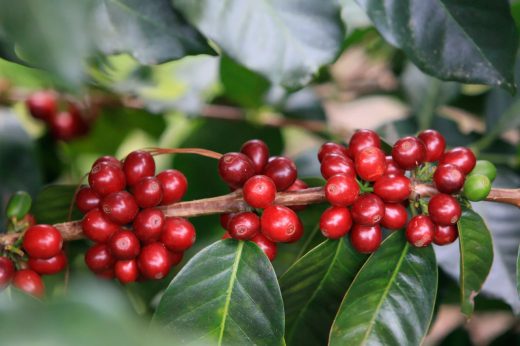
As the world's largest coffee producer, Brazil is known for its plump beans and mild flavors. Brazilian Bourbon coffee beans are especially popular; this Arabica variety originates from a Typica mutation and has a moderate acid-bitter balance with a smooth mouthfeel, soft acidity and an elegant, wine-like character. Because of stable yields and reliable quality, Brazilian beans are often used as the base of coffee blends.
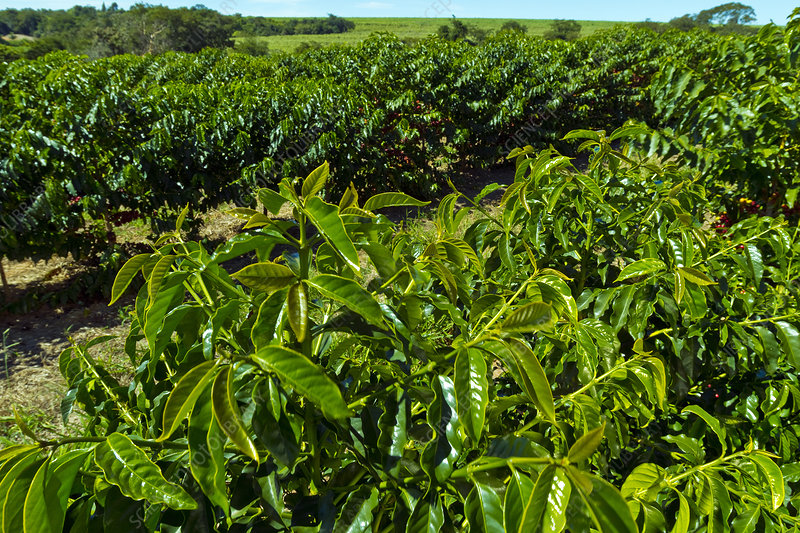
Brazil not only produces Arabica coffee but also grows Robusta. Robusta, sold under the name 'Conillon', accounts for 15% of the country's total output and is mainly found in the western state of Rondônia and the coastal state of Bahia. High-quality Arabica beans, meanwhile, are concentrated in Minas Gerais, where common varieties include Red Bourbon, Yellow Bourbon, Mundo Novo and Catuai, with small amounts of Caturra, Acaiá and Obatã also cultivated. The Campinas Institute of Agronomy in São Paulo is an important coffee variety research center in Brazil, and the globally widely planted Catimor variety was developed there.
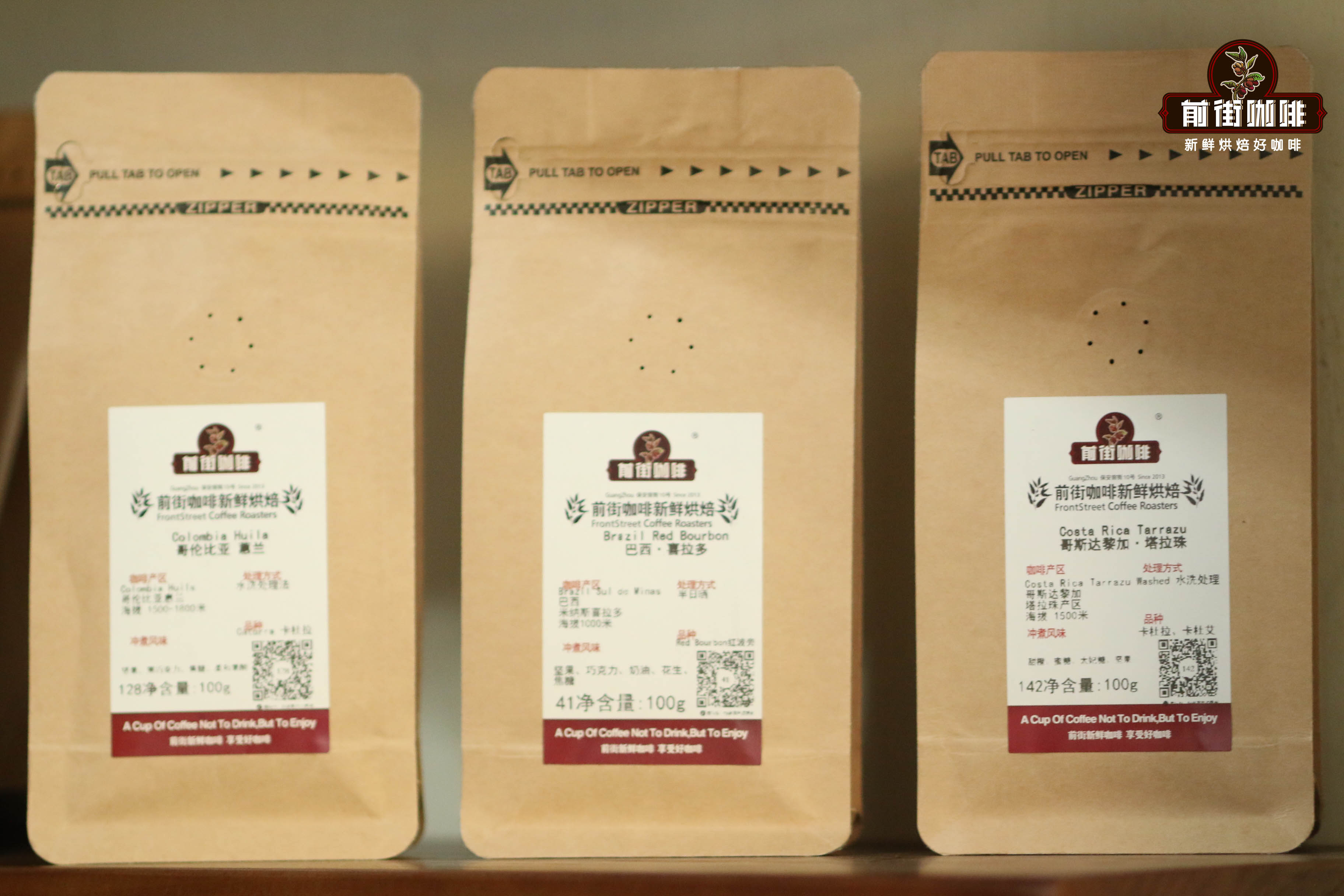
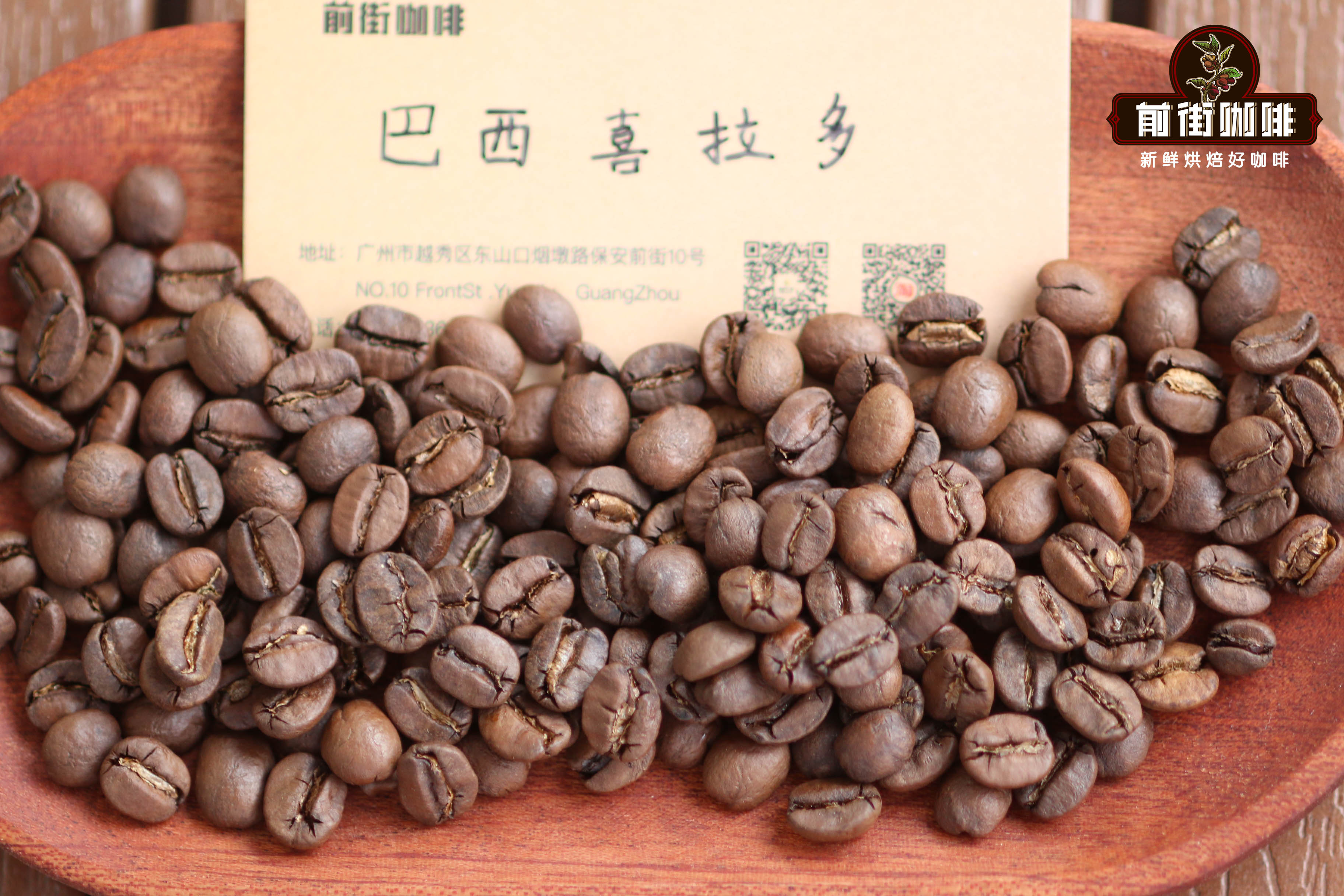
Among Brazilian Arabica coffees, the Bourbon variety is especially classic. As a Typica mutation, Bourbon coffee usually shows rich acidity and wine-like complexity. Among Brazil's many producing regions, Red Bourbon from the Cerrado highlands has stable quality thanks to large-scale mechanized farming; the region uses a distinctive 'pulped natural' processing method that effectively reduces defect rates while keeping prices affordable. This coffee's flavor is dominated by nuts, peanuts, dark chocolate and caramel, with a rich, layered mouthfeel.
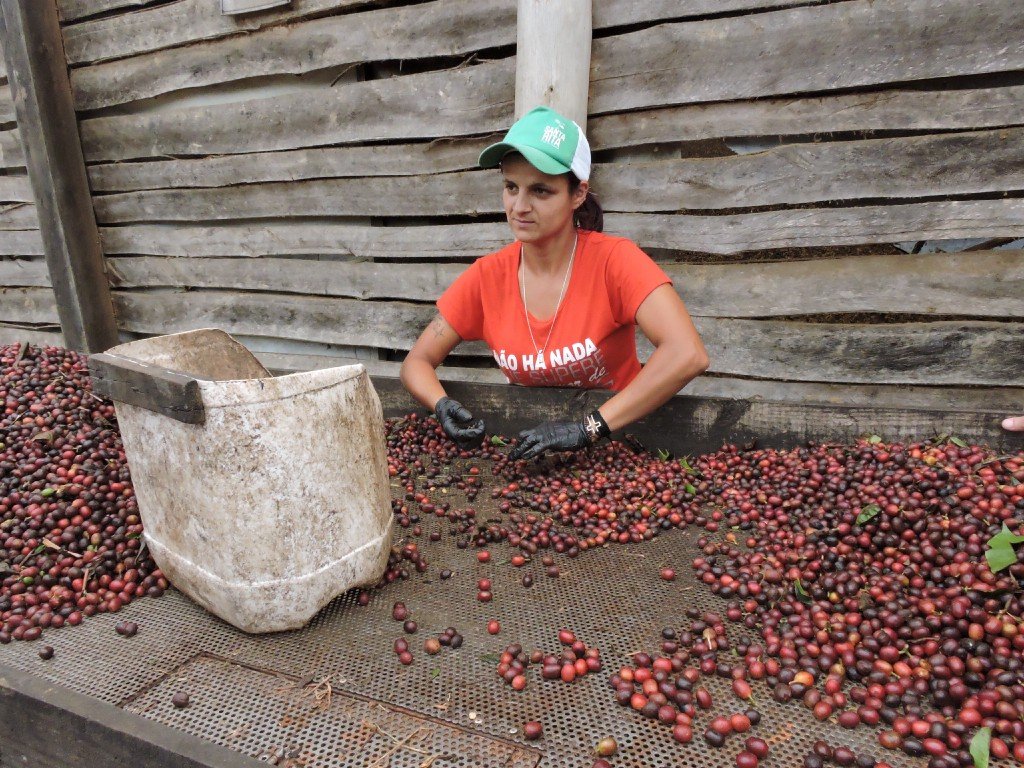
Brazil's coffee processing is closely tied to its output. Because the country is vast and production is huge, the traditional method is natural (dry) processing—although this method is low-cost, it easily leads to rough flavors, which is why Brazilian coffee is often stereotyped as 'roughly made' (note that output from high-quality estates is an exception). After 1990, Brazil widely promoted the 'pulped natural' method (also called semi-washed): first, floating fruit and defective beans are removed in a water tank, then the skin, pulp and some mucilage are removed by machine, followed by washing and drying or mechanical drying. This method balances efficiency and quality, greatly reducing defect rates while saving water and labor costs.
Brazil does not have a 'Grade 1 coffee bean' classification standard. Its official grading system, the 'NY grading method', considers bean size, defect count and cup performance, with the highest grade being NY.2—because Brazil considers that 'completely defect-free beans (i.e. NY.1) do not exist'. This rigorous grading system ensures transparency in coffee quality.
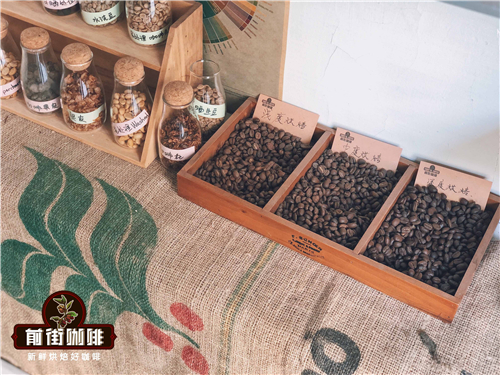
The Yellow Bourbon coffee beans from Brazil's Fazenda Rainha (Queen's Farm) are a popular choice on the market, processed by the pulped natural method and showing vivid sweetness. The estate belongs to the long-established Carvalho Dias family and has won numerous honors since the first Brazil Cup of Excellence competition in 1999, with more than 12 awards in 7 years, including the championship in 2004. Such honors confirm that its quality far exceeds that of ordinary Brazilian beans.
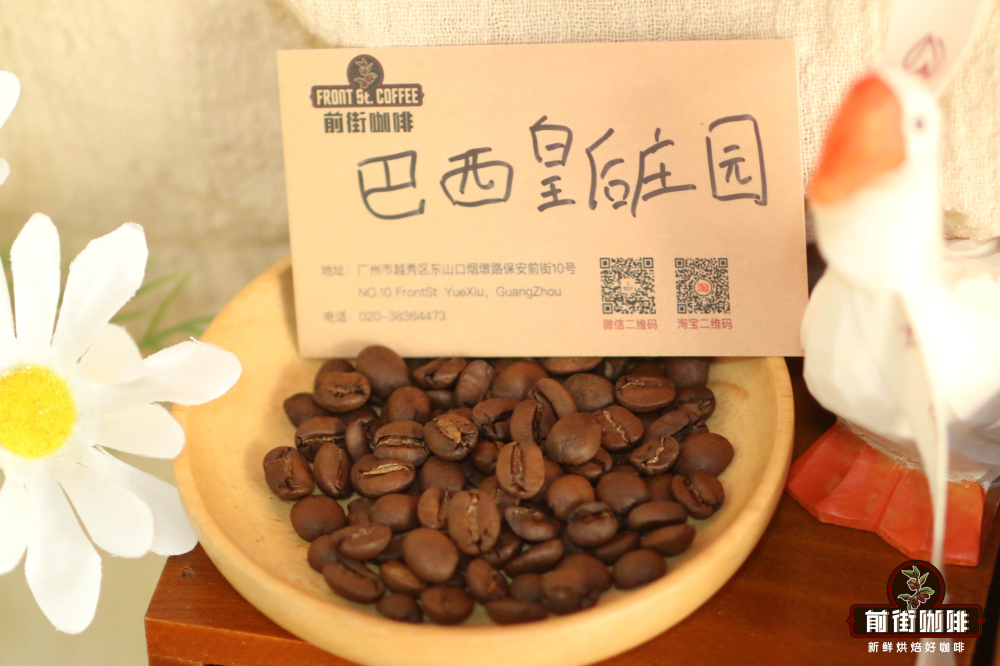
To fully unlock the flavor potential of Fazenda Rainha Yellow Bourbon, the roasting stage requires precise control. Because the green beans have low moisture content and a dense texture, the heat-absorption time should be extended during roasting to avoid flavor defects caused by rapid heating. A medium roast is ultimately used, which highlights the floral and fruity aromas while balancing the rich nutty and chocolate base.
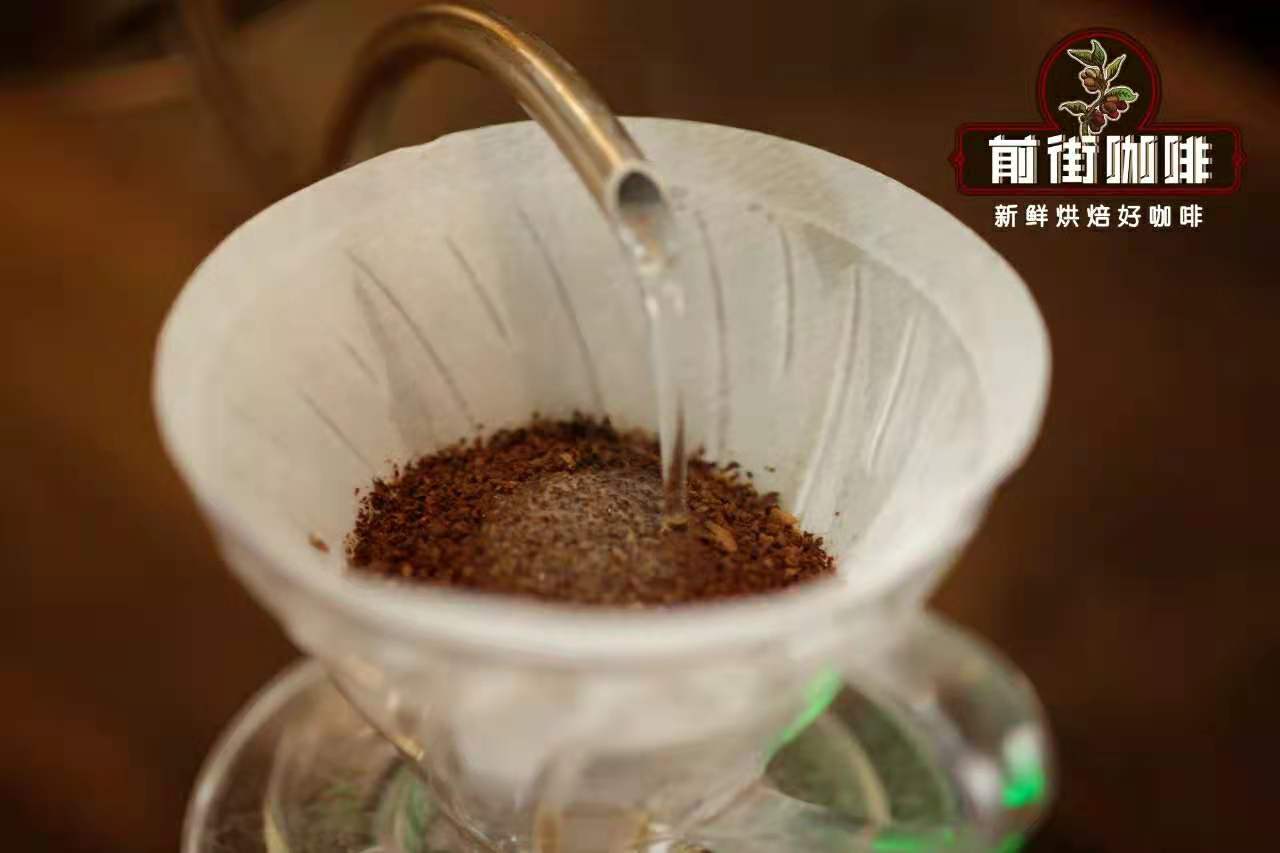
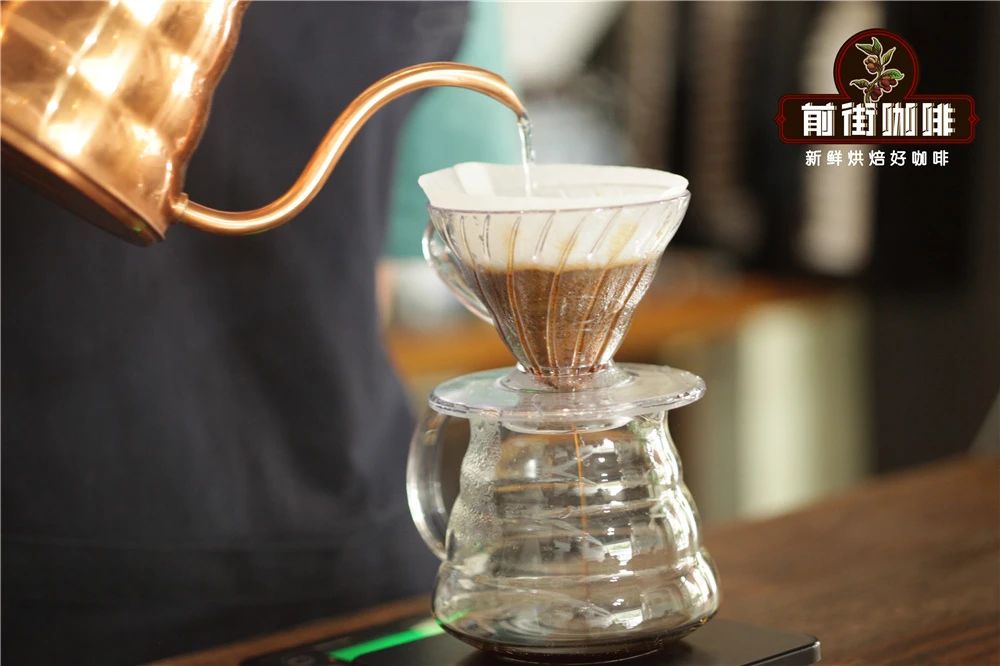
When brewing this coffee by pour-over, a three-stage pouring method is recommended: first, evenly wet the coffee bed with 30 grams of hot water; when the scale reads 30 seconds, begin the second pour, preferably in small circles from the center, keeping the flow steady and continuous to avoid astringency or a flat flavor caused by improper water volume. The third pour should be done when the water level approaches the coffee bed, again keeping the flow even, stopping the pour at 1 minute 50 seconds and finishing the drawdown at 2 minutes.
This coffee has a distinctive flavor profile: a bright sweetness and delicate lemon aroma on entry, a rich nutty flavor in the middle, and a mellow dark chocolate note in the finish. The overall mouthfeel is round and full, showcasing the classic characteristics of Brazilian coffee while preserving a unique lively personality through fine processing and roasting—an ideal choice for experiencing the flavor of Brazilian Bourbon.