Brazilian Coffee Grading and Processing: Why Blends Favor It
Introduction: Brazil is the world's largest coffee producer, but why do most Brazilian coffee beans go into blends rather than specialty coffee? This article explains Brazilian coffee grading standards, the characteristics of five major regions, and mainstream processing methods, compares the flavor differences between Brazilian, Colombian, and espresso blend beans, reveals the unique role of Brazilian beans in blends, and provides practical pour-over and roasting parameter references.
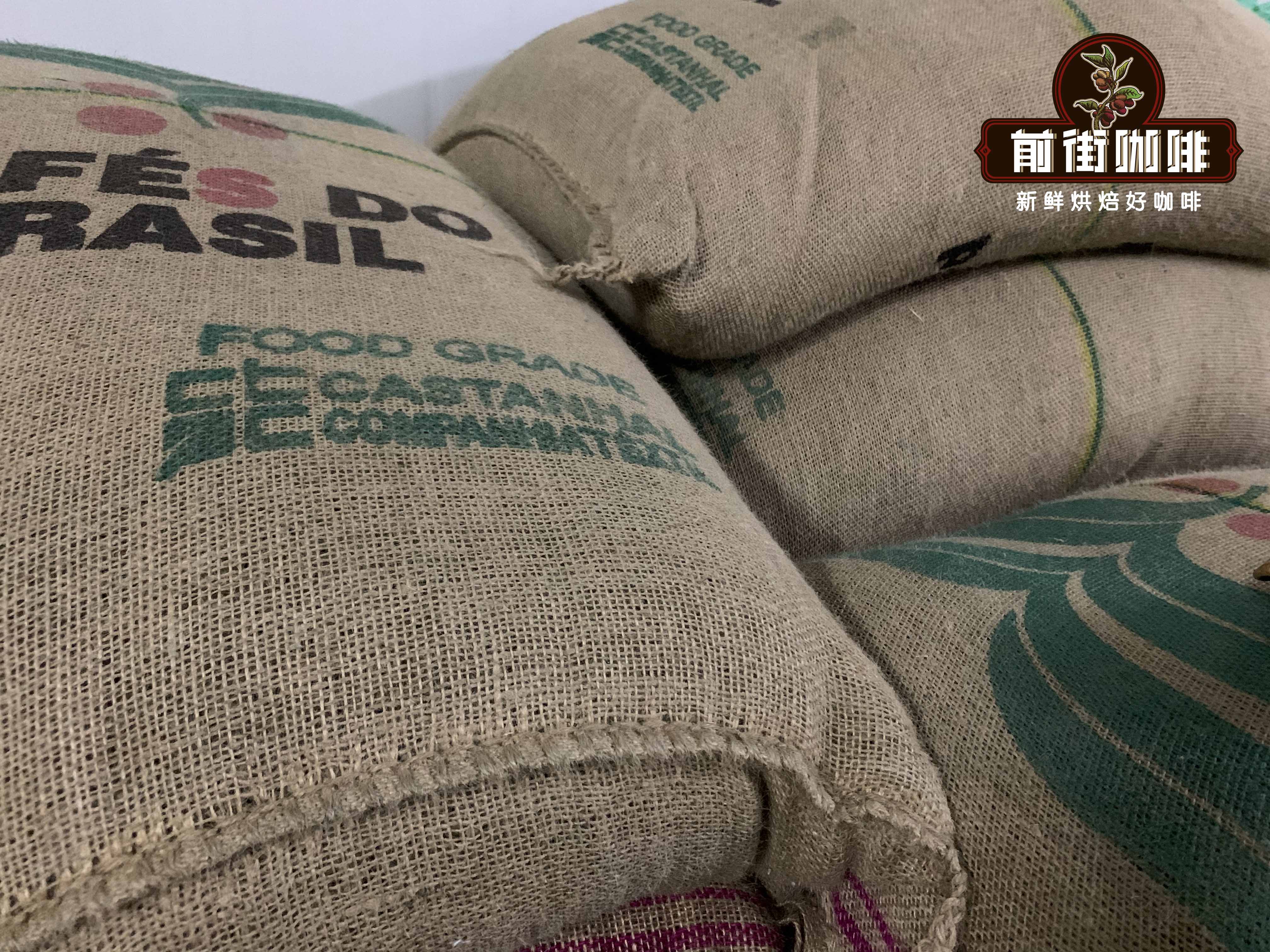
Coffee was introduced to Brazil in the 18th century. After being brought to the port of Belém from Guiana in 1727, it gradually took root in the four southeastern coastal states of São Paulo and Minas Gerais. From the late 19th century to the 1920s, Brazil's coffee production once accounted for 75% of the world total, and export revenue made up two-thirds of the national total, establishing its status as the "coffee kingdom." But after the 1929 economic crisis, with the rise of industry, coffee's share of the economy declined; even so, Brazil remains the world's largest producer and exporter to this day.

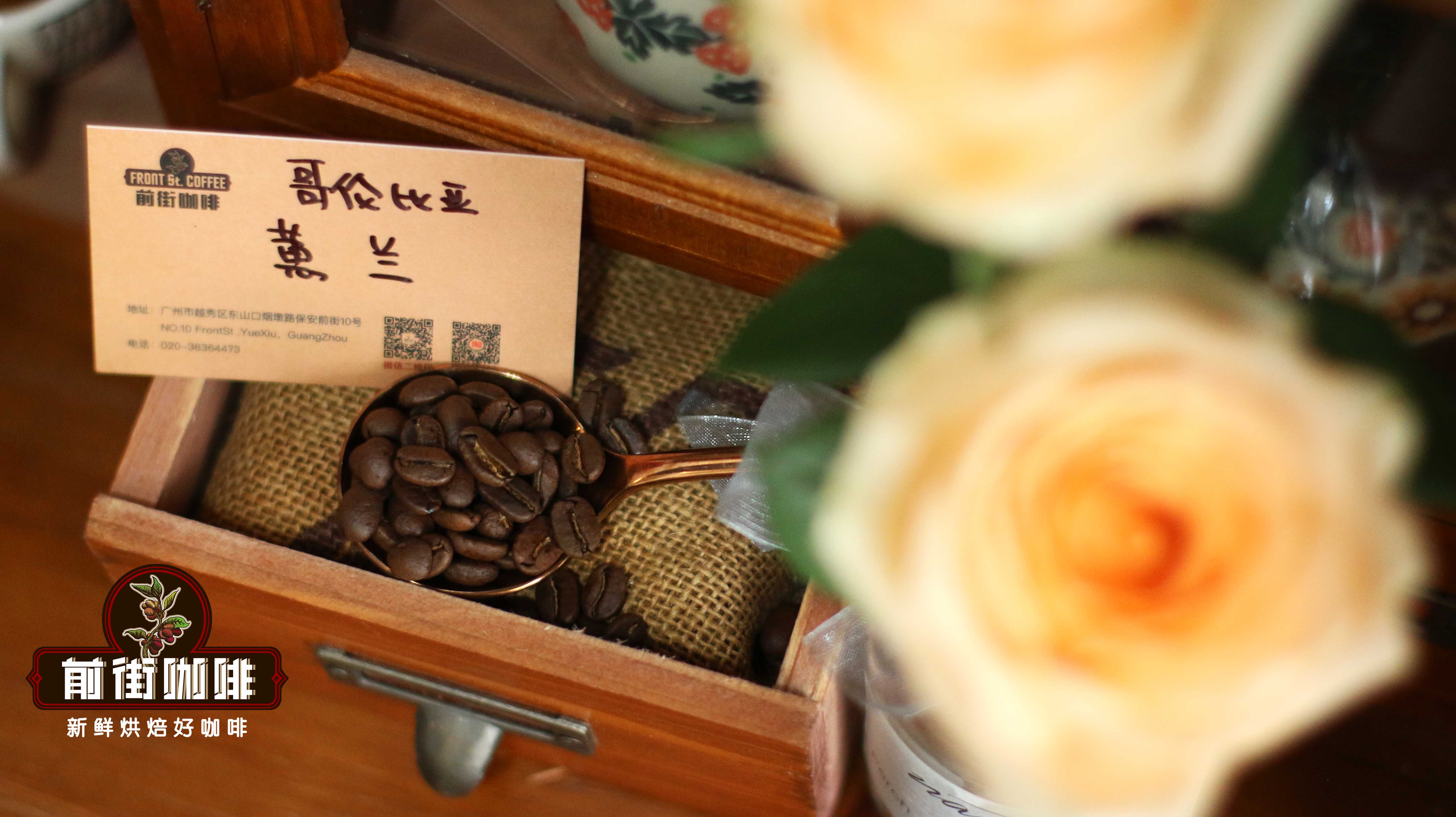
Brazilian coffee is characterized by low altitude, flat terrain, and little shade-grown cultivation, forming a unique "soft bean" flavor: low acidity, prominent nut and chocolate sweetness, full-bodied and balanced, occasionally with woody or earthy notes—a sharp contrast to the high acidity and floral notes of African beans.
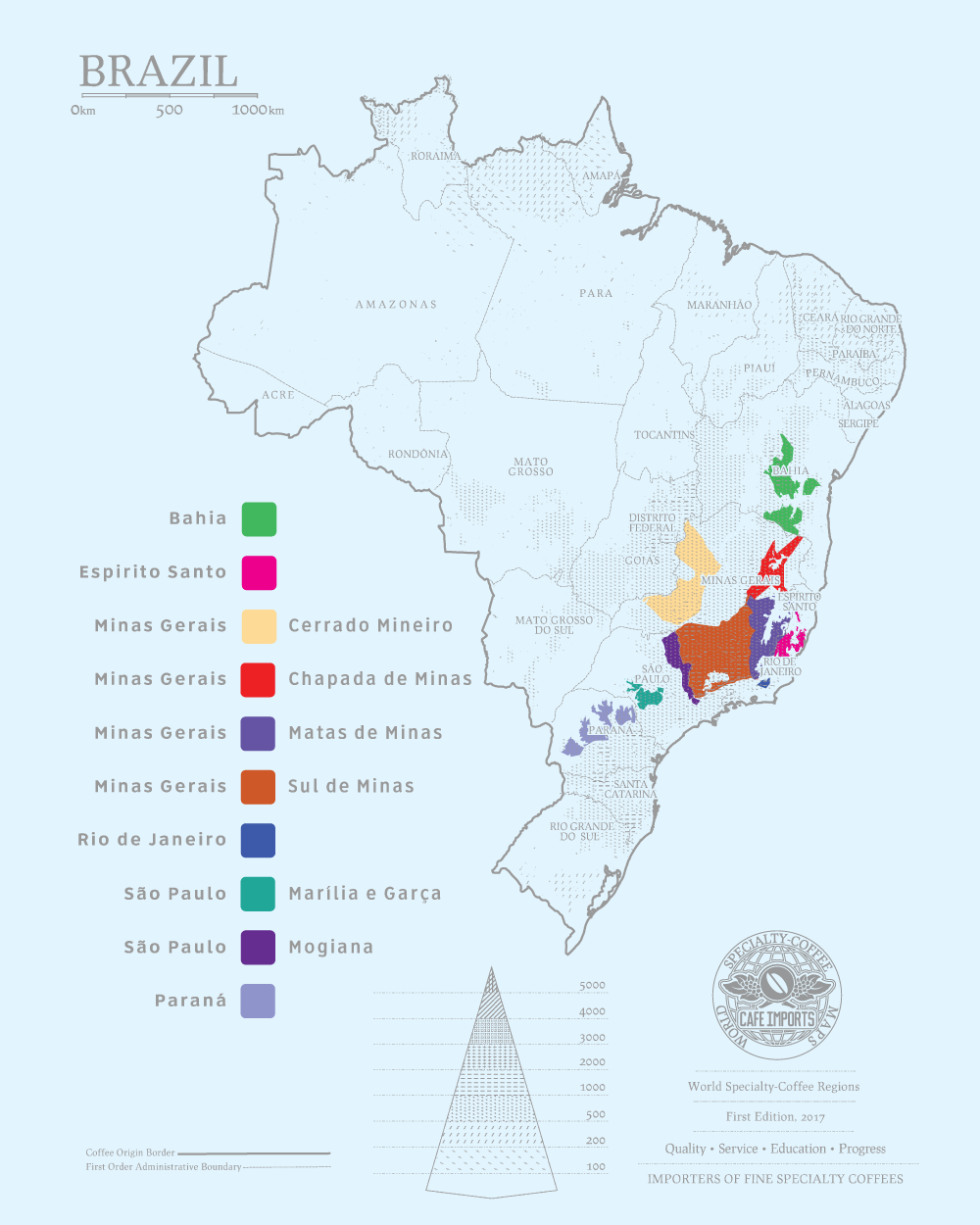
Its flavor grading system is divided by five sensory dimensions: Strictly Soft (high-potential regions such as South Minas), Soft (central regions such as Bahia), Softish (eastern Minas), Hard (low-altitude areas of Paraná), and Rioy (the many flatlands of Espírito Santo). In recent years, specialty beans from regions such as South Minas and Cerrado have gradually emerged.
In terms of processing, Brazil adapts to local conditions by using natural, pulped natural, and washed methods. Before 1990, extensive natural processing caused earthy flavor problems; the later-developed pulped natural method shortened processing time, enhanced fruity sweetness, and reduced the risk of off-flavors, making it more suitable for single-origin brewing. Regional humidity determines the processing method—dry areas tend toward natural processing, while humid areas commonly use pulped natural or washed methods.
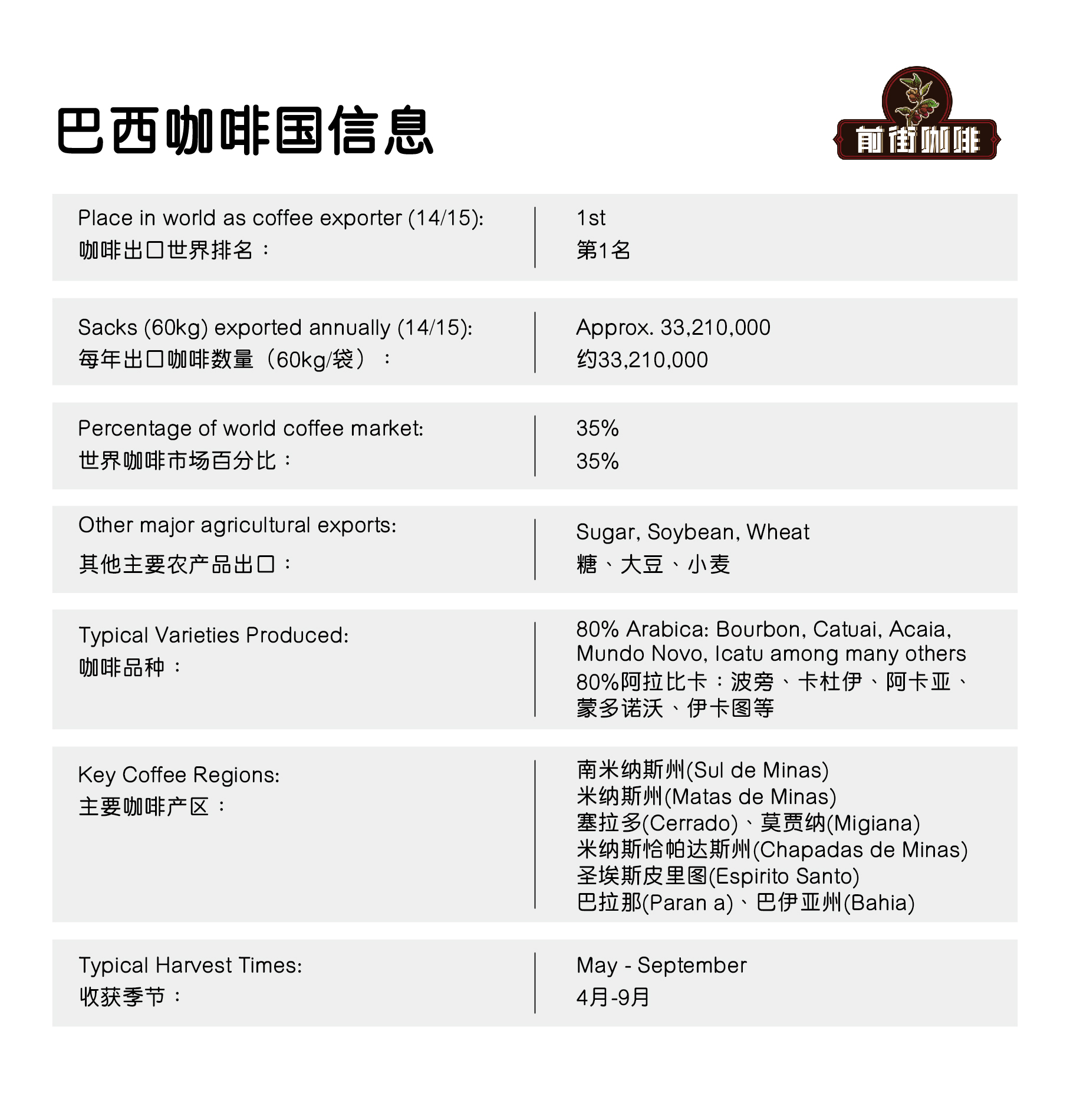
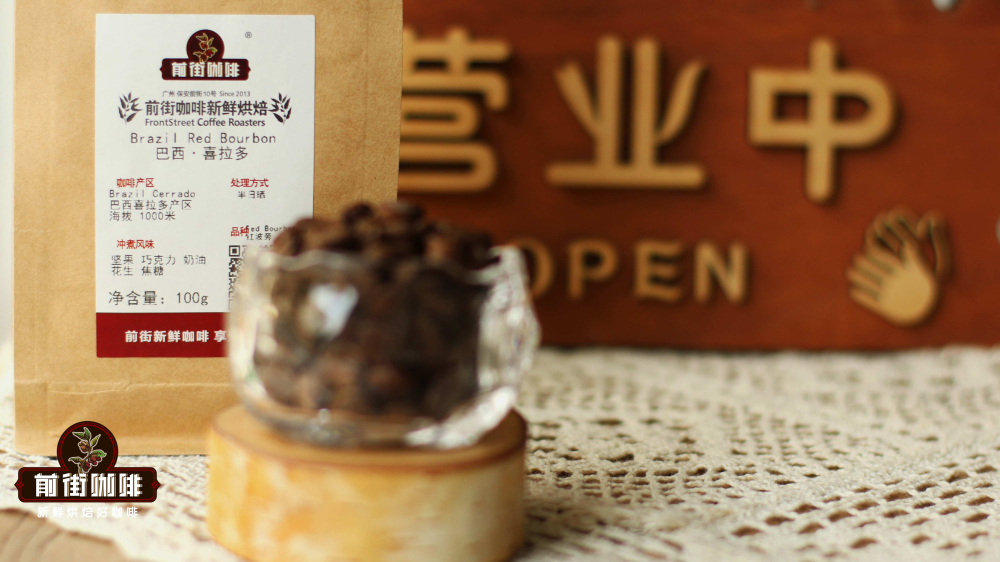
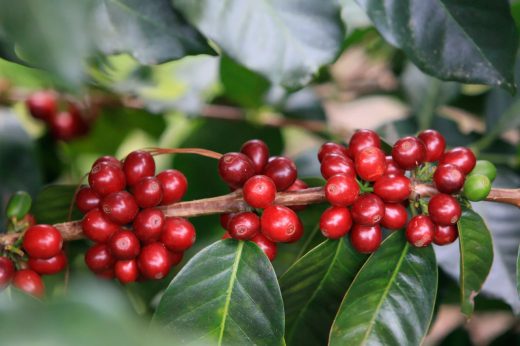
In terms of varieties, Brazil grows Arabica mainstays such as Red Bourbon, Yellow Bourbon, Mundo Novo, and Catuai, along with research varieties such as Caturra. Catimor, bred by the Campinas Agricultural Research Institute (the globally widely planted Catimor variety originates here), is an important achievement. Notably, Brazil also grows Robusta, whose low-cost characteristics are often used in commercial blends.
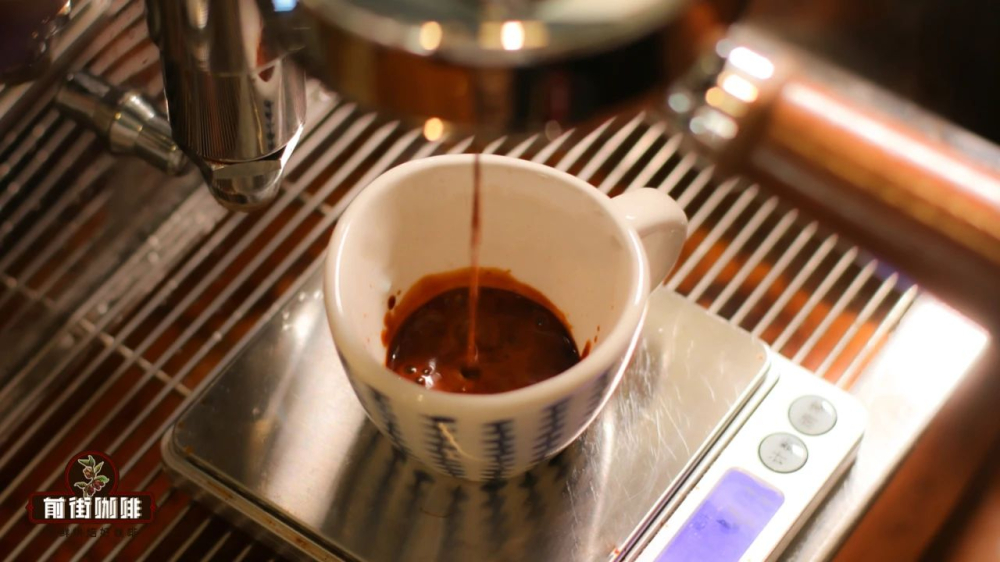
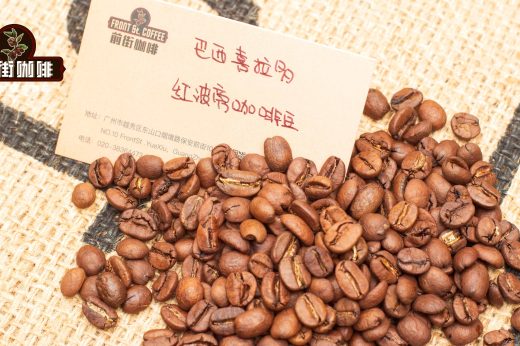
Why are Brazilian beans mostly used in blends? The core reason is large output and affordable price, making them suitable as a balanced base to harmonize strong flavors. Although specialty-grade Brazilian beans exist, influenced by industrial policy orientation, the proportion of exceptional lots is limited. For example, classic espresso blends often use Brazilian beans as the backbone, pair them with Mandheling to enhance body, and add a small amount of Robusta to boost crema and optimize latte art performance.
Coffee from Colombia's Huila region (1,500–1,800 meters above sea level) is mainly Bourbon and Caturra varieties; washed processing gives it plump beans and high density. In flavor, nut, chocolate, and caramel notes are prominent, with moderate acidity, making it a cost-effective blend base or single-origin choice.
Brazil's Cerrado region (1,000–1,300 meters above sea level) mostly produces pulped natural Bourbon beans; medium moisture content and relatively thin bean quality require controlled roasting temperatures. Its typical flavors include a sweet-bitter balance, fresh grassy notes, and a milk chocolate finish, making it suitable as the body-giving component in a blend.
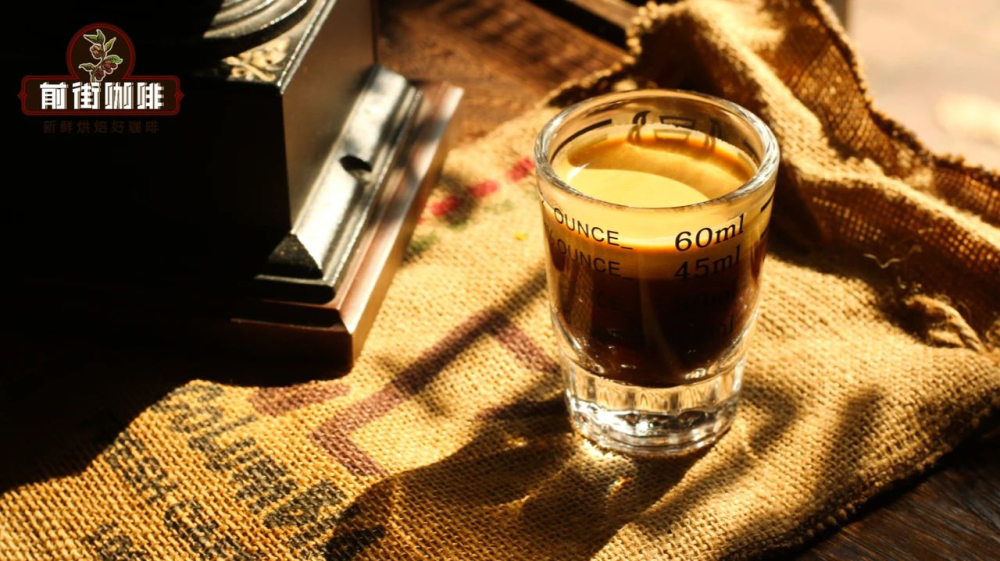
When Huila and Cerrado beans are roasted to a medium-dark level at a 3:7 ratio, the espresso shows soft slight acidity and a nutty sweet aftertaste with moderate crema; if further combined with Lintong Mandheling (sweet herbal aroma) and Brazilian Red Bourbon (tropical fruit sweetness) in a 1:1 blend and roasted medium-dark, it can produce a classic latte flavor with balanced acidity and bitterness and rich layers of caramel and chocolate.
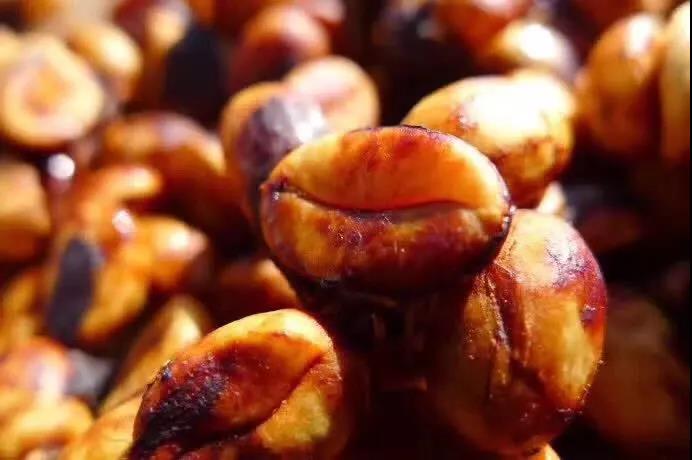
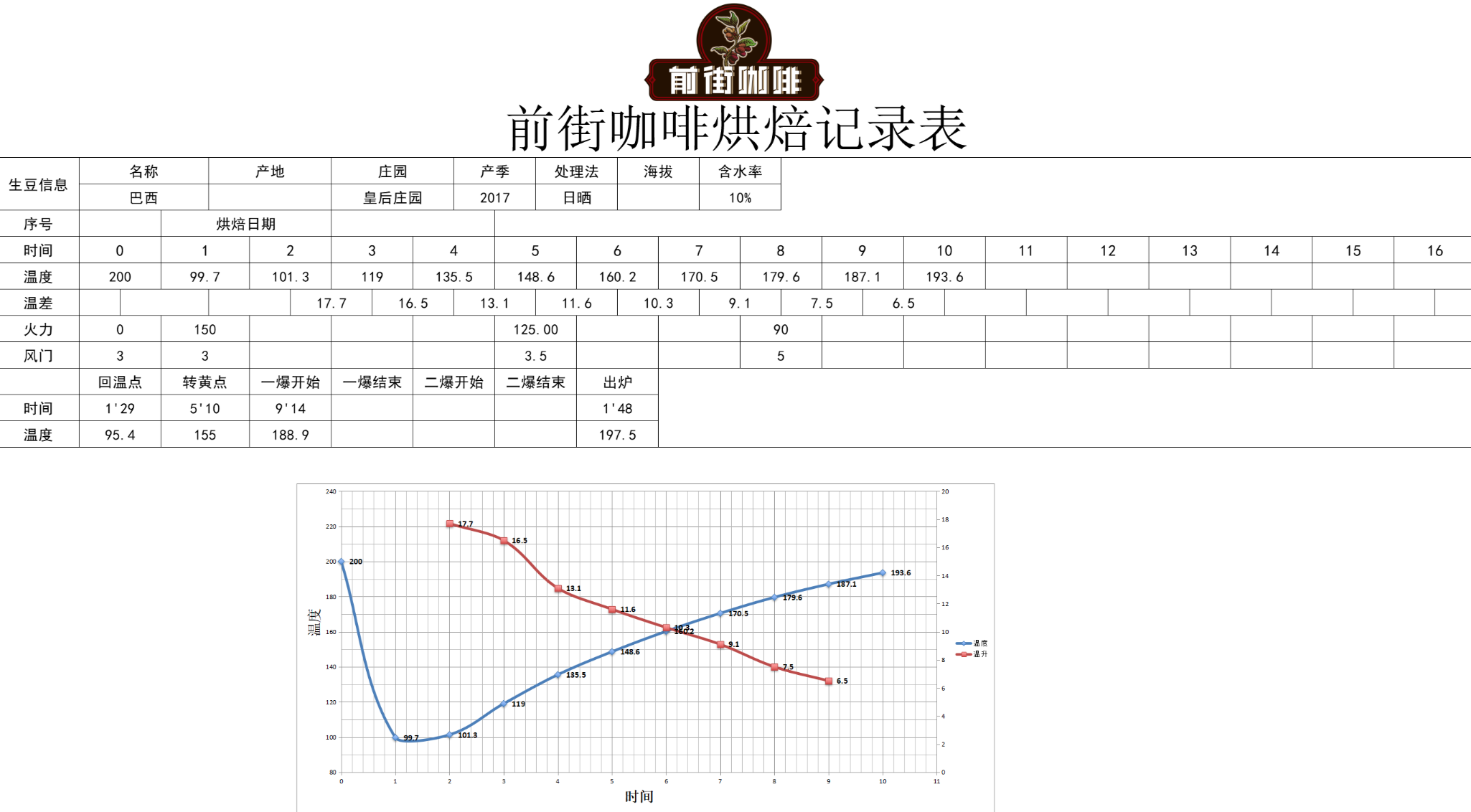
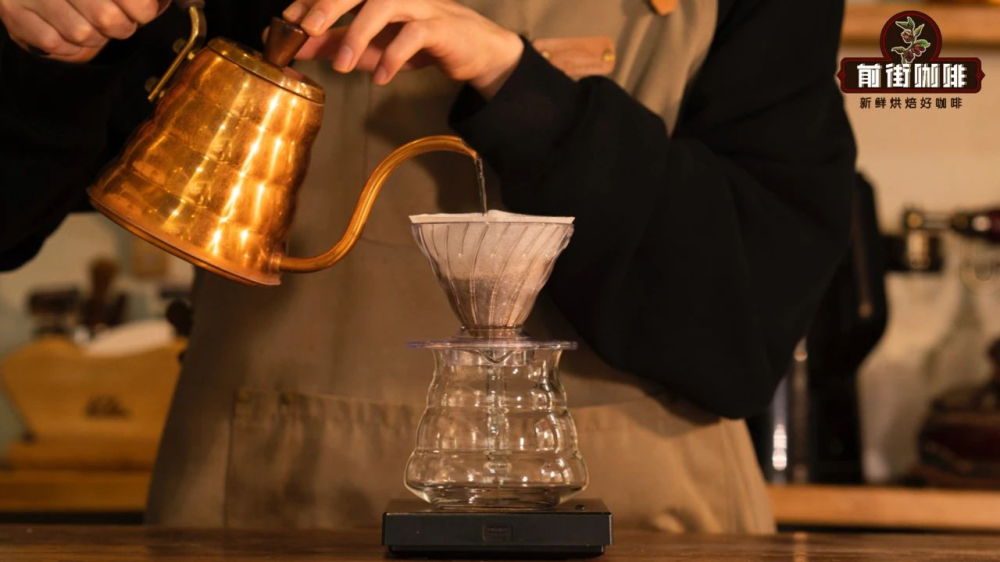
For actual brewing of Brazilian beans (such as naturally processed Yellow Bourbon), recommended parameters: V60 dripper, 88–90°C water temperature, 1:15 coffee-to-water ratio, medium grind. Pour in stages (30 g bloom for 30 seconds → 125 g → 225 g) for a total time of 2 minutes, which can highlight sweetness and dark chocolate flavors and avoid bitterness caused by over-extraction.
In summary, Brazilian coffee, with its stable quality, unique soft mouthfeel, and flexible processing adaptability, has become a key player in the global blending system. Whether seeking balanced espresso or a single-origin experience exploring terroir characteristics, understanding its grading logic and regional differences can help coffee lovers discover more possibilities.