Colombia vs Brazil Coffee Beans: Varieties, Grades, Flavor Differences and Pour-Over Buying Guide
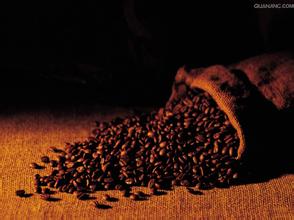
Introduction: A deep dive into the key differences between Colombia and Brazil, the two major coffee-producing regions, from coffee varieties and grading standards to flavor characteristics, to help you master the keys to selecting quality coffee beans. This article compares in detail the growing environments, processing methods and cup profiles of the Arabica beans mainly grown in both countries, with pour-over parameter suggestions attached, so both coffee beginners and advanced enthusiasts can find reference here.
In the specialty coffee world, Colombia and Brazil are arguably the two most important producing regions globally. Although both rely mainly on Arabica (Coffea arabica), differences in geography, growing traditions and grading standards mean their final flavor directions are completely different. Understanding these differences can help you more precisely choose beans that match your personal taste.
Colombian coffee centers on small-bean coffee (the small-seeded variant of Arabica), and its cultivation depends heavily on the unique microclimates of the Andes. The country divides coffee beans into more than 200 grades, of which SUPERMO is the highest standard, requiring a bean screen size of 17/64 inch or above and passing strict flavor and defect-rate screening. EXCELSO comes next and is suitable for daily drinking. Particularly noteworthy is that only SUPREMO beans with a diameter of 18/64 inch or above (i.e., No. 18 beans) qualify to be classified as "select coffee." The Medellín, Armenia and Manizales producing areas of the Central Cordillera are collectively known as the "MAM Triangle" and are known for their full, rich body; the southern Nariño region, because of high-altitude cultivation (generally above 2,000 meters), produces coffee with bright acidity and prominent sweetness, and has even secured long-term purchasing partnerships with international brands such as Starbucks.
Brazil is the world's largest coffee producer. In addition to Arabica, Robusta (Coffea canephora, commonly known as large-bean coffee) also accounts for a considerable proportion (mainly distributed in low-altitude areas). Brazilian Arabica beans are mostly grown extensively on hilly red soil; the fruit is larger and highly disease-resistant, and unit yields are significantly higher than in Colombia. Its grading system focuses on physical indicators such as bean screen size (usually 17/18 screen is preferred), defect rate and raw bean hardness ("hard beans" refer to beans that mature slowly at high altitude and have more concentrated flavor). In the most representative "Brazil Santos" grading, New York and Rio correspond respectively to the commercial and specialty markets; the latter, with its unique nutty notes and low acidity, is often used as an espresso blend base.
In terms of flavor, Colombian coffee is hailed by the industry as "the gentleman of coffee"—its acidity is soft as silk, with clear citrus or berry notes, caramel sweetness emerging in the middle, and a clean finish without astringency. The MAM series of the Central Cordillera, nourished by volcanic soil, often shows a complex aroma of chocolate and nuts; high-altitude beans from Nariño, because of the large temperature difference between day and night, have livelier acidity (similar to green apple or peach) and rich layers of sweetness. By contrast, the "soft/hard" distinction in Brazilian coffee directly affects the cup: hard beans (slowly matured at high altitude) have balanced flavor with warm notes of nuts, dark chocolate and caramel and mild bitterness; low-altitude soft beans or Robusta blends may highlight woody fiber notes, with vague acidity and a shorter finish. Classic Santos beans are characterized by "low acidity and full body," suitable for milk coffee (such as lattes and cappuccinos), and can enhance the creaminess of the milk foam.
For coffee lovers, when buying you need to adjust expectations according to the brewing method: for pour-over Colombian beans, a medium-fine grind is recommended (e.g., 70% pass rate on a Japanese Fuji R200 sieve), with water at 90–92°C and staged pouring (center circles plus light stirring at the edges) to highlight its bright acidity and floral-fruity aroma; Brazilian beans are better suited to a French press or espresso machine, with a coarse grind (similar to sea salt granules) and high temperature of 93–96°C to fully release the rich base of nuts and caramel. If you seek a balanced experience, try a blend ratio of "70% Colombia + 30% Brazil" to balance acidity, sweetness and body.
From cultivation to cupping, the differences between Colombian and Brazilian coffee are essentially the joint result of natural conditions and cultural traditions. The former is known for refined agriculture, with every bean carrying the nourishment of high-mountain mist; the latter relies on large-scale cultivation and industrial processing to provide the world with stable and diverse flavor choices. Understanding these underlying logics not only helps you find coffee beans you love, but also lets you appreciate the terroir story behind every cup.


