How to Brew Drip Bag Coffee: A Complete Guide from Basics to Better Flavor
Introduction: Drip bag coffee is a convenient alternative to pour-over that preserves the coffee's original flavor without requiring complex equipment. This article thoroughly explains the correct brewing steps for drip bag coffee, its essential differences from instant coffee, and the scientific basis for the optimal number of brews per single bag. By mastering key parameters such as water temperature control, pouring technique, and coffee-to-water ratio, even coffee beginners can easily brew a layered, richly flavored cup.
[What is real drip bag coffee?] Drip bag coffee uses freshly roasted coffee beans ground into uniform particles, sealed in a food-grade non-woven filter bag, with paper hangers on both sides that rest on the cup rim. This design maintains the extraction principle of pour-over coffee while solving the equipment limitation—all you need is an ordinary cup and hot water at around 90°C to restore the bright acidity, full body, and rich aroma of single-origin coffee.
It is fundamentally different from traditional instant coffee: the latter is made through high-temperature, high-pressure extraction and spray drying, a process that loses over 90% of aromatic compounds and often requires added flavorings. Drip bag coffee, by contrast, is about 70% coffee powder (the rest being insoluble fiber), and must be slowly extracted with hot water to release its flavor—it must never be directly soaked or repeatedly brewed.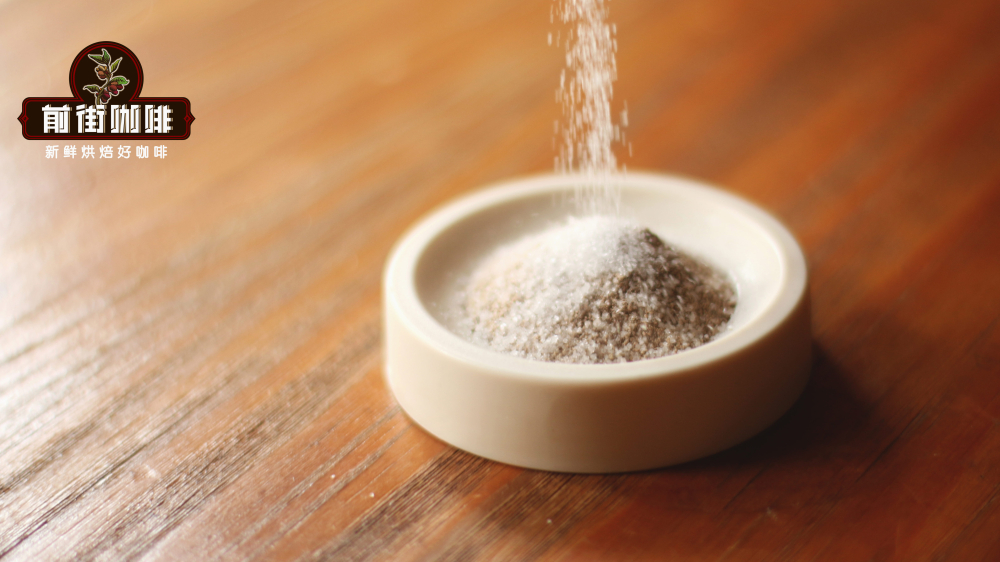
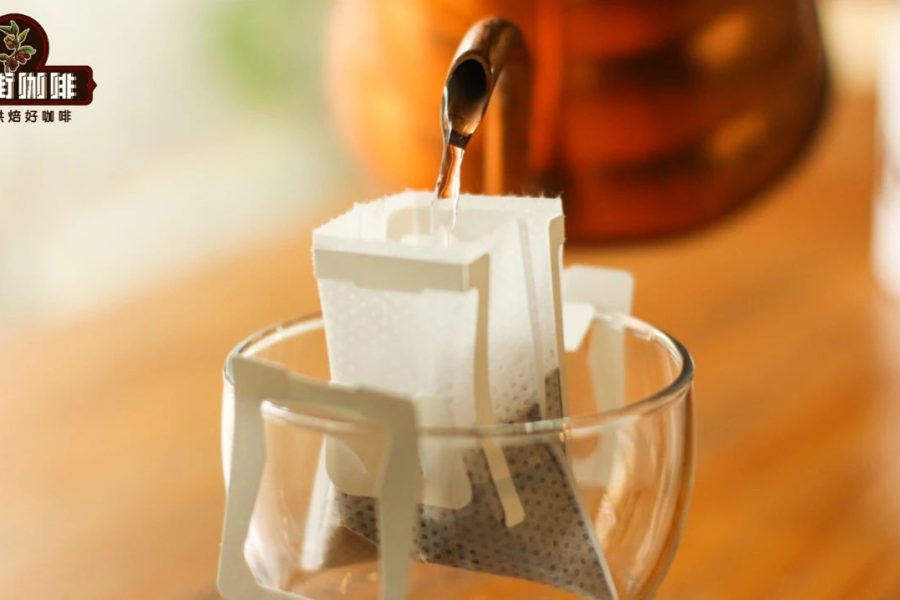
[The correct five-step brewing method]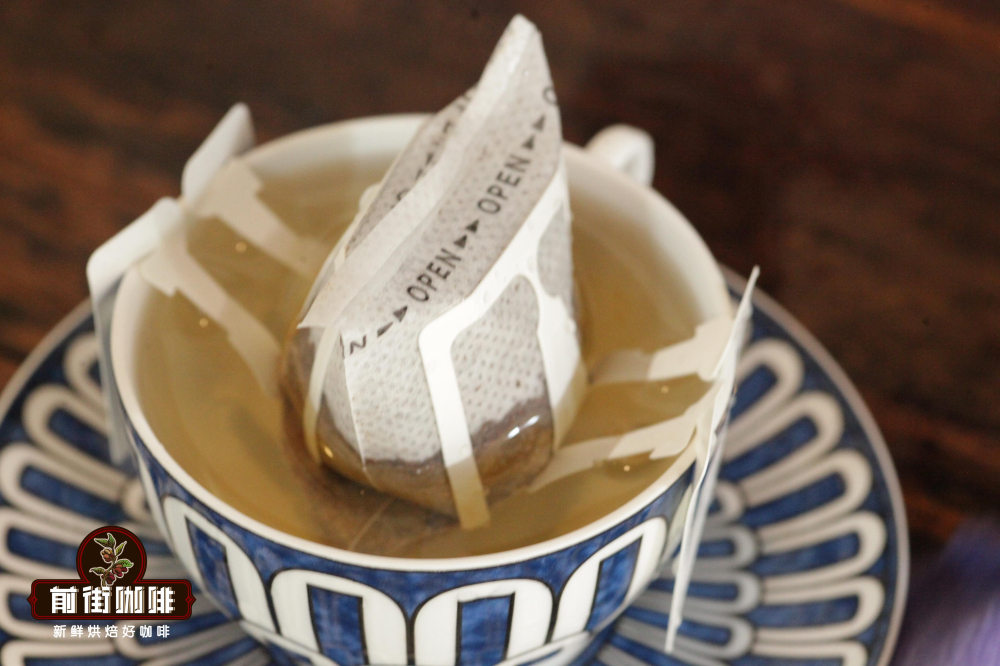 Prepare a straight-walled glass or ceramic cup (capacity of 300 ml or more recommended) and hot water at 90±2°C. After tearing open the packaging, you will see the filter bag with hangers on both sides; be careful not to tear the filter paper. Open the bag along the perforated line, unfold the paper hangers on both sides outward, and rest them steadily on the cup rim.
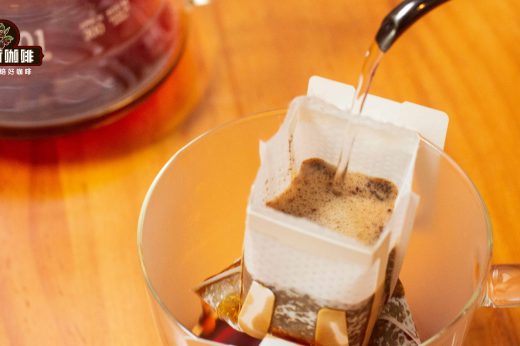
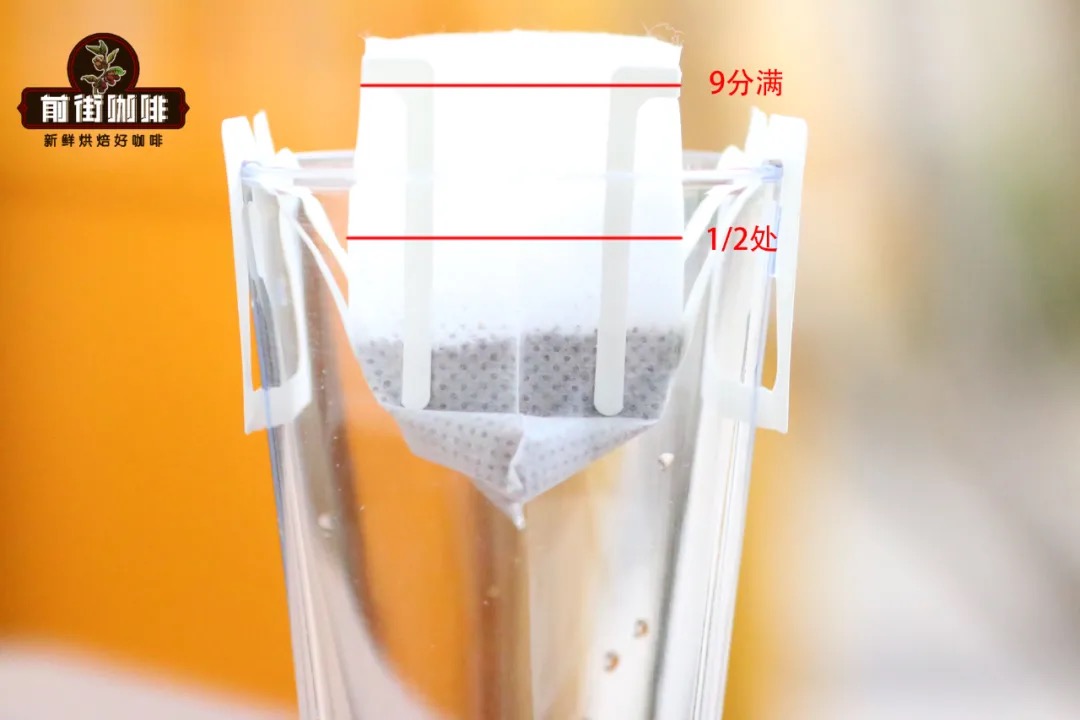
The key step is staged pouring: first add a small amount of hot water (about 20 ml) and let it bloom for 30 seconds to awaken the coffee grounds, then slowly pour in a circular motion, with each pour not exceeding 90% of the filter bag's capacity. The standard coffee-to-water ratio is 1:13–15 (10 g coffee powder to 130–150 ml water), which can be fine-tuned to personal preference. Keep the filter bag moist throughout pouring to avoid localized over-extraction that produces burnt, bitter notes.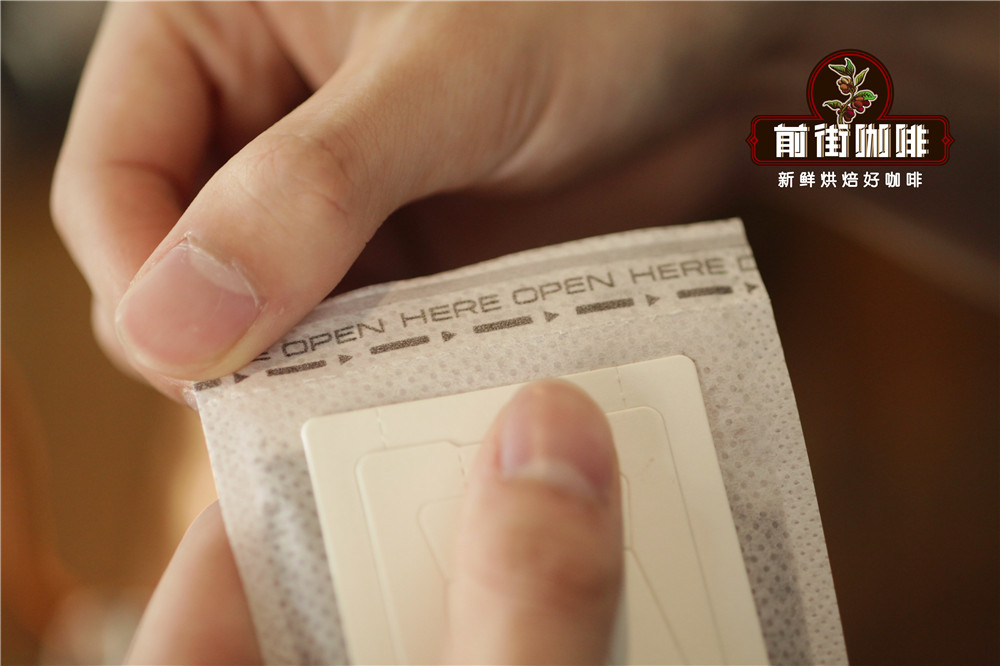
[Common misconceptions and parameter optimization] Many users mistakenly treat drip bags like tea bags and brew them repeatedly. In fact, by the second brew the caffeine and flavor compounds have been almost entirely extracted, and the remaining liquid mainly contains insoluble fiber and impurities, which may produce a woody taste. Professional advice is to use each bag only once and discard the filter bag promptly after brewing.
Water temperature directly affects extraction: below 85°C results in pronounced sourness and astringency, while above 93°C tends to cause over-extraction. The pouring speed should be controlled so that all pouring is completed within 2 minutes; too fast a flow will cause the coffee grounds to settle at the bottom, creating channeling. If using finely ground coffee powder (such as espresso grade), the blooming time can be appropriately extended to 45 seconds.
[Flavor selection guide] The flavor profile of drip bag coffee is directly related to the coffee bean's processing method and roast level: light roasts (such as those from Ethiopian regions) typically present citrus acidity and floral notes; medium roasts (Brazil, Colombia, etc.) balance acidity and bitterness with caramel and nutty flavors; dark roasts (such as those from Sumatra, Indonesia) highlight dark chocolate and a full body. Choosing products with the appropriate roast level according to personal taste preferences yields a more precise flavor experience.