Huayueye vs Rose Valley: Colombian Coffee Beans Compared
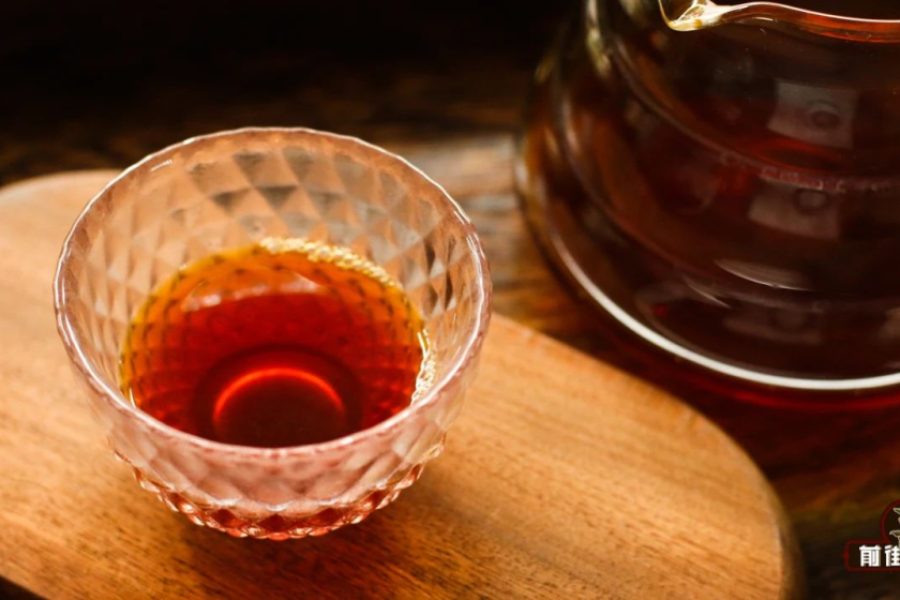
Introduction: Have you ever wondered whether coffee beans with romantic names really have unique floral aromas? This article takes an in-depth look at two specialty coffee beans from Colombia, Huayueye and Rose Valley, covering everything from the growing environment and variety characteristics to processing techniques, and explains their flavor differences and distinctive features. It also offers practical pour-over suggestions and parameter references to help you find the coffee experience you are looking for.
When people hear coffee names like 'Huayueye' or 'Rose Valley,' many think of romantic floral aromas. But do these names really reflect corresponding flavor characteristics? Let's take a look, using two well-known specialty coffee beans from Colombia as examples.
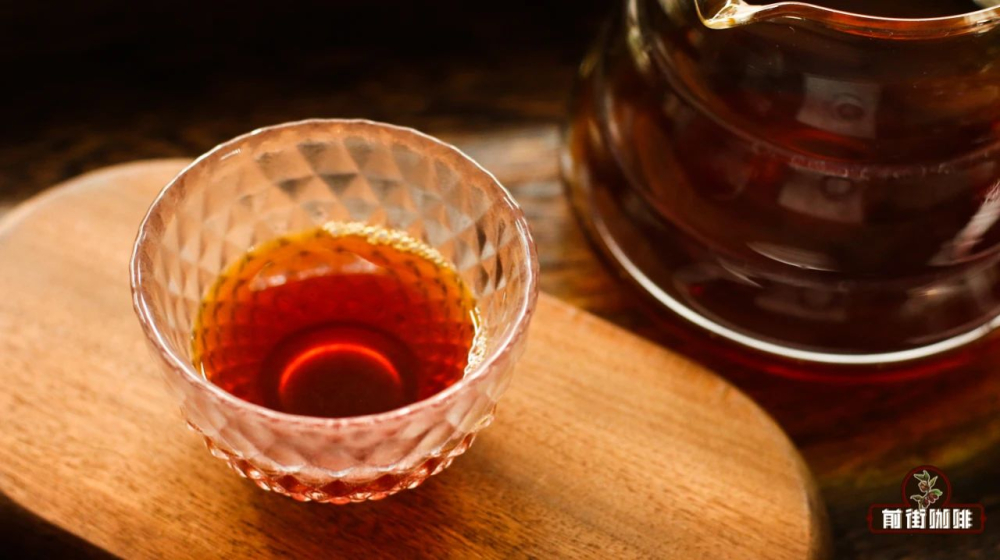
First, let's focus on 'Huayueye.' This coffee bean comes from Colombia's Huila region, a famous specialty coffee region in the south of the Central Cordillera, known for its terrain surrounded by mountains and abundant water resources. Huila's elevation is generally above 1,500 meters, with some areas exceeding 1,800 meters. Combined with moderate average temperatures and ample rainfall, this provides ideal growing conditions for high-quality Arabica coffee.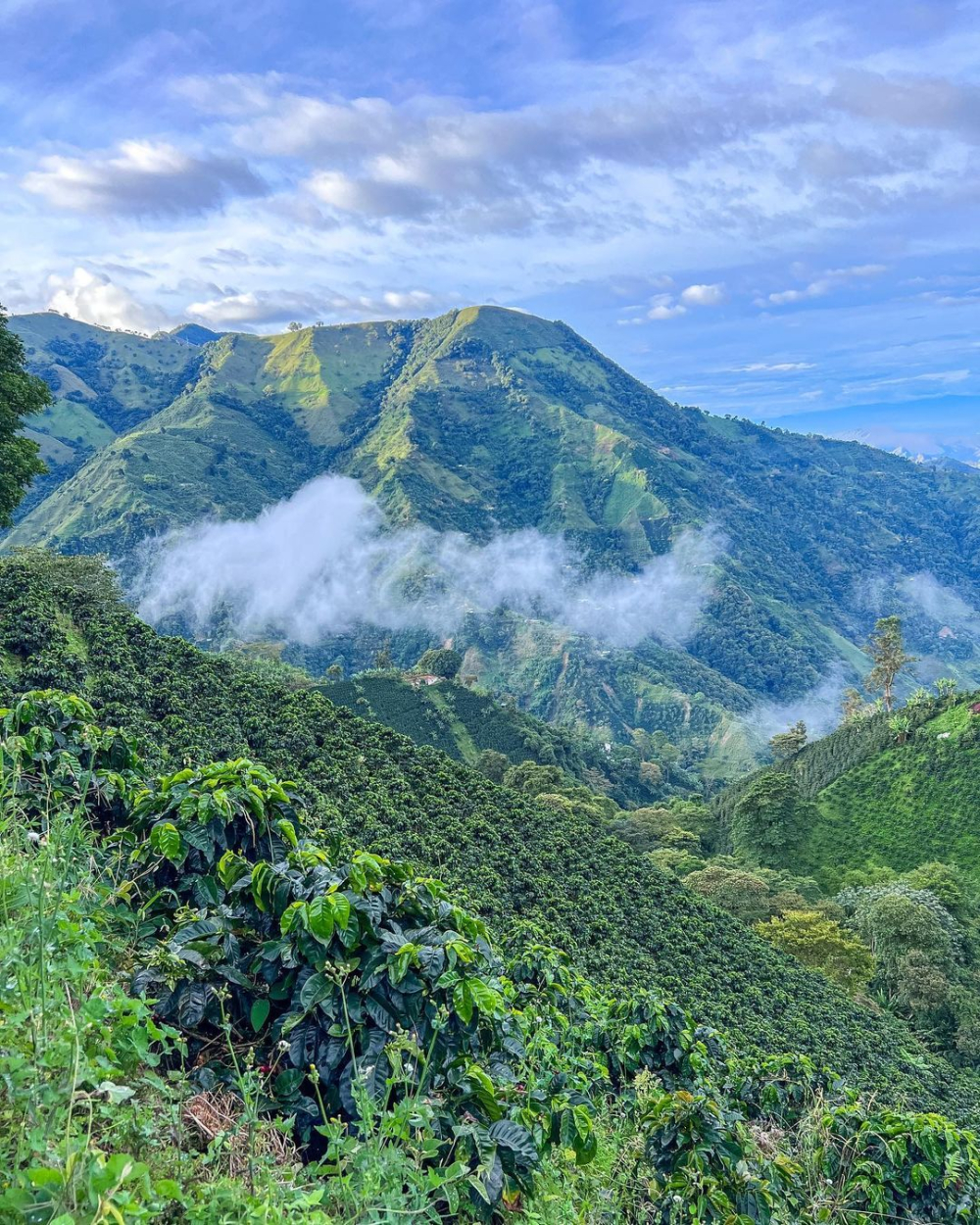
Huila is not only an important specialty coffee region in Colombia but also, thanks to its unique microclimate, can harvest ripe coffee cherries year-round. Local farmers mostly pick by hand, ensuring only the fullest, ripest coffee cherries are selected, guaranteeing coffee quality from the source.
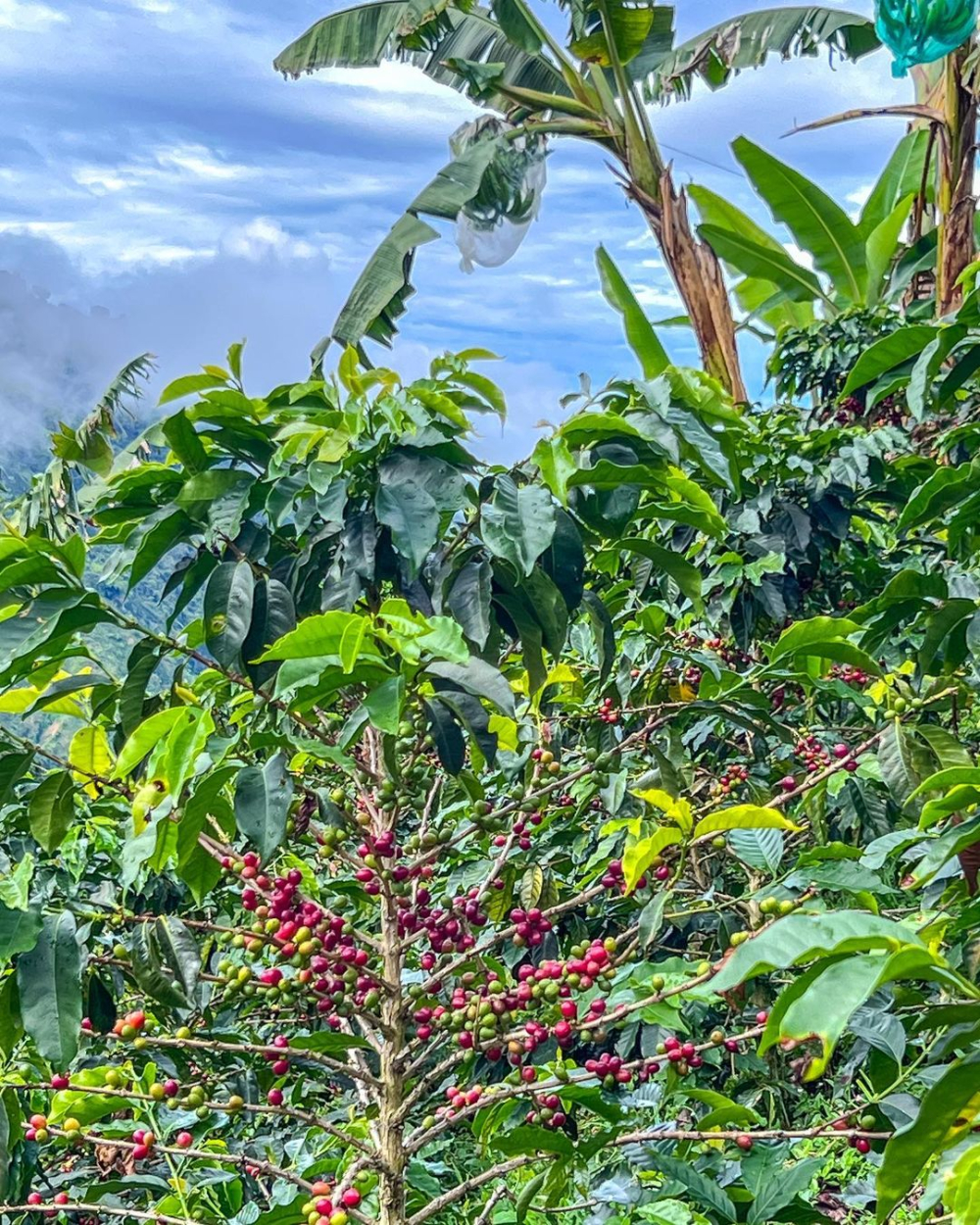
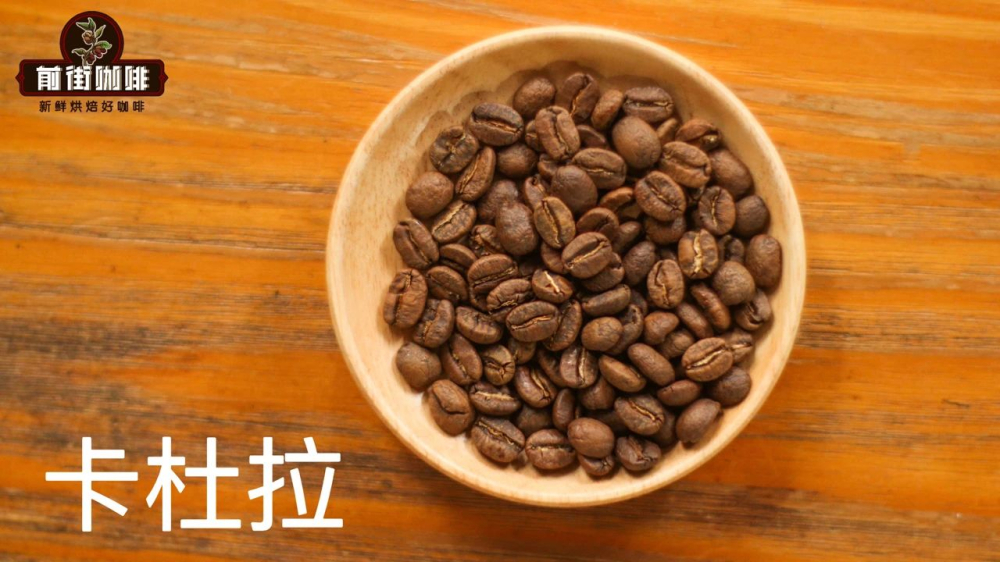
The coffee variety used for 'Huayueye' is Caturra, a natural mutation of Bourbon. It is a shorter tree, suited to high-elevation areas between 700 and 1,750 meters. Generally, the higher the elevation, the brighter the flavors Caturra displays, often with clear fruity acidity and soft sweetness. This Huayueye is grown at about 1,800 meters on the Esveido Gatine estate, whose owner has many years of coffee-growing experience and focuses on refined cultivation and management of a single variety.
In terms of processing, 'Huayueye' uses anaerobic natural processing. Specifically, after picking, the coffee cherries are placed in sealed fermentation tanks and fermented at low temperature for a long time (about 15-20 days) to slow the breakdown of sugars in the mucilage, thereby developing more complex and balanced flavors. The beans then go through a sun-drying stage, further concentrating sweetness and aroma.
In flavor, 'Huayueye' often shows layers of strawberry jam, fermented wine notes and chocolate. The overall mouthfeel is round and full, with a finish of dark chocolate and a slight milky aroma.
Now let's look at 'Rose Valley.' This coffee also comes from Colombia, but from the northern Santander region, grown at about 1,400 to 1,600 meters. This area is known for its intense flavors, long-lasting sweetness and unique fresh herbal notes. The Santander region is near the Magdalena River. Although its water resources are not as abundant as Huila's, its soil and microclimate still provide a good foundation for coffee growing.
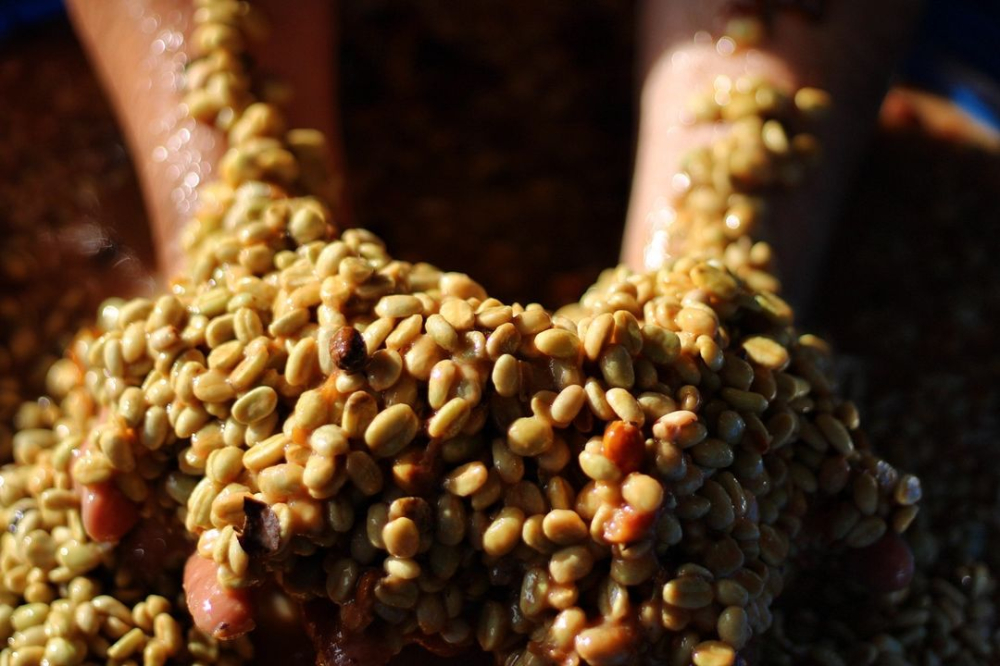
'Rose Valley' is grown on the Big Tree estate, run by agronomist Vargas, who has 20 years of experience. He insists on picking only fully ripe red coffee cherries and removing defective beans through washing. The beans then undergo two rounds of anaerobic fermentation, with a special enzyme group added to assist fermentation. In the drying stage, the farm strictly controls temperature and uses slow drying to ensure stable flavor development.
The processing method for 'Rose Valley' is called 'anaerobic double enzyme wash,' a method that has attracted much attention in recent years. Its core lies in using an oxygen-free environment to slow the breakdown of sugars, thereby extending the fermentation period to enhance sweetness and flavor complexity.
In terms of flavor description, 'Rose Valley' often has winey notes and a chocolate base, combined with aromas of rose, cranberry, peach and cream. The overall impression is closer to fresh, juice-like sweet acidity, with relatively obvious floral characteristics.
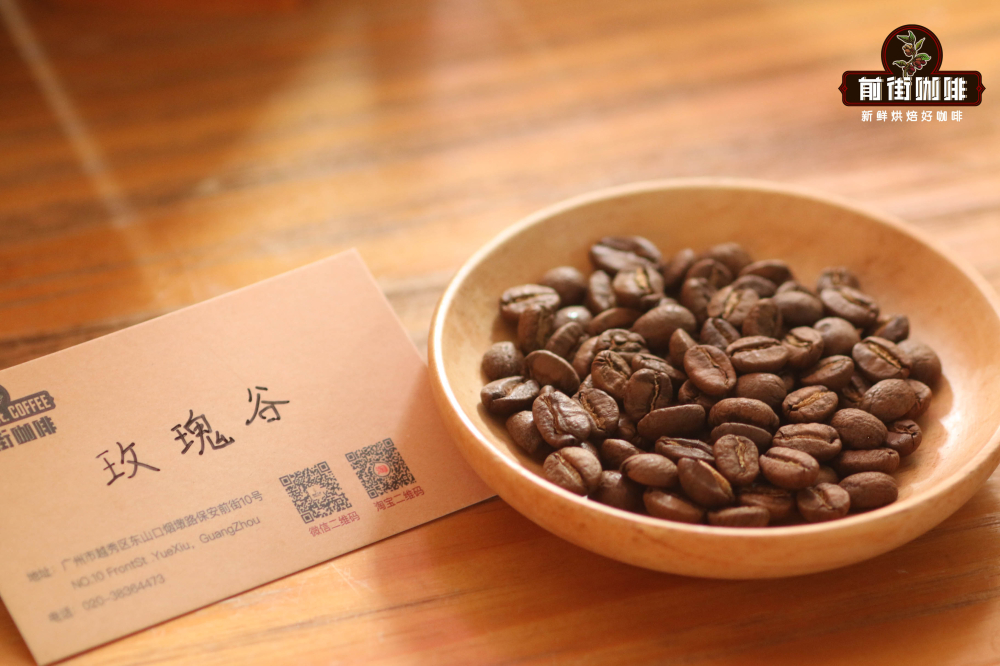
Although both coffees use anaerobic processing techniques, differences in process details and drying methods create significant flavor differences. 'Rose Valley' uses a double anaerobic enzyme wash, with brighter acidity, fresh flavors and obvious floral notes; 'Huayueye' extends fermentation time through anaerobic natural processing, making the overall flavor richer and more balanced, with a complex finish of dark chocolate and milky notes.
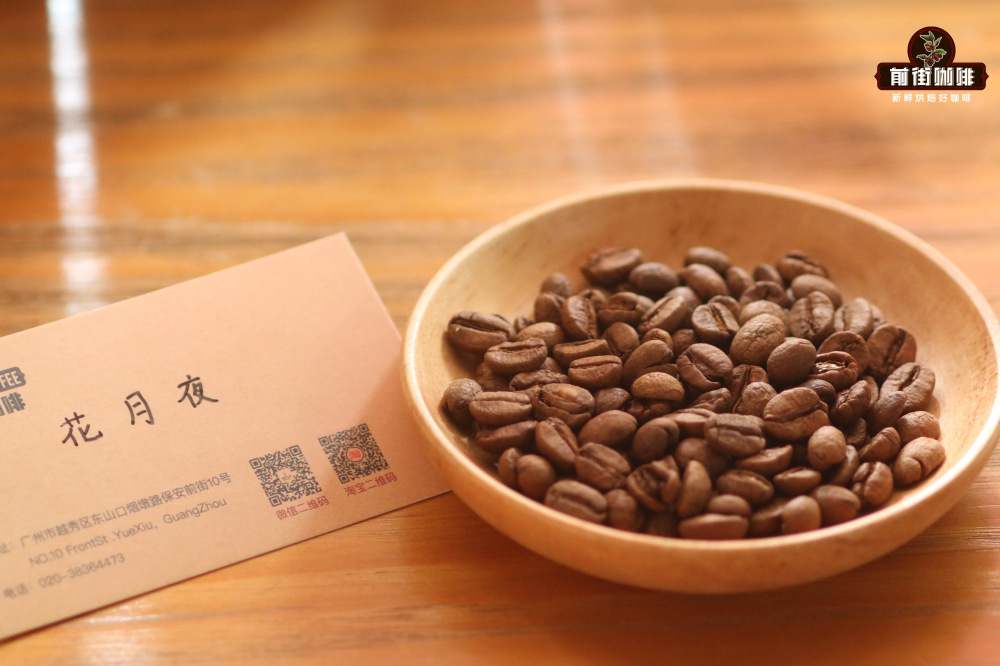
If you prefer fresh fruity acidity and floral notes, 'Rose Valley' may suit your taste better; if you lean toward coffee that is richer, with prominent sweetness and a chocolate and creamy finish, then 'Huayueye' will be a good choice.
For brewing suggestions, 'Rose Valley' suits medium-light roast brewing parameters, such as a water temperature of 90-92°C, a coffee-to-water ratio of 1:15, and a medium-fine grind (about 75% passing a Chinese standard No. 20 sieve), to highlight its bright acidity and fruity aroma. 'Huayueye' is better suited to a slightly lower water temperature (88-90°C), a slightly coarser grind (about 65%-70% passing a No. 20 sieve) and a slightly longer brew time, to bring out its full body and complex sweetness.
In summary, although 'Huayueye' and 'Rose Valley' have poetic names, their flavor characteristics do not come out of nowhere; they are shaped jointly by the growing environment, variety characteristics and refined processing techniques. Understanding these underlying factors will help you better appreciate the diversity and unique charm of specialty coffee.


