What Is Peaberry Coffee? Tanzania Peaberry vs Kilimanjaro Flavor Guide
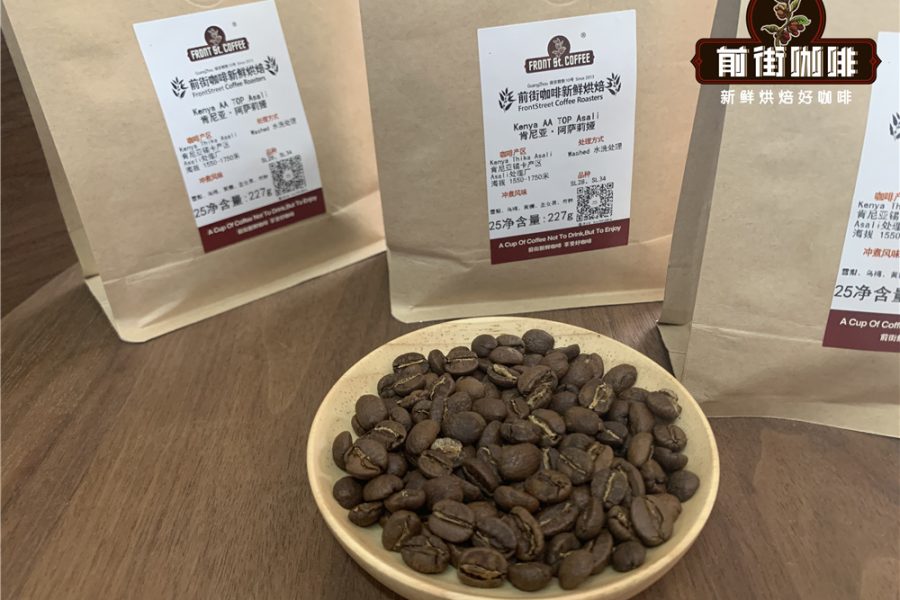
Introduction: Have you ever heard of 'peaberry coffee'? These distinctive-looking Peaberry beans, which account for only 1–9% of the coffee crop, are often mistaken for ordinary coffee beans. This article takes a close look at how peaberry coffee forms, compares the flavor differences between Tanzanian peaberry coffee and classic Kilimanjaro coffee, and reveals its washed processing method and grading standards, helping you find a specialty coffee bean you'll love.
In the fairy tale 'The Princess and the Pea,' the sensitive princess could feel a single pea—she probably never imagined that a coffee bean shaped like a pea actually exists in real life: the Peaberry coffee bean. It is not a separate variety; rather, during growth, a coffee cherry develops abnormally and produces only one round, plump coffee bean (instead of the usual two half beans). This 'mutant bean,' which makes up about 1–9% of total coffee production, is often sorted out separately because of its higher density and more even roasting, and is credited with a unique flavor.
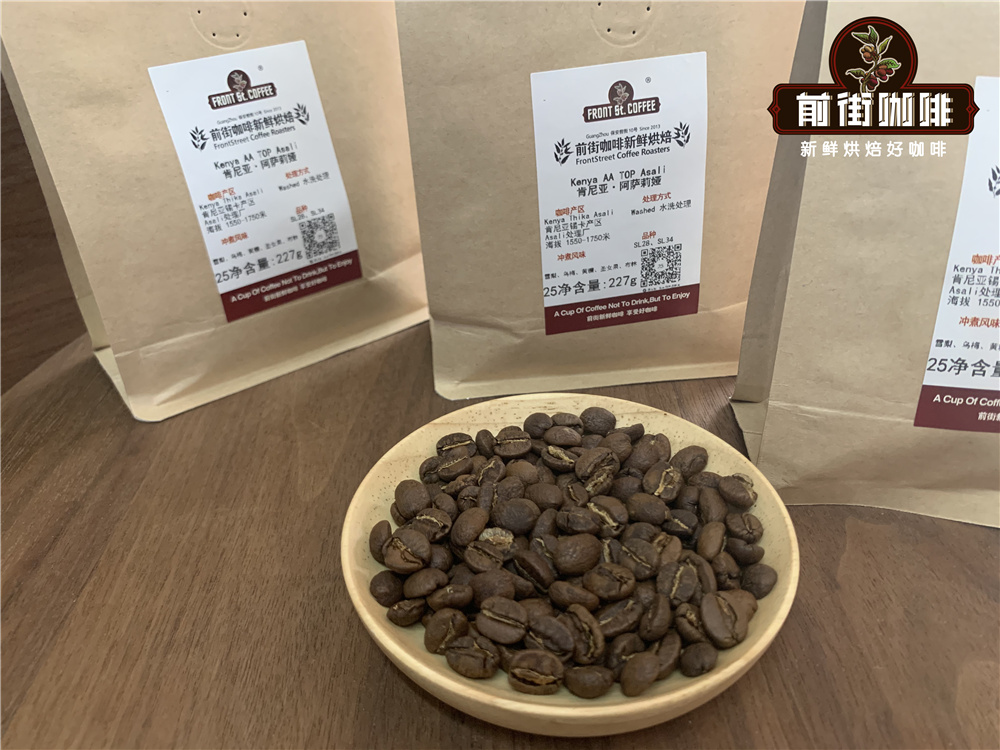
Peaberry coffee, represented by Tanzania, comes mainly from the Mount Meru and Mount Kilimanjaro producing regions. Local coffee farmers follow the traditional wet (washed) processing method: after picking, the coffee cherries are floated to remove floaters, then pulped and fermented, rinsed several times with clean water, and finally dried on raised beds to a moisture content of 11–12%. Notably, Tanzania, like Kenya, grades coffee by bean size, with AA being the highest grade (screen diameter over 8 mm); Peaberry beans, being round and dense, are often placed in a special sorting category.
Tanzanian Peaberry coffee has a highly recognizable flavor: a medium body carries bright fruit acidity, with a fresh citrus or berry quality unfolding layer by layer; the mid-palate reveals the slight tartness of blackcurrant and the richness of chocolate, while the finish is long and sweet, with a caramel-like sweetness. Compared with the bold wine-like acidity that defines Kenyan coffee, Tanzanian beans are more balanced, retaining the liveliness of berries while bringing in the steadiness of cedar wood, giving an overall aroma that is layered but not chaotic.
Mount Kilimanjaro, Africa's highest peak, has volcanic slope soils rich in minerals that give local coffee a distinctive regional flavor. The Peaberry coffee here has slightly lower body and acidity than Kenya AA, yet is known for a texture as silky as velvet—the first sip brings a soft blackcurrant aroma, which then turns into a clean, refreshing citrus note, with a faint honey-like sweetness in the aftertaste. Compared with ordinary Tanzanian Kilimanjaro coffee, Peaberry beans, because of their high density and more thorough extraction, tend to show more concentrated flavor and a longer-lasting sweetness.
In terms of varieties, Tanzania mainly grows Typica, Bourbon, Kent and a small amount of Blue Mountain hybrids, and these varieties show more concentrated flavor in the Peaberry form. Note that Peaberry coffee is not a byword for a separate region or variety, but a product of abnormal coffee cherry development; its quality still depends on growing altitude (usually above 1,500 meters), processing method and storage conditions. For brewing, a medium grind is recommended (a fine-sugar texture suitable for pour-over drippers), with a water temperature of 90–93°C, and a slow pouring rhythm to avoid over-extraction and astringency.
In summary, Tanzanian peaberry coffee and Kilimanjaro coffee are not the same concept: the former emphasizes the unique flavor that comes from the bean-shape mutation, while the latter focuses on the volcanic terroir and overall balance of the region. Both, however, belong to the category of Arabica specialty coffee. If you seek bright fruit acidity and complexity, choose Peaberry beans; if you prefer a rich, smooth mouthfeel, standard-grade Kilimanjaro coffee is also an excellent choice.


