Brazil Cerrado Coffee Bean Flavor Analysis: Pulped Natural Processing and Pour-Over Brewing Guide
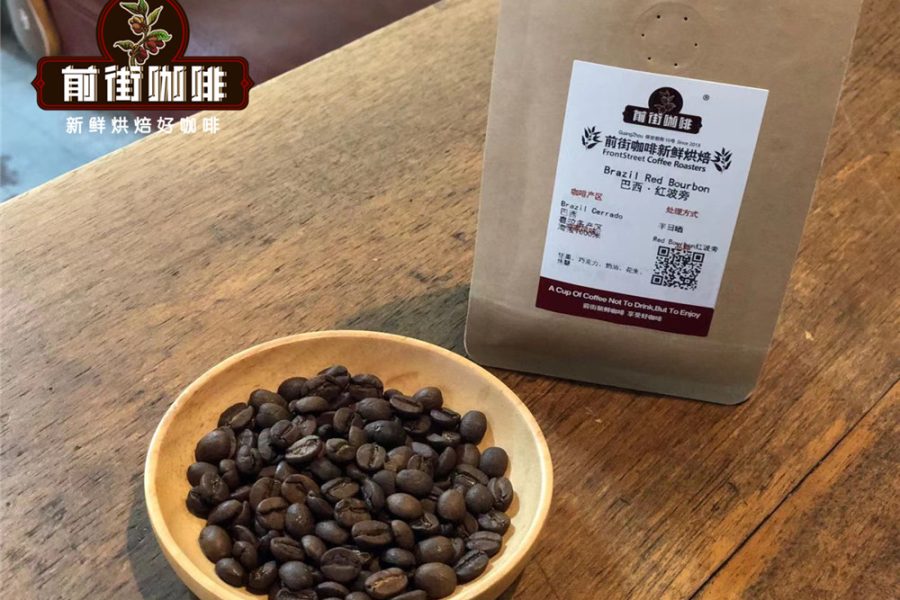
Introduction: As the world's largest coffee producer, Brazil's Cerrado region is known for its distinctive processing methods. This article takes an in-depth look at the core differences between the pulped natural and natural methods used in the region, reveals the nutty character and almond notes that growing at an altitude of 1,000 meters gives the coffee, and offers professional roasting advice and pour-over parameter references to help you precisely capture the flavor layers of this classic Brazilian bean.
Brazil has held the top spot in global coffee production for more than 150 years, with an annual output of 2.7 million tons accounting for 30% of the world total. In this coffee kingdom, the Cerrado region is like a jewel in the crown—this flat, tableland savanna climate zone not only ensures consistent quality through mechanized harvesting, but also, thanks to its fertile, mineral-rich soil and mild climate with an average annual temperature of 21°C, produces high-quality coffee distinct from other Brazilian regions.
The most notable characteristic of Cerrado coffee beans comes from its signature pulped natural process: after the coffee cherries are pulped, the intact mucilage layer is retained for sun-drying. Compared with the thorough mucilage removal of traditional washed processing, this method both continues the full-bodied base inherent in Brazilian coffee and, through the mucilage fermentation process, gives the beans brighter acidity and more complex aromas. It is worth noting that the region's special crop-livestock symbiotic system—the natural fertilizer cycle formed by coffee farms adjacent to pastures—further raises the organic matter content of the soil.
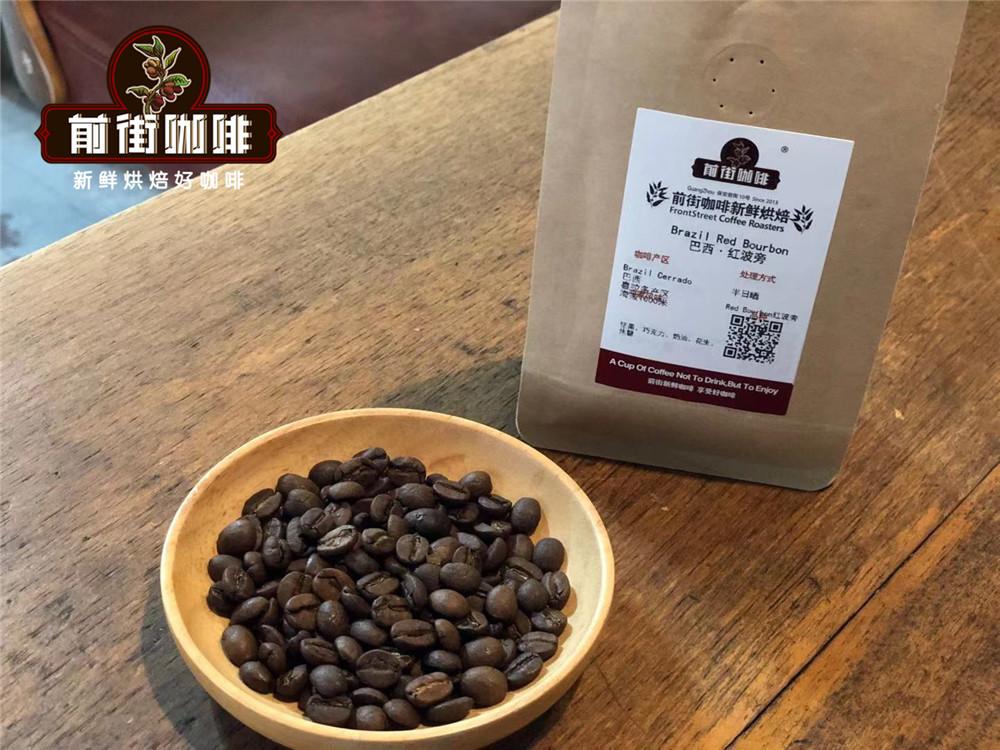
In terms of flavor, medium-dark roasted Cerrado coffee shows a clever balance of a nutty base and tropical fruit: the opening reveals a gentle citrus acidity and caramel sweetness, the middle develops a compound aroma of almond and brown rice tea, and the finish releases a long, creamy aftertaste. When brewed at low temperature (85-88°C water is recommended), the almond sweetness and tea character are especially prominent, suiting drinkers who prefer a low-acid, balanced profile.
The choice of processing method directly affects the final flavor: the pulped natural method avoids the risk of off-flavors that traditional natural processing can produce—by precisely controlling the temperature and humidity of the drying environment (usually the moisture content must be reduced to 11% within 30-45 days), it both preserves the natural sugars of the coffee fruit and effectively suppresses over-fermentation. Compared with the clean purity of fully washed processing or the rich, exuberant character of the natural method, this improved process used in Cerrado achieves the notable advantage of reducing the defect rate by more than 40% while maintaining the full body that is the hallmark of Brazilian coffee.
For home brewing enthusiasts, a V60 dripper with a 1:15 coffee-to-water ratio is recommended, with the grind set to medium-fine (70% passing a Chinese standard No. 20 sieve). When pouring in stages, note that the first pour of 30 g of water should bloom for 30 seconds to activate the flavors, and subsequent pours should use a center-pour technique to avoid disturbing the coffee bed. If you want brighter fruit acidity, try a light-roast batch with high-temperature extraction at 90-92°C, but beware of the risk of a woody taste from over-extraction.
From an industry perspective, the success of the Cerrado region confirms the synergy between geographical conditions and processing technology: the flat terrain provides the basis for mechanized harvesting, while the tableland environment with average annual rainfall of 1,200 mm both meets the growth needs of coffee trees and creates ideal conditions for the staged drying of pulped natural processing. The combination of these natural endowments and refined craft ultimately produces this Brazilian representative that holds a unique place in the global specialty coffee market."


