Choosing Pour-Over Coffee Temperature: Cone vs. Flat Filters
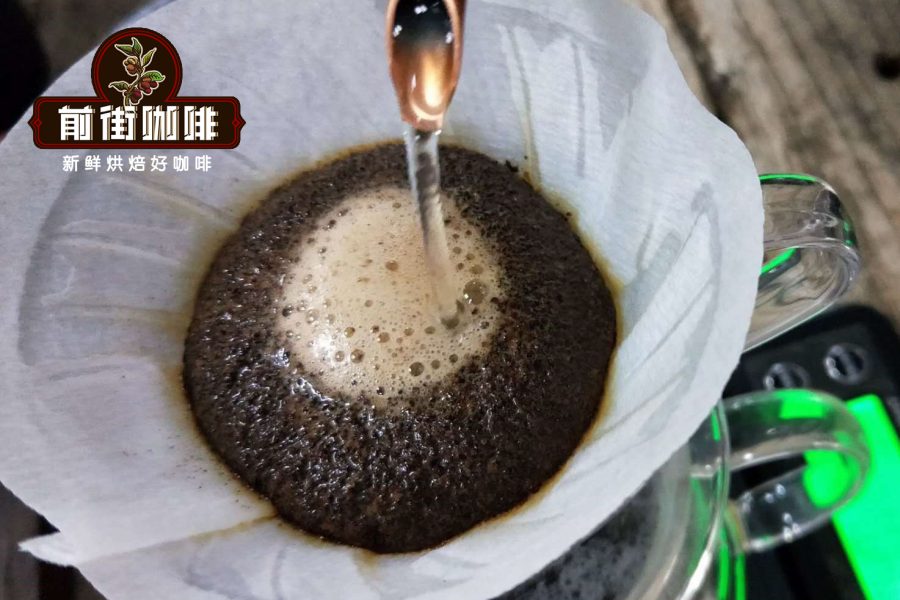
Introduction: From water temperature control to equipment choice, mastering the core parameters of coffee brewing allows flavors to present more precisely. This article explains the ideal extraction temperature range for pour-over coffee, analyzes the effect of water that is too hot or too cool on acidity and astringency, and compares cone and flat filters in terms of extraction efficiency and suitable scenarios, helping coffee enthusiasts adjust their brewing plans according to bean characteristics.
When brewing coffee, water temperature is one of the most critical variables. If the parameters are wrong, even high-quality coffee beans can produce a flat, tasteless liquid. But temperature is not the only influencing factor—grind size, extraction time, water flow rate and other factors together determine the final flavor. Only by understanding how these parameters interact can you consistently reproduce the ideal taste.
The chemical principle of coffee dissolution is essentially the process of water acting as a solvent to extract soluble substances. The dissolution thresholds of different compounds in water change with temperature; for example, acidic substances are more easily released at low temperatures, while bitter high-molecular polymers require higher temperatures to be released. Professional baristas balance the proportions of these components by regulating water temperature, avoiding unpleasant flavors that are sharply sour or burnt-bitter.
For the most common drip pour-over coffee, the extraction temperature range recommended by international specialty coffee organizations is 90-96°C (about 195-205°F). When the water temperature is below 90°C, the coffee tends to taste thin with noticeable acidity, because low temperatures slow the release of aromatic substances; above 96°C, it may over-extract woody fiber components that cause bitterness. Espresso, because high pressure accelerates extraction, has a slightly lower suitable temperature (about 88-92°C), while long-steep devices such as the French press are recommended at 85-90°C to suppress over-extraction.
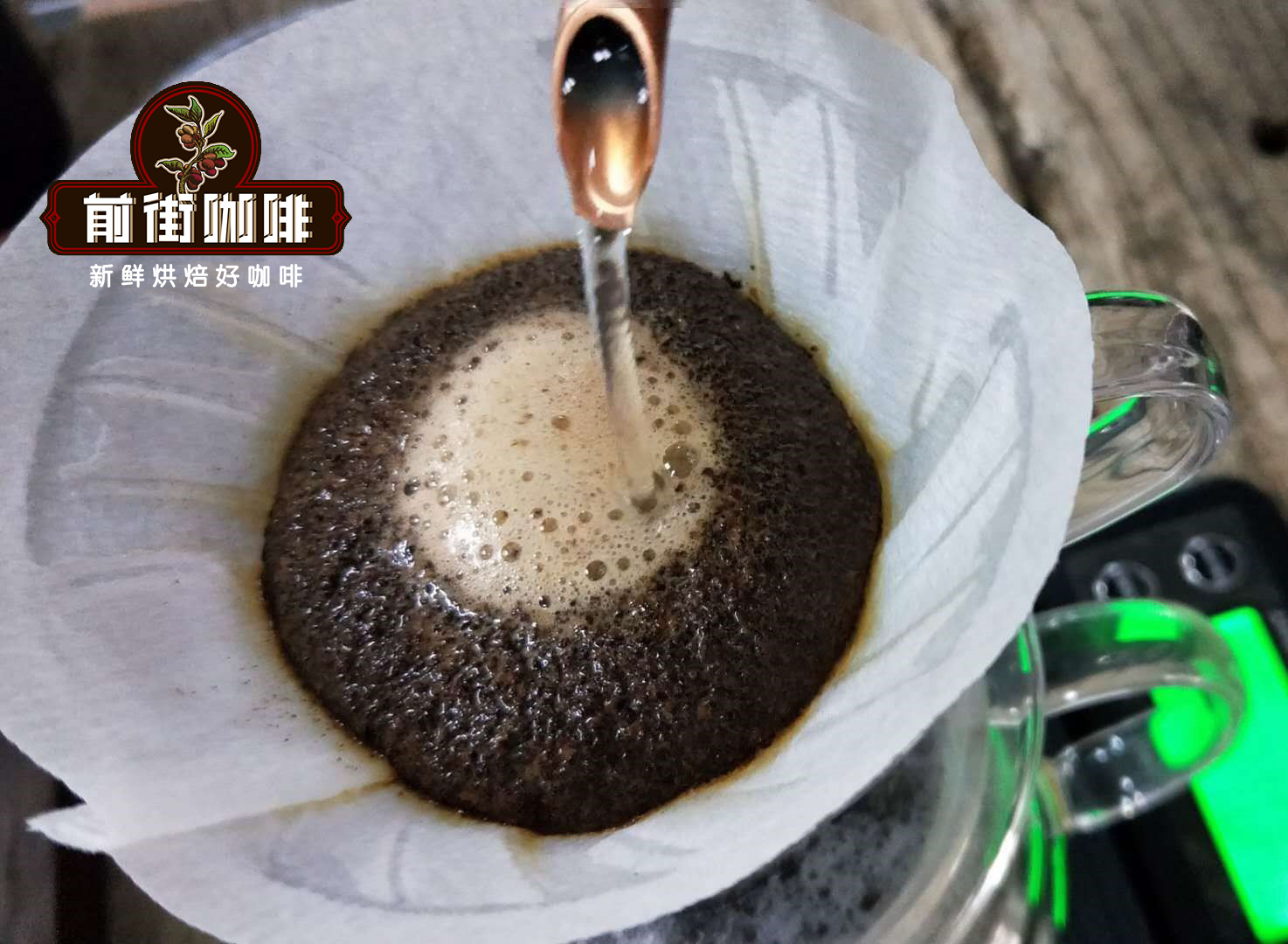
The actual performance of home coffee machines often deviates from theoretical values. Low-priced models commonly have problems such as insufficient heating element power or imprecise temperature control systems, which may cause the actual water output temperature to deviate from the set value. Consumers should prioritize equipment certified by professional organizations when purchasing; such products have usually undergone rigorous testing to ensure temperature stability. In daily maintenance, regularly checking the working status of the heating element and temperature probe also helps maintain extraction consistency.
Drinking temperature also affects flavor perception. The optimal tasting temperature range is 60-70°C; temperatures that are too high numb the sensitivity of the taste buds and mask the coffee's layered details. It is recommended to wait until the coffee cools slightly to a palatable temperature before drinking; at that point the balance of sweetness and acidity is clearer.
The shape design of the filter paper has a significant impact on extraction efficiency.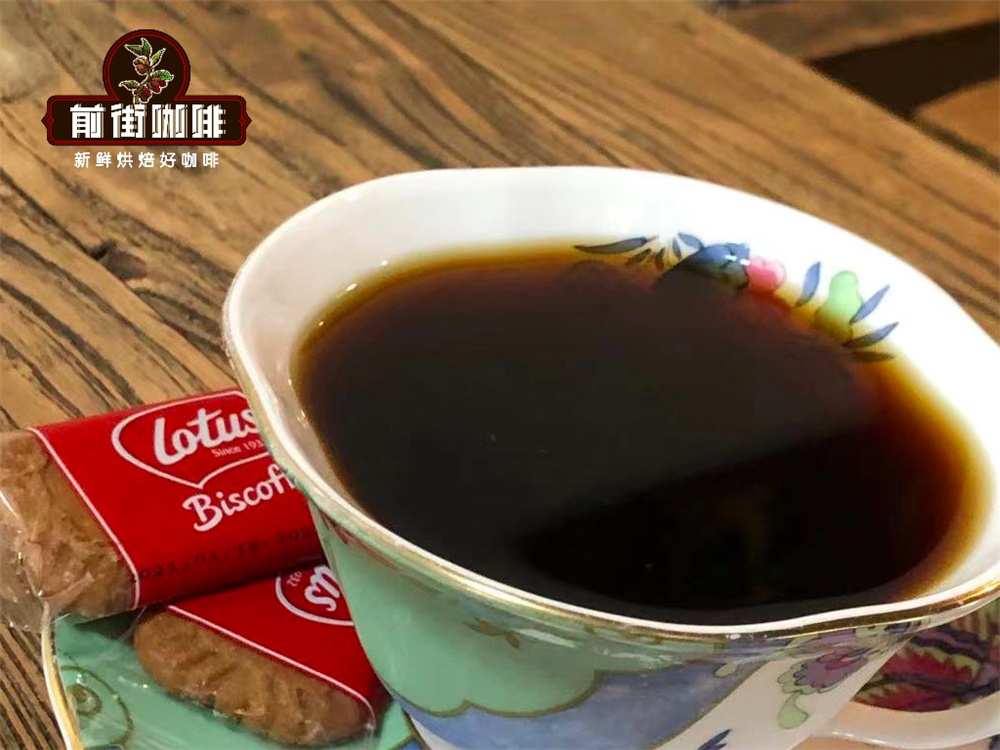 Cone-shaped drippers (such as V60) use a narrowed lower cone structure to guide the water flow to concentrate and penetrate the central area of the coffee bed, promoting even water distribution and extending contact time, usually achieving higher total dissolved solids (TDS) and a brighter acidity. In contrast, flat-bottom filter papers (such as Kalita Wave) have a larger horizontal contact area; after the water flow disperses, the interaction efficiency with the coffee grounds is relatively lower, but they effectively reduce the risk of over-extraction and are better suited to dark-roasted beans or scenarios pursuing a full-bodied taste.
It is worth noting that a high extraction rate does not necessarily equal superior taste. Dark-roasted coffee beans themselves release substances faster; with a cone dripper, you need to coarsen the grind or lower the water temperature to avoid bitterness; light-roasted beans, however, can fully express floral and fruity notes through the cone structure. Innovative wave filter papers change the water flow path, optimizing smoothness of taste while maintaining a high extraction rate, proving the role of minor equipment adjustments in shaping flavor.
From a practical standpoint, flat-bottom filter equipment usually has larger capacity and a lower price, suitable for batch processing; cone single-cup equipment facilitates precise control of variables and meets personalized brewing needs. Consumers can flexibly choose according to daily drinking volume, bean preference and budget—whether it is a single person pursuing ultimate flavor or a convenient solution for family sharing, a reasonable combination of temperature and equipment parameters can bring a satisfying coffee experience.


