Cold Brew Coffee Guide: Ice Drip vs Cold Steep and Best Flavor Parameters

Introduction: Want to understand why cold brew coffee is smoother than regular iced coffee? This article takes a deep dive into the brewing principles, flavor differences and practical techniques of the two cold brew methods, ice drip and cold steep. It provides precise coffee-to-water ratios, grind sizes and extraction times, and recommends coffee bean varieties suited to cold brew, helping you make refreshing, sweet cold brew coffee at home.
On a hot summer day, a glass of icy coffee is undeniably a great way to cool down. For coffee lovers, cold brew coffee is highly favored for its uniquely smooth mouthfeel and low acidity. But did you know that cold brew coffee actually comes in two main forms: ice drip and cold steep? These two methods differ significantly in flavor expression and brewing craft.
The core advantage of cold brew coffee is that low-temperature extraction reduces the release of tannic acid and bitter compounds, ultimately presenting gentler sweetness and body. Compared with iced coffee made by brewing hot and then adding ice, slow low-temperature extraction better preserves the coffee's high-quality flavor molecules while suppressing the release of undesirable off-flavors.
Ice drip cold brew uses a slow cold-water drip extraction method, usually requiring 6-8 hours to complete. This craft originates from traditional Japanese techniques; by precisely controlling the flow rate at 7 drops every 10 seconds, the water stream passes evenly through the coffee bed. Professional practice recommends a medium-fine grind with an 85% passing rate (about Chinese standard No. 20 sieve), with the coffee-to-water ratio kept at the classic 1:10. During preparation, the coffee grounds should first be pre-wetted with ice water for a bloom of about 30 seconds; this step effectively improves the evenness of subsequent extraction.

The specific procedure includes several key steps: first, lay a round filter paper at the bottom of the dripper and wet it so it adheres; next, spread the ground coffee evenly and press it down with a light weight; then cover with a second layer of filter paper to prevent the coffee bed from collapsing. Fill the water reservoir with ice water mixed at a 1:1 ratio, and use the regulating valve to control the drip rate at a steady about 42 drops per minute. The entire extraction process should last 6-8 hours; after completion, the coffee liquid must be sealed and refrigerated to rest for 4 hours to promote flavor integration.


Cold steep cold brew is the simpler home preparation option: mix coffee grounds with cold water at a 1:10 ratio and refrigerate to steep for 12-24 hours. The grind can be slightly coarser, recommended at a 65% passing rate on the Chinese standard No. 20 sieve. During preparation, stir thoroughly to ensure the coffee grounds are fully wetted; for the sealed container, a wide-mouth glass bottle is best for subsequent filtering. The advantage of this method is its low equipment requirements, but note that steeping too long may cause over-extraction and produce an unpleasant cardboard taste.


The two methods each have distinctive flavor profiles: ice drip coffee usually shows brighter acidity and clear fruit notes with rich layering; cold steep coffee is rounder in mouthfeel with prominent sweetness but slightly less complexity. Experimental data shows that when cold steeping exceeds 20 hours, the release of bitter compounds in the coffee increases significantly.

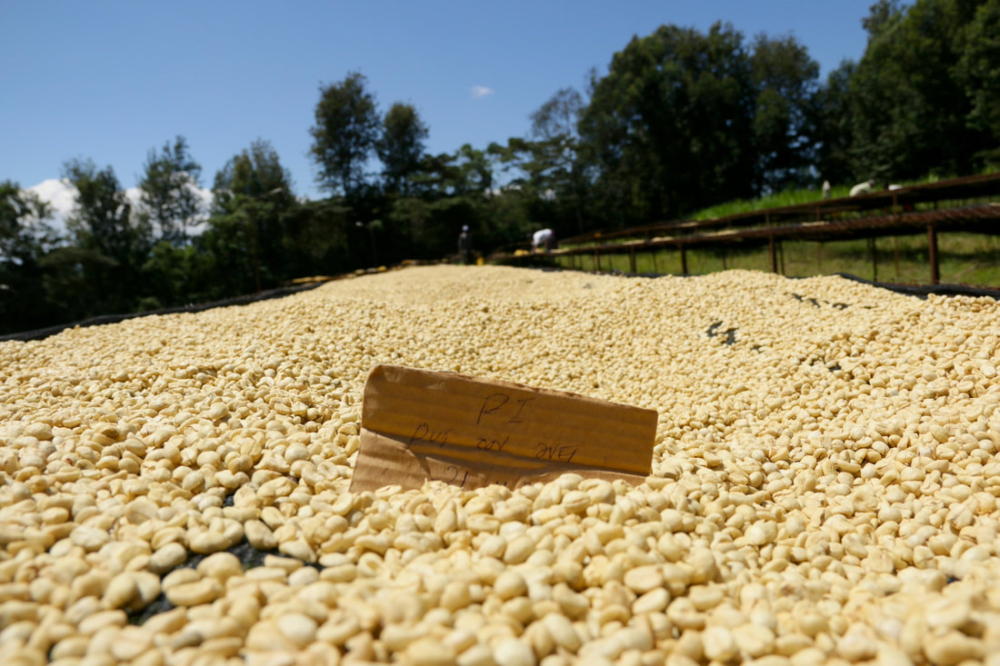
The choice of coffee beans directly affects the final flavor. High-acidity, low-density varieties such as Kenya's SL28 and SL34 are especially suited to cold brew. These beans, from high-altitude growing regions of 1550-1750 meters, after K72 washed processing (including three 24-hour fermentation cycles), retain bright citrus acidity and a clean mouthfeel. Prioritize light-to-medium roast batches; overly dark roasts will give cold brew coffee a burnt-bitter note.


Professional baristas point out several common pitfalls: when using a home refrigerator, make sure the container is completely sealed to prevent it from absorbing odors; for filtering, be sure to use professional filter paper or fine cloth, as ordinary gauze may leave fine grounds behind; before drinking, you can add ice to adjust concentration to taste, but avoid repeated melting and refreezing, which affects flavor. For enthusiasts seeking the ultimate experience, try tasting the same batch of cold brew coffee at different times to observe how the flavor changes over the 4-to-72-hour refrigeration period.


In summary, ice drip and cold steep each have their advantages: the former suits coffee lovers pursuing refined flavors, while the latter is a convenient and efficient home choice. Master the three core parameters of correct grind size, coffee-to-water ratio and extraction time, and you can make cold brew coffee comparable to professional café quality according to your personal taste preferences.