What is chicory coffee? Differences from coffee and a home blending guide
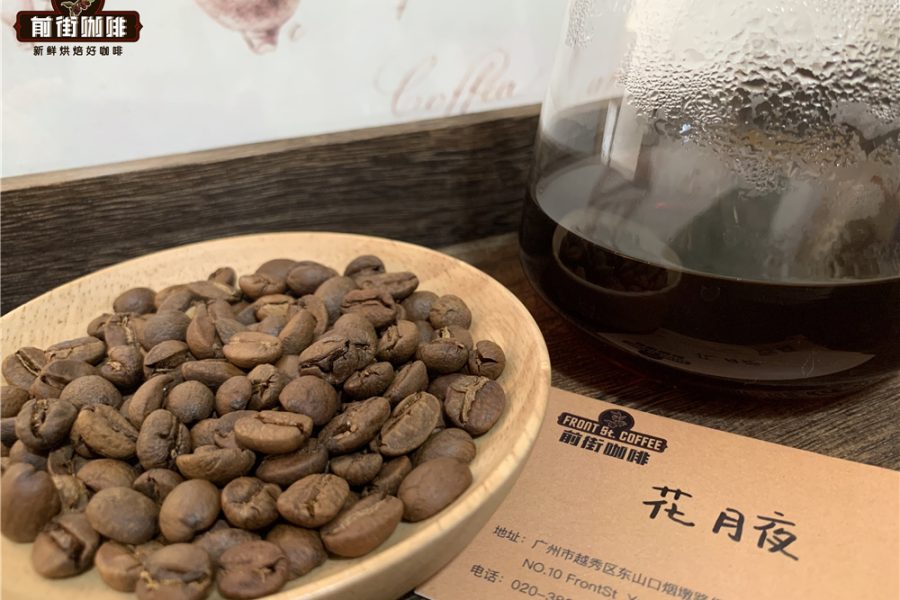
Introduction: Chicory coffee is a classic coffee substitute that retains a coffee-like flavor while offering unique health properties. This article takes an in-depth look at the essential differences between chicory and coffee, reveals its historical origins and scientific ratios, and provides detailed home brewing methods and flavor-blending techniques to help you choose the drinking method that best suits your needs.
Chicory coffee is a distinctive beverage made primarily from roasted chicory root (which can be blended with coffee beans); its raw material comes from the root of the chicory plant (Cichorium Intybus Sativum), a member of the Asteraceae family. After professional roasting, chicory root takes on a dark brown texture, can be processed with standard coffee grinding equipment, and works with a variety of brewing devices such as pour-over kettles and French presses. Depending on regional preference, the blending ratio of chicory to coffee beans is flexible and adjustable, commonly ranging from 1:3 to 3:1.
The rise of this beverage is closely tied to a specific historical background: during the 19th-century Continental Blockade imposed by Napoleon, coffee supplies in Europe were disrupted, and chicory began to spread in France as an emergency substitute; Eastern European countries later used it as an affordable solution during coffee shortages. Today, in places such as Louisiana in the United States, chicory coffee improved by French immigrants remains a traditional beverage, and local residents have even developed their own French drip brewing technique.
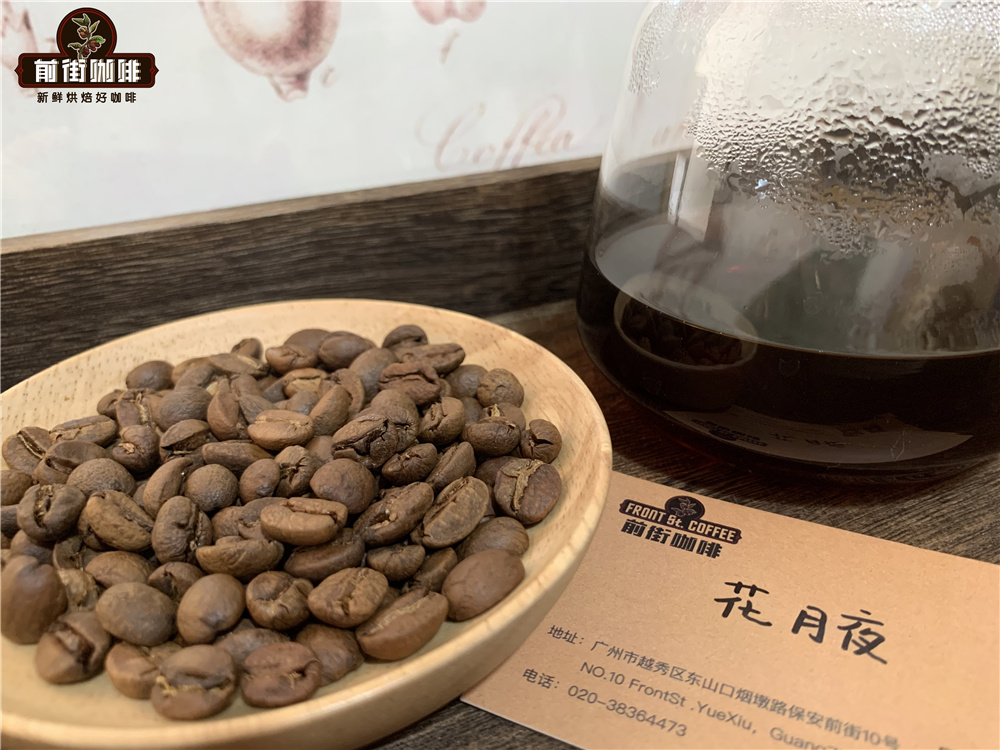
From a health perspective, chicory contains about 65% inulin (a prebiotic dietary fiber), which after roasting is converted to produce a mild sweetness and improve the gut flora environment. Note that although fresh chicory is high in inulin, excessive intake may cause bloating, and the roasting process happens to optimize its digestive characteristics. Modern research has also found that chicory has potential benefits in regulating blood sugar and lowering LDL cholesterol, and it does not carry the nervous stimulation caused by caffeine.
Standard brewing parameters suggest 2 tablespoons of ground powder per 6 ounces of water (consistent with the recommendation of the Specialty Coffee Association of America), adjustable to personal taste. Compared with coffee, chicory powder has a lower expansion coefficient, so a slightly finer grind is recommended to improve extraction efficiency. If using an espresso machine, it is recommended to keep the extraction time in the 25-30 second range for a balanced flavor.
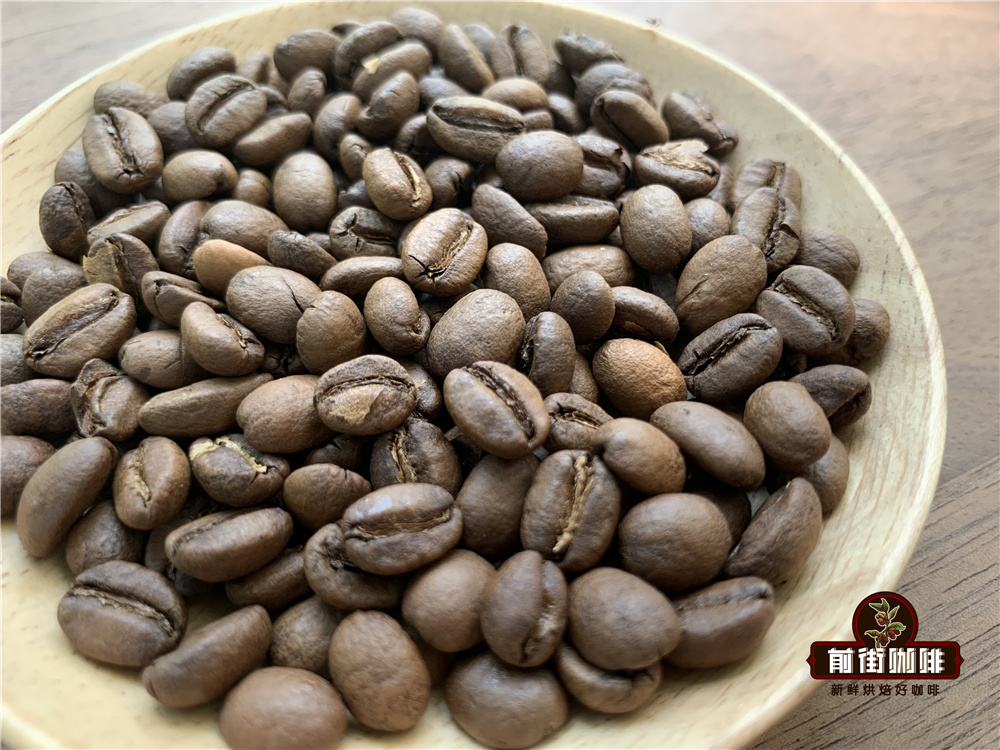
Mainstream brewing methods fall into two categories: long low-temperature steeping (85-92°C water, 8-10 minutes) maximizes inulin conversion and effectively alleviates intestinal gas; high-temperature rapid extraction (close to boiling) is better suited to those seeking a rich flavor. Special note: when blended with coffee, avoid prolonged high-temperature boiling to prevent destroying the aromatic compounds of the coffee oils.
The core differences between chicory and coffee are reflected in several dimensions: the former contains no caffeine but is rich in trace elements such as potassium and vitamin A (23 kcal per 100 grams), and its distinctive blue-flowered plant form contrasts sharply with the coffee tree. Nutritional data show that chicory's potassium content is 12 times that of coffee, its vitamin C content is more than 40% higher, and it provides 114% of the daily required vitamin A supplement.
For a homemade version, the recommended choice is the specialized variety Chicorium Intybus Sativum: first wash and slice fresh roots, roast in a 350°F (about 175°C) oven for 40-60 minutes until the surface is charred and crisp, then after cooling grind with a conical burr grinder to the desired fineness. Advanced techniques include extending the roasting time to 7 hours (at 200°F), which can further enhance the sweetness layers. First-time tasters are advised to start with a 1:5 chicory-to-coffee ratio and gradually adapt to its distinctive flavor characteristics.
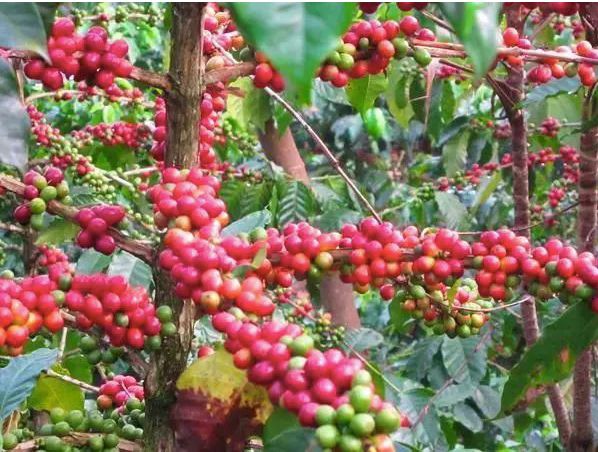
This plant-based beverage originating in Europe, with its approachable price (typically 30-50% lower than coffee beans of the same quality), diverse health benefits and flexible blending possibilities, has become a choice not to be ignored in modern coffee culture. Whether as a morning pick-me-up or a relaxing hot drink in the evening, a properly proportioned chicory coffee can meet the needs of different occasions.


