PBR Hard Coffee Review: What Is 5% ABV With Caffeine Like?
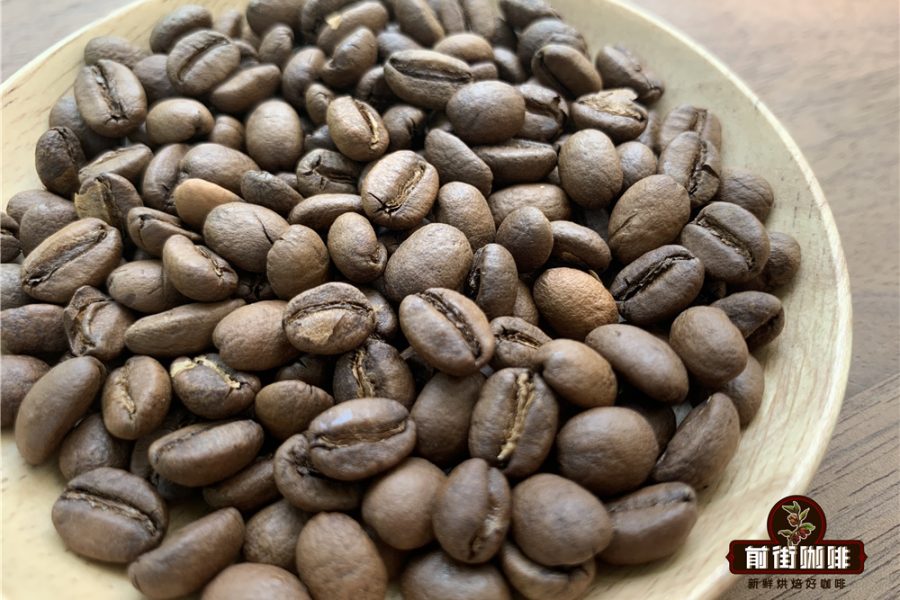
Introduction: When coffee meets alcohol, what flavors emerge? PBR Hard Coffee, launched by veteran American brewer Pabst, blends arabica and robusta coffee beans into a dairy drink with 5% ABV. This article draws on hands-on tasting to break down the real flavor layers of this hybrid drink, explain the safety threshold of 5% ABV, and compare specifications with similar hard coffee products, introducing the unique appeal of this emerging beverage category.
The US craft market has seen a hard coffee wave in recent years, with traditional brewers rushing to stake out positions in alcoholic coffee. Pabst Blue Ribbon (PBR), a national beer brand with a century of history, launched its hard coffee in 2019 and quickly claimed shelf space. The aluminum-canned drink combines dark-roast coffee with dairy, using a special process to balance caffeine and alcohol.
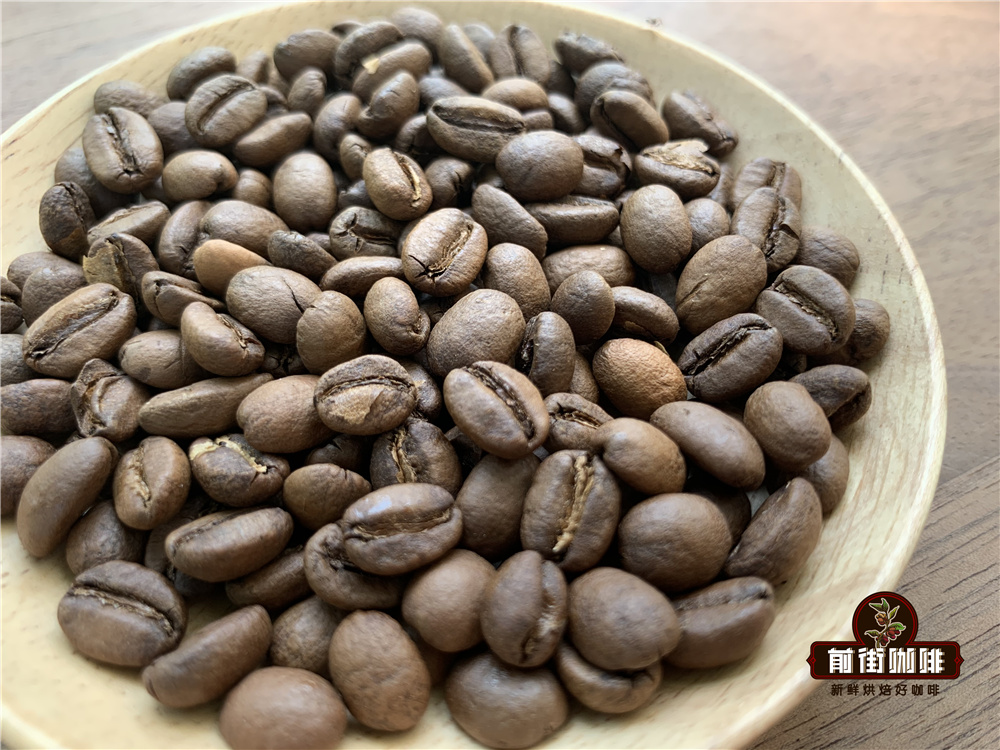
The product comes in a standard 11-ounce can with alcohol content listed at 5% ABV (Alcohol by Volume). The ingredient list shows a base of fermented malt wort mixed with arabica and robusta coffee bean extract, plus vanilla flavoring and a thick-textured American dairy product. Unlike ordinary ready-to-drink coffee, the product is pasteurized for a stable shelf life; for best flavor it is recommended to drink it soon after opening.
In actual tasting,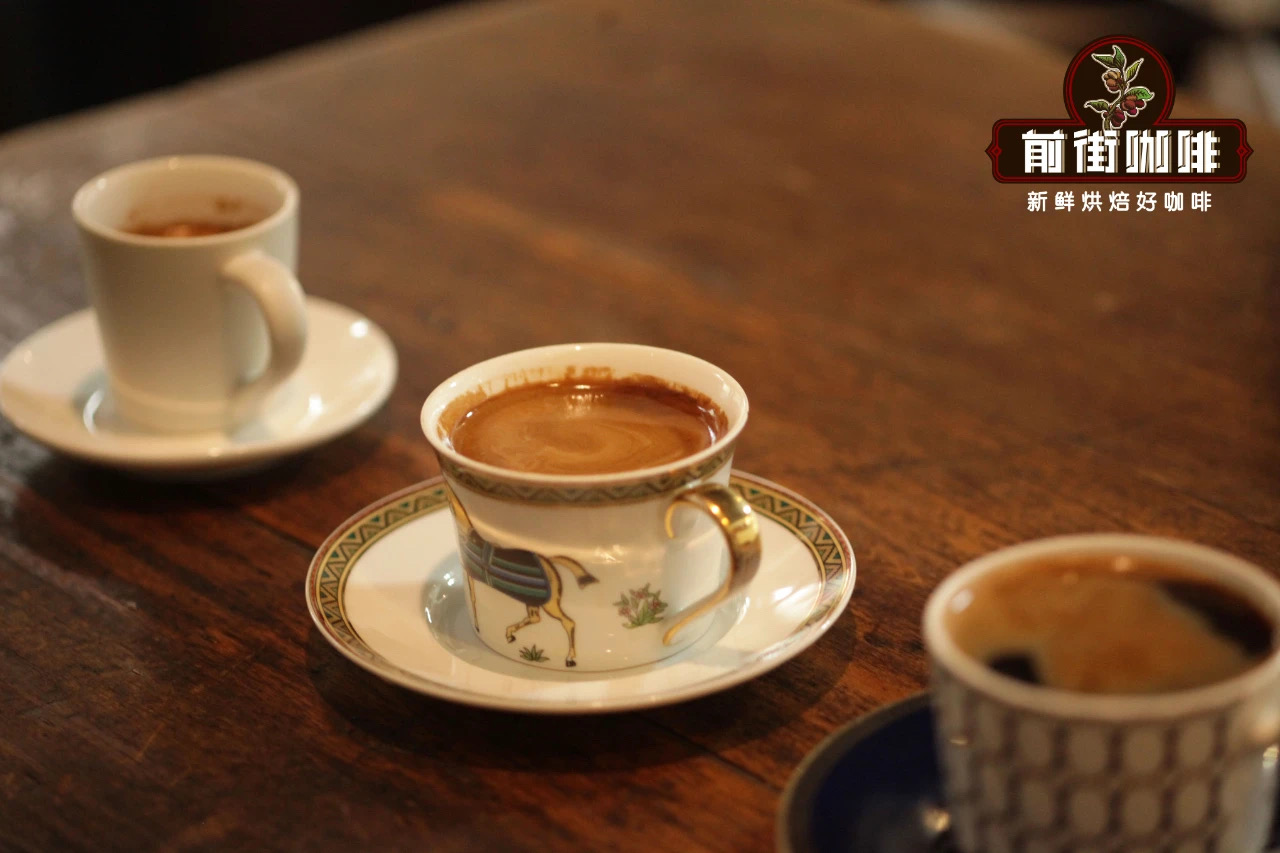 the liquid in the transparent container has a light brown color resembling chocolate milk. The first smell brings a complex aroma of roasted coffee and vanilla; the initial sip is sweet and creamy, after which the warmth of alcohol and the slight bitterness of coffee gradually emerge. The overall texture leans silky but feels lighter than a traditional latte, and the mild alcohol burn paired with caffeine's stimulating effect forms a distinctive combination.
As for the 5% ABV figure consumers care about, a side-by-side comparison shows: regular industrial lagers typically fall in the 4%-5% range, craft IPAs can reach 6%-7%; wine generally sits at 12%-15%, while spirits such as vodka and whiskey stay around the 40% benchmark. This product's alcohol strength falls between ordinary beer and low-proof liqueurs; each can has about 220 calories, comparable to a common dessert drink.
In formulating the recipe, the maker uses a threefold balancing strategy to keep flavors harmonious: dark-roast beans are chosen to reduce acidity interference, milk protein is added to soften the alcohol's bite, and vanillin molecules neutralize coffee's bitter finish. Notably, since the FDA halted caffeinated alcoholic drinks in 2010, such products strictly control caffeine content—PBR Hard Coffee contains about 160mg of caffeine per can, twice the concentration of a standard Americano but below the legal limit for energy drinks.
As for suitable drinking occasions, those seeking a morning pick-me-up report better results than with ordinary coffee: the mild buzz of alcohol and caffeine work together to quickly boost alertness, though drinking on an empty stomach should be avoided. In social settings, the sweet, creamy taste lowers the barrier to alcoholic drinks, making it suited to slow sipping with dessert. Professional bartenders recommend finishing the can within 15 minutes of opening to prevent oxidation of the dairy ingredients from affecting the flavor layers.
The hard coffee niche currently offers a variety of products; some competitors, such as White Claw's hard coffee line, reach 8% ABV, while AB InBev's Bud Light Seltzer Coffee version holds the 5% baseline. PBR Hard Coffee, while keeping a moderate alcohol level, achieves a differentiated texture through its dairy base, making it a safe choice for consumers who want to try alcoholic coffee but worry about it being too harsh.


