Cold Brew vs. Iced Coffee: Flavor Comparison and Brewing Guide

Introduction: Although cold brew and iced coffee are both refreshing, they differ significantly in brewing process, flavor expression and mouthfeel. This article breaks down the core production processes of both cold coffee drinks, including extraction time, water temperature control and the principles of flavor compound release. It compares their differences in sweetness, body and acidity, and provides practical brewing suggestions and common pitfalls, helping you choose precisely according to your taste preferences.
On hot summer days, cold brew coffee and iced coffee become the go-to cooling choice for many coffee lovers. Although both are served cold, they differ fundamentally from production principles to flavor expression. Understanding the production processes and characteristics of these two coffees can help you find the option better suited to your personal taste.

The biggest difference between cold brew coffee and iced coffee lies in the production method. Cold brew, as the name suggests, is a coffee-making method that uses cold or room-temperature water for a long soak throughout the entire process. Typically, coarsely ground coffee is soaked in cold water for 12 to 24 hours, relying on time rather than high temperature to slowly extract flavor. Iced coffee, by contrast, is mostly hot coffee quickly extracted with hot water, then either cooled directly or diluted and cooled with ice cubes; its core still relies on the principle of high-temperature, short-time extraction.

When making cold brew coffee, it is recommended to use medium-coarse to coarse coffee grounds; too fine a grind will lead to over-extraction, giving the finished product a noticeably bitter taste. After mixing the coffee grounds with cold water in proportion, leave it to slowly extract in a sealed container in the refrigerator or a cool place. Keep the time above 12 hours but not more than 24 hours, to avoid the flavor becoming too heavy or off-flavors being extracted. In comparison, iced coffee is quicker to make, usually using a high-temperature extraction method such as pour-over, drip or espresso, then cooling it by adding ice or refrigerating; the whole process takes only a few minutes.
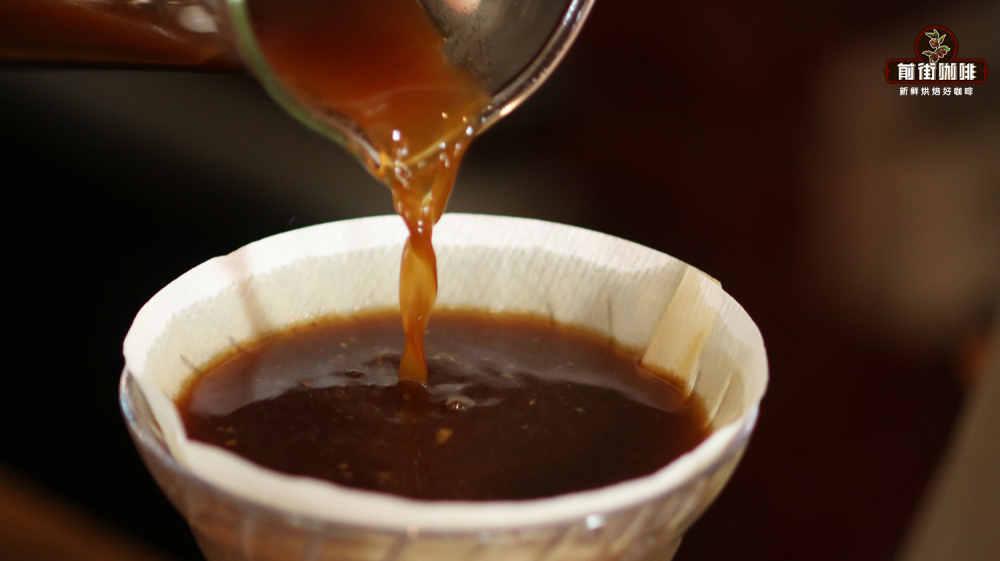
Temperature is one of the key factors affecting the release of coffee flavor. Generally speaking, the higher the water temperature, the faster flavor compounds are released, but it also more easily brings out the acidic substances and bitter components in coffee. Cold brew coffee uses cold or room-temperature filtered water, allowing the flavor compounds in coffee to be released slowly over a longer time, especially those sweet, full-bodied components that do not dissolve easily at high temperatures. Iced coffee relies on hot water (usually between 90°C and 96°C) to quickly extract the acidity, floral and fruity aromas and highly volatile substances in coffee, then lowers the temperature with ice or refrigeration, creating a sharp flavor contrast.

In terms of flavor expression, cold brew coffee is characterized mainly by low acidity, a full, smooth body and prominent sweetness. Due to the long low-temperature extraction, fewer tannins and rough substances are extracted from the coffee, making the flavor rounder, often with mild sweetness such as chocolate, caramel and nuts, and relatively low bitterness. In addition, some studies point out that because of the longer extraction time, the caffeine content in cold brew coffee may be slightly higher than in regular iced coffee. Iced coffee, because it uses high-temperature rapid extraction, has a brighter flavor with prominent acidity, often expressing fresh flavors such as citrus and berries. Its mouthfeel is refreshing but relatively one-dimensional, suitable for drinkers who like lively acidity and sharp flavors.

It should be noted that making cold brew coffee places high demands on coffee bean freshness and grind size. It is recommended to use medium-light to medium roasted coffee beans to balance sweetness and complexity. At the same time, during cold brewing, avoid light and high-temperature environments as much as possible to prevent oxidation from affecting the flavor. For iced coffee, if you want to retain more aroma, it is recommended to use freshly ground high-quality coffee beans and control the extraction time and water temperature well to avoid the burnt bitterness caused by over-extraction.

Overall, cold brew coffee and iced coffee each have their own merits, with completely different flavor directions. Cold brew is mainly mild, full-bodied and sweet, suitable for people who prefer a smooth mouthfeel and low-acidity experience; iced coffee is known for fresh acidity, high aroma and sharp layers, suitable for drinkers who like stimulating mouthfeel and rich flavor changes. The two cold coffee drinks each have their own characteristics, and there is no absolute good or bad; the key lies in personal taste preference.

Whichever you choose, mastering the correct brewing parameters and details will let you enjoy a cup of outstanding, refreshing coffee on hot summer days. Try different brewing methods and find your own summer flavor.


