From Farm to Cupping: Coffee Bean Processing and Picking
Introduction: Do you know how many steps are behind a cup of coffee? From plantation to coffee cup, coffee beans go through 10 key stages, including cultivation, picking, processing, and roasting. This article takes an in-depth look at the two main methods of picking coffee cherries, the process differences between dry and wet processing, and how cuppers screen for high-quality green beans, giving you a full understanding of how specialty coffee comes to be.
The coffee beans we drink every day, as the raw material for our cup, travel a journey of several years and thousands of kilometers from planting to the final beverage. This complex production chain includes at least 10 professional stages, and every step affects the final coffee flavor.
1. Coffee Cultivation Basics
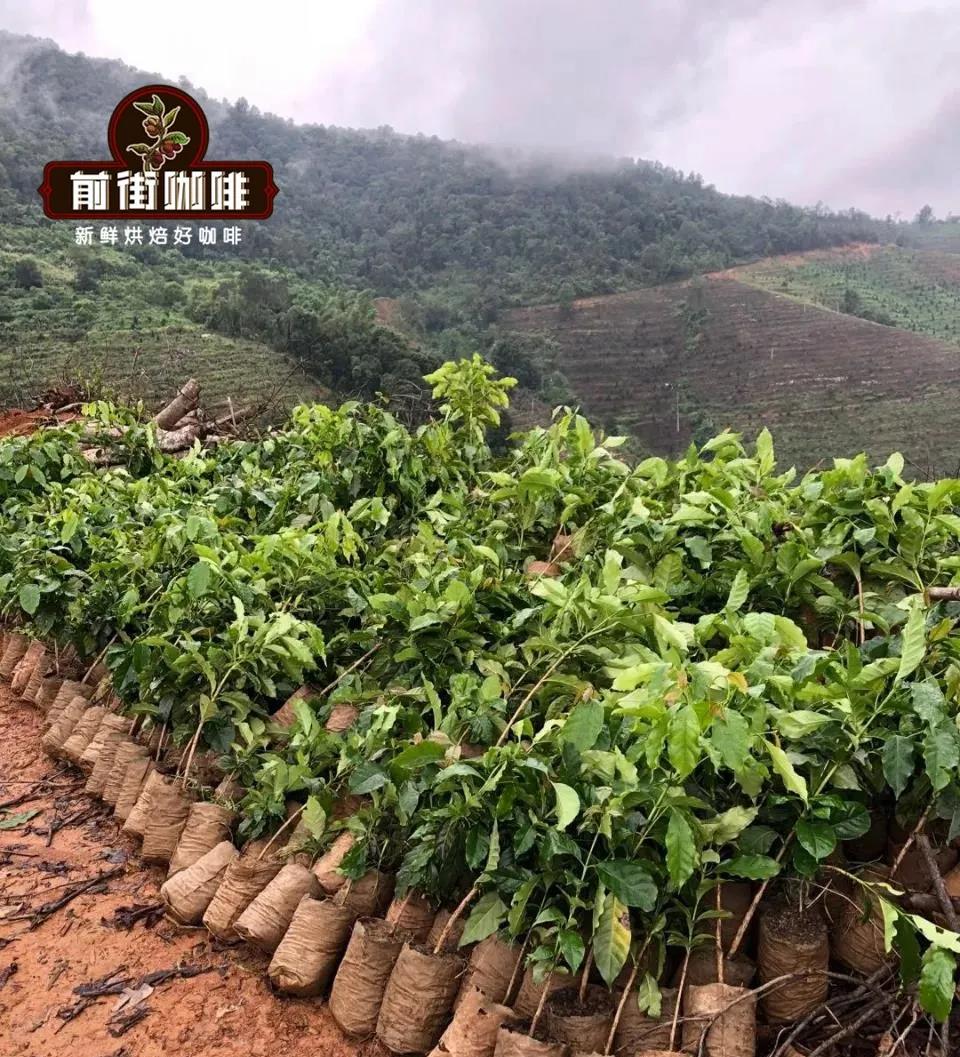
Coffee beans are essentially the seeds of the coffee tree. Before planting, seedlings must be raised in shaded seedbeds, with regular watering and moderate shade maintained throughout. Once the seedlings are strong enough, they are usually transplanted during the rainy season—moist soil helps root development. Notably, coffee trees do not bear fruit for the first time until 3-4 years after planting, and commercial volume production often does not begin until the fifth year.
2. Coffee Cherry Picking Techniques
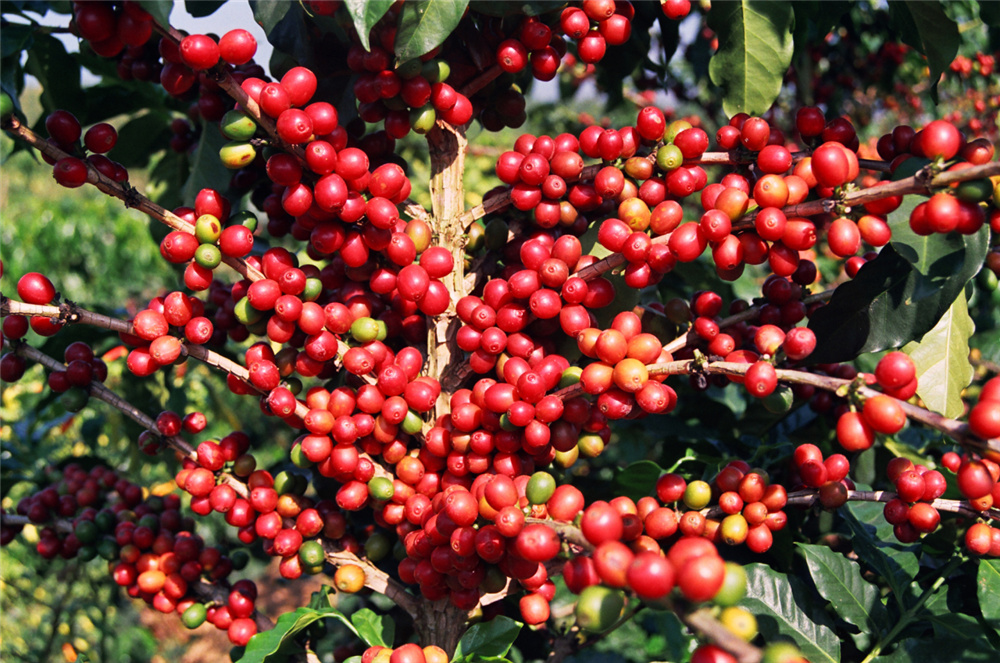
Ripe coffee cherries are a vivid dark red. Harvest cycles vary significantly by region: most areas harvest once a year, while regions such as Colombia, with their double-flowering characteristic, can achieve a main and a secondary harvest. There are currently two main picking methods:
1. Mechanical/manual strip picking: picking all the fruit from the branch at once; efficient but includes unripe fruit
2. Selective picking: picking only fully ripe fruit, with a rotating harvest every 8-10 days; most high-quality Arabica beans use this method. A skilled picker handles 100-200 pounds of cherries per day (yielding 20-40 pounds of coffee beans), and pay is based on the quality of the work.
3. Coffee Bean Processing Methods
After picking, the cherries must be processed immediately to prevent spoilage. There are two main approaches:
Dry processing (natural method): Cherries are spread out directly to dry in the sun, turned daily and protected from rain, until moisture drops to 11% (taking 2-4 weeks); suited to areas with limited water resources.
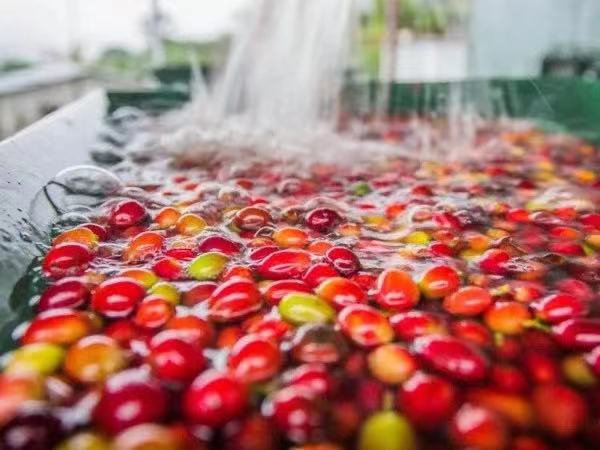
Wet processing (washed method): The mucilage layer is separated with a pulper, followed by water-based density sorting (ripe beans sink) and screen grading; the mucilage layer is then removed in fermentation tanks (12-48 hours), and finally the beans are washed and dried. This method better preserves acidity and floral and fruity aromas.
4. Green Bean Refinement and Export
After processing, the parchment beans must go through hulling (removing the parchment layer), polishing (optional), grading and screening, and other steps. Professional grading includes:
- Size screening (screens 10-20 correspond to 1/64-inch openings)
- Density sorting (air separation of light and heavy beans)
- Defect removal (insect-damaged, over-fermented, deformed beans, etc.)
Qualified green beans are usually packed in 60 kg burlap sacks and shipped around the world by container.
5. Quality Control System
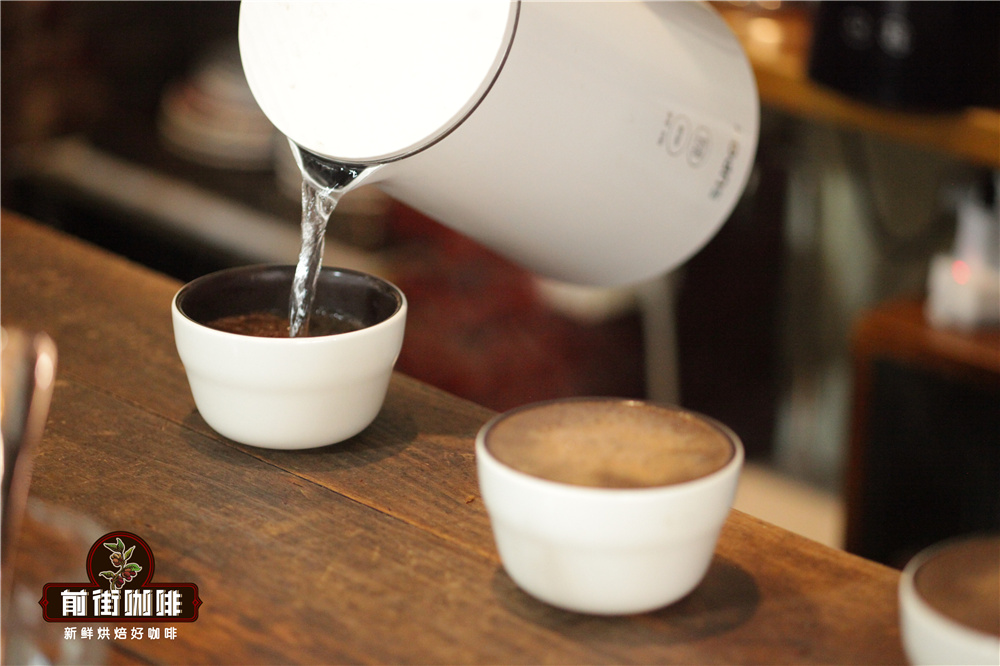
Cupping is the core of quality control. Professional judges, in a standardized environment:
1. Observe the appearance of the green beans
2. Conduct laboratory-grade small-batch roasting (to avoid over-charring)
3. Brew at controlled temperature (92-96°C) and then evaluate:
- Dry and wet aroma (floral/fruity notes at the high-temperature stage)
- Liquid aroma (caramel/nutty notes at the medium-temperature stage)
- Aftertaste (sweet-acid balance at the low-temperature stage)
An excellent cupper can evaluate 300+ samples in a single day and record flavor characteristics.
6. The Science of Roasting and Grinding
Commercial roasting usually takes place between 190-230°C (375-450°F). When the bean core reaches 204°C (400°F), the Maillard reaction begins, producing the signature coffee oils. Green beans are best used 2-4 weeks after roasting to hit the optimal flavor window.
Grind size must match the brewing method:
- Espresso: very fine (like flour)
- Pour-over: medium-fine (granulated sugar texture)
- French press: coarse (sea salt texture)
7. Key Brewing Parameters
Professional brewing focuses on the coffee-to-water ratio (usually 1:15-1:18), water temperature control (90-96°C), and extraction time (2-4 minutes). Advanced brewers can use a staged pouring method to optimize flavor layers—first pour a small amount of hot water to bloom (30 seconds to release carbon dioxide), then pour in stages to complete extraction. Avoid common mistakes: water that is too hot causes bitterness, and grinding too fine causes over-extraction.