Coffee beginner's guide: from beans to health effects
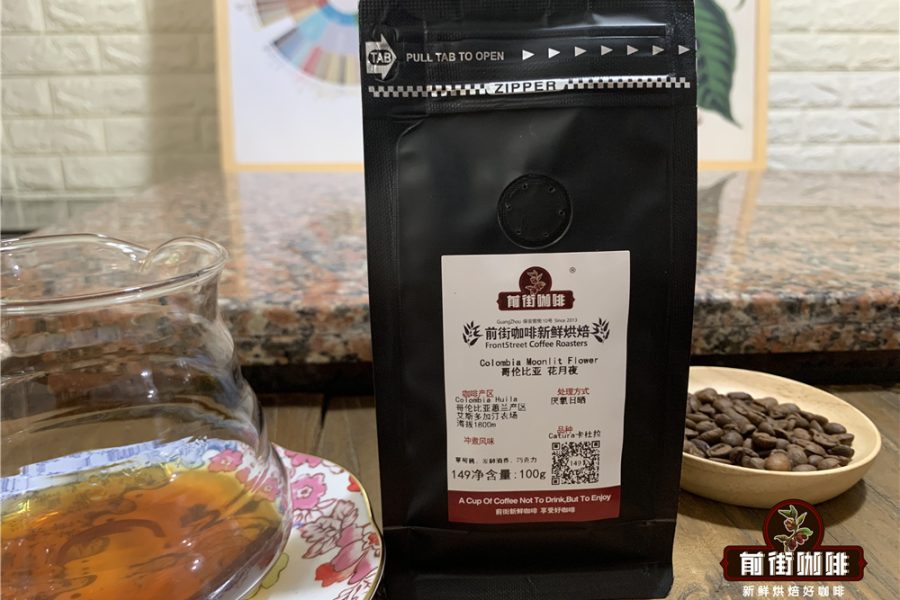
Introduction: Coffee is not only one of the world's most popular drinks, but also a complex subject that combines culture, science, and health topics. This article takes you deeper into the nature of coffee—from the origins of coffee beans and the differences between major varieties to the effects of caffeine and its potential health impacts. Through a scientific perspective and practical details, it helps you understand this everyday pleasure more rationally.
Why is coffee so hard to resist? Perhaps it is not simply the taste, but the subtle interaction between its internal chemical components and the human body. When trying coffee for the first time, many people are put off by its bitter taste, but over time, the antioxidants in coffee and the stimulating effect of caffeine gradually become the key factors that attract people. This dual effect makes us rely on the alertness it brings while enjoying the flavor.
By definition, coffee is a drink made by roasting and grinding coffee beans and then extracting their soluble substances with water. The "coffee beans" here are actually the seeds of the coffee fruit, which after complex processing become the dark beans we are familiar with. The coffee tree (scientific name Coffea) is a tropical crop, and its fruit—the coffee cherry—wraps these precious seeds. Different coffee varieties, processing methods, and roasting levels together determine the unique flavor of the final cup.

Caffeine, the core active ingredient in coffee, is a white crystalline substance widely found in many plants. When consumed in moderation, it has an invigorating and alertness-enhancing effect, but excess may lead to dependence and even health risks. Because of its mechanism of action, caffeine has become one of the most widely used psychoactive substances in the world, although it is not strictly regulated. It is worth noting that sensitivity to caffeine varies significantly among individuals, and this is closely related to factors such as metabolic capacity and daily intake habits.
The main coffee varieties on the market are divided into two major categories: Arabica and Robusta. Arabica coffee accounts for more than 80% of global production and is known for its rich aroma and relatively mild acidity, making it suitable for drinkers who seek delicate flavors. In contrast, Robusta has a higher caffeine content (usually around 2.7%, far higher than Arabica's 1.5%), has a prominent bitterness and strong disease resistance, and is often used in espresso and other coffees that require a strong taste. Professional advice is to try a blend of 65% Arabica and 35% Robusta; this combination can achieve a balance among acidity, sweetness, and body, but the final choice still needs to be adjusted according to personal taste preferences.
The journey of coffee beans begins with the picking of coffee cherries. Ripe fruit must be pulped to obtain the seeds, and this process is divided into the sun-dried method (retaining the pulp and drying it to enhance flavor complexity) and the washed method (quickly removing the pulp to maintain a fresh taste). The processed green beans are green, and at this stage the flavor compounds are dormant. Roasting is the key step that activates these substances—from light roast (retaining acidity and floral and fruity notes) to dark roast (developing caramelized and chocolate flavors), different temperature curves can completely change the final expression of coffee. Special reminder: unroasted green beans can be stored for several months in a cool, dark environment, while roasted beans are recommended to be used within two weeks to fully enjoy their best flavor window.
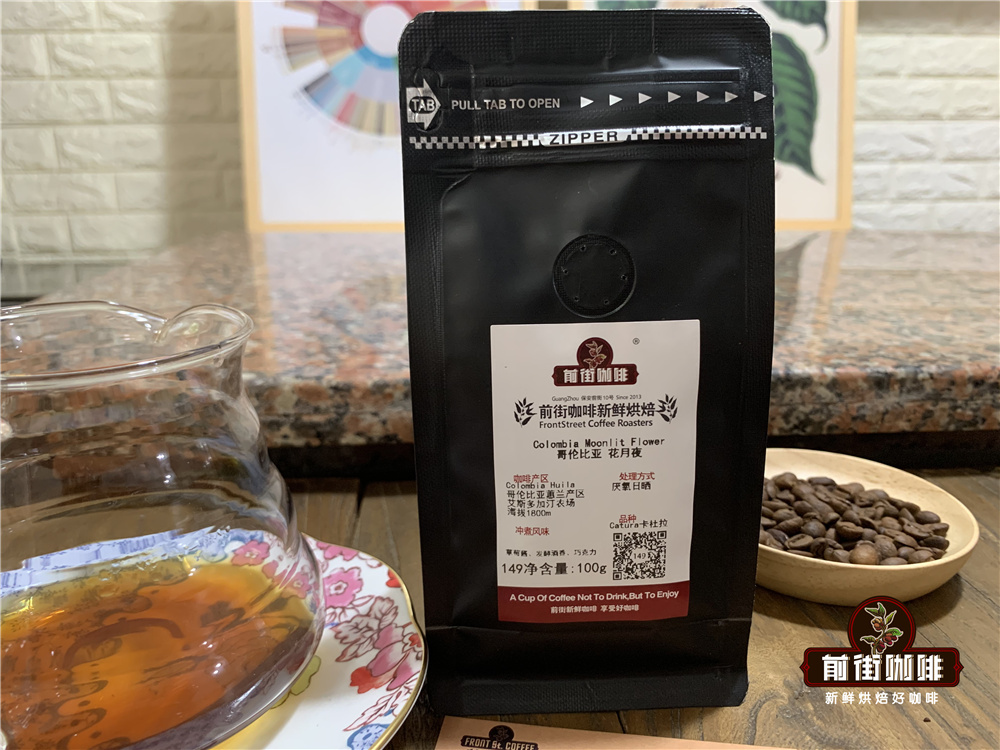
The health effects of coffee need to be viewed dialectically. Moderate drinking (no more than 400 mg of caffeine per day, roughly equivalent to 3-4 standard Americanos) may bring benefits such as antioxidants and improved metabolism, but excessive intake can cause palpitations, insomnia, stomach discomfort, and other problems. In particular, drinking caffeinated beverages after 3 p.m. may interfere with sleep cycles, and adolescents have lower tolerance for caffeine and need to control their intake even more. In addition, the acidic substances in coffee may irritate the gastric mucosa, and people with a history of gastric ulcers should drink it with caution.
The calorie composition of coffee is often overlooked: black coffee contains only about 2 calories per cup, but after adding whole milk, syrup, or cream, the calories in a large latte can soar to 300-400 calories. Caffeine also affects calcium absorption, and people who drink large amounts over the long term and lack calcium supplementation need to be alert to the risk of decreased bone density. Regarding drug interactions, caffeine may enhance the effects of certain psychiatric drugs; for example, taking it with fluoxetine (Prozac) may aggravate anxiety symptoms. During medication, it is advisable to consult a doctor to adjust coffee intake.
Although caffeine poisoning is uncommon, it does exist. A single intake of more than 10 grams of caffeine (roughly equivalent to 100 cups of espresso) may cause severe poisoning reactions, including life-threatening symptoms such as arrhythmia and seizures. More common is chronic dependence—sudden cessation may cause withdrawal symptoms such as headache, fatigue, and low mood, which usually gradually subside within 3-7 days. It is recommended to adjust coffee intake habits by gradually reducing the amount to avoid discomfort caused by sudden withdrawal.
From plantation to coffee cup, every cup of coffee carries complex natural and human factors. Understanding the knowledge behind this not only helps us better appreciate the flavor layers of coffee, but also allows us to enjoy the pleasure and vitality brought by this everyday drink with a more scientific attitude.


