How Espresso Crema Forms and a Guide to Espresso-Based Drinks
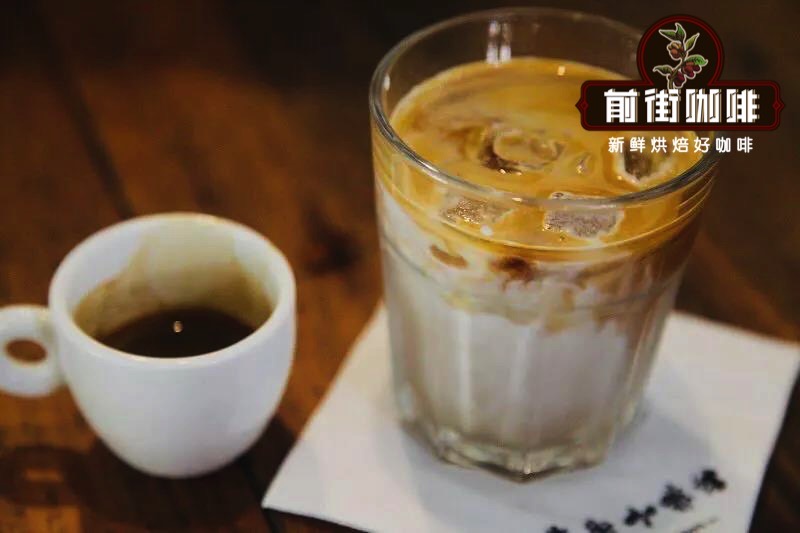
Introduction: From the secrets of espresso's crema layer to the logic behind classic coffee drinks, this article takes a deep look at the essence of espresso extraction. By explaining the chemical makeup of crema, the three-part flavor structure, and 6 common espresso-based drinks, it helps you grasp the core knowledge from a professional barista's perspective. Whether you are a beginner wanting to understand how coffee crema forms, or an enthusiast exploring the recipe principles of lattes and cappuccinos, you will find practical technical points here.
In the coffee world, "espresso" can refer either to coffee beans of a particular roast level or to a coffee beverage extracted under high pressure. To make professional-grade espresso, a blend based mainly on Arabica beans is usually chosen—such recipes often add a small amount of Robusta beans (no more than 30%), using their caffeine content, about twice that of Arabica, and their greater ability to produce crema to strengthen the coffee's body and crema performance. As for roast level, dark roast remains the mainstream choice, but some specialty coffee shops use medium-dark roast to balance acidity and bitterness with aroma layers.
What determines the essence of espresso is its special extraction process and grinding standard. Very finely ground coffee (about 30%–40% finer than pour-over coffee) must be tamped into a firm puck, and hot water at 92–96°C is forced through it quickly under 9–10 atmospheres of pressure in an espresso machine (extraction time about 25–30 seconds). This high-pressure environment not only fully extracts coffee compounds but is also the core condition for forming the signature crema.
A traditional single espresso (solo) is about 30 ml (1 oz), while a double (doppio) is 60 ml (2 oz); standard service uses a preheated demitasse (about 90–120 ml). High-quality espresso should show a "three-part structure": the "heart" at the bottom is dark brown, with a slight astringent bitterness that balances the overall flavor; the "body" in the middle is caramel-colored, carrying the main sweetness and rich texture; and the "crema" on top is the most crucial essence layer.
This 1–2 mm layer of amber to reddish-brown foam is essentially an emulsion formed by coffee oils, carbon dioxide, and micro-bubbles. Ideal crema should have an even, fine texture, a color between hazelnut brown and reddish brown, and last no less than 2 minutes. Its formation depends on carbon dioxide released from the coffee grounds under high pressure enveloping oil particles, while some soluble sugars and aromatic substances dissolve as well—which is also why freshly roasted coffee beans (best used within 7–21 days after roasting) more easily produce high-quality crema.
To observe the complete flavor experience of espresso, pay attention to the balance of three dimensions: the heart provides the basic bitter note that supports the overall structure, the body conveys the main sweetness and body, and the crema concentrates about 60% of the aromatic compounds. Professional baristas precisely control the proportions of these three by adjusting grind fineness (affecting flow rate), tamping pressure (changing puck density), and extraction time (controlling how much material is extracted).
Drinks based on espresso make use of the flavor cohesion of its highly concentrated extract. When mixed with steamed milk, the fat and protein in the milk combine with the acidic substances in espresso, both softening sharp flavors and extending how long the aroma lingers. Common espresso-derived drinks include: a latte (Caffè Latte, coffee:milk ≈ 1:3) with steamed milk and microfoam; a cappuccino (Cappuccino, three parts at 1:1:1) balancing milk foam and coffee; a mocha (Mocha) with chocolate syrup; and an affogato (Affogato) of espresso poured over vanilla ice cream, among others.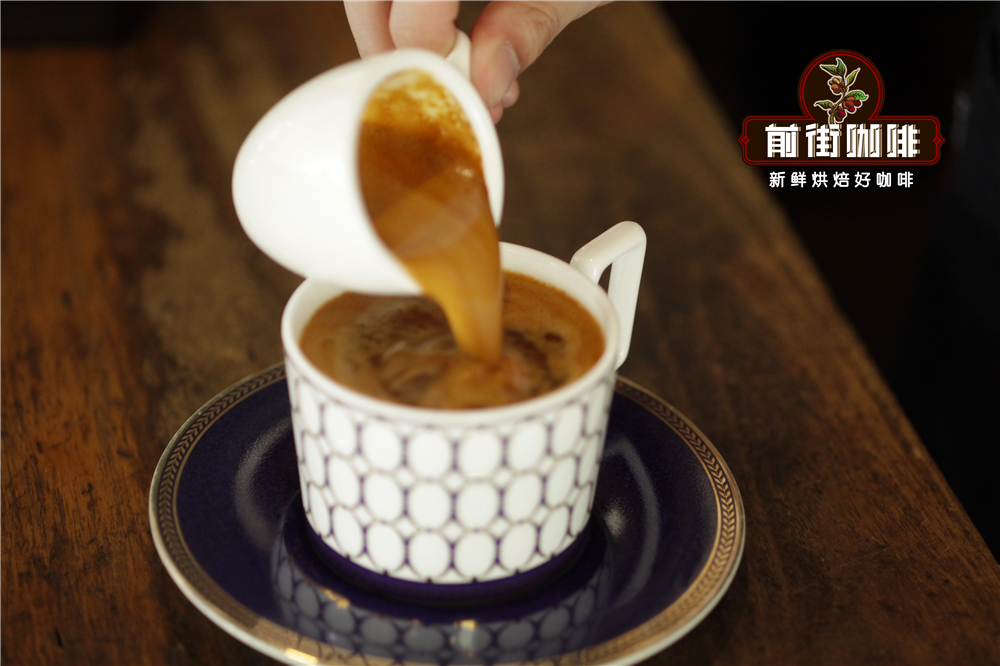
For home users, besides traditional semi-automatic espresso machines, capsule coffee systems (such as Nespresso-compatible devices) are also a viable option. These systems use pre-pressed coffee capsules (about 7 g per single capsule, 14 g for double, 45 mm in diameter) and achieve high-pressure extraction similar to commercial machines within a sealed space through a dedicated machine. Note, however, that the coffee-to-water ratio and extraction parameters of capsule coffee are preset fixed values, so flexibility for flavor adjustment is lower than with a freshly ground coffee system.
The best time to drink espresso is within the first 30–60 seconds after extraction is complete—when the crema has not yet dissipated much and the concentration of volatile aromatic substances is highest. If left standing for more than 3 minutes, the drop in coffee temperature causes some flavor substances to settle, and acidity is perceived as relatively stronger. Professional advice is to pair it with freshly baked firm bread (such as Italian biscotti), flaky pastries (such as croissants), or liquid desserts (such as Italian gelato), which cleanse residual flavors from the palate without overly interfering with the coffee's own layered expression.


