Cuban Coffee Guide: From Espresso Recipe to Tasting

Introduction: Want to know how authentic Cuban coffee (Cafe Cubano) produces its signature sweet crema? This article explains in detail the ingredient choices, layering technique, and regional variations of this Caribbean classic, from the Miami-favored Cortadito to the traditional Pilone grinding method of the mountains, guiding you through the secrets of making sugar foam with a moka pot, and analyzing the Cuban coffee industry's market challenges from the colonial period to the present.
Cuban coffee (Cafe Cubano) can be called the sweet bomb of the espresso world—by combining undiluted espresso with freshly whipped sugar foam (espumita), it creates a layered caramel sweetness. This recipe, originating from the daily pick-me-up drink of 19th-century coffee farmers, still maintains the traditional craft of fresh extraction with a moka pot in Miami's corner cafes.
Core ingredient selection: Although it is called Cuban coffee, the island actually mostly uses Brazilian or Colombian beans due to industrial decline. It is recommended to choose medium-dark roast (roast level 70-80%) Arabica beans, whose full-bodied taste can balance the sweetness of the high sugar ratio. For an authentic experience, you can use 11-13% sucrose sugar crystals (not white granulated sugar), which is the key to forming the golden espumita.
During preparation, first place the moka pot over medium heat (water level no higher than 0.5cm below the pressure relief valve), and when the first drop of espresso falls into the cup with pre-added sugar (sugar amount = coffee liquid amount 1:1), immediately use a stirring rod to quickly stir in circles until a thick, stringy state appears. At this point, add the remaining coffee liquid, and the final three-layer structure—dark coffee at the bottom, an amber transition layer in the middle, and a 2-3mm thick foam on top—is exactly the sign of success.

Cuban coffee has spawned several regional versions: Cortadito (a mini version with 1:1 hot milk), Café con Leche (a full-fat milk combination served with buttered toast for breakfast), and the street-shared Polvo (a 4-ounce espresso in a plastic cup). In South Florida, people often buy Polvo to share with friends while waiting at nail salons, confirming its social nature.
In terms of production areas, the red-brown soil of the eastern Sierra Maestra mountains (800-1200 meters above sea level) nurtures beans with nutty notes, traditionally transported by mule teams to lower-altitude drying areas. The volcanic rock soil of the central Escambray Mountains produces fruit with bright acidity, but in recent years output has fluctuated sharply due to frequent hurricanes. It is worth noting that the local wood Pilone grinding mill method for crushing beans is still preserved, which can retain more aromatic substances than electric grinders.
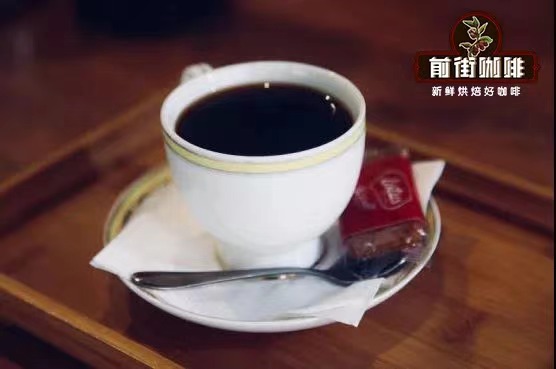
This category has a distinctive flavor profile: the melt-in-the-mouth sugar foam layer brings caramel and honey top notes, followed by the chocolate bitterness and blackberry acidity of the espresso gradually emerging, with a faint smoky note in the finish. Professionals suggest that first-timers taste the espumita alone first, then compare the overall balance after mixing. To recreate it at home, you can use an espresso machine to extract a 30ml single shot, ensuring extraction pressure is maintained at 9-10 bar to obtain ideal crema.
From the cultivation techniques brought by French immigrants in the 18th century to the industrial crisis of a 90% drop in output after the collapse of the Soviet Union, the history of Cuban coffee mirrors the economic changes of the Caribbean region. Although the current annual export value is less than 1% of GDP, through improved rust-resistant varieties (such as the Catimor line) and drip irrigation technology, the region is still committed to restoring the former production capacity that once accounted for 4% of global trade.


