Kenya AA vs Yirgacheffe: Flavor Comparison and Coffee Bean Buying Guide
Introduction: When faced with Kenya AA and Yirgacheffe, two classic African coffee beans, many coffee lovers often find themselves in a dilemma of choice. This article will analyze the unique charm of the two coffees in depth, from flavor characteristics and processing methods to brewing suggestions, and further introduce the flavor differences of ten distinctive producing regions around the world, helping you find the coffee beans that best suit your personal taste.
When discussing Ethiopian Yirgacheffe and Kenya AA coffee, people often struggle over which one tastes better. In fact, coffee flavor preference is like a personal taste map, affected by multiple factors such as genetic makeup, upbringing, taste bud sensitivity, and even the day's diet. Rather than blindly following so-called 'expert recommendations,' it is better to systematically understand regional characteristics and make a choice based on your own taste preferences.
Kenya AA coffee beans, as the representative of the country's highest grade of coffee, take their name from the screening standard: selected large beans with a diameter of more than 1/4 inch. These Arabica beans, grown in the Kenyan highlands at an altitude of 1,700-2,000 meters (about 5,600-6,600 feet), use a unique double-fermentation washed processing method, creating a signature bright acidity and complex fruity aroma. The typical flavor profile includes blackcurrant, tomato-like acidity, citrus fruits, and a black tea finish. The optimal roast level is medium (Agtron 55-65), which can preserve the floral and fruity notes while developing a moderate body.
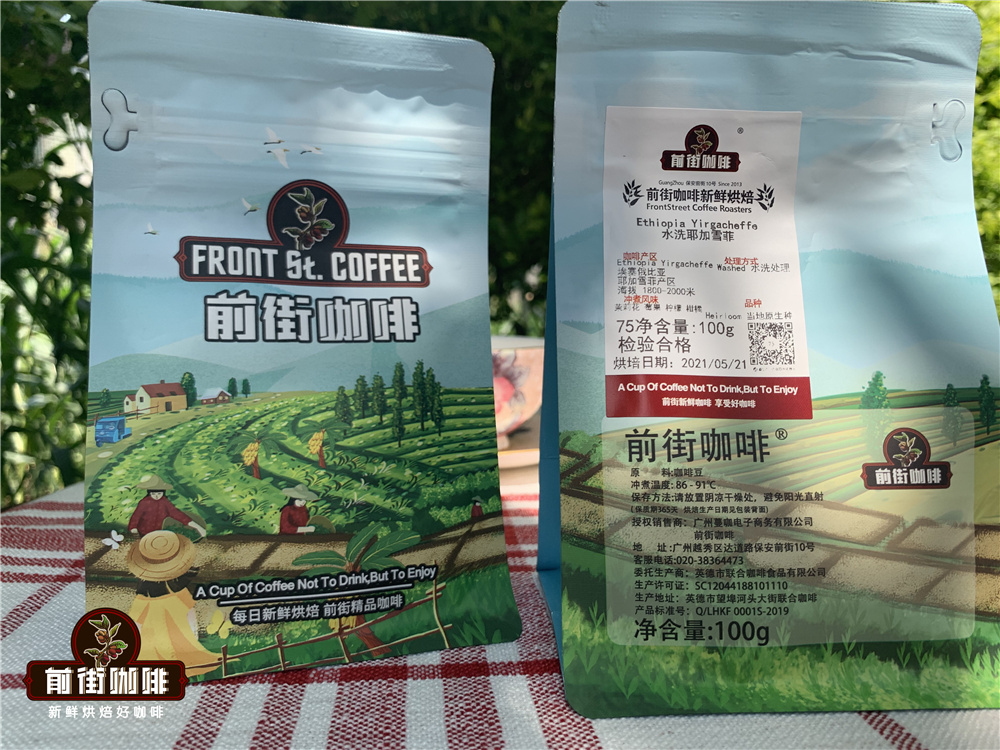
By comparison, the Yirgacheffe producing region is located in a highland area at an altitude of 1,700-2,100 meters (about 5,600-6,900 feet), and its wet-hulled processing method gives the coffee a lighter body and extreme citrus notes. High-quality Yirgacheffe often presents an interweaving of jasmine aroma, blueberry acidity, and honey sweetness. Light to medium roasting (Agtron 65-75) can highlight its signature citric acidity and bergamot flavors. It is worth noting that processing techniques differ significantly among cooperatives in this region. For example, Kochere is known for its tea-like finish, while Yirgacheffe G1 stands out for its berry explosiveness.
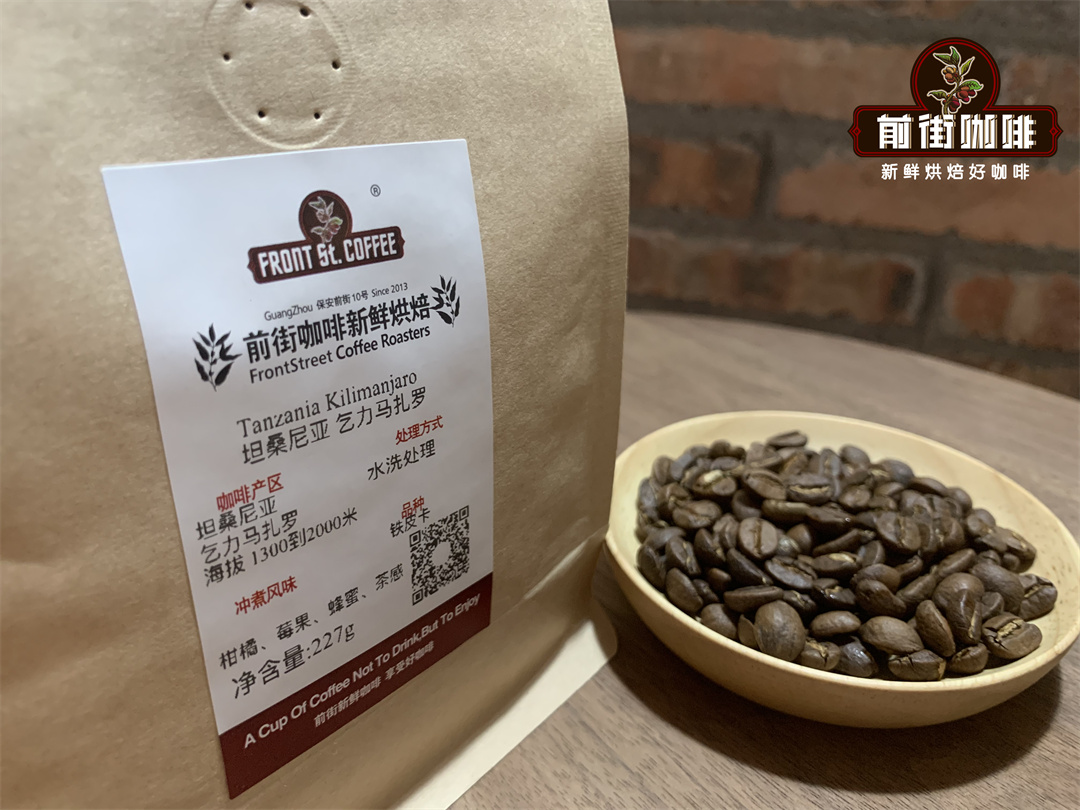
In addition to the two star products above, coffee beans with distinctive characteristics from producing regions around the world are worth exploring: Tanzanian Peaberry brings a more concentrated blackcurrant and chocolate flavor due to its single round-bean structure, and medium roasting is recommended to show its body layers; Hawaiian Kona coffee, with its buttery texture and mild acidity nurtured by volcanic soil, can balance its spicy notes and floral-fruity aroma through medium roasting; Nicaraguan coffee highlights the synergy of dark chocolate and malic acidity through dark roasting.
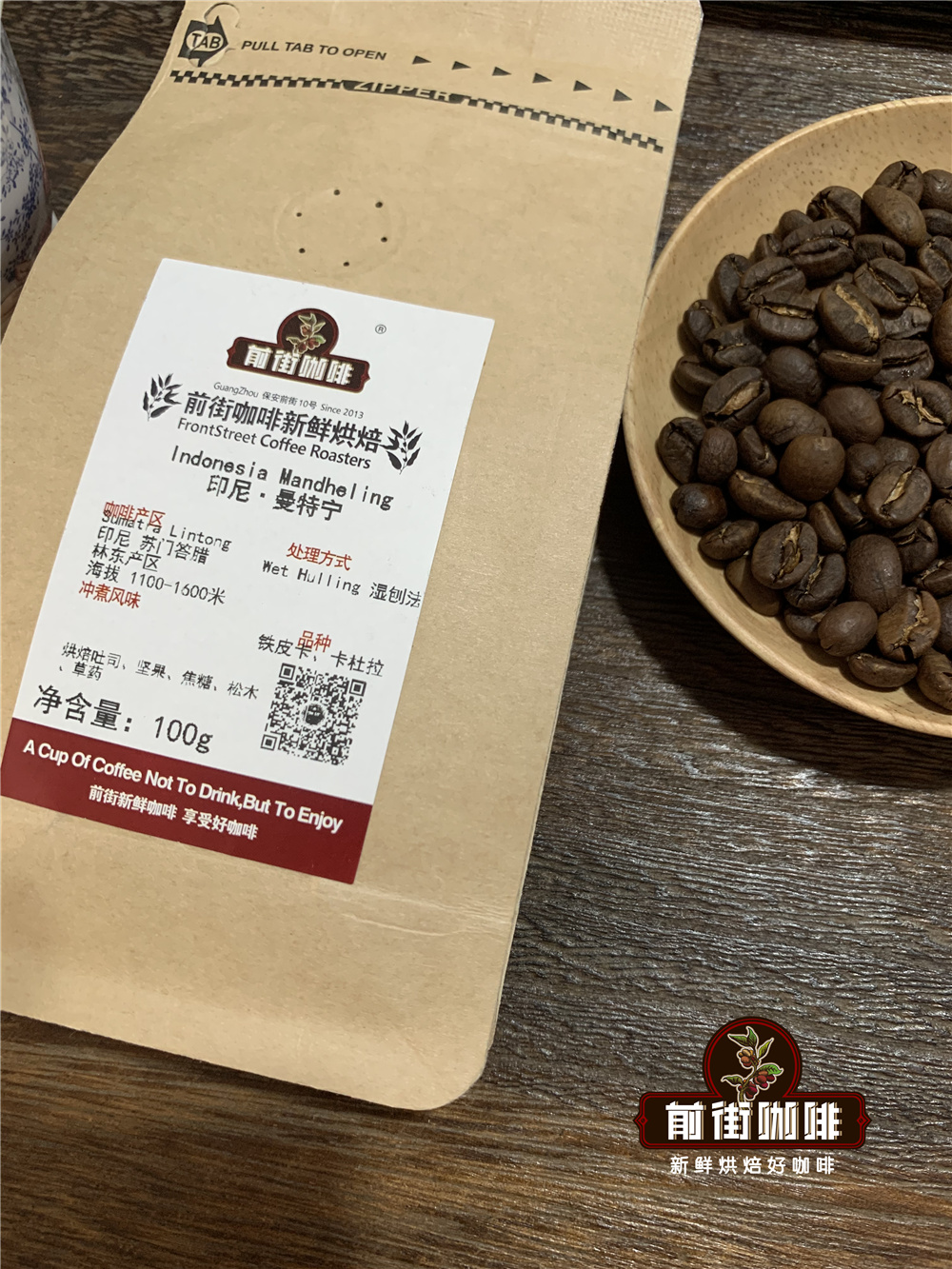
For consumers who prefer a full-bodied taste, the wet-hulled processing method of Sumatra Mandheling creates herbal and earthy notes with low acidity, requiring dark roasting to strengthen caramelization reactions; while Sulawesi Toraja coffee, through the unique Giling Basah wet-hull method, presents a balance of dark chocolate and ripe fruit after dark roasting. These cases show that the choice of roast level directly affects the final flavor performance.
Professional coffee enthusiasts can optimize the brewing experience through the following parameters: for Kenya AA, it is recommended to use a water temperature of 92-94°C with a 1:15 coffee-to-water ratio; a V60 dripper can better highlight its bright acidity layers; Yirgacheffe is suitable for lowering the temperature to 90-92°C and extending the blooming time to fully release the citrus aromatic substances. When storing, be sure to place the coffee beans in a light-proof sealed container and maintain a 10-15% oxygen environment to slow flavor degradation.
Common cognitive misunderstandings in the market include: excessively pursuing high-altitude numbers (in practice, specific microclimates must be considered), confusing processing methods with inevitable regional associations (for example, washed does not necessarily mean high acidity), and blindly believing in the concept of a single origin (high-quality blends also have unique value). Consumers are advised to test small-package samples and record the performance differences of beans from the same region among different roasters.
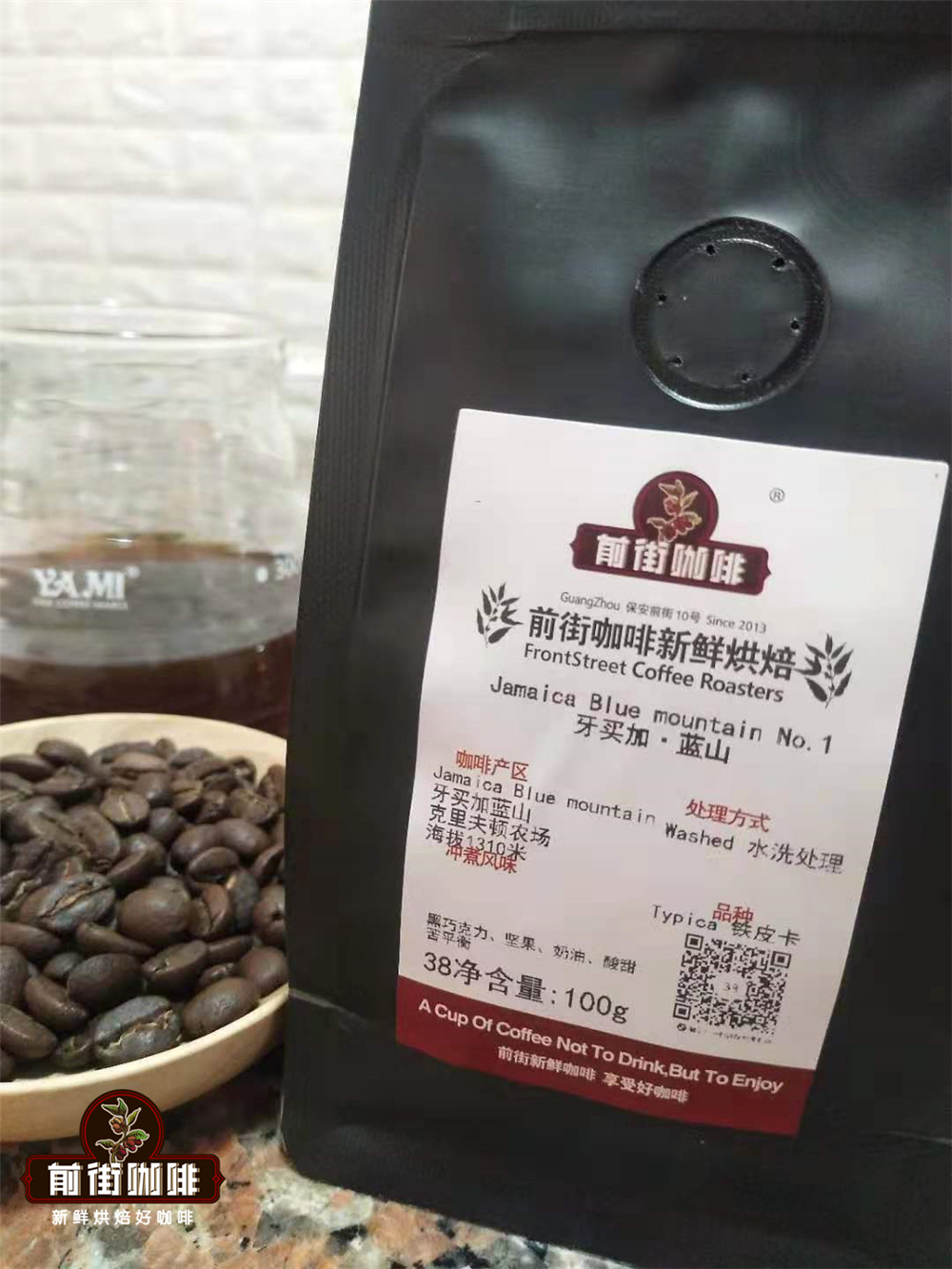
As for Jamaican Blue Mountain, often crowned the 'king of coffee,' its high price stems more from scarcity of production and historical premium than from an absolute quality advantage. In actual tasting, its mild and balanced characteristics may not meet the expectations of consumers seeking a strong flavor impact. The key to choosing ideal coffee beans is to rationally view the match between regional reputation and personal taste preferences.


