Choosing the Right Grind for Pour-Over: A Full Guide from Coarse to Fine
Introduction: When brewing coffee, grind size is the most easily overlooked yet crucial parameter. Different grind sizes directly affect coffee extraction efficiency, which in turn determines the flavor expression of the coffee. This article explains in detail the differences between coarse, medium, and fine grinds, teaches you how to precisely choose grind size for different brewing methods such as pour-over, French press, and espresso, and helps you avoid the common pitfalls of under-extraction or over-extraction.
Many coffee enthusiasts often fail to brew their ideal flavor even when using high-quality coffee beans, and the problem often lies in the choice of grind size. Grind size not only affects coffee extraction efficiency but also directly determines the final flavor presentation—from sweet-tart balance to rich layers, all are closely related to grind coarseness.
The essence of coffee grinding is to break coffee beans into particles of different sizes so that hot water can fully extract the flavor compounds. This process requires precise control of three core elements: grind size, water temperature, and brewing time. Among them, grind size is the most fundamental variable, directly affecting the contact area between water and coffee grounds and the extraction rate.
When the grind is too coarse, water flows through the coffee bed too quickly, resulting in insufficient extraction of flavor compounds. This coffee usually presents as sharply sour, thin, and even with a noticeable salty taste. At this point, you need to grind finer and extend the extraction time to increase flavor concentration. Conversely, if the grind is too fine, the water flow is obstructed and causes over-extraction; the coffee will present unpleasant bitter, woody flavors and lose its proper lively acidity.
The ideal extraction state should present a balanced flavor with prominent sweetness, bright acidity, and a round mouthfeel. This requires precisely matching the grind size to the specific brewing method. Below are the recommended parameters for common devices:
Coarse grind (like coarse sugar/kosher salt) is suitable for French press and cold brew, with a particle diameter of about 1-2 mm. For French press, a standard coarse grind is recommended; if you want a clearer cup, you can grind slightly finer. For cold brew, due to the long steeping time (12-24 hours), an extra-coarse grind (similar to sea salt particles) is recommended to prevent over-extraction.
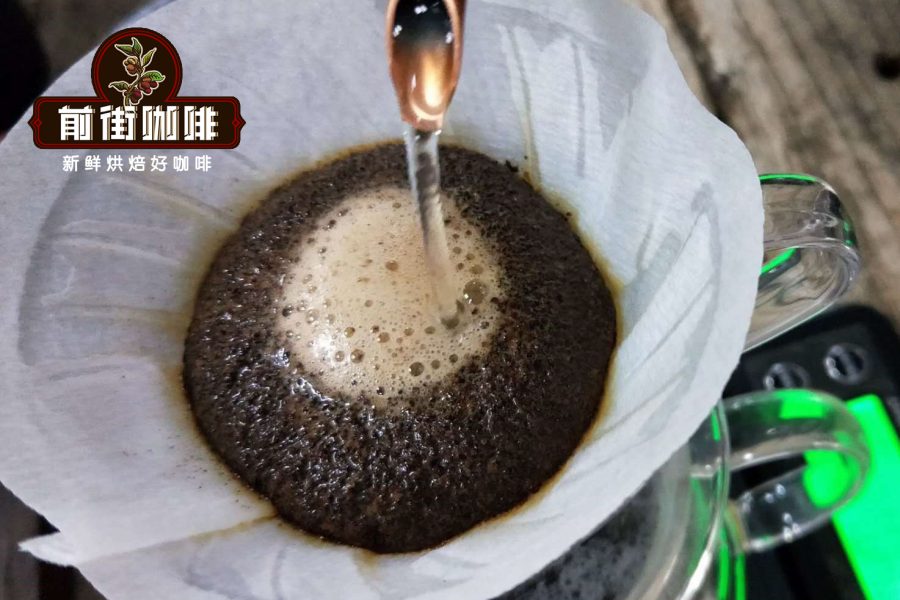
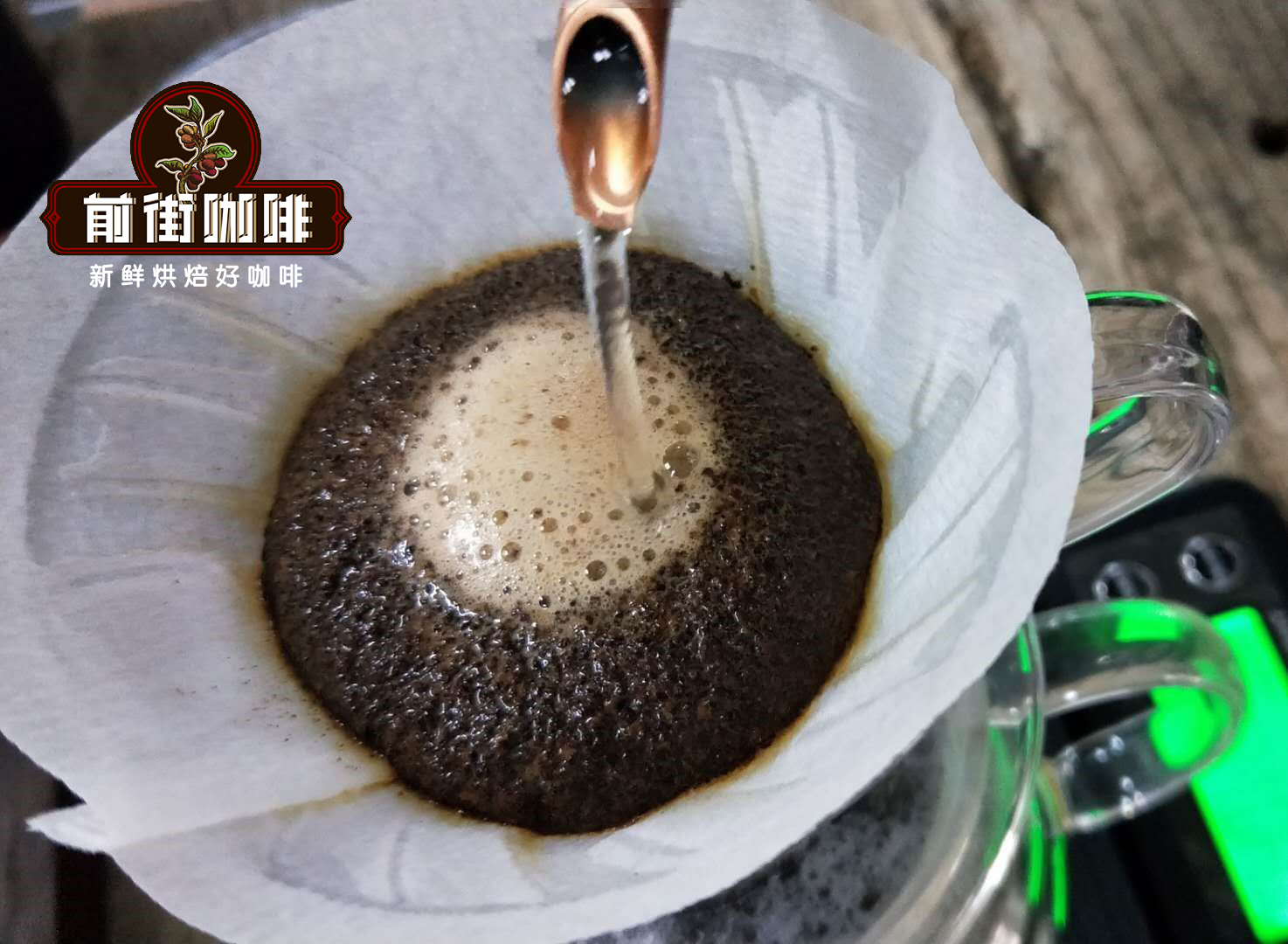
Medium-coarse grind (like sea salt) is the mainstream choice for pour-over coffee, commonly used in conical drippers such as V60 and Kalita. The particle size is between granulated sugar and table salt, which ensures even extraction without excessively blocking the filter paper. Wide-mouth drippers such as Chemex can be adjusted coarser to a granulated sugar particle size.
Fine grind (like table salt/powdered sugar) is used for espresso and moka pots, with particles close to fine granulated sugar. AeroPress can be adjusted flexibly according to brewing time: a medium-coarse grind can be used for a 3-4 minute extraction, while a fine grind is needed for fast extraction (1 minute). Turkish coffee requires an extra-fine powder (close to flour), but such special uses require professional equipment.
Special note: using too fine a grind in a French press will make the coffee cloudy and bitter. A simple way to judge whether the grind is suitable is to observe the resistance of the plunger—under normal circumstances it should press down smoothly; if it feels unusually laborious, the grind is too fine.
The key to mastering grind size selection lies in understanding the "extraction triangle" relationship: coarse grinds need longer time or higher water temperature to compensate, while fine grinds need shorter time to avoid over-extraction. Beginners are advised to start with a medium grind and gradually make fine adjustments based on the actual flavor performance, while recording each parameter combination to find the golden ratio that best suits their own taste.


