How to Choose Coffee Grind Size: Key Effects on Pour-Over and Extraction
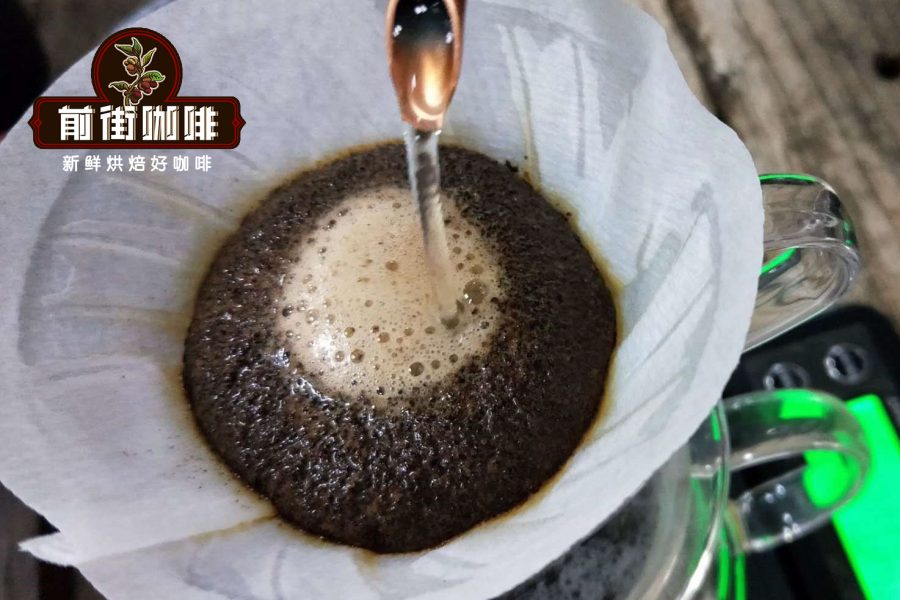
Introduction: The flavor expression of coffee is closely tied to grind size. From pour-over to French press, different brewing methods have different requirements for the particle size of coffee grounds. Understanding the difference between fine and coarse grinding and mastering adjustment techniques can help you precisely control extraction, avoid sourness or bitterness, and unlock coffee's best taste. This article takes you through an in-depth analysis of how grind size affects flavor and offers practical adjustment suggestions.
Coffee flavor release is a subtle art of balance, and grind size is one of the key variables in this art. Many people focus on coffee bean origin and roast level but easily overlook the profound impact of grind size on the final taste. In fact, from pour-over coffee to French press, different brewing methods have completely different requirements for the particle size of coffee grounds.
The difference between coarse-ground coffee and fine-ground coffee is by no means just a difference in particle size. Coarse-ground coffee particles are larger, usually with a texture similar to coarse sugar; this grind size is often used for French press or cold brew because larger particles slow extraction and bring a milder, lower-acid flavor expression. Fine-ground coffee, by contrast, is close to powder, similar in fineness to table salt, and is commonly found in espresso or pour-over scenarios requiring high extraction, where it can release aromatic compounds from the coffee more quickly.
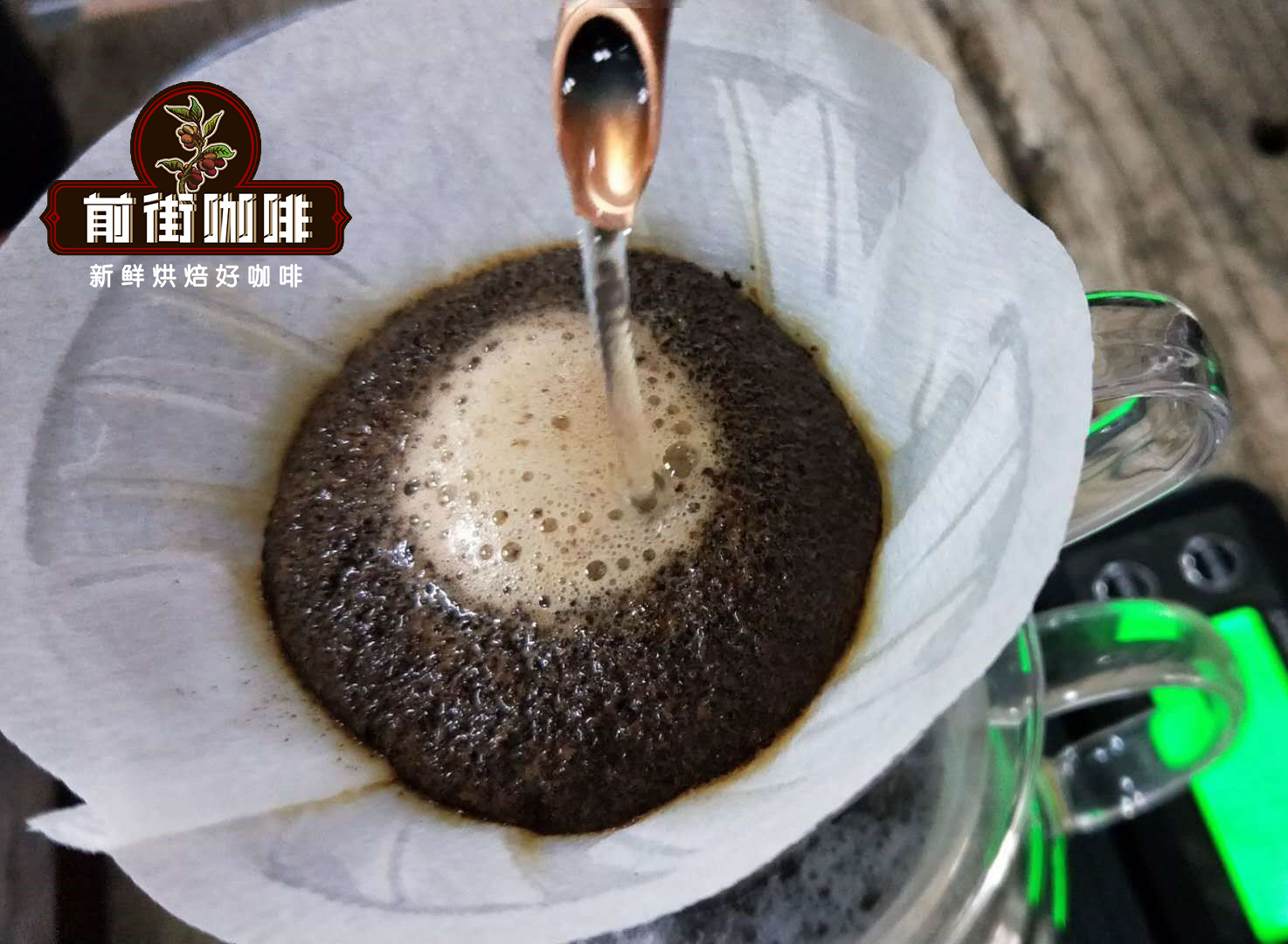
During extraction, grind size directly affects the speed at which water passes through the coffee bed. With a coarse grind, water flows through quickly, extraction time is short, and fewer flavor compounds are released, which can easily cause underextraction, showing up as a thin-bodied coffee with a pronounced sharp sourness. Conversely, with a fine grind, water resistance is greater and extraction time is prolonged; if not controlled properly, overextraction can bring out negative flavors such as bitterness and a burnt taste. Therefore, adjusting grind size is an important means of balancing coffee's acidity and body.
Coffee beans of different roast levels also have different grind size requirements. For example, for full-bodied beans such as medium-dark roasted Mandheling, a slightly coarser grind is usually recommended to avoid the bitterness caused by overextraction; while light-roasted Yirgacheffe with bright fruity acidity may need a slightly finer grind to fully express its floral and fruity character. But this is not absolute; in practice, adjustments also need to be made according to the brewing method.
When you encounter coffee extraction problems, grind size is the first thing to check. If coarse-ground coffee tastes too sour and astringent, try extending the brewing time or appropriately lowering the water temperature (for example, from 93°C to 90°C) to help fully extract sweet compounds and balance acidity. Conversely, if fine-ground coffee tastes bitter and flat, shorten the brewing time or raise the water temperature (for example, to 94-95°C) to reduce the negative flavors of overextraction.
When adjusting grind size, it is recommended to use a grinder with markings or buy professional-grade burrs to ensure the uniformity of each grind. Uneven grinding causes some particles to be overextracted while others are underextracted, seriously affecting the overall flavor. In addition, different brewing devices have clear recommended grind ranges; for example, the common grind for pour-over coffee is between medium-fine and fine (similar to granulated sugar to fine salt), while French press requires noticeably coarser particles (similar to coarse sugar).
Mastering the techniques for adjusting grind size is an important step in improving your coffee brewing. By observing extraction time, tasting flavor feedback, and combining the characteristics of the brewing method, gradually find the grind size that best suits the coffee beans at hand, and you will be able to consistently present a cup of good coffee with rich layers and balanced taste.


