9 Reasons Your Espresso Has No Crema and How to Fix It: A Beginner's Extraction Guide
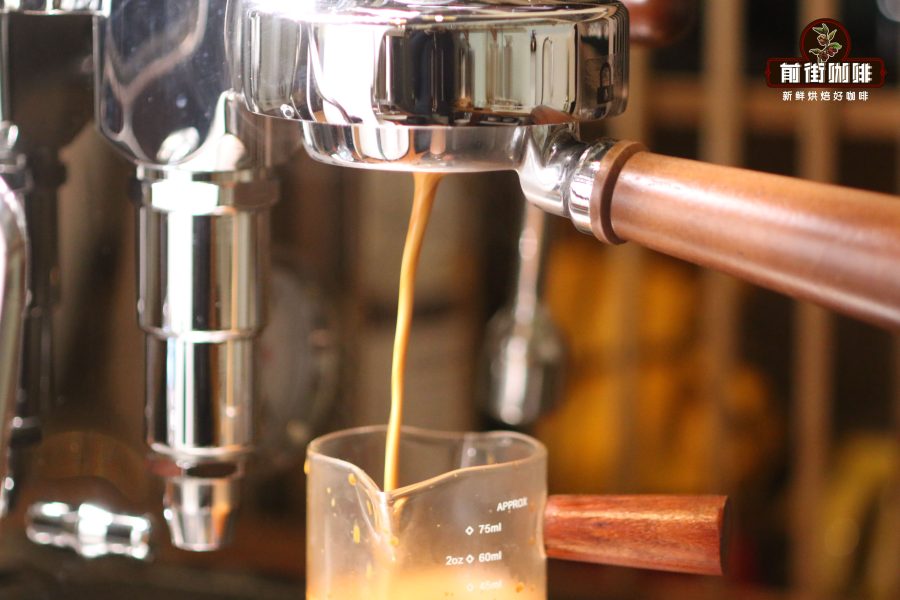
Introduction: Have you ever had espresso with thin crema or none at all? Golden, velvety crema is not just a visual pleasure; it is a sign of successful extraction. This article takes a deep look at the five core factors that affect crema formation, covering coffee bean freshness, roast level, equipment parameters and other key points, and offers 9 practical solutions. By adjusting grind size, water temperature, extraction time and other specific parameters, it helps you make professional-level espresso with rich crema at home.
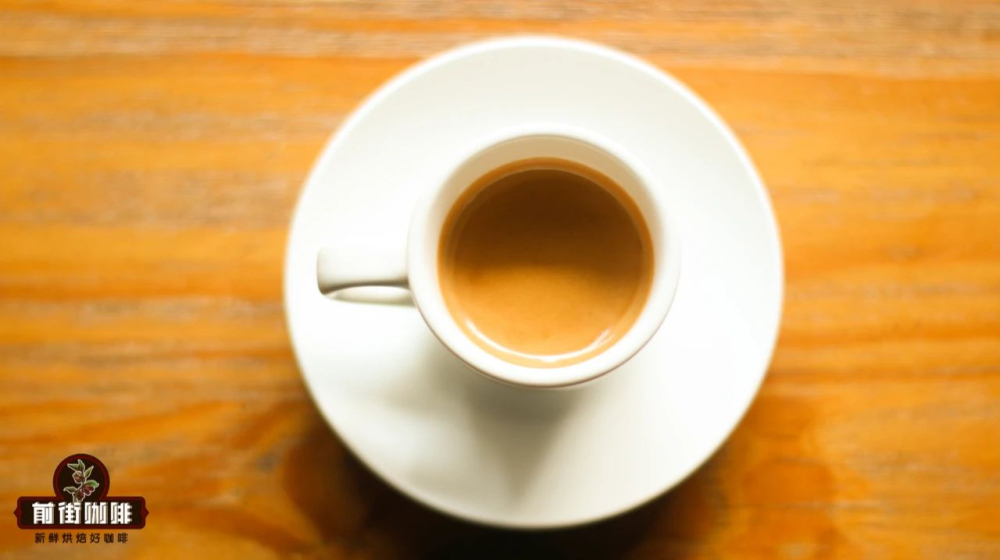
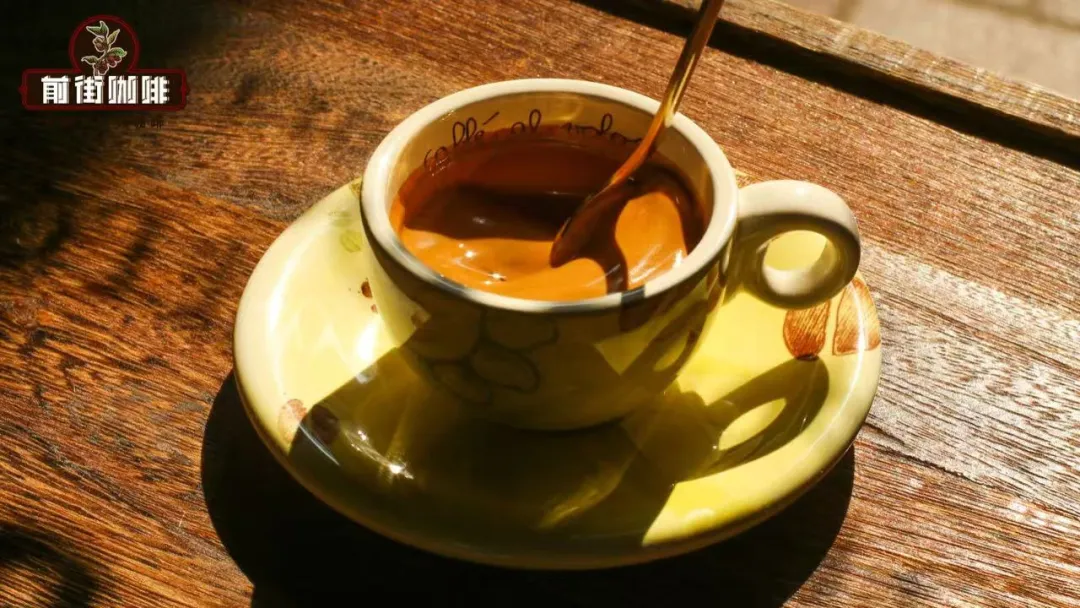
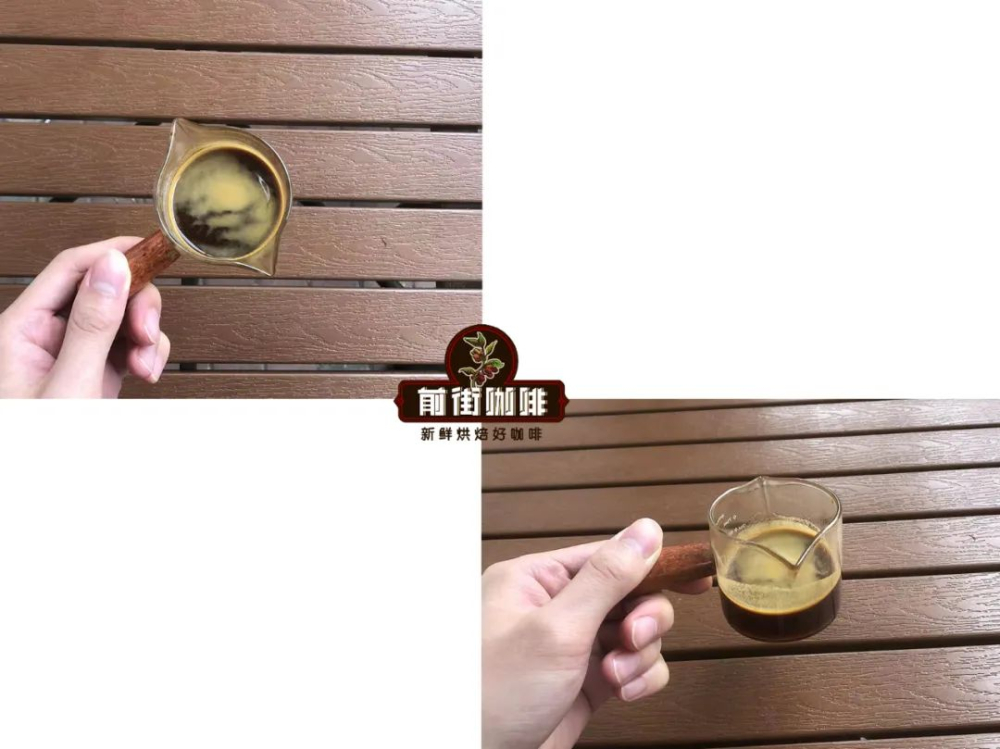
When making perfect espresso, the golden layer of crema on the surface is both a sign of quality and an important carrier of flavor. An ideal crema layer should have a thick, honey-like texture, about one third of the coffee liquid surface, with a silky flow when the cup is swirled. But many coffee lovers often run into thin or missing crema, which is usually related to missteps at several stages.
1. Coffee bean freshness determines the life of crema
Freshly roasted coffee beans produce richer crema, because crema mainly comes from the combination of aromatic oils in the beans and carbon dioxide. Freshly roasted beans have high carbon dioxide content, but the first 3 days are the degassing period, so it is best to use them 4-7 days after roasting. Store them away from light in a sealed container with humidity below 50% to avoid oxidation and breakdown of the oils.
2. Roast depth correlates positively with crema volume
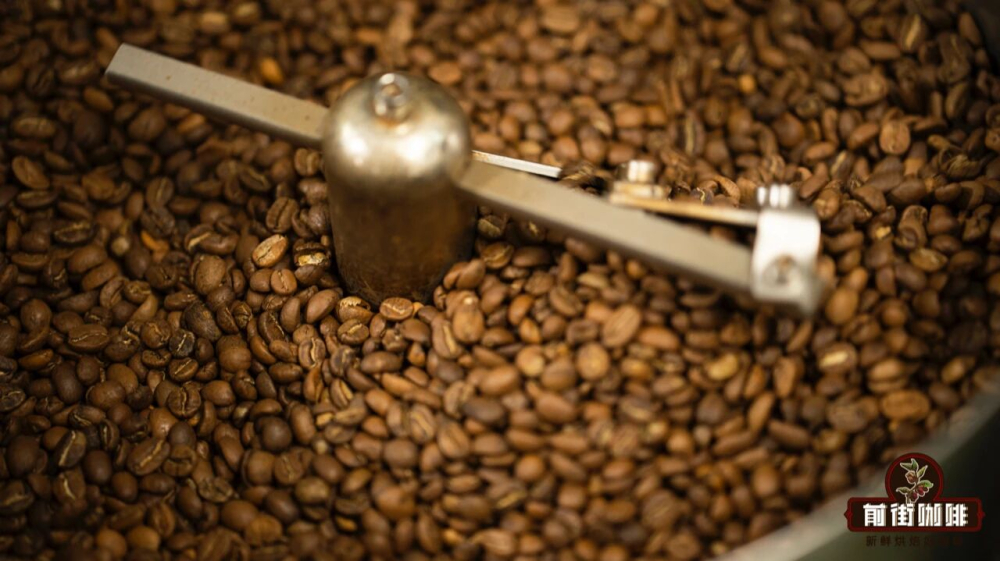
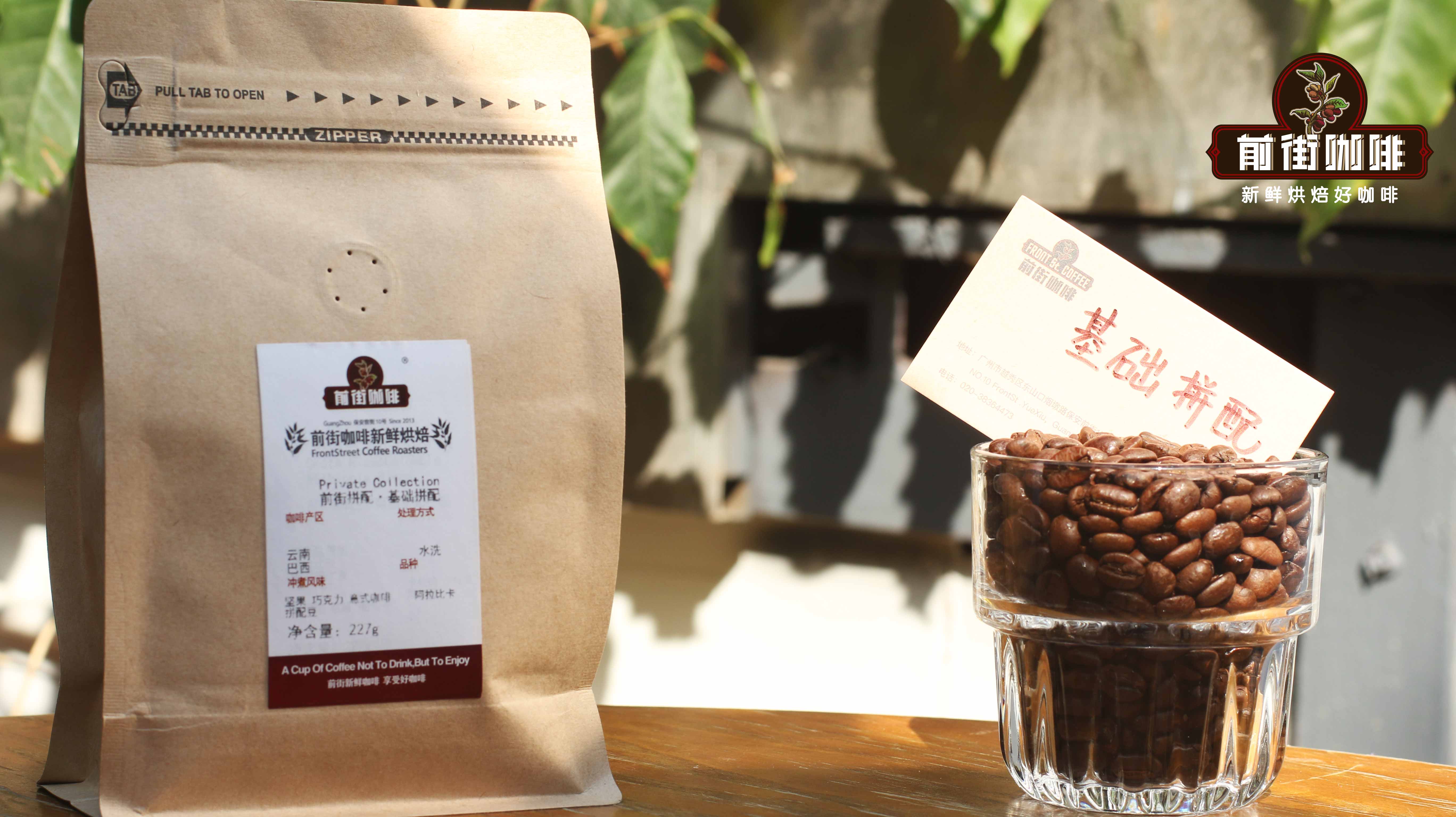
Medium-dark roasted beans (roast level 2/3 or above) release more oils because their cell structure is more thoroughly broken down. Look at the oily sheen on the bean surface; dark roasted beans usually appear glossy brown-black. But note that over-roasting increases bitter compounds, so it is best to choose medium-dark beans at roast level 18-20 days to balance crema and flavor.
3. Typical signs of insufficient equipment pressure
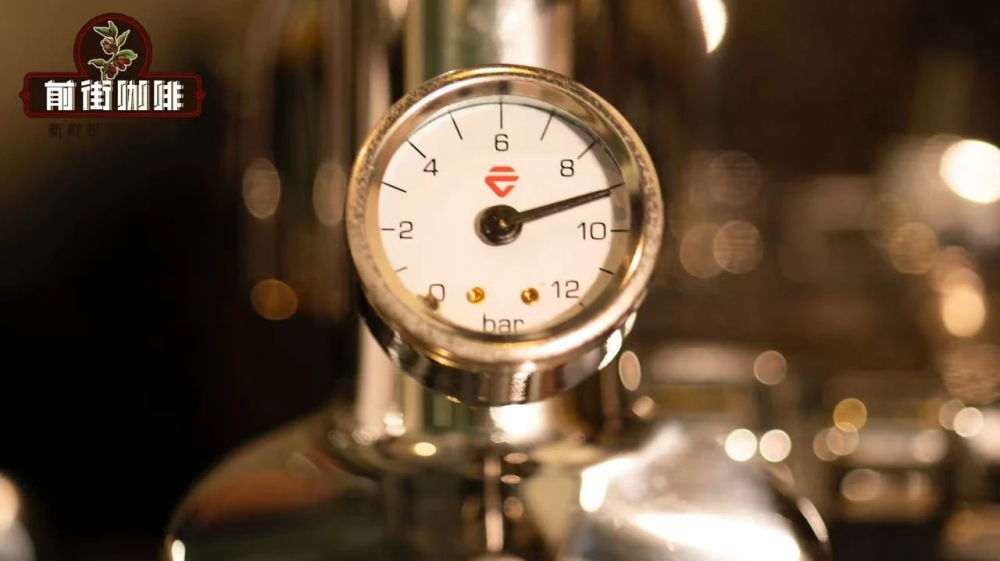
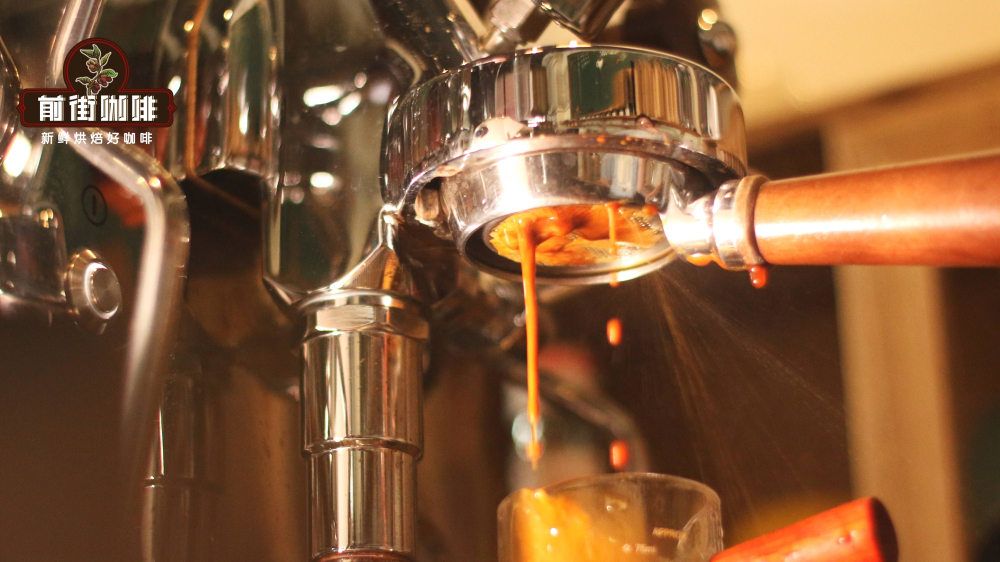
The standard pressure for commercial espresso machines is 9±0.5 bar, and home machines commonly have insufficient pressure. How to check: watch the flow rate during extraction; the ideal is a honey-like flow of 1-2 drops per second. If the flow is too fast and comes out as a stream, the machine's pressure valve may be faulty or the pump may be worn out, and professional repair is needed.
4. Precise control of grind size
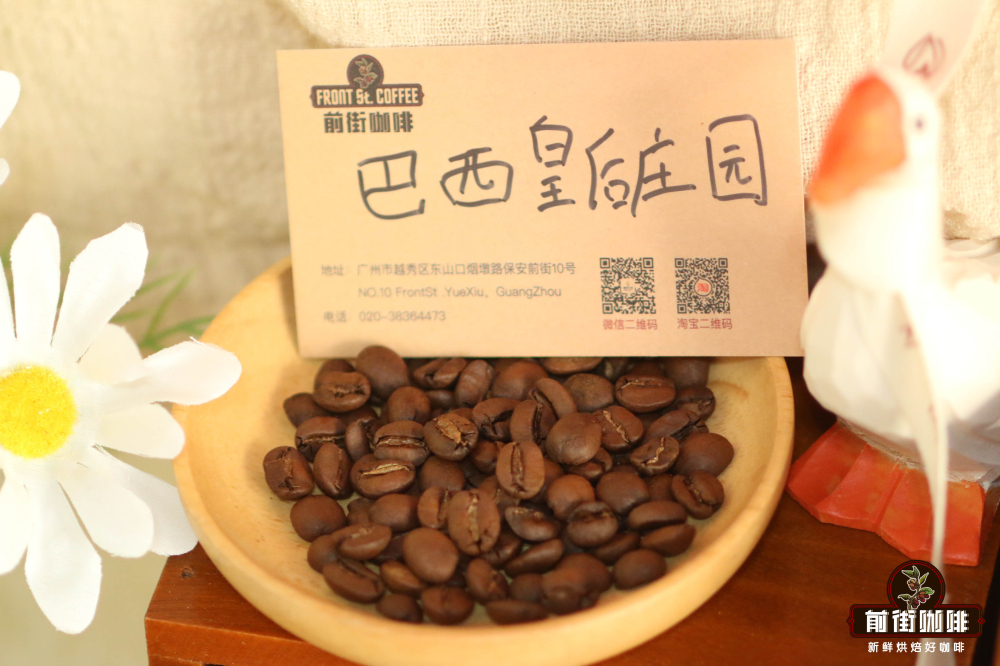
With an espresso grinder, adjust the grind setting to an extraction time of 20-24 seconds/30ml (double shot). Tip for judging: if you hear a distinct hissing sound during extraction or see coarse particles passing through the puck, the grind is too coarse. It is best to tamp with a tamper that distributes evenly to ensure consistent puck density.
5. The golden range for water temperature
The optimal extraction water temperature range is 90-96°C, with 93°C being the balance point for most bean varieties. Home machines need at least 15 minutes of preheating, and in winter when ambient temperatures are low, preheating should be extended. Advanced tip: you can control pre-infusion water temperature (recommended 92°C) and main extraction water temperature (94°C) in stages.
6. Resting period and flavor window
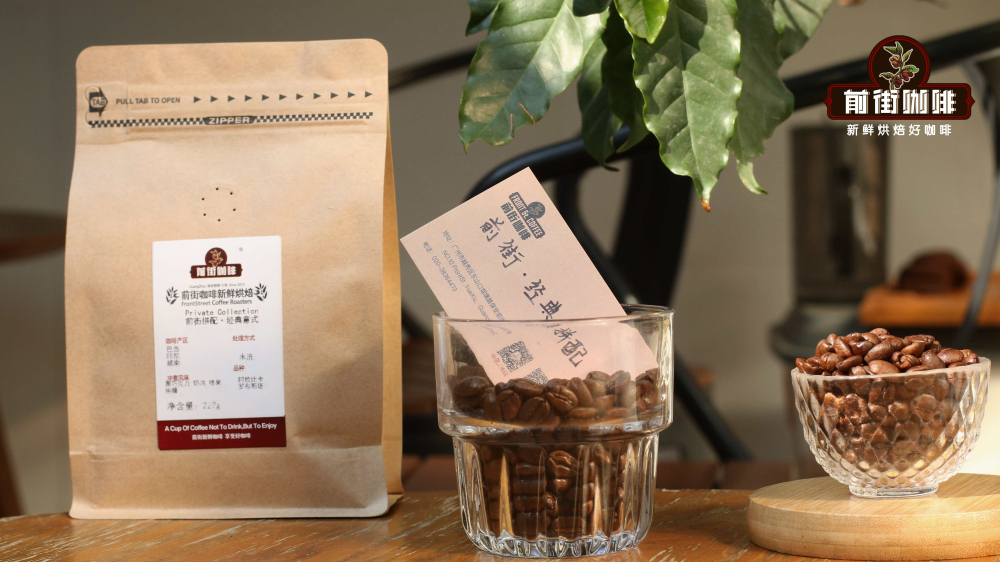
Newly roasted beans need a 7-10 day degassing period, during which crema goes from vigorous to stable. The best flavor period is usually 14-25 days after roasting, when crema quality and aroma peak. Beans over 60 days old will produce more than 30% less crema even if stored well.
7. Scientific dose-to-yield ratio
A standard double shot recommends 18-20g of grounds to extract 36-40ml of coffee liquid. An unbalanced ratio leads to abnormal crema: too much coffee grounds easily causes channeling, while too little makes crema thin. It is best to measure precisely with a digital scale and keep a coffee-to-liquid ratio of 1:2 to 1:2.2.
8. Applying pre-infusion technique
Using 3-5 seconds of pre-infusion (3-5 bar low pressure) lets the puck absorb water evenly and reduces localized overpressure during the main extraction. Specific steps: start extraction with low-pressure pre-infusion, then raise to full pressure once coffee starts dripping. This technique is especially suitable for areas with harder water.
9. Key details of daily maintenance
Clean residual grounds from the portafilter weekly and deep-clean the extraction components monthly. After long-term use, a clogged dispersion screen causes uneven water flow, so regular maintenance with dedicated cleaning tablets is recommended. Store coffee beans in a cool place at 10-25°C to avoid temperature fluctuations affecting crema stability.
Once you have mastered these core points, it is best to run comparison tests: extract the same bean variety with different parameters and record crema performance and taste changes. Through systematic parameter adjustment, even home equipment can consistently produce professional-level crema.


