Ethiopian Harrar Coffee: Flavor, Region and Pour-Over Tips
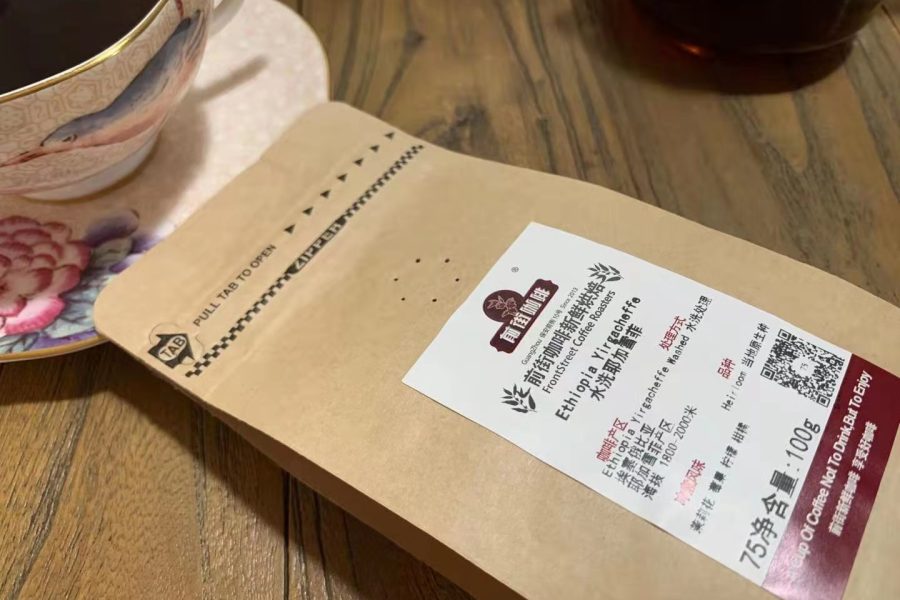
Introduction: Harrar coffee is one of Ethiopia's oldest coffee varieties, known for its unique dry processing method and intense, wild fruit aromas. This article takes you deeper into this specialty coffee from the high-altitude Oromia region, from growing conditions and processing methods to flavor characteristics, helping you master the key skills for selecting and brewing Harrar coffee, whether for pour-over or espresso blends.
Harrar coffee beans are one of the oldest coffee varieties still existing in Ethiopia, with a long history and traditional hand-picking and processing methods still used today. Notably, the husks of this coffee are even used to make the local "hasher-qahwa" tea, showing its important place in Ethiopian coffee culture. Harrar coffee is mainly grown in the Oromia region of southern Ethiopia, at elevations between 1,510 and 2,120 meters. Unlike the common wet processing used for Yirgacheffe, Harrar insists on traditional dry processing (natural processing), a method that exposes the coffee fruit fully to sunlight so the pulp and mucilage gradually dry and merge with the beans, giving them a more complex, intense fruity foundation.
In terms of flavor, Harrar coffee is known for being strong and expressive, often with a rich, wine-like body and abundant dried-fruit aromas, with berry notes such as blueberry and apricot particularly prominent. In addition, many coffee lovers can detect a subtle floral note, especially a jasmine finish, giving it rich layers and a memorable quality. Based on bean size, Harrar coffee can be further divided into Longberry, Shortberry and Peaberry. Among these, Longberry is the largest and is generally considered the fullest in flavor and the highest in quality, while Peaberry, though small, is often picked out separately and rated highly because of its unique growth form.

Dry processing is what sets Harrar coffee apart from other Ethiopian coffees such as Yirgacheffe. In dry processing, harvested coffee fruit is spread out in the sun and dried for several weeks until the moisture has completely evaporated. During this time, sugars and flavor compounds in the pulp gradually penetrate the beans, so the final green beans carry intense fruit aromas and fermented notes. Compared with the clean, bright acidity pursued in wet processing, dry-processed Harrar coffee often shows a wilder, more untamed side, sometimes even with a thick, jam-like mouthfeel. In recent years, some innovative processing methods have begun trying to make further use of the coffee pulp, for example by making Cascara tea or grinding it into specialty coffee powder, offering coffee lovers more diverse experiences.
The reason Ethiopian coffee enjoys a global reputation is inseparable from its growing environment. The Harrar region generally sits above 1,500 meters, meeting the strict standard for high-altitude growing (SHG). At high altitudes, coffee trees grow more slowly and can accumulate more nutrients, producing denser beans with more concentrated flavor. These natural conditions give Harrar coffee its unique flavor foundation and are an important marker distinguishing it from coffee grown at lower elevations.
Harrar coffee is often called "strong coffee" or "wild coffee" and is a highly representative presence in the specialty coffee world. Its flavor is complex and full of tension, with the depth of wild fruit, subtle fermented finish and sometimes a gentle surprise. This strong personality allows Harrar coffee to contribute distinctive layers of flavor even in blends. Notably, many coffee trees are up to two hundred years old, and the growing process follows natural farming entirely, with no chemical fertilizers and no artificial pruning, so this coffee is also often called "garden coffee." Because of this, Harrar coffee naturally meets the conditions for organic certification and has become one of the widely recognized organic coffees on the market.
High-quality Harrar coffee often shows an alluring dried-edge flavor, with a slightly fermented finish mixed with intense jasmine aromas; this complex and balanced expression makes it a popular choice in espresso blends. For coffee lovers who enjoy trying pour-over or exploring dark-roast flavors, Harrar coffee can also bring unexpected experiences. When brewing, a medium-dark roast is recommended to highlight its rich character, while keeping the water temperature between 90-93°C and using a medium-coarse grind to fully bring out its fruit aromas and layers.


