Kenya AA Coffee Grading Explained: Flavor Profile and Best Roasting Guide
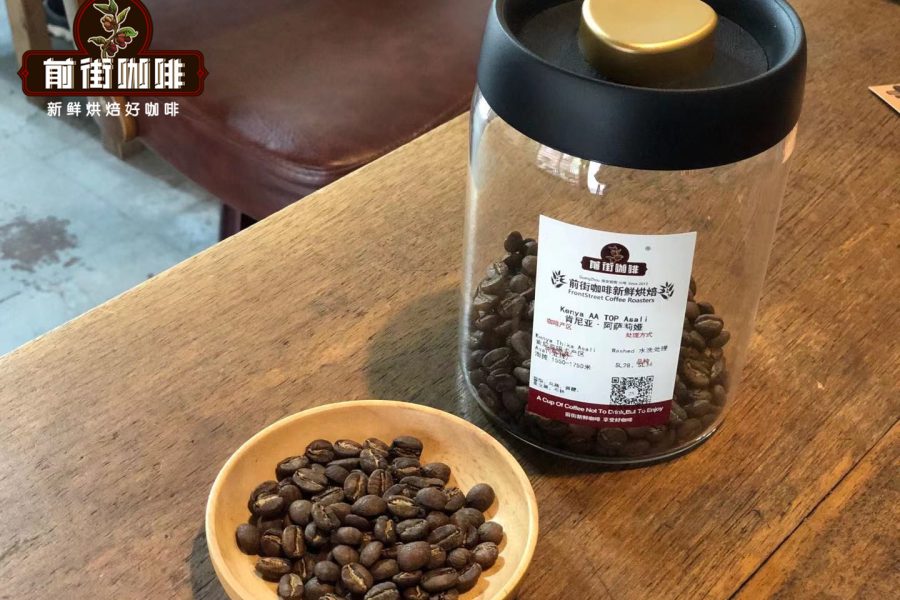
Introduction: Why is Kenya AA coffee so highly regarded? This article takes an in-depth look at Kenya's coffee grading system, revealing the quality standards and screening process behind the AA grade. From the high-altitude growing environment to the distinctive wet processing method, it covers the key factors that influence flavor. It also offers professional roasting advice and flavor descriptions to help you better understand and appreciate this classic African coffee.
Although coffee originated in neighboring Ethiopia, Kenya's coffee industry did not truly get started until the early 20th century. Today, this East African country is the world's 21st-largest coffee producer, with annual output of more than 51 million kilograms, providing employment for over 6 million people.
Kenya's finest coffee is grown mainly in the highlands between Mount Kenya in the north and the city of Nairobi in the southwest. Here, fertile volcanic soil combines with high altitudes of around 1,700 meters, mild climatic conditions and ample rainfall to create an ideal coffee-growing environment. Particularly noteworthy is that Kenya generally uses the wet processing method for coffee cherries, in sharp contrast to the sun-drying method common in Ethiopia—wet processing preserves the coffee's natural flavor characteristics more completely.
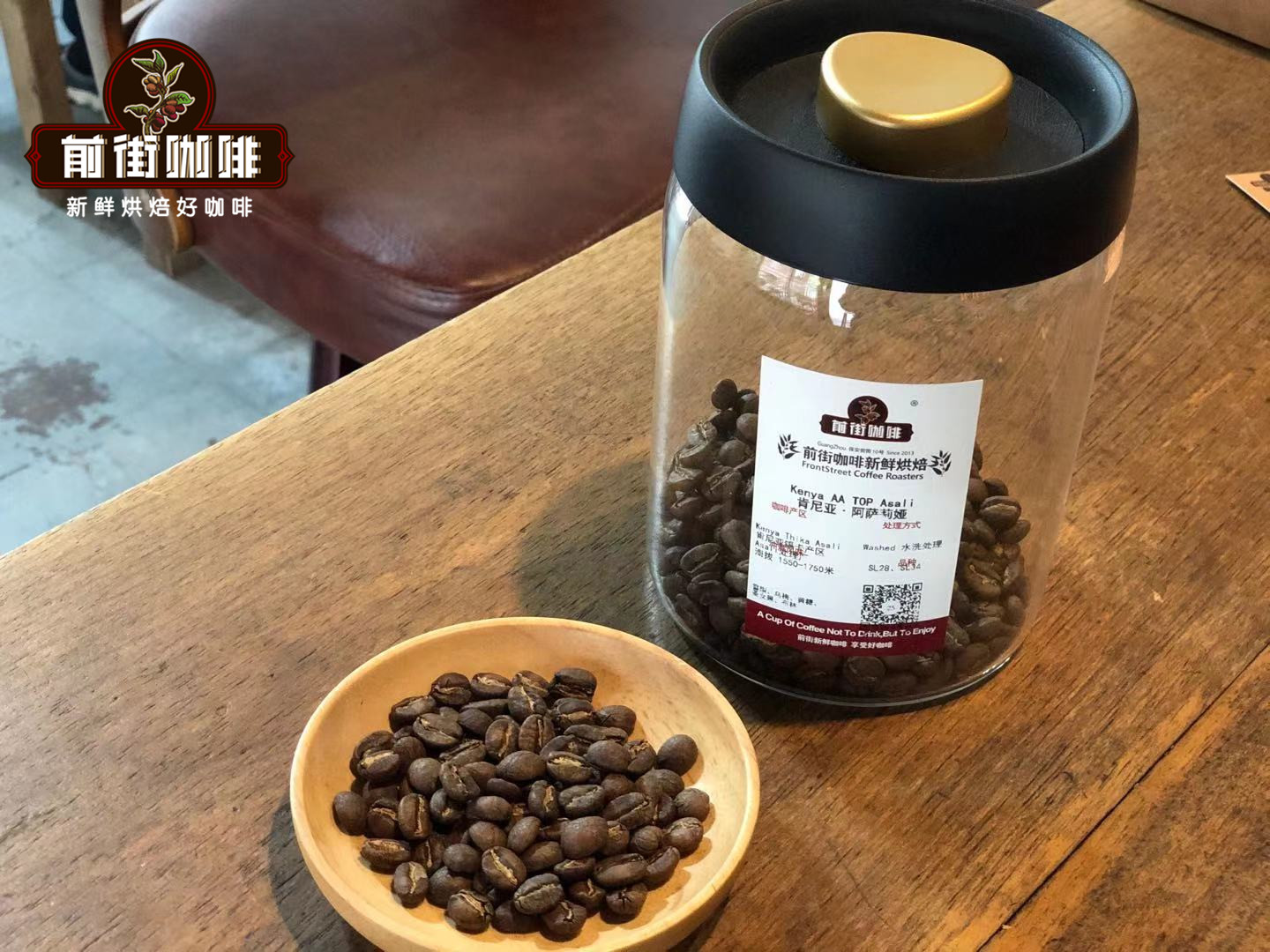
A common misconception about Kenya AA is that it refers to a specific variety or growing region. In fact, AA is the highest grade in Kenya's coffee grading system. Coffee beans are strictly graded while still green, and the system has eight grades in total. The AA grade represents the finest green beans, each one of which must meet that grade's stringent standards.
According to the official grading specifications, Kenya AA's parameters are: Screen 21 sieve size (beans that pass through sieve No. 21), retention of 18 mesh and above, and a bean diameter of 7.2 millimeters. In Kenya's grading system, Grade E (Elephant) is the largest bean size, followed by Grade PB (Peaberry), while AA is the most commonly available premium grade on the market. Although beans of other grades occasionally appear, they usually do not have a decisive effect on the overall flavor.
Kenya's coffee farms are generally located at high altitudes, which classifies their beans as Strictly High Grown (SHG) or Strictly Hard Bean (SHB)—an important mark of quality coffee. It is worth noting that Kenya AA is often praised as one of the brightest-tasting coffees in the world, although this assessment remains somewhat debated among professional cuppers and ordinary specialty coffee enthusiasts.
From a professional standpoint, Kenya AA is indeed a top-quality coffee highly favored by connoisseurs. This grade shares the highest tier with Kenya's specialty peaberry (round bean), and when AA is unavailable, AB grade is usually an excellent substitute of comparable quality.
For roasting, fine Kenya AA coffee is best suited to a medium roast. This roast level perfectly showcases the beans' natural bright acidity and rich flavors. Over-dark roasting may bring a stronger "coffee" impression but often masks the variety's delicate flavor layers. For drinkers who prefer the full-bodied taste of traditional coffee, a slightly darker roast can be tried, but some of Kenya AA's distinctive flavor complexity will be lost.
Kenya's strict grading system ensures that AA coffee has highly consistent flavor characteristics. These coffees typically display a light body, vivid acidity and rich floral notes. Beyond the obvious floral aromas, you can also taste tropical fruit, berries and elegant wine-like flavors. Despite the overall high flavor intensity, it is always perfectly balanced by fresh, bright acidity.
Finally, it should be noted that Kenya AA coffee is known for its unique and lingering finish—after swallowing, one often senses an exciting interplay of spicy notes and sweet aftertaste, which is one of the variety's most recognizable flavor characteristics.


