Colombian Cucuta Coffee Review: A Rose Valley Guide for Espresso

Introduction: Wondering whether Colombian coffee beans suit espresso? This article takes a deep look at the flavor characteristics, growing background, and extraction advice for coffee from the Cucuta region (Rose Valley), helping you master the brewing secrets of this mild, fruit-forward bean, with reference points from pour-over to espresso.
When people talk about Colombian coffee, most first think of a balanced, mellow mouthfeel and bright citrus acidity. This South American coffee giant accounts for roughly 10% of global production; its large-scale farming system both ensures a stable supply chain and makes high-quality arabica a base blend choice for many coffee shops. Some consumers report that these beans taste "too flat," but this is really a misunderstanding of medium-intensity coffee—they are precisely the key to balancing a blend.
Owing to geographical conditions, harvest periods vary markedly across Colombian regions: the main regions are concentrated from September to January of the following year, while southern high-altitude areas may be delayed to April–August. This staggered harvest pattern effectively maintains year-round supply stability, and together with the standardized process of smallholder farming and unified washed processing by the coffee association, it secures a basic level of bean quality. It is worth noting that most traditional estates still use patio drying, and the spread of organic farming and Fair Trade certification has woven environmental principles into production.
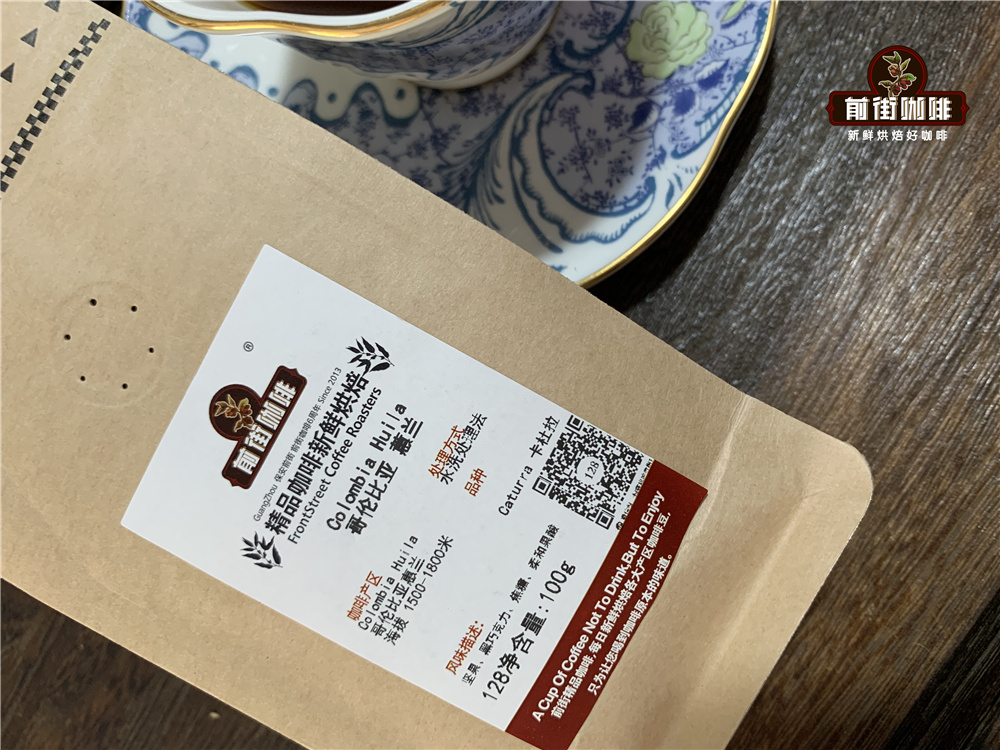
Focusing on the core regions, the MAM triangle of Medellin–Armenia–Manizales is a benchmark, with about 95,000 hectares of growing area maintained by nearly ten thousand farmers. Among these, Medellin Supremo-grade beans are known for high acidity, with a flavor complexity comparable to Jamaica Blue Mountain; the often-overlooked Cucuta region (partly shipped via Lake Maracaibo) shows unique potential—this border area next to Venezuela, thanks to the Rose Valley microclimate, produces a special bean with low acidity and a subtle rose aroma. The southern Narino region is also worth attention, where the high-altitude environment gives fuller body.
Flavor profile analysis shows that Colombian coffee generally has three signature traits: first, a silky mouthfeel base that effectively neutralizes strong exotic flavors; second, prominent sweetness, where the bitterness of dark chocolate and caramel sweetness often dominate the tasting experience; third, a rich fruit dimension, ranging from red apple and berries to citrus, with a finish often accompanied by faint spice or floral notes. These traits make it an ideal base for balancing acidity and bitterness in espresso blends.
For espresso applications, the neutral flavor character of Colombian beans is a great advantage. At a dark roast it rarely produces sharp bitterness, instead intensifying chocolate and nutty notes; at a medium-light roast it can highlight hidden red-fruit flavors. Recommended extraction parameters: grind slightly coarser than standard espresso beans (e.g., +1 notch on the default setting of a Pegasus 900N), dose 18–20g, water temperature 90–92°C, use a 3-second pulse pre-infusion to activate the puck, and keep total extraction time at 25–30 seconds, targeting 36–40ml of espresso. Under this approach, the bean's inherent sweetness and the delicate aroma unique to Rose Valley are fully released.
For coffee lovers on a budget, the high value for money of Colombian beans should not be overlooked. Its stable supply chain and large-scale production lower purchasing costs, making it suitable as experimental material for home roasting or creating your own blends. Whether made alone as a basic americano or paired with Ethiopian natural beans to build layers, it shows flexible and varied adaptability.


