Cold Brew Coffee Guide: Ratios, Grind Size, and Bean Recommendations
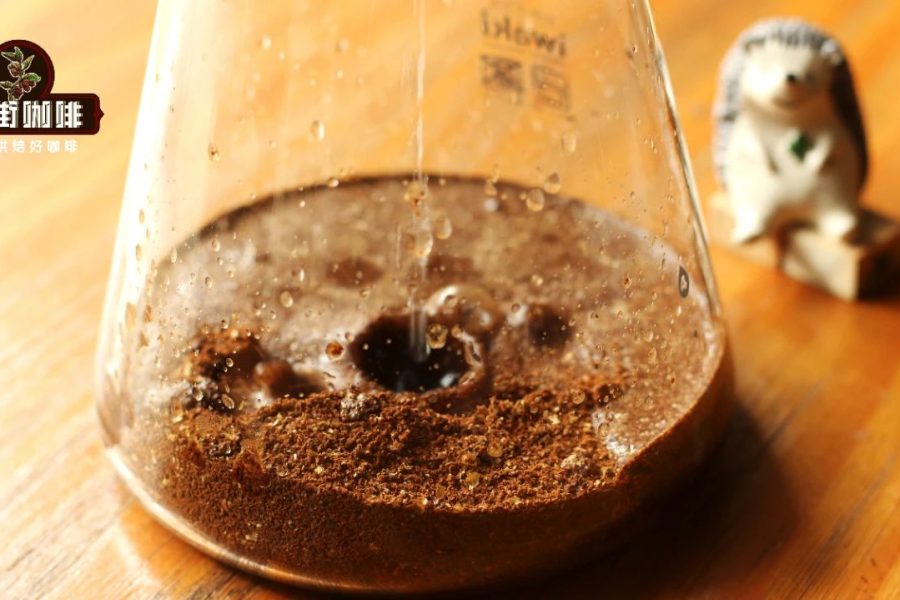
Introduction: Cold brew coffee has become a popular summer choice thanks to its refreshing taste, but many people still have questions about key parameters such as the coffee-to-water ratio and grind size. This article explains the principles of making cold brew, provides verified coffee-to-water ratio plans (including both straight-drinking and mixed-drink scenarios), analyzes the scientific reasons why medium-light roasted beans are more suitable, and includes 8 illustrations guiding the whole process from bean selection and grinding to filtering, helping you easily make clean-flavored cold brew coffee.
After autumn begins, the south still occasionally has muggy weather. In dry climates, pour-over coffee easily causes a dry throat sensation, while low-temperature extracted cold brew coffee has become a favorite of many thanks to its refreshing qualities. But the core questions about making it—how to set the coffee-to-water ratio? What coffee beans to use? How fine should the grind be?—still confuse many coffee lovers. Below we break down these key points.
1. The essence of cold brew coffee: the flavor code of low-temperature slow extraction
Cold brew coffee is made by extracting coffee with cold or ice water over a long period (usually 12–24 hours) at low temperature. Compared with traditional hot extraction, the low-temperature environment effectively inhibits the release of bitter substances (such as tannic acid and other components easily soluble at high temperatures), while giving the sour and sweet substances in coffee (such as citric acid, acetic acid, and some sugars) more time to be released. This makes the finished coffee's aroma softer, with full and layered acidity and sweetness, and a smooth, mellow mouthfeel, especially suitable for consumers seeking a refreshing experience.
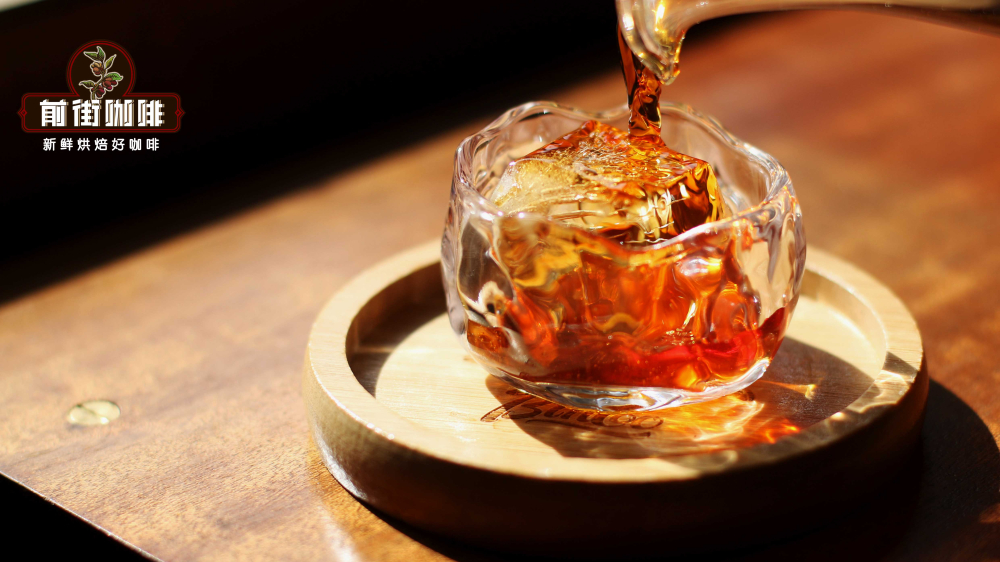
2. How to choose the coffee-to-water ratio? Adjust according to use
After multiple tests and verifications, the recommended coffee-to-water ratio for regular straight-drinking cold brew coffee is 1:13 (for example, 30 grams of coffee grounds with 390 milliliters of water). Coffee extracted at this ratio has a moderate concentration and can be drunk directly without additional dilution, with good flavor balance. If you plan to use the cold brew liquid as a base for making specialty drinks (such as adding milk, soda water, or making iced coffee lattes), a higher-concentration coffee liquid is needed to support subsequent flavoring, so the ratio can be adjusted to 1:10 (for example, 30 grams of grounds with 300 milliliters of water) to ensure the final drink's coffee flavor is prominent enough.
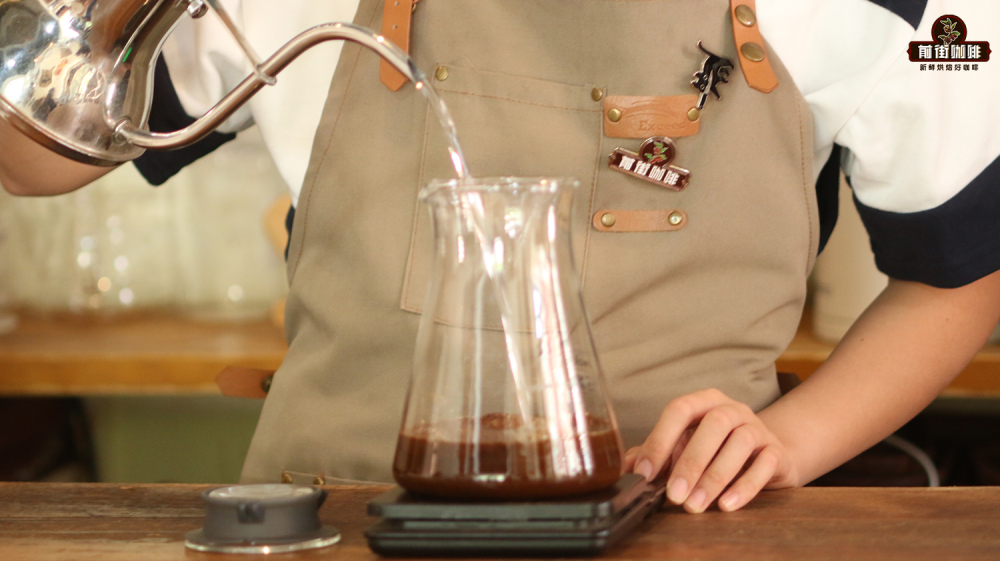
3. Detailed steps and the key to grind size
Taking the commonly used 1:13 coffee-to-water ratio for straight drinking as an example: take 30 grams of coffee beans and grind to a medium-fine degree (about 80%–85% passing through a 0.85 mm standard sieve, similar to medium-fine pour-over grinding). Note that although low-temperature extraction can reduce the risk of bitterness, grinding too fine will cause the coffee grounds' surface area to be too large; after the sour and sweet substances are quickly extracted, too many mellow substances (such as woody fiber components) may later be released. Although this can initially enhance body, long soaking can easily produce off-flavors (such as a woody taste), affecting overall cleanliness.
Put the ground coffee into a clean, oil-free sealed container (a glass jar or food-grade plastic box is fine). First add an appropriate amount of ice cubes (such as 150 grams) and 240 milliliters of room-temperature water, shake the container gently so the coffee grounds fully contact the ice water, then top up with the remaining water to complete the total ratio (for example, 1:13 corresponds to 390 milliliters of water). Close the lid tightly and place in the refrigerator, letting it sit for 12–24 hours (the time can be slightly adjusted according to personal preference, but should not exceed 24 hours to prevent over-extraction).
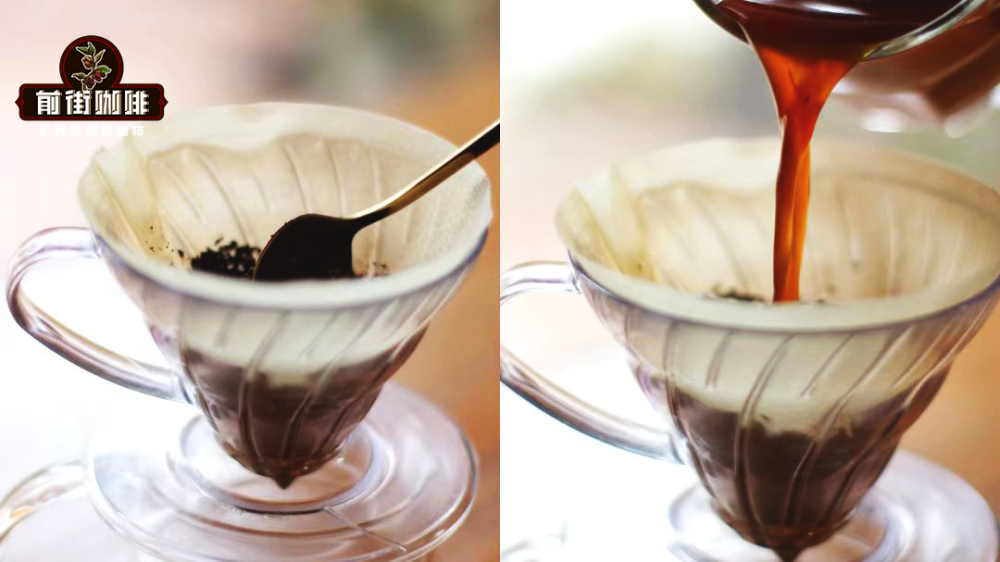
After extraction is complete, filter out the coffee grounds with filter paper (medium-density coffee filter paper is recommended) or a fine mesh strainer (such as a combination of cheesecloth and a strainer). The resulting cold brew liquid is ready to drink directly.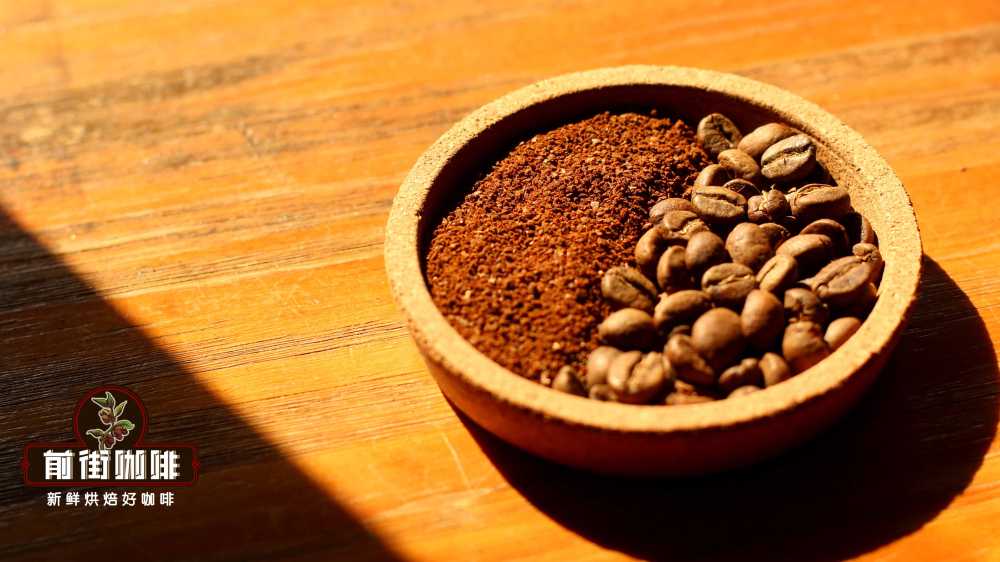
4. Storage duration and flavor changes
After filtering, cold brew coffee can theoretically be stored for several days, but pay attention to how its flavor changes over time: just after filtering (0–2 days), the flavor is most vivid, with acidity, sweetness, and aroma in harmony; after 2–3 days, a slight fermented note may gradually appear (more obvious if the ambient temperature is higher or the container seal is average); after more than 7 days, the fermented taste will worsen and may even mask the original coffee flavor. Therefore, it is recommended that the best tasting period is 2–3 days after filtering, and storage should not exceed 7 days, and it should be kept sealed, away from light, in the refrigerator.
5. Coffee bean types and flavor characteristics suitable for cold brew
The characteristics of low-temperature extraction determine the choice of roast level—medium-dark and darker beans have more mellow substances themselves, which are difficult to fully release at low temperatures, easily leading to a thin mouthfeel and lack of layers in the finished product. It is more recommended to choose medium-light to medium roasted coffee beans. These beans usually have prominent acidity and sweetness or distinct aroma characteristics, and can better present fresh flavors such as fruit, floral, or tea notes during low-temperature slow extraction.
For example: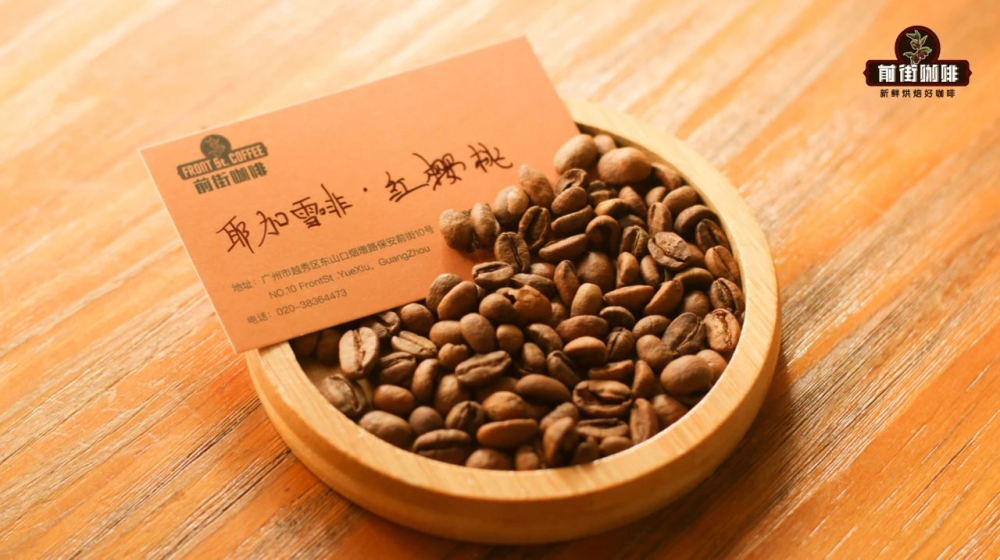 Ethiopian naturally processed coffee beans (such as common beans from the Red Cherry region) often have a full, complex juice-like quality and a soft black tea-like tea note after cold brewing;
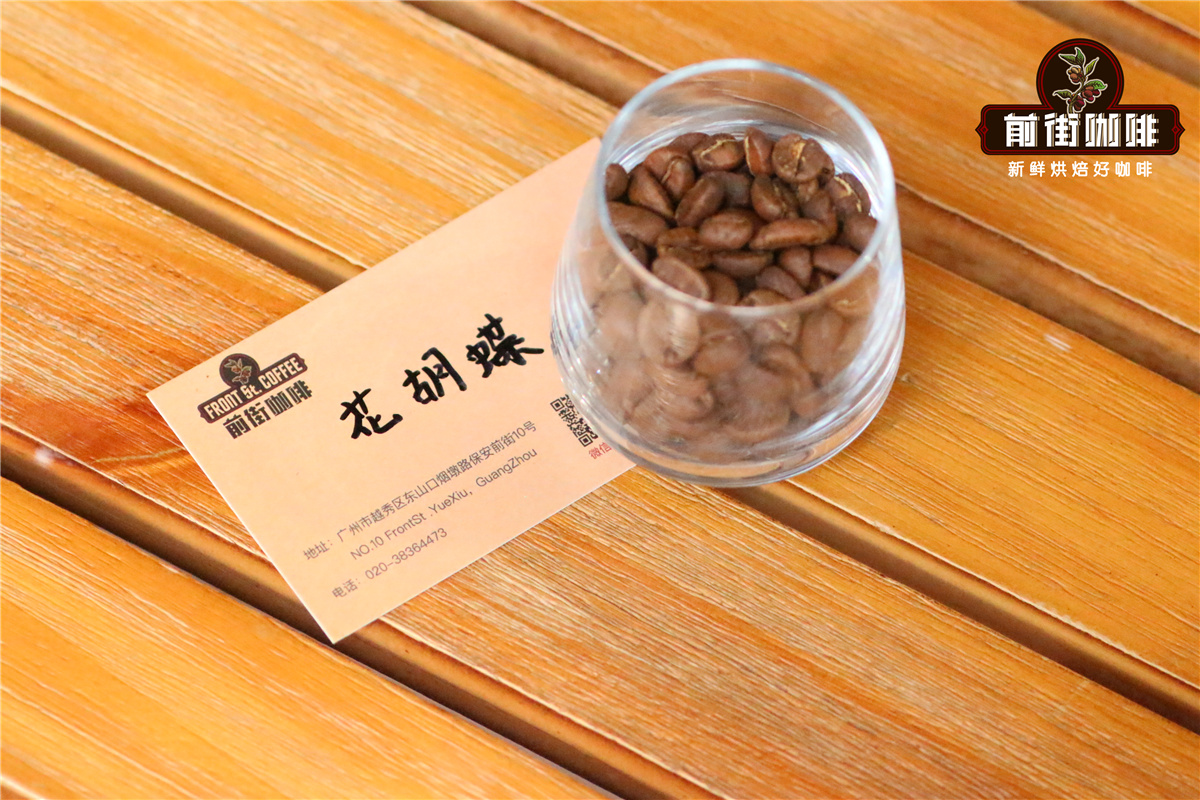 Panama Geisha blend beans (such as the Flower Butterfly series) can show bright citrus acidity, white floral notes, and a delicate green tea note;
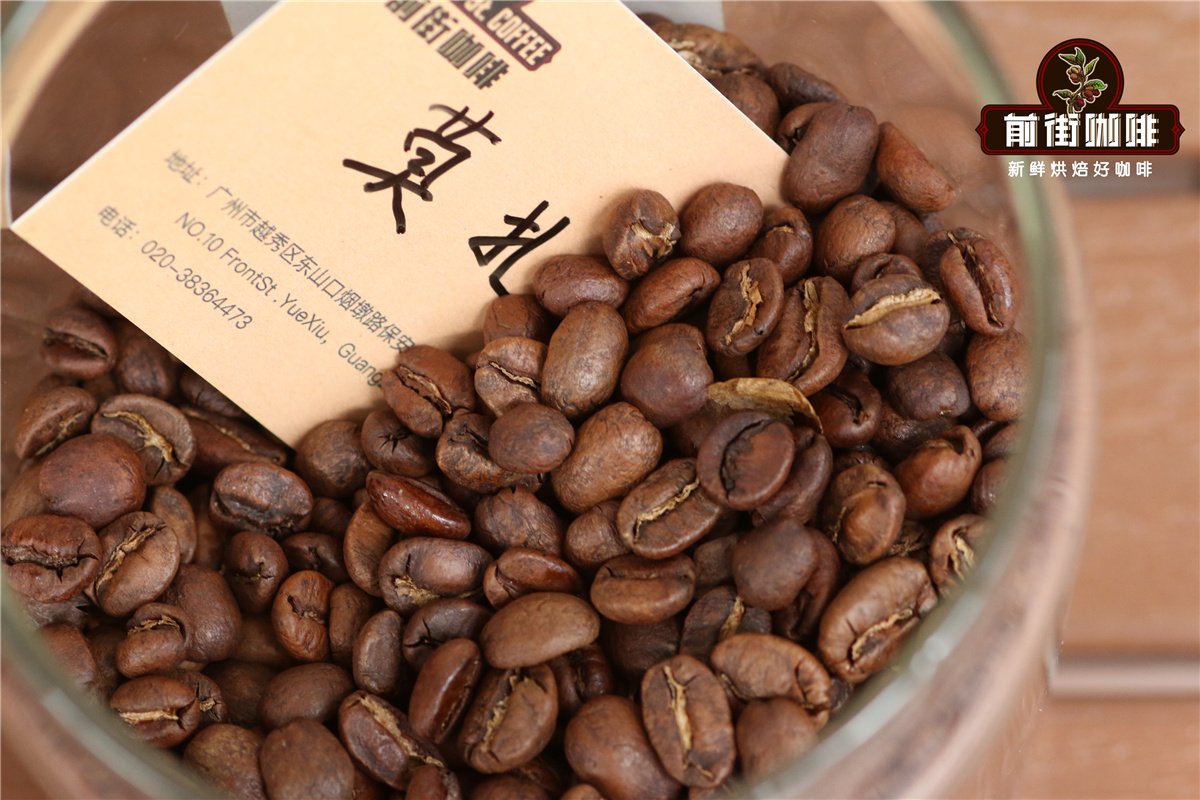 Costa Rica Musician series beans (such as the Mozart version) show obvious raisin aroma and moderate fermented notes after cold brewing, with a solid mouthfeel and moderate body;
 Honduras barrel-fermented beans (such as the Sherry barrel-treated version) have whisky aroma, a vanilla-cream-like smooth texture, and caramel sweetness, suitable for consumers who like rich flavors.


