Cascara Latte Guide: Syrup Choices and Flavor Pairing Tips
Introduction: As a globally popular coffee drink, the latte's flavor profile is closely tied to the choice of syrup and milk. This article explains the core differences between lattes and cappuccinos, analyzes the actual impact of different sugars on coffee flavor, and offers professional techniques for milk steaming and flavored syrup use. By mastering these points, you can easily recreate a café-level latte experience at home—ideal for enthusiasts who seek personalized coffee flavors.
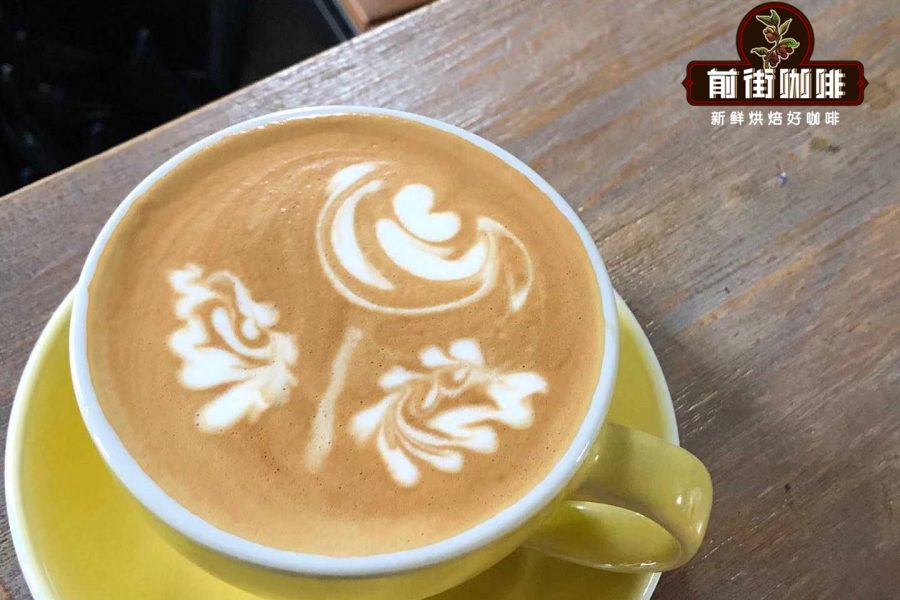
A latte is essentially a classic drink made from espresso and steamed milk, and in Chinese contexts it is often called a "wet cappuccino." This drink features the dense, velvety texture of fresh milk and milk foam; compared with black coffee, its mouthfeel is softer and smoother, and the coffee flavor, buffered by milk, takes on a milder character.
For the espresso base, traditional practice mostly uses dark-roasted Italian-style blends, which are usually heavily roasted and rich in bitter aromatic compounds. But with the rise of the specialty coffee movement, light-to-medium-roasted single-origin beans have gradually become popular—they retain more of the terroir characteristics of their origin, with bright acidity and distinct layers, bringing a completely different taste experience to the latte.
The core difference between latte and cappuccino lies in the ratio structure: a standard cappuccino follows the golden 1:1:1 ratio (espresso : steamed milk : milk foam, each one third), while a classic latte uses 1/3 espresso with 2/3 steamed milk, retaining only a thin layer of milk foam. A macchiato is a special variant of espresso topped with thick milk foam.
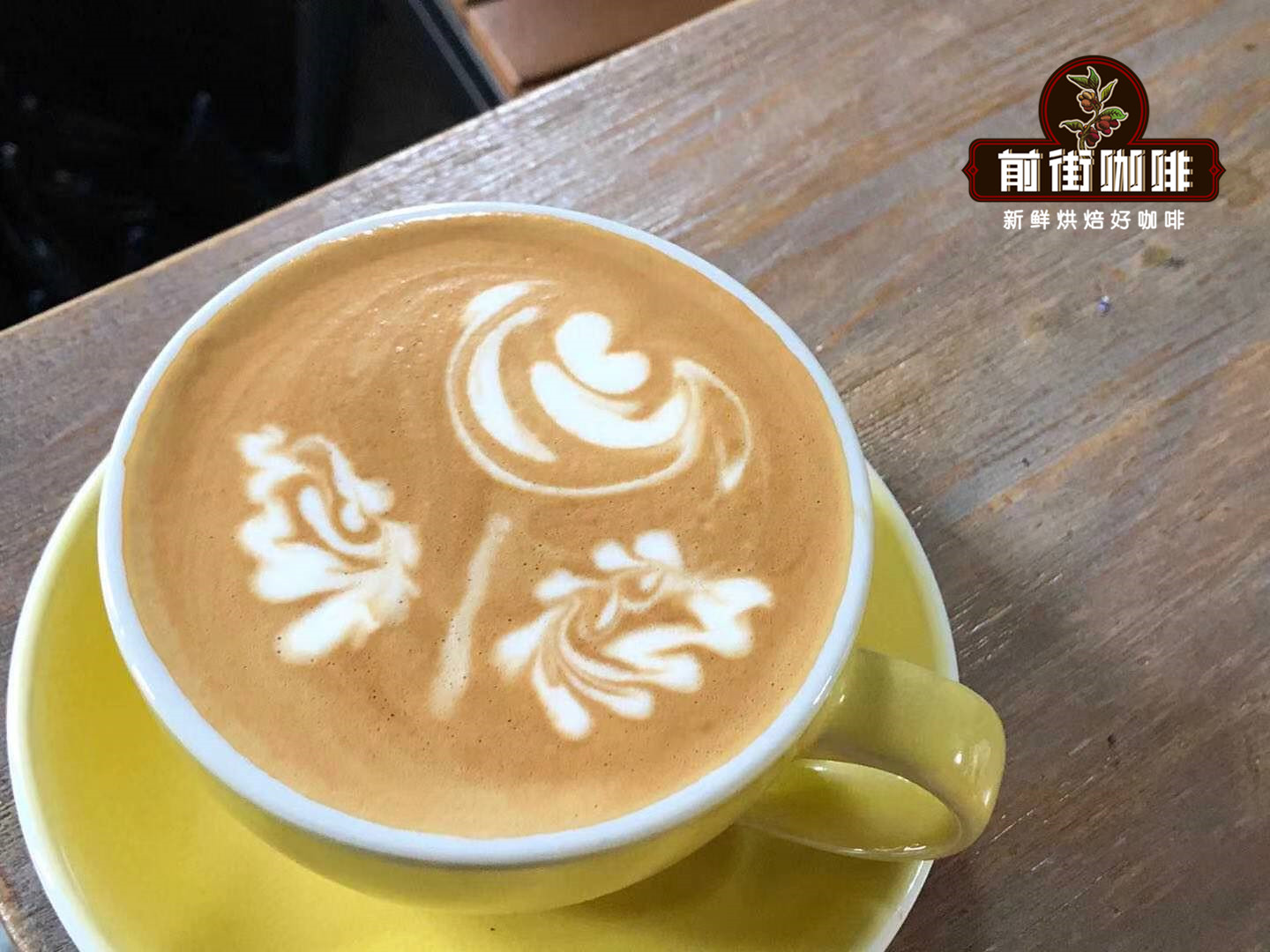
Milk choice directly affects the final texture. Whole milk, with its high fat content (about 3.2%–4%), can form a fine, dense microfoam structure during steaming and is the first choice for professional-grade lattes. Plant-milk lovers can choose soy milk, oat milk, or almond milk, but should note the differences in heat stability among alternatives—for example, oat milk requires a dedicated steam wand to prevent clumping.
Professional technique tips: insert the steam wand at a 45° angle into the milk, keeping a vortex about 2 cm in diameter on the surface; in the initial stage, keep the tip of the steam wand about 1 cm below the milk surface (producing a wet bubbling sound), and after the temperature reaches 50-60°C, lower it to a depth of 1-2 cm (producing a high-frequency hissing sound). The final milk temperature should be kept in the 55-65°C range; excessive temperature causes protein denaturation and a burnt taste.
Regarding sweetener choice, in theory all sugars can be used in latte preparation, but the actual flavor results differ markedly: superfine sugar (white sugar) dissolves quickly and has a neutral flavor, making it suitable as a baseline sweetener; brown sugar (such as demerara) carries caramel notes and pairs well with dark-roasted beans; natural sweeteners (honey/maple syrup) should be diluted 1:1 before adding to avoid clumping. Professional advice is to stir the flavored syrup thoroughly with the espresso first to ensure even flavor integration.
As for specialty ingredients, the cascara latte uses coffee cherry pulp as its base. This material, derived from the fruit pulp discarded after coffee harvesting, contains about 1.5 times the caffeine of ordinary tea after drying. When brewing, use hot water at 90-93°C and steep with a 1:15 coffee-to-water ratio for 12-15 minutes; the longer extraction time compared with traditional tea fully releases its distinctive berry acidity and delicate nutty finish.
Health consideration: sugar-free syrups generally use sucralose or erythritol as sugar substitutes; these sweeteners are stable at high temperatures, but some sensitive individuals may experience mild gastrointestinal reactions. Beginners are advised to start with a low concentration of 3-5 g/L and gradually adjust to their personal preference threshold.


