Yirgacheffe Coffee Bean Flavor Analysis and Comparison with Ghimbi: A Must-Read for Pour-Over Beginners
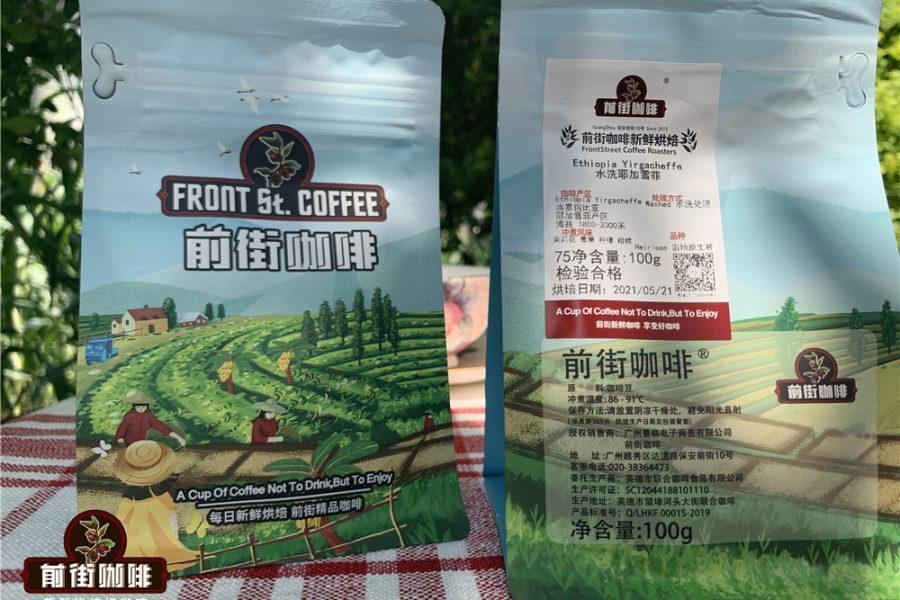
Introduction: Curious what makes Yirgacheffe coffee from Ethiopia, the legendary "birthplace of coffee," so special? This article takes a deep look at the flavor differences, growing environments and processing methods of coffee beans from the two major regions of Yirgacheffe and Ghimbi, covering everything from flavor characteristics and growing altitude to harvest season, and offers practical brewing references to help you find the coffee flavor you love.
Many people consider Americans fanatical coffee lovers, and data shows they consume about 400 million cups of coffee a day. Yet although top coffee-producing countries such as Brazil, Mexico and Indonesia have staggering output, few coffees have won over specialty coffee enthusiasts worldwide with a distinctive flavor the way Ethiopia's Yirgacheffe has.
As for the origin of coffee, the most widely told account dates back to around 850 AD. A goat herder named Kaldi discovered that his flock became unusually lively after nibbling certain red fruits, and when he tried them himself he felt a stimulating effect, thus beginning the story of coffee. Yirgacheffe is located in the Sidama region of southern Ethiopia, where dense vegetation, fertile soil, high altitude and moderate dry and wet seasons provide nearly ideal growing conditions for coffee trees, ensuring a harvest without relying on pesticides.
Ethiopia is the world's fifth-largest coffee producer and the largest coffee-growing country in Africa, with annual output of 846 million pounds, and nearly 15 million people nationwide work in coffee-related industries. The local climate is warm with distinct rainy and dry seasons, and the central and southern highland areas in particular are well suited to cultivating high-quality coffee.
Yirgacheffe coffee beans are famous for their distinctive processing method and growing environment. They are usually wet-processed (washed), grown at altitudes between 1,700 and 2,200 meters, and qualify as Strictly High Grown (SHG/SHB) grade. Such altitudes slow the ripening of the coffee fruit, giving it more time to accumulate sugars and flavor compounds, thus forming a pronounced floral and fruity aroma with bright acidity.
In terms of flavor, Yirgacheffe coffee often shows rich floral aromas and citrus-like acidity, and some lots even carry slight nut, chocolate or toasted coconut notes. In cupping, one often senses clear, bright acidity with layered flavors, a long finish with berry or subtle vinous notes, making it very suitable for pour-over or cold-drip coffee. Some premium lots even reveal a fresh lemon-like quality or complex layers resembling jam and wild honey.
By contrast, Ghimbi coffee comes from northwestern Ethiopia, where the growing environment is at a relatively lower altitude and the flavor profile is entirely different. Ghimbi coffee usually has a heavier body and lower acidity, with an overall softer style and obvious nutty notes; compared with Yirgacheffe's floral and fruity aromas, Ghimbi leans more toward warm-toned flavors such as caramel, grain and chocolate, and is better suited to those who prefer low-acid, mellow body.
The town of Yirgacheffe, an important coffee trading hub in the Sidama region at an altitude of about 1,900 meters, is the core of coffee growing and trade in the area. Local coffee farmers mostly join the Yirgacheffe Coffee Farmers Cooperative Union (YCFCU), an organization made up of 23 cooperatives covering more than 40,000 coffee farmers. These cooperatives do not sell uniformly through the Ethiopia Commodity Exchange (ECX), so they retain greater bargaining power and more easily obtain Fair Trade and organic certification, thereby safeguarding quality and farmers' income.
In addition, some Yirgacheffe producers belong to the larger Oromia Coffee Farmers Cooperative Union (OCFCU). This union covers a wider area and integrates growing, processing, sorting and sales, which not only improves market efficiency but also stabilizes coffee farmers' income and ensures more balanced cash flow each harvest season, which is especially important for farmers who depend on seasonal income.
In summary, if you love a pour-over experience with clear citrus, floral aromas and bright acidity, Yirgacheffe is undoubtedly a representative of specialty coffee; if you prefer mellow, nutty and grain-toned flavors, Ghimbi is another classic worth trying. The two coffees each have their own character, and understanding their differences will help you make a more suitable choice based on your personal taste preferences.


