Jamaica Blue Mountain Coffee Guide: Origin, Flavor and Authentication
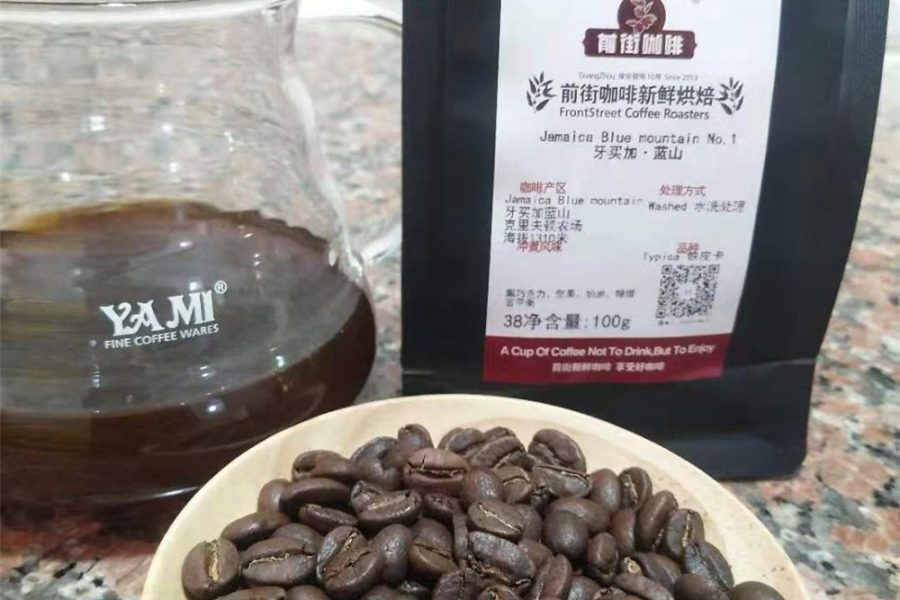
Introduction: Jamaica Blue Mountain coffee is hailed as one of the world's top specialty coffees, sought after for its unique flavor and rarity. But the market is flooded with counterfeits—how can you tell genuine from fake? This article examines the core growing regions and flavor characteristics of Blue Mountain coffee, reveals the international certification standards, and offers practical tips for buying and authentication, helping you avoid paying high prices for inferior blended beans.
Jamaica Blue Mountain is a legendary drink in the minds of coffee lovers worldwide. This Arabica coffee, grown in the Blue Mountain range—the highest peak in the Caribbean—has long ranked at the top of specialty coffee lists thanks to its silky mouthfeel, balanced acidity and sweetness, and richly layered flavor. Its most striking feature is that it has almost no bitterness, instead carrying moderate nutty notes and a subtle chocolate finish.
True Blue Mountain coffee is grown only in the Blue Mountain region between Kingston, Jamaica's capital, and Port Antonio, at altitudes strictly limited to 910-1,700 meters (the original's 3,000-5,000 feet contained a unit error, now corrected). Among these, beans from the four historic estates of Silver Hill, Wallenford, Moy Hall and Mavis Bank, as well as Old Tavern Estate, are regarded as benchmarks of quality. The distinctive volcanic soil and the day-night temperature swings of these plots give the beans their unique full-bodied texture.
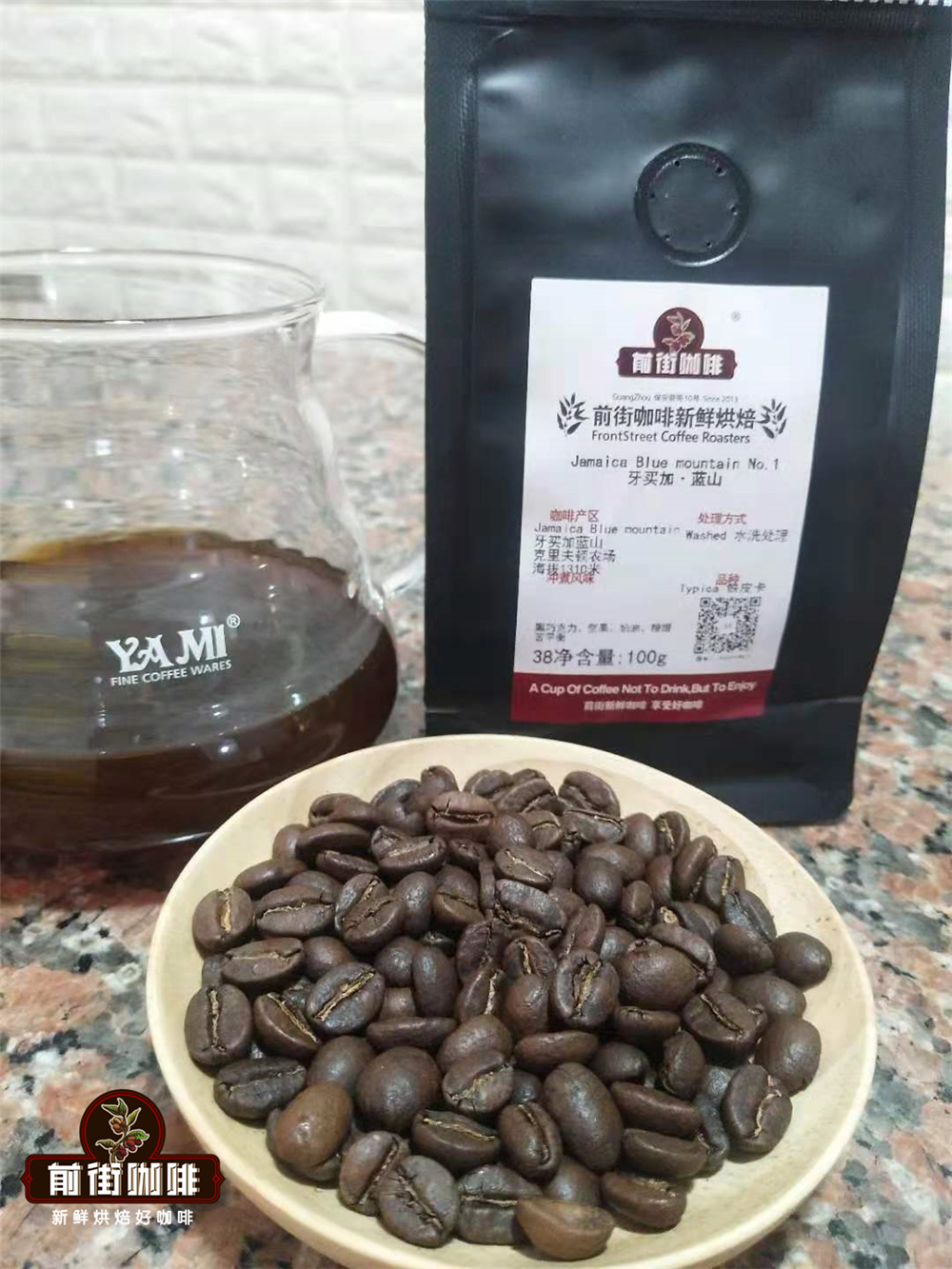
What is protected Blue Mountain coffee? Under Jamaica's Coffee Industry Regulation Act, only coffee grown in the four statutory growing areas of Portland, St. Andrew, St. Mary and St. Thomas, and certified by the Jamaica Coffee Industry Board (CIB), may be labeled with the name “Blue Mountain.” It is worth noting that the law protects a single-origin designation and sets no mandatory standard for ‘Blue Mountain blend’—such products may contain less than 10% genuine Blue Mountain beans, so consumers should check the packaging information carefully.
This coffee's flavor advantages are inseparable from its growing environment. The Blue Mountain region has average annual humidity above 70%, and with evenly distributed rainfall and fertile volcanic ash soil, the coffee cherries ripen slowly and accumulate more sugars and aromatic compounds. Professional evaluations show that high-quality Blue Mountain coffee can reach a medium-high body, with bright but not sharp acidity, and is often ranked by seasoned drinkers alongside Hawaii's Kona as one of the “world's two great balanced coffees.”
Faced with the endless counterfeits on the market, consumers can identify genuine products by the following points:
- Packaging traceability: Genuine Blue Mountain coffee must be grown, roasted and packaged in Jamaica itself. If the packaging states it was “packed in Europe/USA,” it can basically be judged a fake.
- Reject low-quality blends: There is no legal constraint on the actual proportion of Blue Mountain beans in a blend, and some low-priced products may contain more than 90% ordinary Jamaican coffee or beans from other regions.
- Check the certification mark: Every genuine package bears an anti-counterfeit seal issued by the CIB—a blue circular mark containing a mountain outline, a map of the island, a coffee barrel and a bean pod. This seal is the only official certification mark.
Special reminder: travelers buying locally in Jamaica should confirm the beans' region certificate and roast date in person. There have been cases of merchants selling ordinary Jamaican highland beans to tourists unfamiliar with the standards as Blue Mountain beans. Only by mastering these authentication methods can you truly enjoy the unique appeal of Blue Mountain coffee, known as the “king of coffee.”


