Kenyan Coffee Grading Guide: How to Choose from AA to Elephant Beans
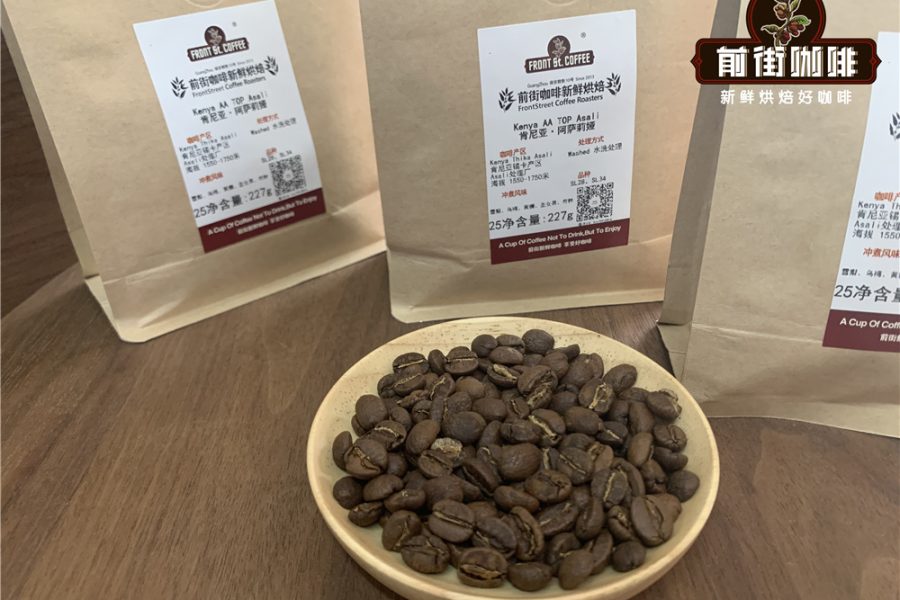
Introduction: Kenyan coffee is known worldwide for its distinctive flavor and rigorous grading system. This article takes a deep look at Kenya's 8 main coffee grades, reveals the rarity of E-grade elephant beans and PB peaberries, and explains why AA grade is often called a top specialty coffee. By analyzing terroir factors such as altitude and soil, it explains how the flavors are formed and offers professional roasting suggestions to help you choose the Kenyan coffee beans that suit your taste preferences.
In the specialty coffee world, Kenyan coffee has long held a place near the top of collectors' lists thanks to its layered and complex flavor profile. Its uniqueness comes not only from the high-altitude growing environment near the equator, but also from its strict quality grading system. Growing zones above 6,000 feet give the coffee bright acidity and complex fruit aromas, while the volcanic soil of the East African Rift Valley provides a natural advantage for the accumulation of flavor compounds.
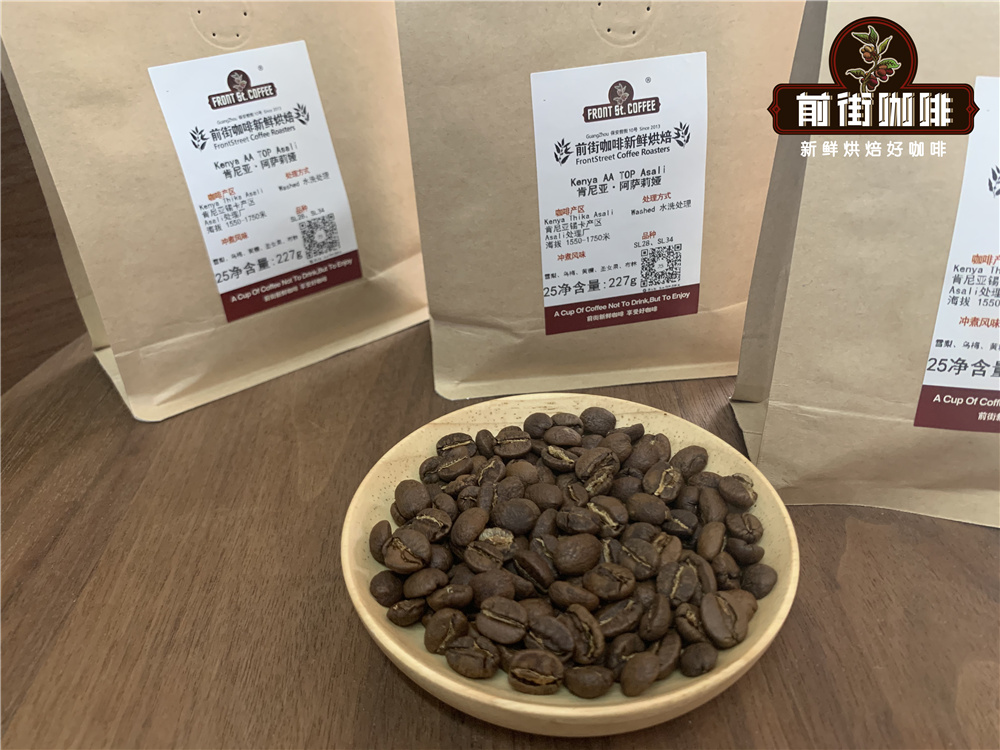
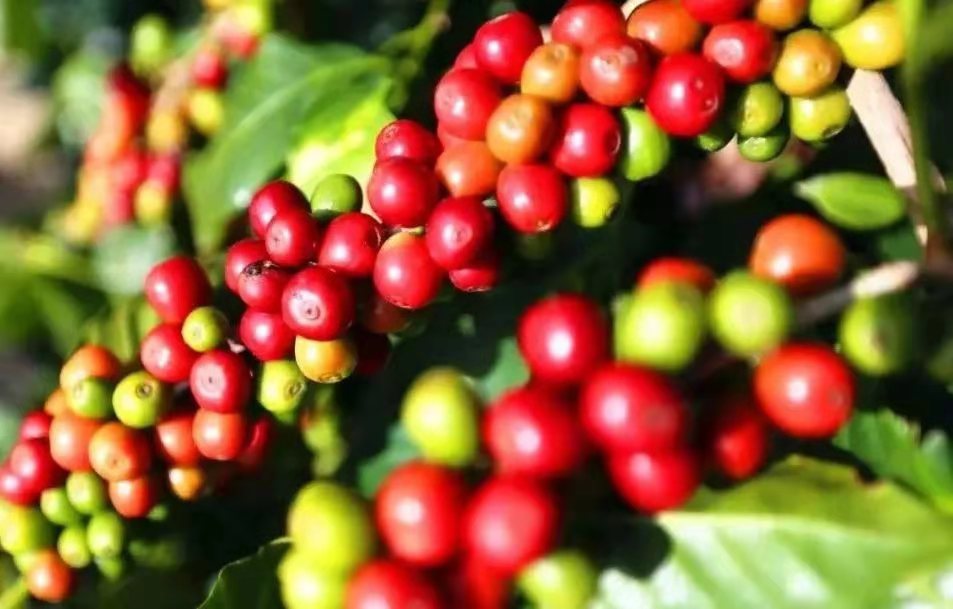
Kenyan coffee grading is based entirely on the physical characteristics and defect rate of green beans, not simply on a quality judgment. Professional grading takes place after the coffee beans are hulled and is based mainly on differences in bean size, shape and density. It is worth noting that a single coffee tree can produce beans of different grades; this grading method helps ensure even heating during roasting and has a key influence on how the final flavors are released.
The Kenyan coffee grades currently in general use include 8 main categories: E-grade elephant beans, PB peaberries, AA grade (screen size 17/18), AB grade, C grade, TT grade, T grade, and MH/ML grade. Among these, AA and PB are often regarded as representatives of specialty coffee because of their scarce output, while E-grade elephant beans attract attention for their special shape.
E-grade elephant beans are a special presence among Kenyan coffees, with a diameter that can reach twice that of ordinary coffee beans. These beans form from abnormal development of a single ovule in the coffee fruit, causing two seeds to grow fused together. After processing, the separated beans retain a distinctive crescent-shaped notch. Professional roasters generally recommend extending development time by 5-8 seconds to fully bring out their nutty character.
PB-grade peaberries make up about 10% of Kenya's annual coffee output; each fruit contains only a single round coffee bean. This structure gives them a flavor-compound concentration about 15%-20% higher than ordinary flat beans, and they are often found in high-end specialty coffee lots. Professional cupping shows that high-quality PB beans often present tropical fruit aromas such as blueberry and citrus, with bright acidity and a long finish.
AA grade, widely recognized as one of the world's top specialty coffees, specifically refers to large-screen green beans of screen size 17/18. These beans mostly grow in highland areas above 6,600 feet, where day-night temperature swings of more than 12°C promote high sugar accumulation. Professional roasting advice is to use a light-to-medium roast (the dense stage of first crack), at which point you can clearly capture the perfect balance between fruit acids such as passion fruit and blackcurrant and a black-tea-like, full body.
In terms of flavor, Kenyan AA coffee has a distinct 'three-stage' mouthfeel: the first sip brings intense citrus acidity, the middle turns into a wine-like berry sweetness, and the finish leaves a clear dark chocolate aftertaste. Its distinctive spicy note comes from the sulfur-containing amino acid content of specific varieties, a trait that creates a mild cinnamon-like stimulation on the tongue.
Besides the main grades above, AB grade (a mix of 15/16 screen beans) offers outstanding value and is suitable for everyday pour-over; beans below C grade are mostly used in commercial blends. For professional purchasing, it is advisable to pay attention to the processing station number of the coffee farm: Kenyan AA from the same region but different processing methods may also show marked flavor differences, such as jasmine (washed processing) or tropical fruit (natural processing).


