Office coffee guide: comparing flavor and brewing of instant vs drip-bag coffee
Introduction: In fast-paced office environments, instant coffee and drip-bag coffee have become top choices for many people due to their convenience. However, the two differ significantly in ingredients, flavor and brewing methods. This article takes a close look at the characteristics of both types of coffee to help you choose a more suitable office coffee option based on your needs, and offers practical brewing suggestions to improve your daily coffee experience.
For busy office workers, a cup of coffee in the morning is key to starting an efficient workday. But in office settings, freshly ground coffee is often hard to achieve, so instant coffee and drip-bag coffee have become mainstream choices thanks to their portability. Although both can quickly provide caffeine for alertness, the actual differences—from flavor fidelity to health properties—are far more obvious than one might imagine.
The nature of instant coffee is a powder formed by concentrating and drying coffee bean extract through high-temperature, high-pressure processes. The production process includes six major stages: pretreatment, roasting, grinding, extraction, concentration and drying. This high-temperature treatment causes a large loss of coffee's natural aromatic substances. To compensate for flavor shortcomings, commercially sold products usually add flavorings and stabilizers, and their dissolution relies on synthetic solubilizers; in essence, they are "coffee-flavored beverages" rather than pure coffee.
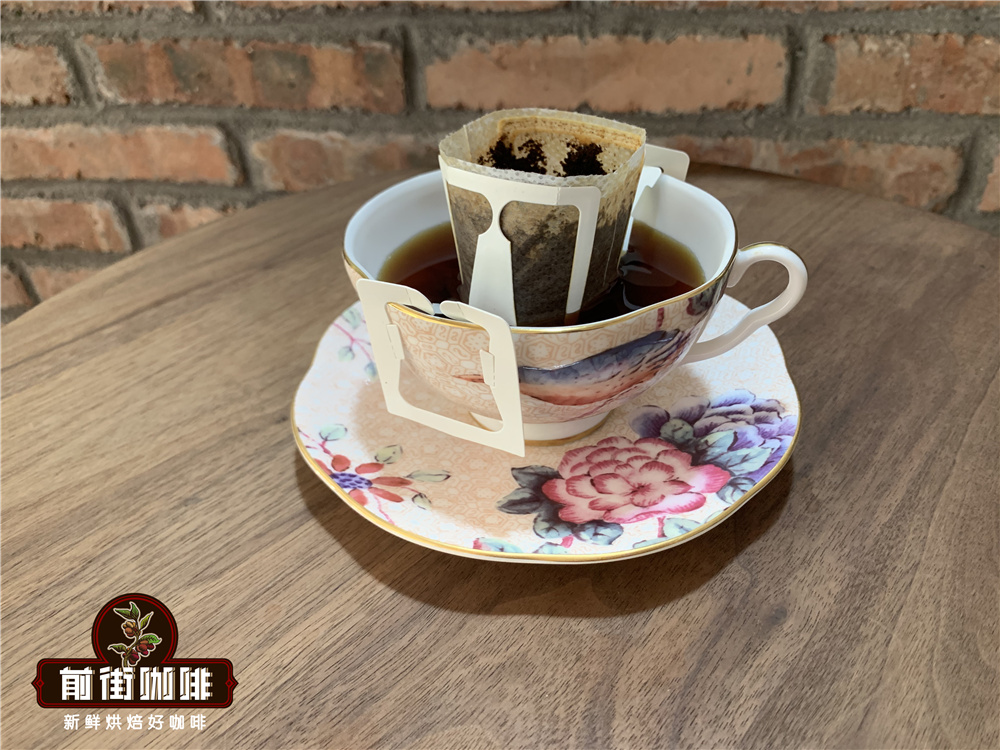
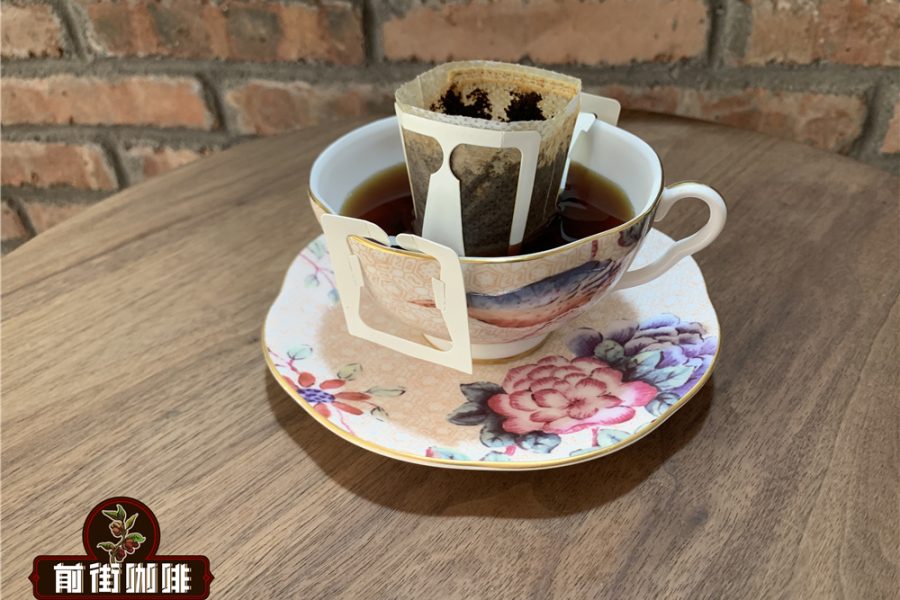
Drip-bag coffee uses freshly roasted coffee beans ground into powder and sealed in filter bags. To brew, the filter bag is hung on the rim of a cup and hot water at 90-95°C is poured in for drip extraction, fully preserving the coffee's balance of acidity, sweetness, bitterness and body. This brewing method mimics the principles of pour-over and allows coffee oils and aromatic substances to be fully released, giving it a clearly superior flavor complexity to instant products. Note that products in aluminum foil composite packaging should be chosen to ensure bean freshness.
Looking at the core differences: in terms of ingredients, instant coffee uses coffee extract concentrate, while drip-bag coffee uses whole coffee grounds; in brewing method, instant coffee dissolves directly in cold or hot water, while drip-bag coffee must be drip-brewed with hot water; in terms of additives, instant coffee may contain ingredients such as hydrogenated vegetable oil, while drip-bag coffee is usually additive-free; and the production processes are entirely different—the former undergoes chemical concentration and drying, while the latter remains physically ground and sealed.
For office use scenarios, the advantages of drip-bag coffee are: no professional equipment needed, compatibility with ordinary mugs, a brewing time of about 3 minutes, and adjustable strength. It is recommended to pair it with a 15-20g ceramic cup and pour 150ml of hot water slowly in a circular motion from the center. Instant coffee, meanwhile, is better suited to urgent needs for alertness; look for pure black coffee products labeled "no sugar, no creamer" to avoid extra calorie intake.
From a health perspective, drip-bag coffee retains intact dietary fiber and antioxidants, and its caffeine is metabolized more gently. The non-dairy creamer in instant coffee may affect blood lipids, so for long-term drinking it is advisable to choose products labeled "no trans fatty acids." Whichever type you choose, it is recommended to keep daily caffeine intake within 400mg (about 2-3 standard cups).
When purchasing, quality can be judged by observing packaging details: the filter bag of high-quality drip-bag coffee should state the roast date rather than the production date, and the coffee grounds should appear as uniform particles without clumping; for instant products, check whether the first ingredient listed is "non-dairy creamer" or "white granulated sugar." In office settings, it is recommended to stock combination packs of drip-bag coffee from different origins, and by drinking them alternately, experience the nutty notes of Brazilian beans or the floral and fruity aroma of Ethiopian beans.


