How to Choose Blended Coffee Beans: Medium-Dark Blend Flavor Guide
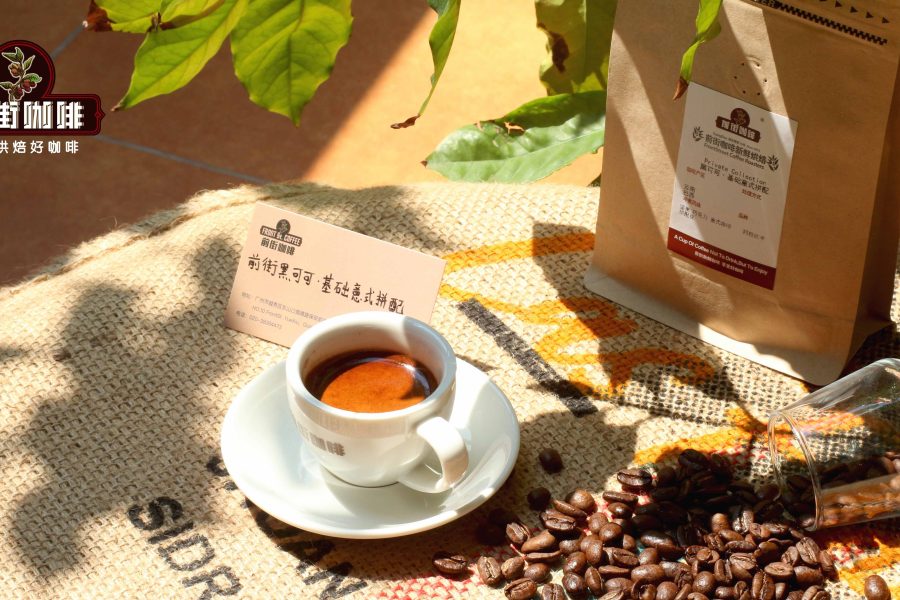
Introduction: Blended coffee beans, through a scientific ratio of beans from multiple origins, can consistently present rich layers of flavor. This article focuses on classic medium-dark roast blend recipes, analyzing how three blends with different positioning suit the needs of milk coffee, Americano and latte art. From strawberry candy aroma to the richness of dark chocolate, it walks you through the flavor code and brewing points of blended beans, answering the core question of 'are blended beans good?'
The charm of blended coffee lies in combining beans from different origins to balance sweetness, acidity and bitterness while strengthening specific flavors. Medium-dark roast blends typically show the nutty, chocolatey base notes brought by caramelization reactions while retaining some of the brightness of fruit acidity. For enthusiasts new to espresso, choosing the right blend recipe is key to improving the drinking experience.

Take a medium-dark roast blend with berry notes as an example; such recipes often combine Colombian, Costa Rican and Ethiopian beans. Colombian beans provide a stable nutty and brown sugar base, Costa Rican beans contribute citrus-like acidity, and a small amount of Ethiopian beans brings floral and red fruit notes. After medium-dark roasting, these flavors merge into a sweetness resembling strawberry gummy candy, offering a velvety smooth texture when made into milk coffee; extracted directly as an Americano, it highlights the fruit aromas of raisin and blueberry, with a subtle almond bitterness in the finish. Overall it is balanced between sweet and sour with low bitterness, suitable for advanced users who have mastered basic extraction techniques to try adjusting the coffee-to-water ratio to highlight different flavor dimensions.

Another common type is a blend centered on chocolate and nuts, typically combining Yunnan and Brazilian beans. The fermented character of Yunnan beans gives a ripe plum-like fruit acidity, while Brazilian beans bring a rich chocolate foundation and caramel sweetness. Medium-dark roasting further strengthens the creamy texture and caramelized aroma. This type of recipe is beginner-friendly—a well-balanced drink can be brewed without complex equipment, and it performs stably in office settings with a home semi-automatic machine or capsule coffee machine. Note that the water temperature during extraction is best kept at 90-92°C to avoid excessive bitterness from too-high temperatures; if making milk coffee, the proportion of whole milk is recommended not to exceed 1:3, to prevent masking the layers of chocolate flavor.

For users practicing latte art, a classic blend with outstanding crema is recommended. A mix of Brazilian and Southeast Asian beans (such as Indonesian and Vietnamese) contains a higher proportion of robusta beans or dark-roasted arabica beans, forming a dense golden crema during extraction. The aroma of roasted hazelnut and baked bread comes from the Maillard reaction between sugars and amino acids during medium-dark roasting, while the richness of dark chocolate comes from the natural properties of Brazilian beans. This type of blend not only has abundant crema that makes milk frothing easier, but its full body also enhances the three-dimensionality of latte art patterns. Beginners can try extracting 36-40 ml of espresso from 18-20 g of grounds, and using a steam wand to heat the milk to 60-65°C; when practicing heart or leaf patterns, it will be easier to control the flow rate and integration.
When purchasing blended coffee beans, pay attention to the production date; freshly roasted beans (best used within 7-21 days after roasting) show their best flavor. For storage, use sealed bags with one-way exhaust valves, and avoid direct sunlight and humid environments. If using for an espresso machine, it is recommended to grind the beans in advance and let them rest for 5 minutes to allow carbon dioxide to release appropriately before extraction. Different brewing methods (such as moka pot and AeroPress) can also be tried with the same blend to observe flavor differences—for example, when a medium-dark roast chocolate blend is made with a moka pot, the caramel flavor becomes more prominent.


