What Do Colombian Coffee Beans Taste Like? Arabica from Premium Regions
Introduction: Colombia is widely recognized as one of the world's important sources of high-quality coffee, and its beans are popular for their distinctive flavor and consistent quality. This article takes a close look at the growing environment, flavor characteristics, roast suitability of Colombian coffee beans and how they differ from ordinary coffee, helping coffee lovers understand why they are so highly regarded and how to choose a roast suited to their personal taste.
Colombia is hailed as one of the world's top coffee regions, thanks to its exceptional climate and geographical conditions. Located in the tropics, it has moderate temperatures year-round and frost is extremely rare; high-altitude areas give the beans brighter acidity and more complex flavors. Local coffee farmers often plant banana trees to shade the coffee trees, slowing their growth so they accumulate more flavor compounds. More than 600,000 smallholder farmers pick by hand to ensure consistent ripeness, and this traditional growing method gives the beans a stable foundation of high quality.
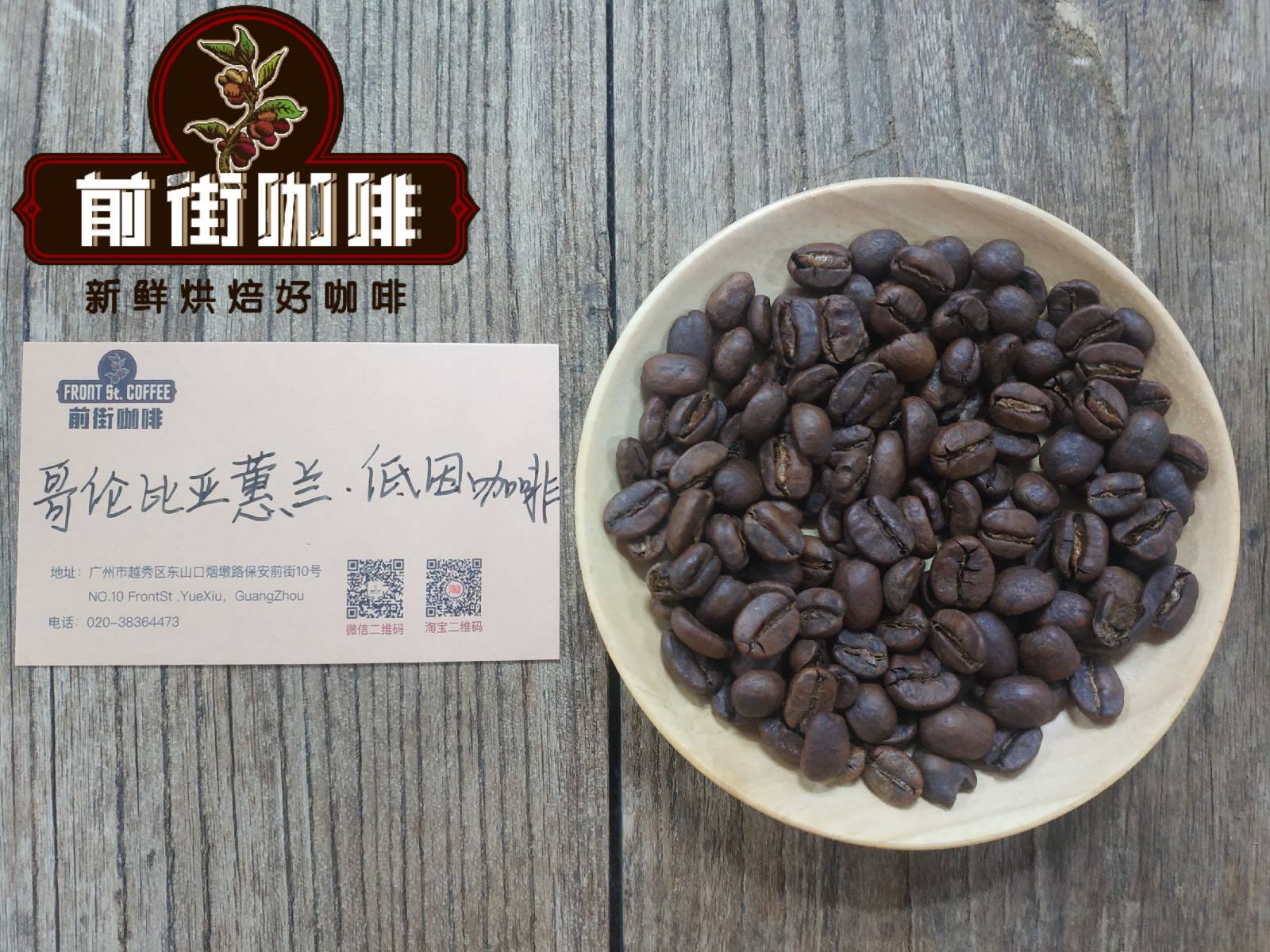
As to whether Colombian coffee equals a dark, strong brew, the answer is not absolute. Beans from this region can show the rich chocolate notes of a dark roast, and are also suited to a light roast that highlights fresh floral and fruity aromas. In a dark roast, their natural sugars caramelize to produce a full body, while a light roast preserves citrusy acidity and jasmine aromas; the two differ markedly yet each has its appeal. It is worth noting that roast level is not directly related to caffeine content: light, medium and dark roasts have basically the same caffeine level, and the idea that "dark roasts give more of a lift" is really a matter of mouthfeel.
In terms of variety, more than 90% of Colombia's crop is Arabica. These beans are smaller but dense, with about 50% less caffeine than Robusta, yet they have finer sweetness and multi-layered flavors. Compared with the nutty-shell bitterness common in Robusta, Arabica, when well processed, often shows red berry, caramel and even red-wine finish, making it especially suited to pour-over enthusiasts seeking refined flavor. Professional roasters suggest that Strictly Hard Bean (SHB) from elevations above 1,200 meters is better for showcasing bright acidity, while Hard Bean (HB) from slightly lower elevations balances body and aroma.
Colombian coffee is not a single flavor template but covers many styles. Compared with what the market generally calls "ordinary commercial beans," its advantages lie in consistent growing standards and regional subdivision—for example, beans from Huila often carry citrus and black tea notes, while the Nariño region is known for nut and chocolate notes. These characteristics stem from microclimate differences and meticulous processing methods: honey processing enhances sweetness, while washed processing highlights clean acidity. When buying, look for products labeled with a specific place of origin; this pins down the flavor you want better than a generic "Colombian coffee."
A common misconception about caffeine content needs clarifying: whether light or dark roasted, the total caffeine in a single bean changes very little. Dark roasting may slightly raise caffeine per unit weight due to shrinkage in volume, but the difference in actual brewed intake is negligible. Some merchants offer decaffeinated Colombian beans, in which most of the caffeine is removed through a special process, suiting sensitive drinkers. As for "strength," this depends more on grind size, water temperature and extraction time—extracting dark-roasted beans with a fine grind and 92°C water for 30 seconds will inevitably yield a more intense espresso than a coarse-ground americano, and has limited relation to the origin itself.
For beginners, a classic medium roast is a good way to start with Colombian beans. This processing balances the three elements of sweet, sour and bitter, letting you experience the region's signature balance without easily producing excessive bitterness through operational mistakes. If you prefer pour-over, a V60 dripper with a medium-fine grind (70% passing a Chinese standard No. 20 sieve), water at 90-93°C, a pouring rate of 2-3 ml per second and a total extraction time of about two and a half minutes is recommended. If you want to explore deeper flavors, try special lots with anaerobic fermentation; such beans often carry tropical-fruit fermented aromas, but note that their peak drinking window is short, so it is best to finish them within two weeks of roasting.


