Bolivia Coffee Origins and Flavor Guide for Pour-Over
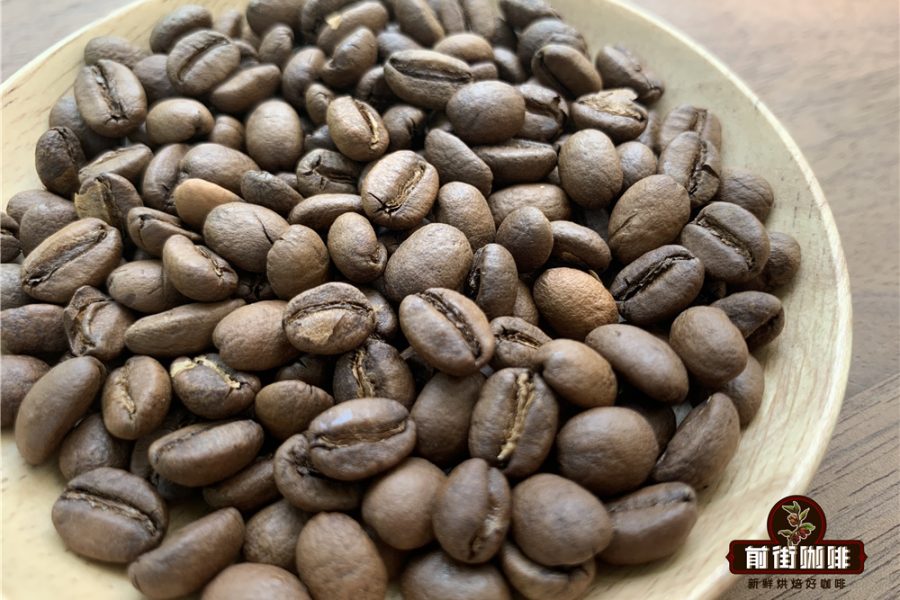
Introduction: Although Bolivia is not a major coffee exporter in South America, its high-altitude growing environment and increasingly mature specialty coffee system are quietly emerging. This article takes you through the full picture of Bolivian coffee, from the history of its producing regions to its flavor characteristics, explains why this land can produce unique beans with citrus notes and nutty flavors, and offers professional pour-over recommendations and a list of regional beans to help you discover another side of South American coffee.
Bolivia is located in the center of South America, bordered by Paraguay, Peru, Argentina, Chile, and Brazil. Although Brazil and Colombia have long dominated South American coffee exports, Bolivia is gradually making a name for itself in specialty coffee through a series of measures. The country has the natural conditions for growing high-quality coffee—abundant rainfall, suitable temperature and humidity, and a high-altitude environment are all very favorable for coffee tree growth. However, social and economic factors have long limited the development potential of its coffee industry.
The origins of Bolivian coffee can be traced back to the Yungas region in the 1920s. This area is located on the eastern slopes of the Andes and belongs to a tropical cloud forest climate zone. Thanks to high altitude, abundant rainfall, and good heat conditions, the Yungas remains the source of more than 90% of Bolivia's coffee beans and is the country's core specialty coffee region.
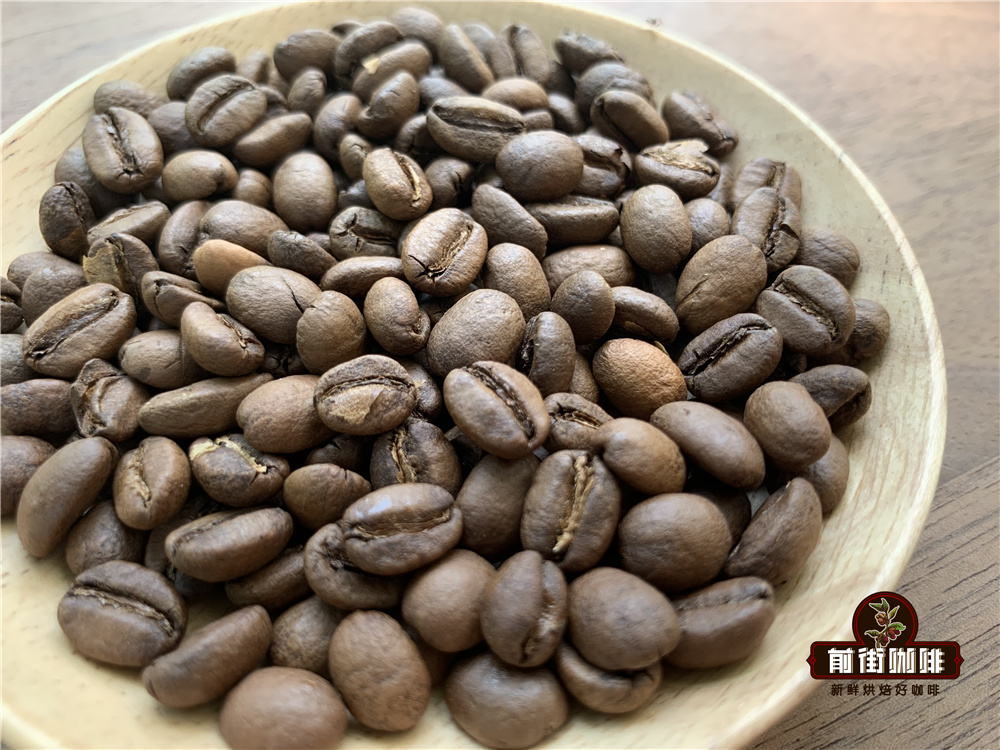
Bolivian coffee's visibility in the international specialty coffee market is gradually increasing. In the past, the country's coffee was often considered average in quality and suitable only for blended beans. But in recent years, by promoting fair trade and organic certification, along with continuous investment in agricultural technology and infrastructure, Bolivia is working to overturn this impression and prove to the world that it can also produce high-quality single-origin coffee.
At present, Bolivia's coffee production is mainly concentrated in remote rural areas, especially the Yungas. According to statistics, about 95% of coffee-growing activity is concentrated there, with the remainder distributed in Santa Cruz, Beni, Cochabamba, Tarija, and Pando. Although some commercial plantations and estates exist, due to historical land reform policies, most land has been redistributed to smallholder farmers. These farmers typically own only 1 to 8 hectares of growing area, yet they contribute 85% to 95% of the country's coffee output, and the vast majority of the varieties grown are Arabica, mostly under organic farming models.
However, the Bolivian coffee industry also faces real challenges. Rugged terrain and weak infrastructure make post-harvest processing difficult, which in turn affects the consistency of the final bean quality. To address this, several international development agencies have funded the construction of small processing facilities locally to help farmers improve bean processing techniques and thereby raise overall quality. These facilities not only ensure the processing quality of coffee beans but also add higher value to the product.

In terms of export structure, the domestic industry is mainly controlled by 28 private enterprises and 17 coffee cooperatives, most of which are members of the Bolivian National Coffee Council (Cobolca). Export markets are mainly the United States, Germany, and other European countries, as well as Russia and Japan. To improve the quality decline caused by past transportation and processing problems, the Bolivian government launched a key plan in 2001—establishing preliminary processing plants in the Yungas region before coffee is shipped to the capital, La Paz, to control the moisture of the coffee beans and reduce moisture content, thereby ensuring that the coffee remains fresh after long-distance transport and better displays its flavor potential. In addition, the newly built alternative road to La Paz has greatly reduced transportation risks and time, laying a foundation for overall quality improvement.
In terms of flavor, Bolivian coffee shares many common traits with South American coffees but shows subtle differences due to its higher growing altitude. If you are familiar with the flavors of Brazilian or Colombian coffee, the flavor base of Bolivian beans should not be unfamiliar: overall, it presents mild nutty notes, caramel sweetness, and soft cocoa nuances. But unlike them, Bolivian coffee often has more pronounced citrus acidity and fresh fruit aromas, a layering that makes it stand out among many South American coffees and makes it more suitable for pour-over or filter methods to fully reveal its delicate flavors.
By comparison, Brazilian coffee is known for low acidity, nutty flavors, and a balanced mouthfeel, with moderate body, making it suitable as an everyday staple bean or milk coffee base; coffee from Colombia's Huila region often has dark chocolate, nutty notes, and soft fruit acidity, with a caramel-sweet finish, giving it a livelier overall expression. Bolivian coffee, meanwhile, has more delicate flavor layers, with a hint of brightness within its sweet-sour balance, making it especially suitable for coffee lovers who like bright but not overly sharp fruit acidity.
For pour-over enthusiasts who want to try Bolivian coffee, a medium-fine grind (similar to granulated sugar) is recommended, with a water temperature of 90–93°C, using a V60 or Kalita Wave dripper, and a brew time of 2–3 minutes to fully express the balance of its citrus notes and nutty finish. If you prefer a fuller body, you can also slightly coarsen the grind and extend the bloom time to uncover its hidden cocoa and caramel flavors.


