Sumatra vs Sulawesi coffee: Mandheling and Toraja flavor differences
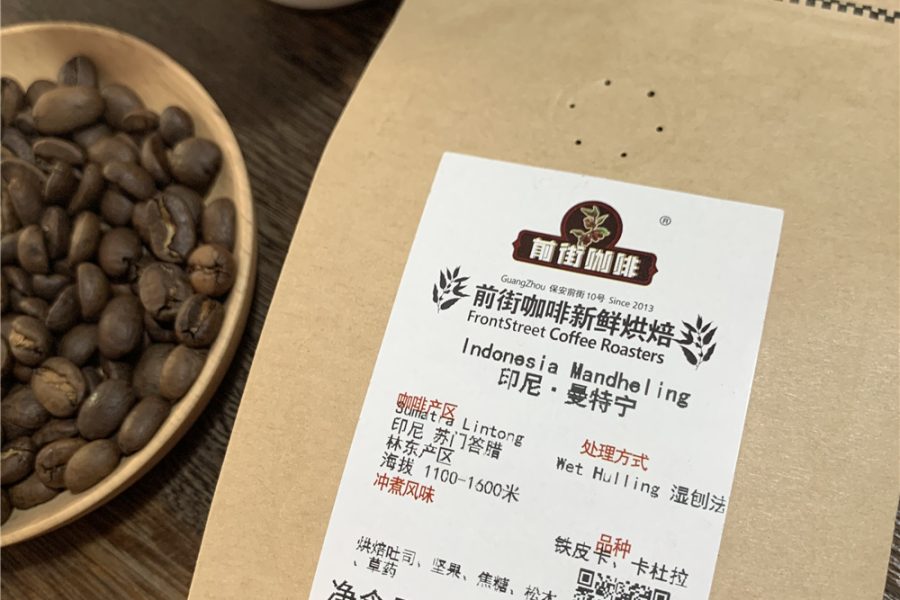
Introduction: Indonesia is a key coffee origin, yet Sumatra Mandheling and Sulawesi Toraja are often confused. This article analyzes both classic regions' terroir, processing and flavor, from body and acidity to roasting advice, to help you choose beans for pour-over or espresso. It explains how wet hulling shapes Sumatra's distinctive earthy notes and why Toraja balances soft fruit acidity with dark chocolate.
Indonesia comprises over 17,000 islands. Sumatra and Sulawesi both belong to the volcanic island chain, but the two regions' coffee-growing environments and flavor profiles are completely different. Sumatra's core is the Lintong area around Lake Toba, while Sulawesi's classic region is concentrated in the Toraja highlands at 1,200–1,800 meters. Although both use wet-hull processing, microclimate differences produce beans with distinct personalities.
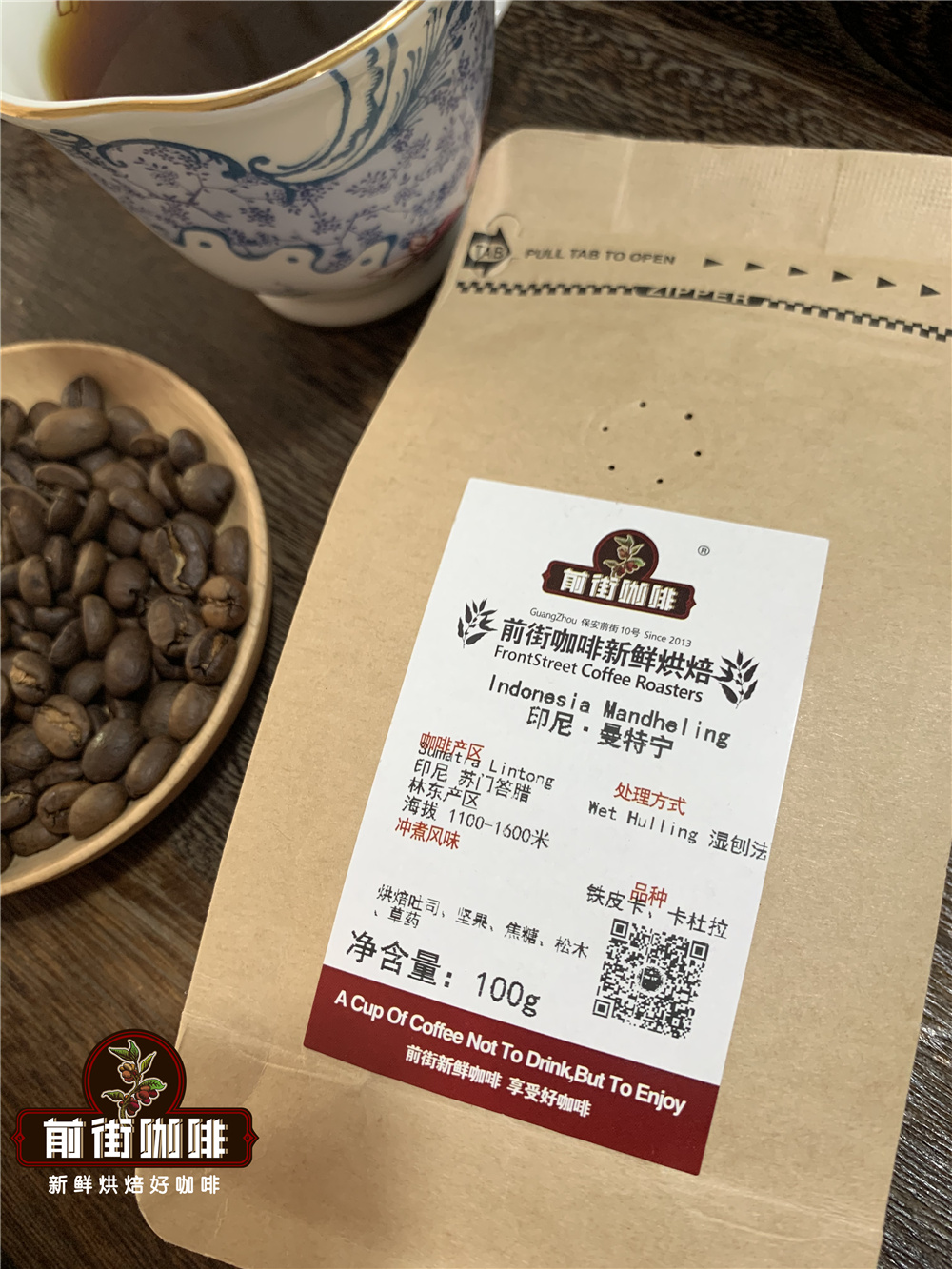
Sumatra Mandheling's signature trait is body as high as 8–9/10, with pronounced herbal, smoky and woody notes. Its low acidity (pH 5.2–5.4) comes from high-altitude gentle-slope planting and a long ripening period. For optimal extraction, use water at 92–94°C with a medium-coarse grind to enhance body and layers. Lintong's volcanic soil is rich in iron, a key factor in forming its signature “earthy-spice complex flavor.”
By contrast, Sulawesi Toraja coffee shows a brighter acidity curve (pH 5.6–5.8), with lively red cherry and plum acidity, combined with a dark chocolate and roasted nut finish. Body stays in the 6–7/10 range, better suited to consumers who prefer balanced flavor. This region uses the same wet-hull method (Giling Basah) as Mandheling, but because it lies south of the equator, fermentation lasts 2–3 days longer, creating a distinctive lightly fermented fruit aroma.
In processing details, both regions ferment 24–36 hours after depulping, with the parchment still on, but Toraja farmers generally extend drying to 2–3 weeks, stabilizing moisture content at 11–12%—a parameter that directly affects quality retention during transport. Notably, wet hulling leaves green beans an uneven blue-green color. Roasters must pay special attention to the rate of rise during first crack; a staged roasting curve is recommended to highlight different flavor dimensions.
For coffee lovers, these traits can be observed when buying: Sumatra beans often show an obvious oily sheen and twisted creases on the surface, while Toraja beans are fuller and more regular in shape. A flavor-wheel comparison shows Mandheling's main profile is the trio of “earth/herbal/smoky,” while Toraja is led by “fruit/chocolate/spice.” For pour-over with a V60, Mandheling works with a 1:15 coffee-to-water ratio and a longer bloom, while Toraja's bloom can be shortened to 25 seconds to preserve fresh acidity.
Data from professional roasteries show that Sulawesi Toraja coffee's chlorogenic acid content is 15–20% lower than Sumatra's, explaining its milder mouthfeel. Lintong's caffeine concentration generally reaches 1.3–1.5%, making it a typically high-stimulation coffee. Whether you seek the rich depth of a dark roast or the bright fruit of a light-to-medium roast, understanding the essential differences between these two regions will help you match brewing equipment and personal taste more precisely.


