Espresso Beginner's Guide: 10 Key Steps from Bean Selection to Extraction
Introduction: Want to make professional-level espresso at home? This article explains the full process from coffee bean selection and grinding to extraction, focusing on the 10 core factors that affect flavor. By mastering key parameters such as extraction time, coffee-to-water ratio, and grind size, it helps coffee lovers avoid common pitfalls and extract a perfect Espresso with rich crema and balanced acidity and bitterness.
Making a cup of full-bodied espresso requires precise control of every step. From preheating equipment to choosing coffee beans to the final extraction process, every step affects the final flavor presentation.
First, preheat the coffee cup (demitasse). When using an espresso machine, warming the ceramic cup in advance helps maintain the coffee's temperature and prevents rapid heat loss that affects the flavor experience.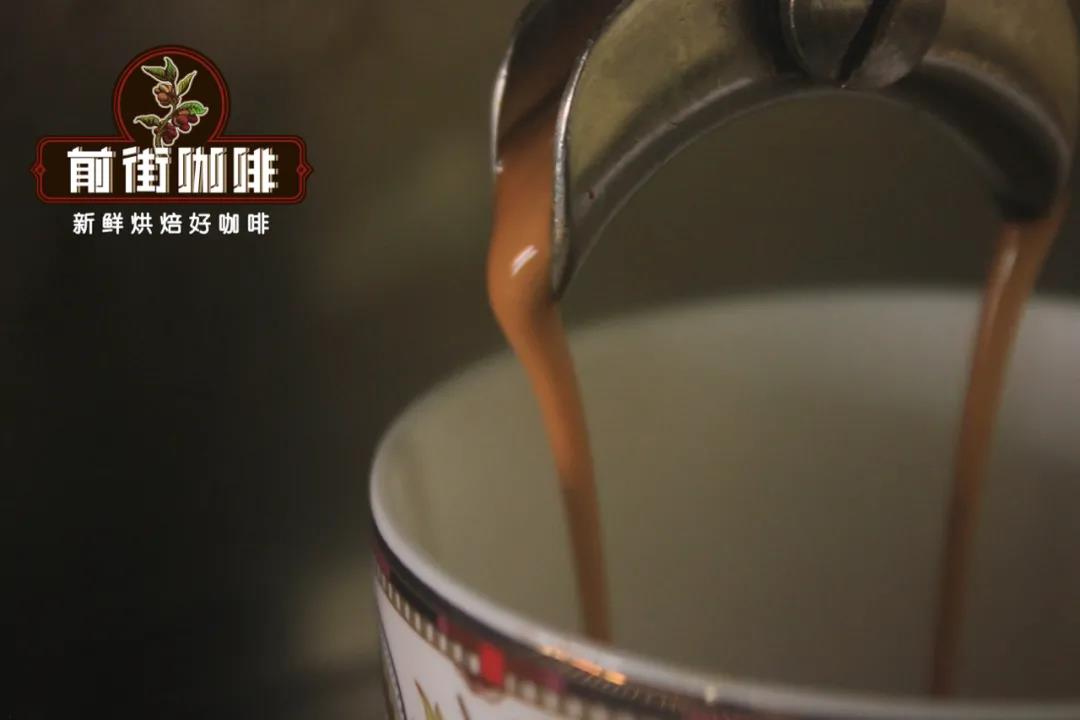 This step may seem simple, but it is a basic step that professional baristas never overlook.
The choice of coffee beans directly affects the flavor baseline. It is recommended to use medium-dark roast blended beans. These beans are usually based on beans from producing regions such as Brazil and Colombia and have the characteristics of prominent nutty notes and mild acidity. During storage, avoid moisture and light, and remember not to put them in the refrigerator—temperature differences will cause condensation in the bean container, which instead accelerates flavor loss.
For grinding, an espresso grinder with conical burrs is recommended. This burr structure produces a more uniform particle distribution and, compared with flat burr models, better ensures extraction stability. The standard dose for a single espresso is about 8-10 grams (about two tablespoons), and it can be adjusted slightly according to the filter basket capacity.
Preheating equipment before extraction is often overlooked. Rinsing and preheating the portafilter with the puck loaded using hot water before extraction helps maintain a stable extraction temperature. Some commercial machines have an automatic preheating function; for home models, it is recommended to perform this step manually—a cold metal filter can cause the water temperature to drop by 3-5°C, directly affecting the coffee extraction yield.
Tamping coffee grounds requires technique. Use a tamper to apply pressure evenly in a spiral downward motion, aiming for consistent compaction density. Over-tamping will block water flow channels, while tamping too loosely will cause channeling; both situations will make extraction uneven.
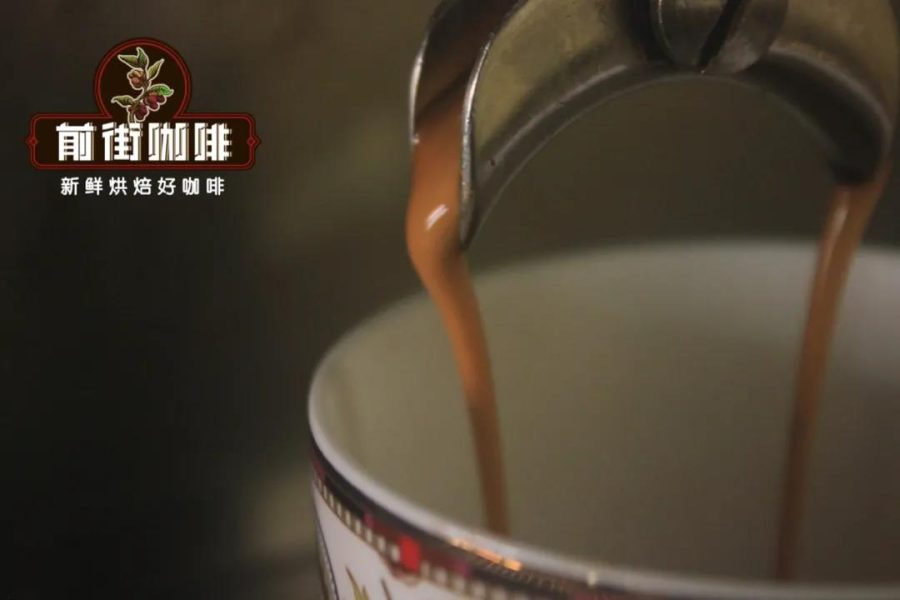
After extraction begins, closely observe the flow rate. Ideal espresso should complete extraction within 20-30 seconds, producing about 30 milliliters (about 1 ounce) of espresso. When observing the flow rate, note that the first stage should show a rich dark brown honey-like flow, gradually turning amber in the later stage.
Judging whether extraction is successful mainly depends on the color change of the liquid. When the coffee flow becomes noticeably lighter (close to rusty yellow), it indicates that the over-extraction stage has begun, and the bitter substances produced at this time will disrupt the overall balance. Professionals recommend stopping extraction promptly before the flow change is observed.
A supplementary note on coffee bean suitability: although medium-dark roast is the mainstream choice, lightly roasted single-origin beans (such as Ethiopian Yirgacheffe) can also produce creative espresso with citrus notes after special processing. These beans require a finer grind and a slightly shorter extraction time (about 18-22 seconds).
Finally, a reminder of several common pitfalls: do not reuse coffee pucks, as residual fines will affect the next extraction; regularly clean the portafilter and filter basket to prevent old oils from contaminating the extraction of new coffee; for commercial machines, it is recommended to replace the burrs after every 200 cups, while home machines can extend this appropriately but should not exceed 500 cups.


