Choosing Espresso Bean Roast Level: Double vs Single Concentration
Introduction: The flavor performance of espresso is closely related to roast depth and extraction method. This article provides an in-depth analysis of the actual performance differences between light and dark roast beans in espresso preparation, reveals the scientific principle behind why a double shot is more concentrated than a single shot, and explains in detail the key factors affecting the formation of coffee crema. After mastering this knowledge, you will be able to more precisely choose coffee beans according to your personal taste preferences and understand the underlying logic by which professional baristas adjust parameters.
When we discuss the differences among Italian coffee, Americano, and espresso, we are essentially exploring the flavor differences brought about by different extraction methods. Among them, espresso, as the base form, often has an amber foam layer floating on its surface that frequently arouses curiosity—what exactly is this substance called coffee crema?
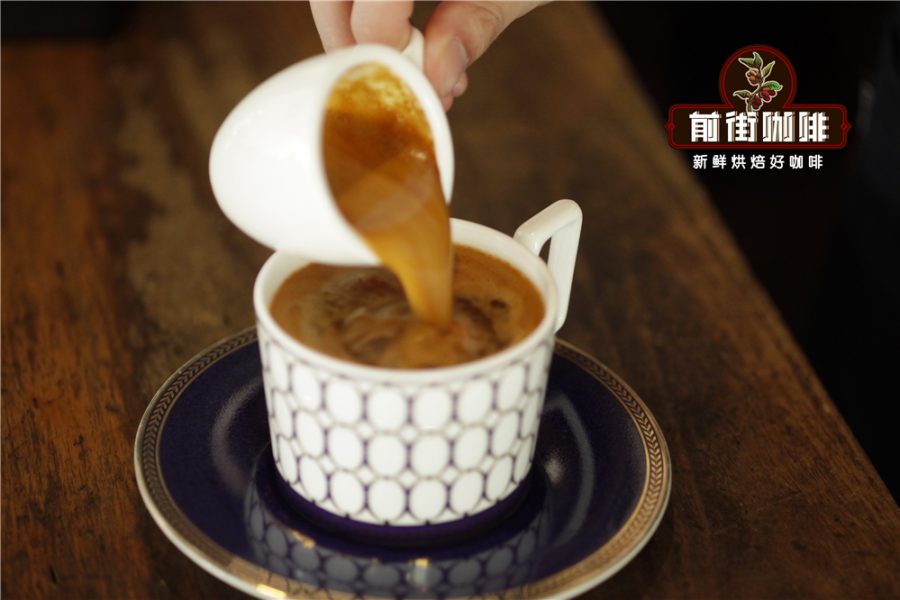
Coffee crema is actually a microbubble emulsion layer formed during high-pressure extraction, mainly composed of carbon dioxide, soluble oils, sugars, and proteins. High-quality crema presents a reddish-brown luster and is about 3-5 mm thick. It not only serves as the carrier of about 30% of espresso's flavor but is also an intuitive indicator for judging whether extraction has succeeded.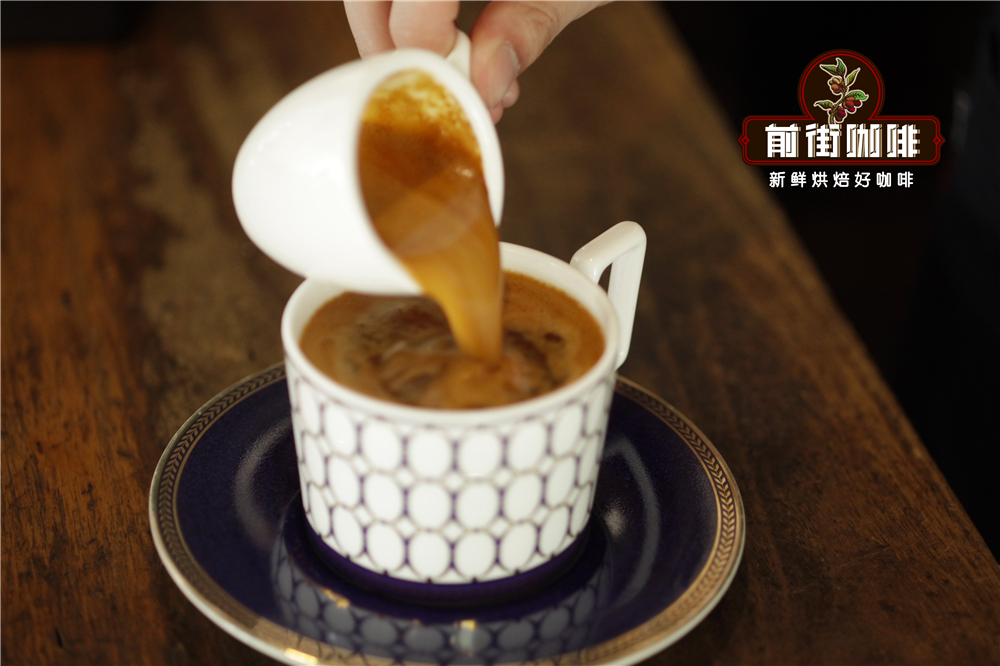
What truly defines espresso is its special extraction process: using 9-10 atmospheres of pressure to pass 92-96°C hot water through a compressed coffee puck with 88-95% fine grinding, completing the extraction of about 30 ml of liquid within 20-30 seconds. This high-pressure environment forces water to carry more aromatic substances when penetrating the coffee cell walls while also forming a unique crema structure.
There is a common misunderstanding about choosing roast level—although dark roast beans are regarded as the traditional choice because of sufficient caramelization reactions and high oil release, light-to-medium roast beans can also make high-quality espresso. The key difference is that dark roast beans (such as Mandheling and Brazil) usually present richer chocolate and caramel notes with more obvious bitterness, while light-to-medium roast beans (such as Ethiopian natural and Colombian Geisha) can retain more floral and fruity acidity and layering, making them suitable for drinkers seeking a fresh taste.
Professional baristas often use blending schemes to balance flavor. A typical formula contains 60-70% medium-dark roast base beans and 30-40% adjustment beans. It is worth noting that although Robusta beans are used in some commercial formulas because of their higher caffeine content (about 2.2 times that of Arabica) and their ability to enhance crema density, their strong woody tannin taste requires careful proportion control. The specialty coffee field prefers high-density Arabica varieties.
The essential difference between a double espresso (Doppio) and a single (Solo) lies in the doubling of dose and extraction yield: a standard single uses 7-9 grams of coffee powder to produce 30 ml of espresso, while a double uses 14-18 grams of powder to obtain about 60 ml of liquid. Although the increase in concentration is not simply doubled (affected by puck density), actual tests show that the dissolved solids content of a double is on average 40-60% higher. This is because the additional powder amount prolongs the effective extraction time and increases the contact area.
When making it at home, special attention should be paid: when using a home semi-automatic espresso machine, ensure that the pre-infusion stage fully wets the puck (3-5 seconds of water injection is recommended) and maintain a stable output at 9 bar working pressure. If the crema appears whitish or shows tiger-stripe cracks, it usually means under-extraction or an imbalanced powder-to-water ratio. At this time, you can try slightly adjusting the grind size or increasing the tamping force.


