Can Decaf Coffee Be Completely Caffeine-Free? How Does the Flavor Differ? A Pour-Over Guide
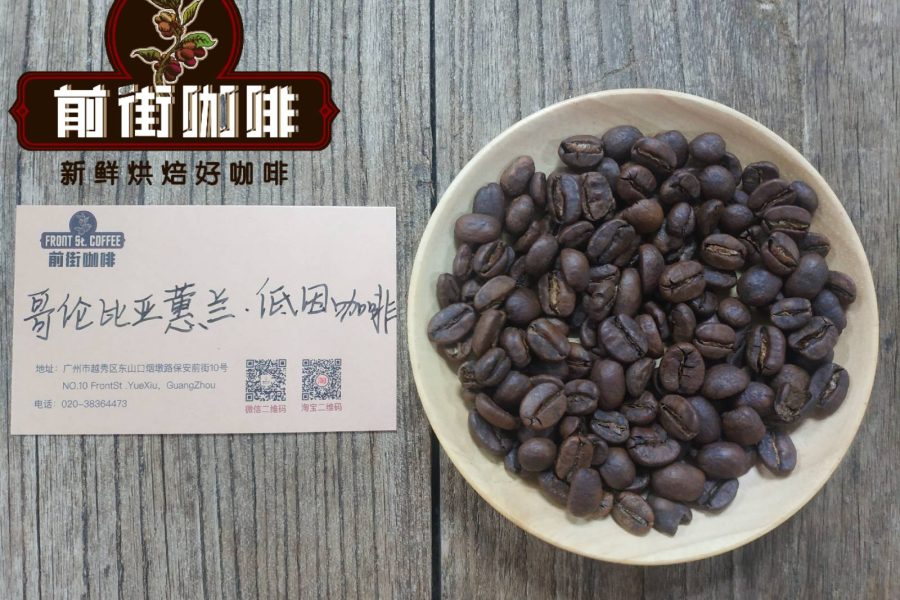
Introduction: Decaf coffee removes the vast majority of caffeine through special processes, but it cannot be eliminated 100%. Learn about the differences in international decaffeination standards, the principles behind mainstream decaffeination technologies, and the reasons flavor changes. Master buying tips and brewing advice to help you find a low-caffeine coffee that suits you.
Decaf coffee refers to a beverage in which caffeine is removed from coffee beans through industrial processes. Although coffee beans naturally contain about 400 flavor compounds, consumers are more concerned with how to effectively reduce caffeine content while preserving the original aroma characteristics. Modern decaffeination technology can already achieve a low-caffeine experience close to the original flavor, but completely removing caffeine still faces technical bottlenecks.
Comparison of International Decaffeination Standards
The U.S. Food and Drug Administration stipulates that qualified decaf coffee may not have caffeine residue exceeding 3% of the green bean weight (that is, about 5 mg of caffeine per 5 oz of brewed liquid). The EU standard is stricter, requiring that the total caffeine content of coffee beans after decaffeination be less than 0.1% (close to complete removal). The difference between these two standards directly affects the actual caffeine content of products in different regions.
Analysis of Mainstream Decaffeination Processes
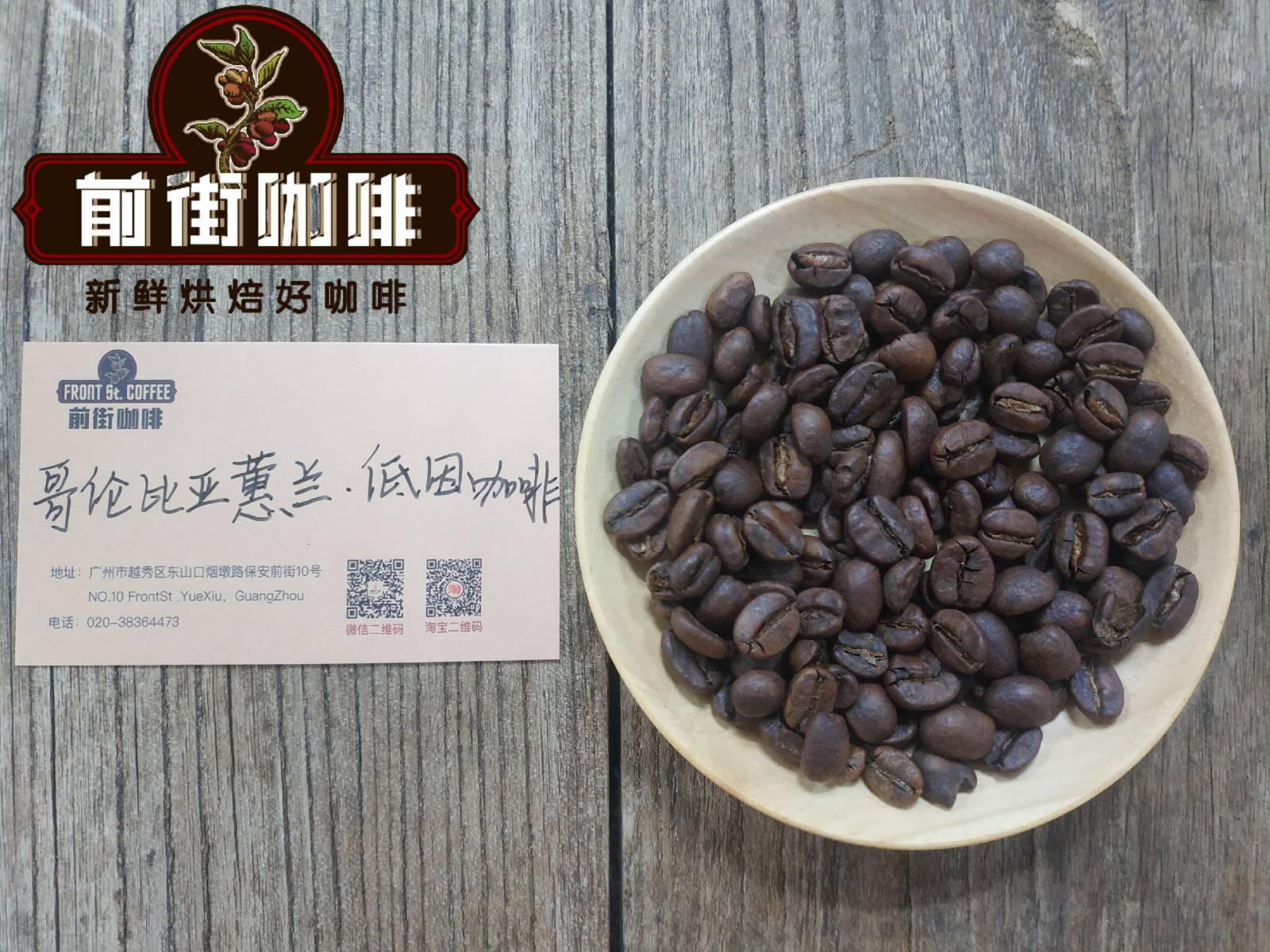
The industry currently mainly uses two treatment methods: the direct contact method and the indirect contact method. The direct method pretreats green beans with high-pressure steam, then uses solvents such as dichloromethane or ethyl acetate to circulate and rinse for about 10 hours, followed by a second steam distillation to remove solvent residue. The indirect method first soaks the coffee beans in near-boiling water to extract a mixed solution of flavor compounds and caffeine, then selectively filters out the caffeine through activated carbon or organic solvents, and finally re-infuses the flavor concentrate back into the beans.
It is worth noting that so-called 'natural processing' usually refers to using ethyl acetate (an ester compound widely found in fruit) as a solvent, or using a pure water system in the pretreatment stage. Supercritical carbon dioxide technology, as an emerging option, uses a high-pressure environment at 31°C to give CO₂ liquid-like properties and selectively adsorb caffeine molecules, but the equipment investment cost is relatively high.
Key Steps in Flavor Preservation
The retention rate of flavor compounds during decaffeination directly affects the final taste. Professional processing plants strictly control the water bath temperature (usually maintained at 90-96°C), the solvent contact time, and the balance point of multiple cycles. After a complete process cycle, the acids, sugars, and aromatic esters in the coffee beans can retain 85%-92% of their original proportions, which is why high-quality decaf coffee can still show distinct fruity acidity or nutty notes.
Common flavor defects mostly stem from improper processing: over-extraction leads to the loss of tannic acid and produces a flat taste, solvent residue may cause a medicinal off-flavor, and insufficient roasting tends to expose woody fiber notes. It is recommended to choose decaf beans at medium-dark roast level or above; this type of roast can effectively neutralize some of the astringency brought by processing.
Buying and Brewing Advice
Consumers can confirm the decaffeination level through packaging labels—products marked '100% decaf' usually meet the strict EU standard. For pour-over, it is recommended to extend the blooming time by 10-15 seconds to promote degassing, and the grind size can be set about 0.5 step finer than regular beans to compensate for flavor loss. Single-origin decaf beans are suitable for showcasing regional characteristics (such as the jasmine aroma of Ethiopia or the earthy richness of Sumatra), while blended beans focus more on balance.
Special groups should note: although decaf coffee has extremely low caffeine content (about 2-5 mg per 150 ml cup), pregnant women or those extremely sensitive to caffeine are still advised to consult a physician. When storing, avoid placing it together with spices; keeping it in a sealed jar in a cool place can maintain the best flavor period for 10-14 days.


