Colombian Specialty Coffee: History, Regional Flavors, and Pour-Over Guide
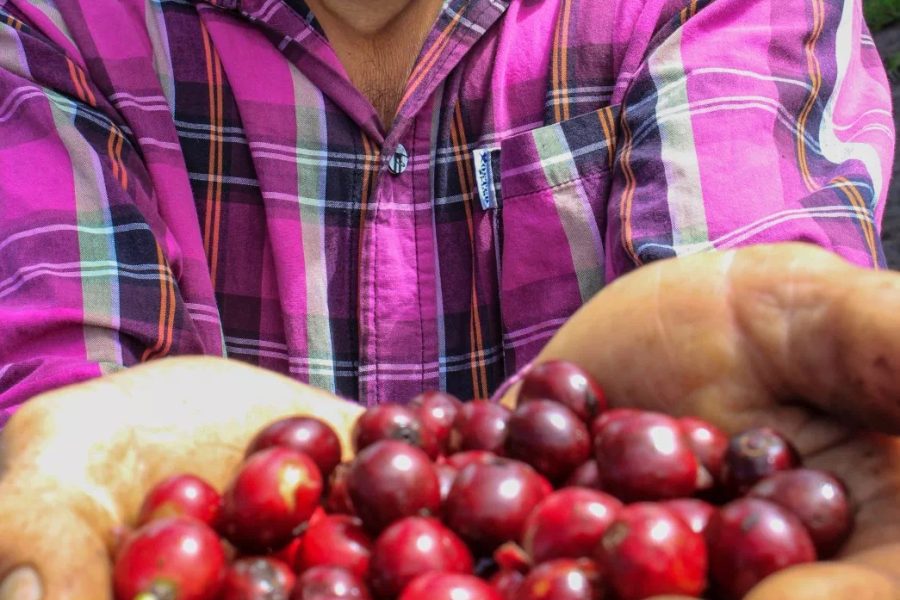
Introduction: Did you know why Colombia, the world's third-largest coffee producer, is known for specialty coffee? This article takes you through its history, explaining how Colombian coffee grew from smallholder farming to the world stage, analyzing the unique terroir of its Andean regions, exploring the flavor profiles of well-known regions such as Huila and Cauca, and offering practical pour-over brewing parameters to help you better appreciate the diverse appeal of Colombian coffee.
As the world's third-largest coffee producer, Colombia is not only the largest processor of washed Arabica coffee, but up to 40% of its exported coffee is specialty grade. Coffee beans from Colombia are a common sight in cafés around the world, and whether it is Rose Valley, Flower Moon Night, Big Belly, Sidra, or Huila, these are all bean varieties that pour-over enthusiasts love to choose.
Today, let us start with the origins of coffee cultivation in Colombia and take a deeper look at this important specialty coffee region.
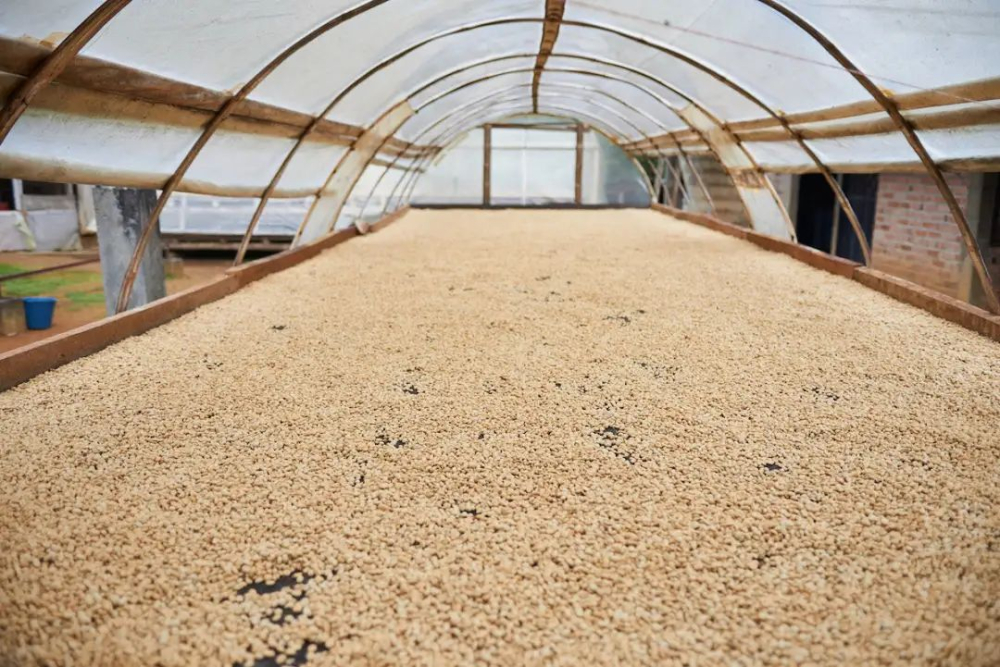
1. The Historical Origins of Colombian Coffee
Although Colombia's land area is not particularly large, its coffee production ranks among the highest in the world, with Arabica coffee bean output second only to neighboring Brazil. However, before the arrival of Europeans, there was no trace of coffee on this land. It is said that coffee cultivation in Colombia can be traced back to the early 18th century, when Spanish Jesuit priests brought coffee seeds or saplings into the area. In 1730, the Spanish missionary José Gumilla explicitly mentioned seeing coffee plantations on the border between Colombia and Venezuela in his work on the Orinoco River, which proves that coffee had already taken root in Colombia at least before 1730.

Over time, coffee became an important source of foreign exchange for Colombia in the late 19th century. But the good times did not last; the four-year "Thousand Days' War" dealt a severe blow to the country's economy, and a large number of coffee plantations were abandoned. To restore the industry, the government distributed abandoned land at low prices to landless farmers, encouraging them to grow coffee mixed with other crops on small plots, which formed the smallholder-dominated production structure that exists today.

2. The Establishment and Development of the National Federation of Coffee Growers
Unlike large-scale plantation models, Colombia is dominated by small family farms, and this flexible model has shown strong resilience amid fluctuations in the international market. To gain more say in the global market, growers established the "Coffee Producers Organization" in 1904 to manage domestic affairs. In 1920, the industry was further consolidated, and in 1927, the National Federation of Coffee Growers of Colombia (FNC) was officially established, the world's first non-profit organization dedicated to promoting a single agricultural product. The establishment of the FNC greatly advanced the internationalization of Colombian coffee and helped it become the world's third-largest coffee exporter.

3. Exceptional Geographical and Climatic Conditions
Colombia is located in northern South America, and its coffee regions are mainly concentrated along the Andes mountain range, covering the western part of the country and extending from south to north. Because of the complex terrain and variable climate, different regions have their own optimal harvest periods, making fresh coffee available here almost year-round.
Coffee-growing areas generally range from 1,000 to 2,500 meters in elevation. The Andes bring abundant microclimates, with an average annual temperature of about 18°C, and together with plentiful rainfall, they provide an ideal growing environment for coffee trees. Local farmers mostly operate small farms of about 2 hectares and often plant shade trees around the coffee trees, such as banana trees or tall trees, to regulate light and maintain humidity.

4. Introduction to Major Specialty Coffee Regions
Geographically, Colombia's coffee regions mainly include the north, center, and south, with the southern region known for high quality. Below are several representative high-quality regions:
1. Huila
Located in southwestern Colombia, it accounts for 12% of the country's coffee production. The region lies above 1,500 meters in elevation, with numerous rivers and abundant water. Unlike traditional full-bodied flavors, Huila is dominated by smallholder micro-lots, and its diverse microclimates and unique processing methods create rich fruit aromas and vivid sweetness and acidity. Some black coffees have complex layers, bright acidity, and a long finish.
2. Cauca
With elevations reaching 2,100 meters, it is one of Colombia's highest-altitude regions. The significant temperature difference between day and night lengthens the coffee beans' maturation period, allowing them to fully accumulate flavor compounds; the resulting coffee is usually balanced in sweetness and acidity with a fresh mouthfeel.
3. Nariño
The growing areas are located in the high-altitude cloudy zone of 1,600-2,300 meters, where fertile volcanic soil gives the coffee unique acidity and a full body. Although production is limited, thanks to its special microclimate and meticulous management, coffee from this region has been increasingly favored by specialty coffee lovers worldwide in recent years.
4. Santander
As one of the earliest coffee-growing areas in Colombia, this department has a relatively low elevation of about 1,400-1,600 meters and a drier climate. Traditionally, Typica varieties are grown, and the coffee trees mostly grow under shade, so the fruit matures more slowly and the flavor tends to be full and rounded, with nutty and chocolate notes.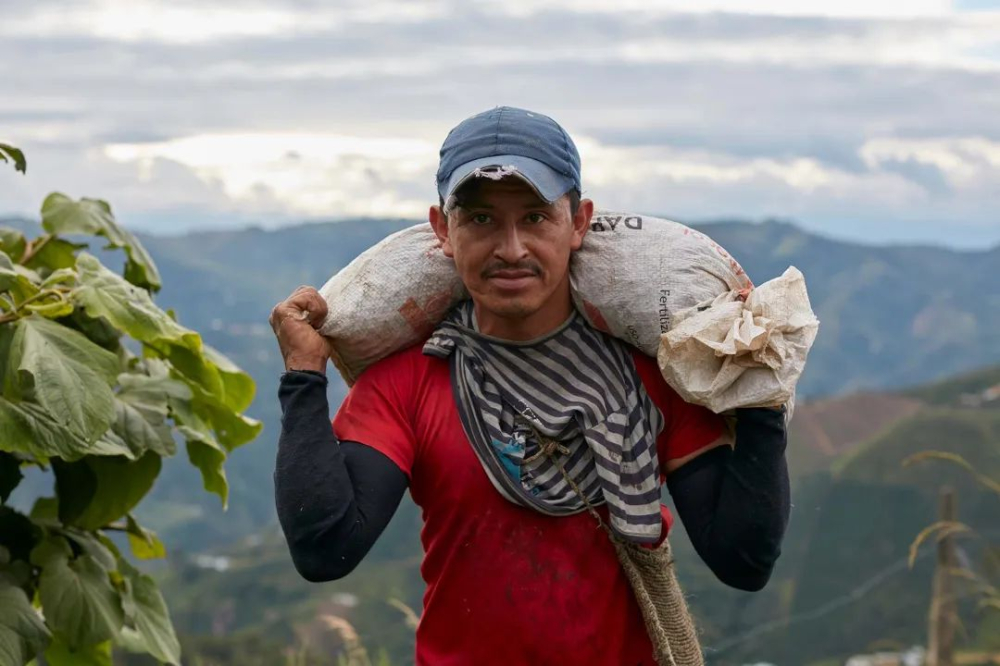
5. Processing Methods and Flavor Expression
Colombia is a leader in washed processing worldwide; this method clearly presents the terroir characteristics of a region, with a clean mouthfeel and distinct layers. In comparison, natural processing enhances aroma and sweetness, making it suitable for drinkers who prefer intense flavors.
Most specialty Colombian beans are washed, for example coffee from the Huila region, which after washing often shows a rich dark-chocolate-like foundation and soft fruit acidity, with a balanced flavor and high recognizability.

6. Practical Pour-Over Suggestions
If you want to fully experience the flavor of Colombian coffee, you can refer to the following professional pour-over parameters:
Recommended equipment: Hario V60
Water temperature: 90°C
Dose: 15 g
Brew ratio: 1:15
Grind size: about 80% passing through a Chinese standard No. 20 sieve (medium-fine grind)
Steps:
1. First do a 30-second bloom, pouring about 30 g of hot water to help release carbon dioxide from the coffee grounds and improve subsequent extraction efficiency; observe the "hamburger" state, and if it does not expand noticeably, you can appropriately shorten the bloom time.
2. After the bloom, pour in circles from the center outward to 125 g, then continue pouring slowly to 225 g, with the total extraction time controlled at about 2 minutes.
Note: Freshly roasted coffee beans contain more carbon dioxide, so it is recommended to use them within 5 days after roasting for the best flavor expression.