Indonesian specialty coffee beans: Sumatra Mandheling flavors and buying guide
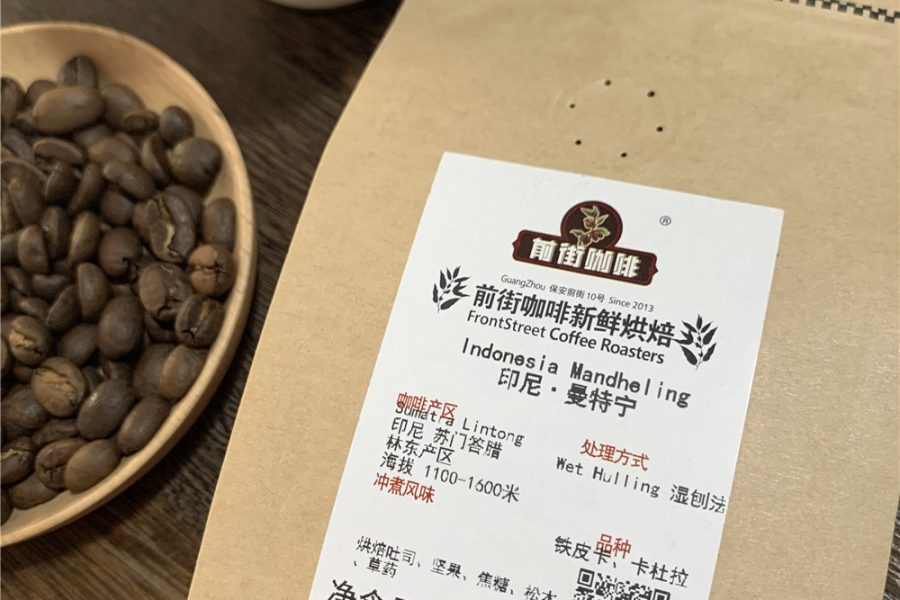
Introduction: Indonesia is a major global coffee origin, and its Sumatra Mandheling coffee is known for its distinctive, full-bodied flavor. This article analyzes the flavor traits of Indonesia's main coffee regions, focuses on the growing environment and processing methods of Sumatra Lintong Mandheling, and offers professional buying advice to help coffee lovers find specialty beans that suit them.
Southeast Asia's coffee map often includes several geographically adjacent regions. Coffee from Thailand, Papua New Guinea, Myanmar and elsewhere shares similar climates and often shows low acidity and a full-bodied mouthfeel. Some Indonesian coffees have a distinctive earthy, fermented character that takes time to get used to, but they are highly prized by certain enthusiasts.
Indonesia is the world's third-largest coffee exporter, a status that stems from economic restructuring policies in the 1980s. Besides coffee, the country is also known for agricultural products such as cloves and palm oil. Local coffee planting density is maintained at 1,100–2,000 trees per hectare, and shade growing is common—controlling light to slow the growth cycle, which encourages the beans to accumulate richer flavor compounds.
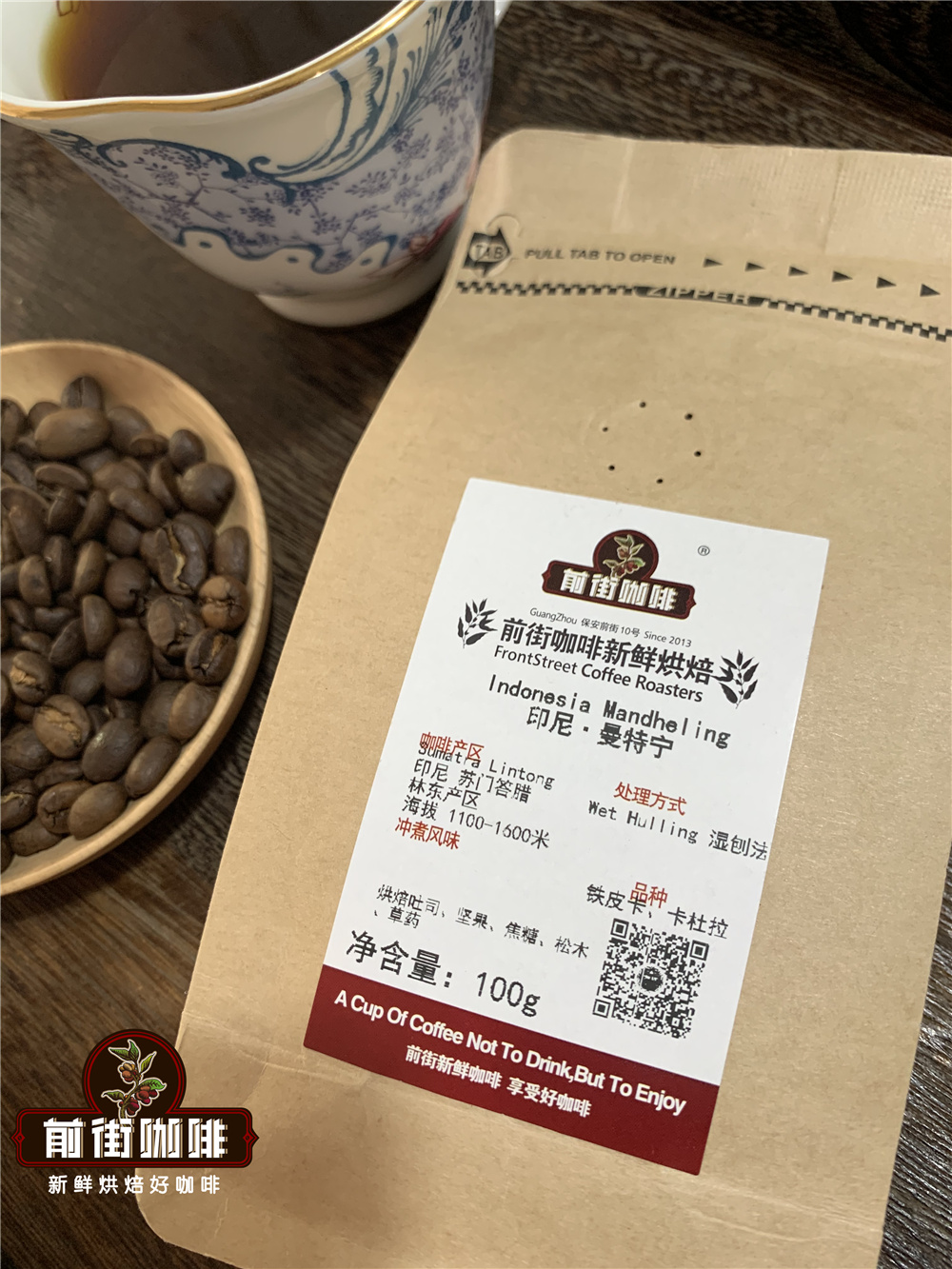
The Mandheling, Ankola and Lintong coffees produced in Sumatra are known for low acidity and a rich mouthfeel. Mandheling coffee takes its name from the local Mandailing people, and is grown at altitudes between 2,500 and 5,000 feet (about 760–1,520 meters). Its processing is distinctive: although it is sun-dried, the beans are pre-treated with warm water to improve uniformity. Professional evaluations show that these coffees often have a syrupy body with chocolate sweetness and woody notes, and some lots show licorice flavors.
Arabica coffee from Java shows different characteristics, grown mainly at 1,400 meters east of the Ijen volcanic complex. Washed Java coffee has a moderate body, clear herbal finish and soft acidity, and some lots carry a subtle smoky note. It is worth noting that supply of premium products such as Java Blue can be unstable.
The overall quality of Indonesian coffee benefits from volcanic soils and varied microclimates, and the Sumatra and Sulawesi regions are highly regarded for their mature processing supply chains. When buying, it is advisable to prioritize freshly roasted green beans and to check the processing method on the label—wet-hulled Mandheling usually has a more pronounced body, while sun-dried lots often have greater sweetness. Professional baristas note that grinding parameters should be adjusted for coffee from different altitudes; high-altitude hard beans are best ground medium-fine (about #20 mesh) to fully extract the flavor.


